



Outdoor Sports Report Shows Decline in Participation Rates Over Three Years
Decline in Outdoor Sports Participation: A 2026 Survey Analysis
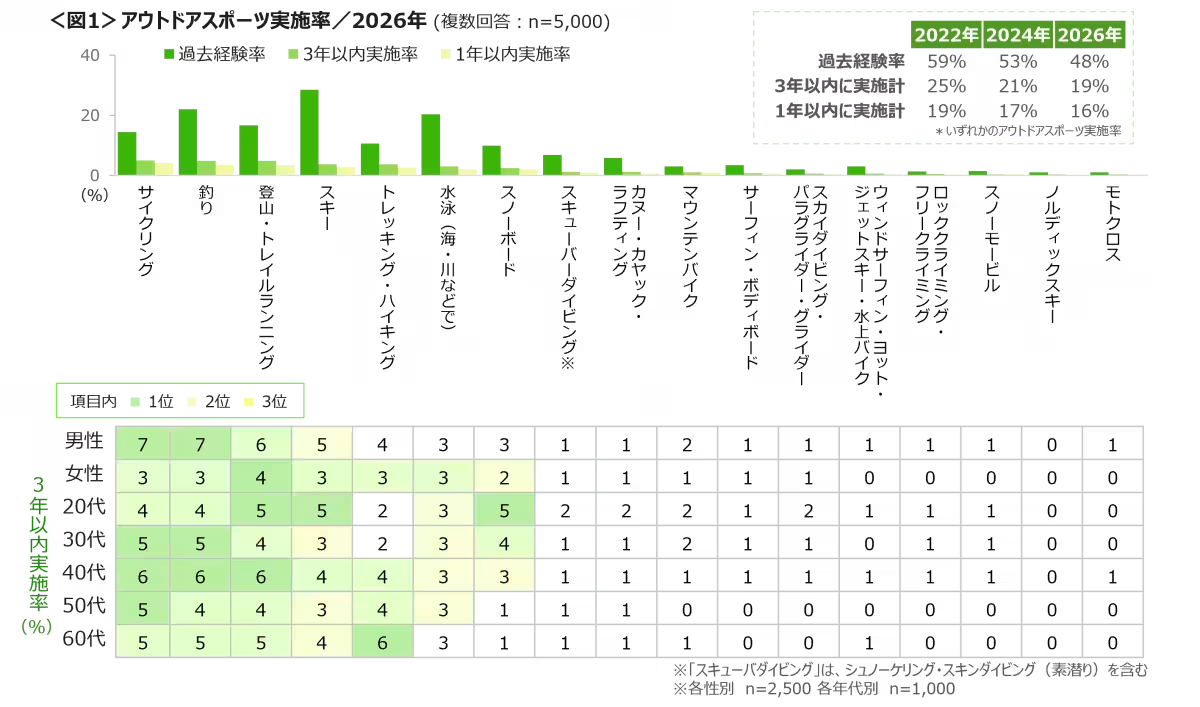
A survey conducted by Cross Marketing, targeting 5,000 individuals aged 20 to 69 across Japan, has highlighted a concerning trend in outdoor sports participation. Over the past three years, the participation rate has declined to 19%, with only 16% having engaged in activities within the last year. This downward trend was notably observed since 2022 and calls for further investigation into the factors at play.
Participation Rates
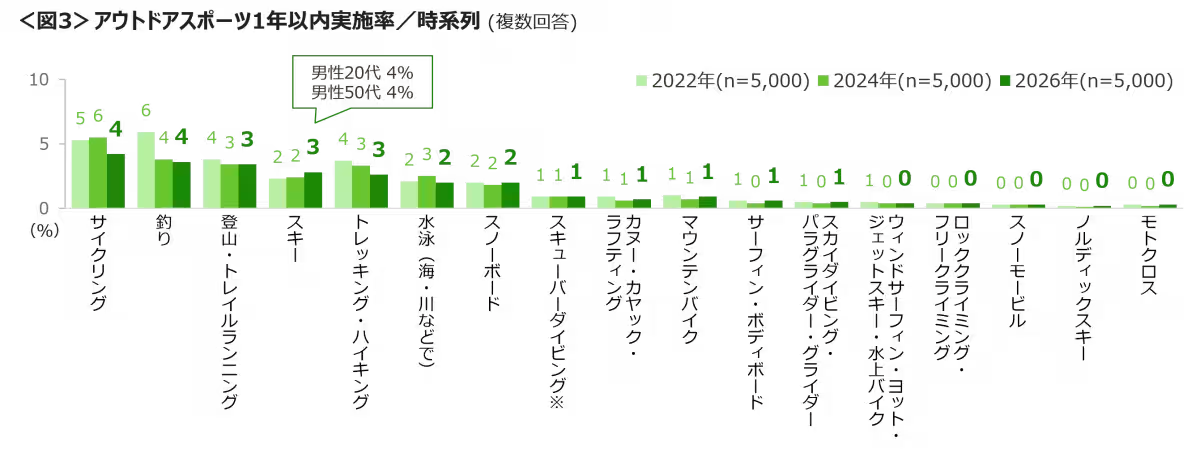
The survey found that while 48% of respondents have participated in outdoor activities at some point in their lives, a mere 19% did so in the past three years. Fishing, cycling, and hiking were reported as the top three activities among participants, particularly among males.
Breaking down the data by age, younger individuals in their 20s showed a keen interest in winter sports like skiing and snowboarding, while those in their 40s favored cycling and fishing. Older adults in their 60s preferred trekking and hiking. This trend presents an interesting perspective on how age influences the type of outdoor activities people engage in.
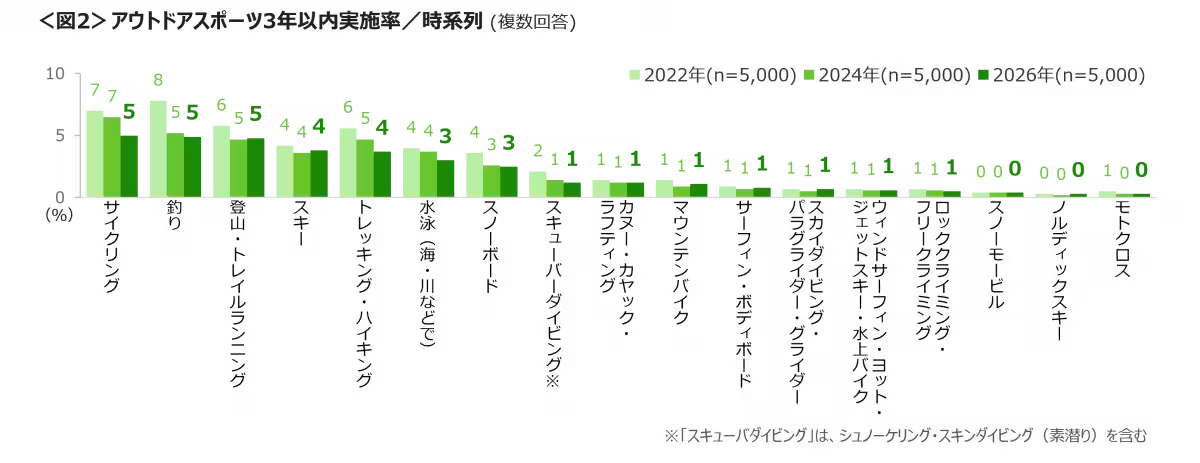
Compared with previous years (2022 and 2024), many outdoor sports reflected a slight decline in participation rates. Interestingly, skiing witnessed a small uptick in participation, particularly among males aged 20s and 50s.
Reasons for Participation
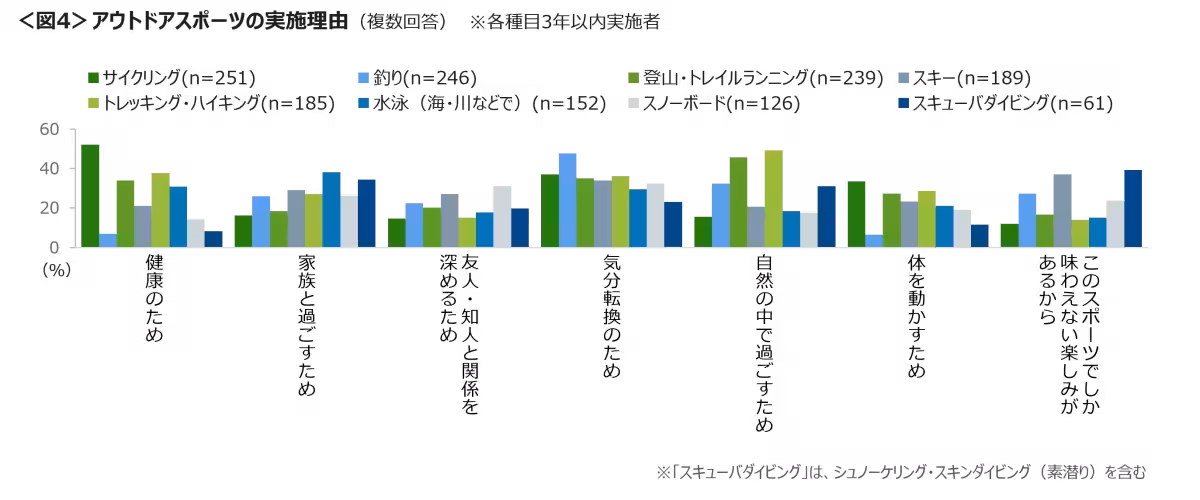
When examining the motivations behind engaging in outdoor sports, participants predominantly cited reasons such as "spending time in nature," "stress relief," and "health benefits." In particular, cycling enthusiasts prioritized health, whereas activities like swimming were frequently enjoyed with family. Skiing and snowboarding served as excellent bonding experiences for friends.
Future Intentions and Triggers for Participation
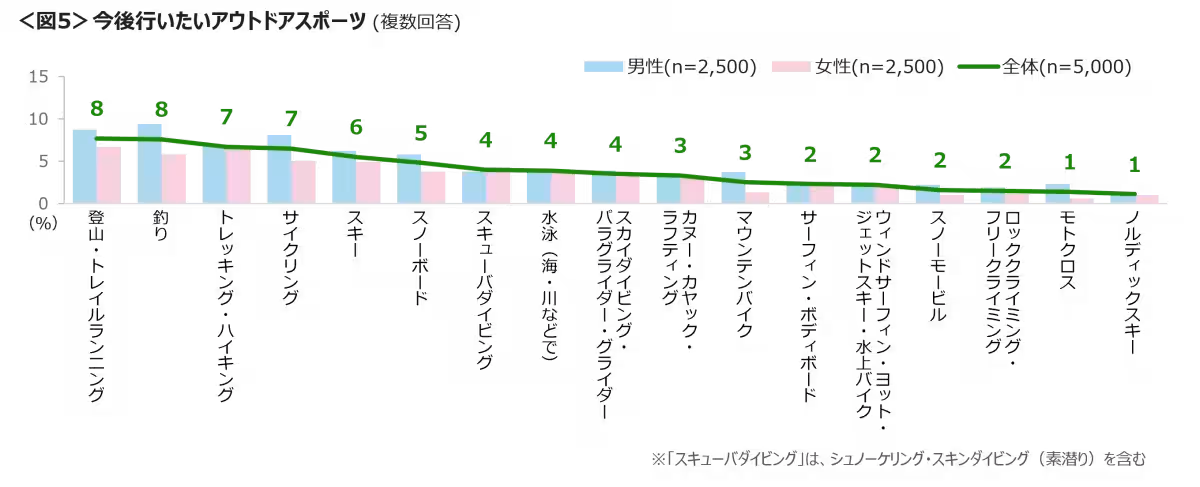
Looking ahead, the survey indicated that men expressed interest in pursuing activities like fishing, trail running, and cycling, with intentions ranging from 8% to 9%. Women, on the other hand, showed a desire for hiking and trekking, which appealed to 6% to 7% of respondents.
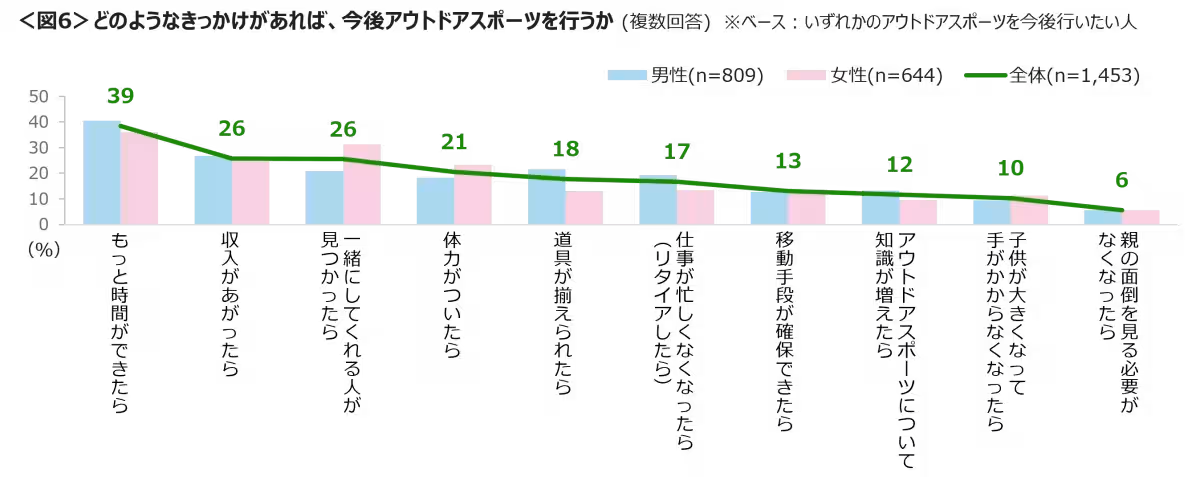
Many participants indicated that a lack of time (39%) was the primary obstacle preventing them from engaging in outdoor sports. Other factors that could drive participation included increased income, finding companions for activities, and improved physical fitness.
Interestingly, women indicated a strong desire to find partners who would join them in outdoor activities, with 36% citing this as their second most significant motivation.
Conclusion
The findings from Cross Marketing's survey reflect a crucial indicator of changing behavior in outdoor sports participation in Japan. It suggests a need for initiatives fostering outdoor activity engagement, targeting various demographics, especially young adults and families. The full report promises deeper insights into preferences, experiences, and the potential future of outdoor activities, emphasizing the importance of addressing these declines strategically.
About Cross Marketing
Founded in April 2003, Cross Marketing Co., Ltd. is located in Shinjuku, Tokyo. The company specializes in marketing research and consultation services, focusing on understanding consumer behavior to aid businesses in navigating the market effectively. For more information, visit their website at Cross Marketing.
Topics People & Culture)

【About Using Articles】
You can freely use the title and article content by linking to the page where the article is posted.
※ Images cannot be used.
【About Links】
Links are free to use.