




Preparing for Future Disasters: Lessons from the Kumamoto Earthquake
Embracing Effective Disaster Preparedness: Lessons Learned from the Kumamoto Earthquake
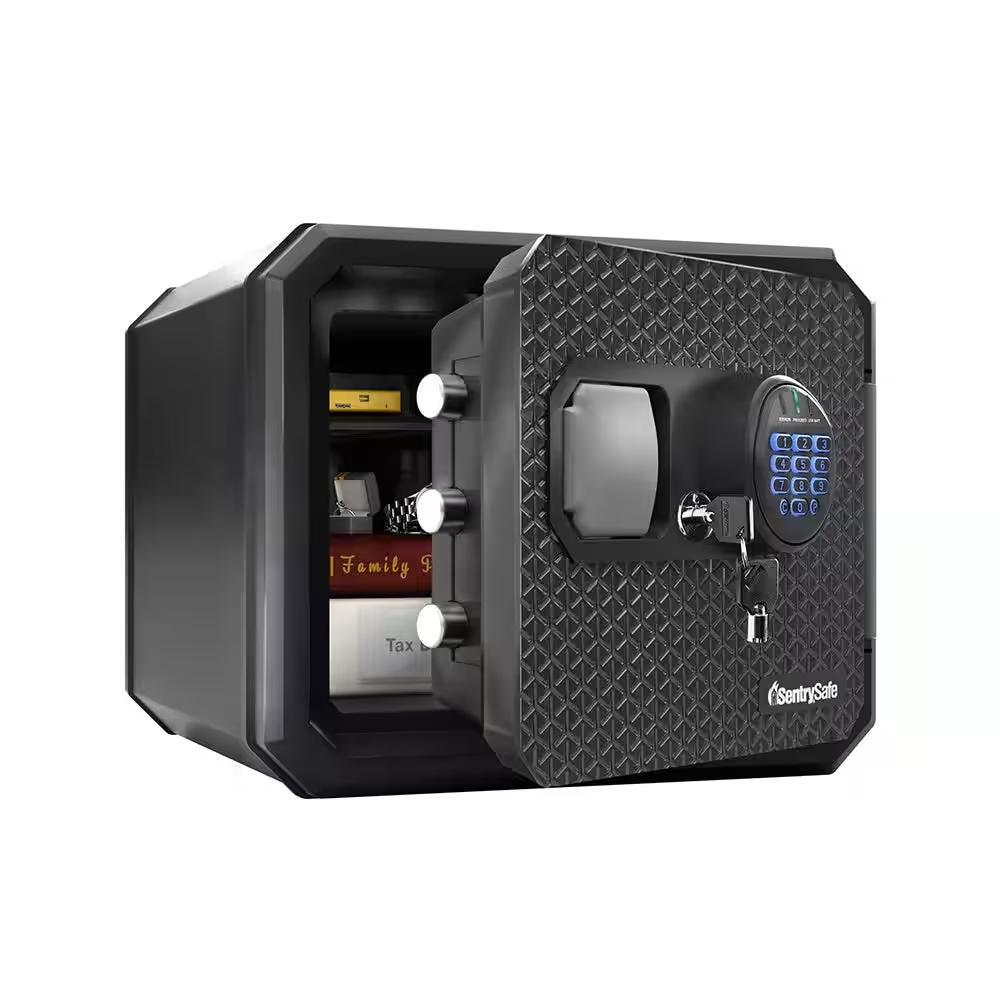
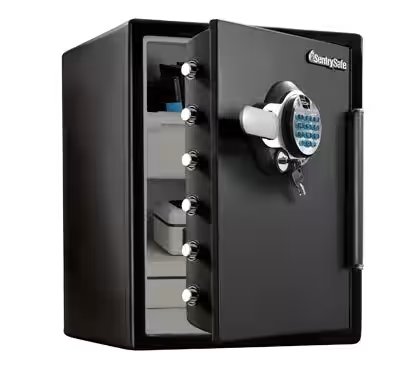
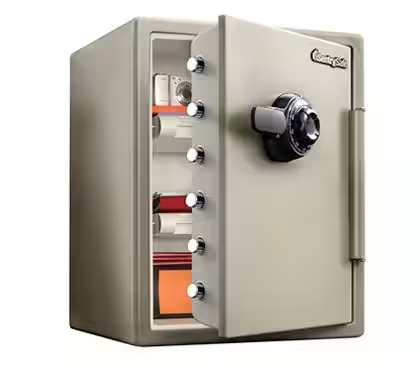
As we approach the ten-year mark since the devastating Kumamoto earthquake, significant lessons emerge regarding disaster preparedness and recovery. The inhabitants who endured nearly three years in temporary housing after the quake provide insights into proactive measures necessary for safeguarding important belongings during emergencies. This article discusses essential strategies for recovery and emphasizes innovative disaster preparedness concepts introduced by Master Lock Sentry Japan (MLSJ).
The Lasting Impact of the Kumamoto Earthquake
The Kumamoto earthquake occurred on April 14, 2016, with a magnitude of 6.5, followed by a second quake measuring 7.3 only 28 hours later. These significant tremors resulted in extensive damage across the region, impacting over 6,800 households who were forced to live in temporary housing until 2019. The ordeal of recovery remains fresh in our collective memory as we now face ongoing seismic risks, including predictions of future high-magnitude earthquakes.
Recognizing that Japan is prone to earthquakes, it is estimated that there is a 60–90% probability of a major Nankai Trough earthquake within the next 30 years. The preparation for such disasters has evolved over the years; however, the need for effective recovery measures, particularly regarding important documents and belongings, is more pressing than ever.
The Concept of







Topics Policy & Public Interest)
【About Using Articles】
You can freely use the title and article content by linking to the page where the article is posted.
※ Images cannot be used.
【About Links】
Links are free to use.