



The Importance of Preventive Dental Care: Survey Reveals Regrets of Delay in Dental Visits
Exploring Regrets and Preventive Care in Dental Health
A recent survey conducted by Smileline in collaboration with Komagome Station Dental Clinic gathered insights from 500 individuals across Japan about their dental health concerns and attitudes towards preventive care. The results reveal significant statistics that emphasize the importance of regular dental check-ups and proactive dental health management.
Survey Overview
The survey was conducted online from November 21 to November 25, 2025. It aimed to address various questions regarding dental pain, preventive measures against dental diseases, and the frequency of dental visits. The respondents included a diverse demographic of both genders from across the country.
The key questions focused on whether individuals have ever regretted not visiting the dentist earlier when experiencing dental pain, their opinions on preventive care, and how frequently they believe one should ideally visit the dentist.
Key Findings
Regrets About Delaying Dental Visits
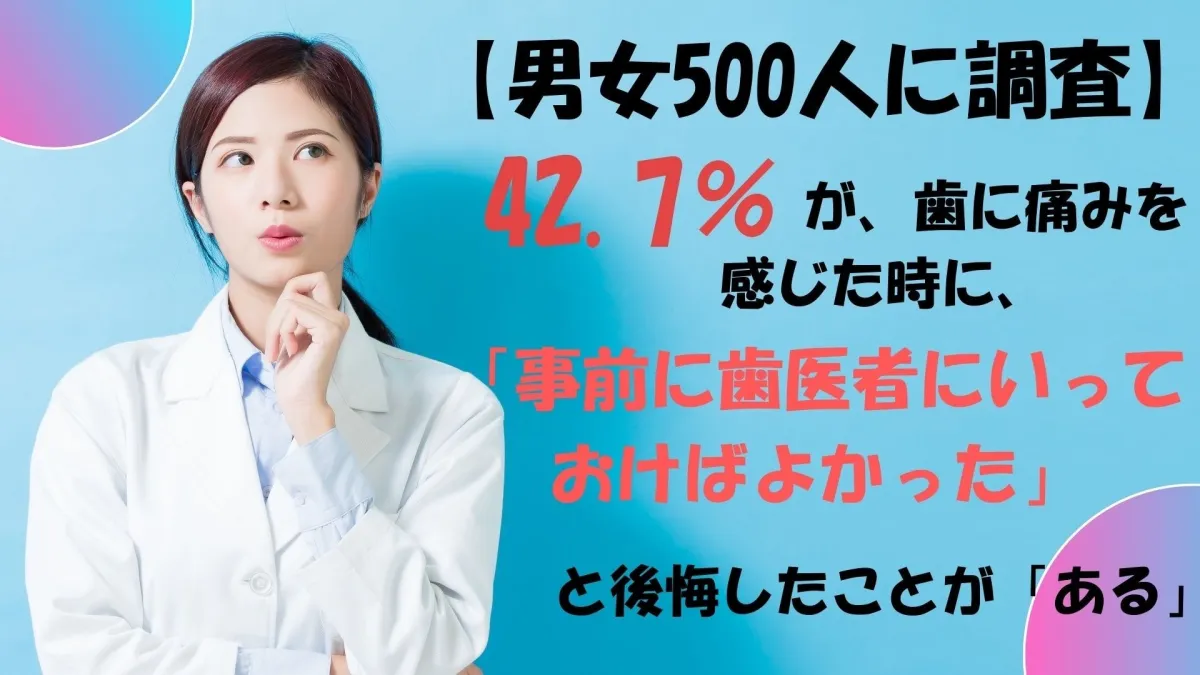
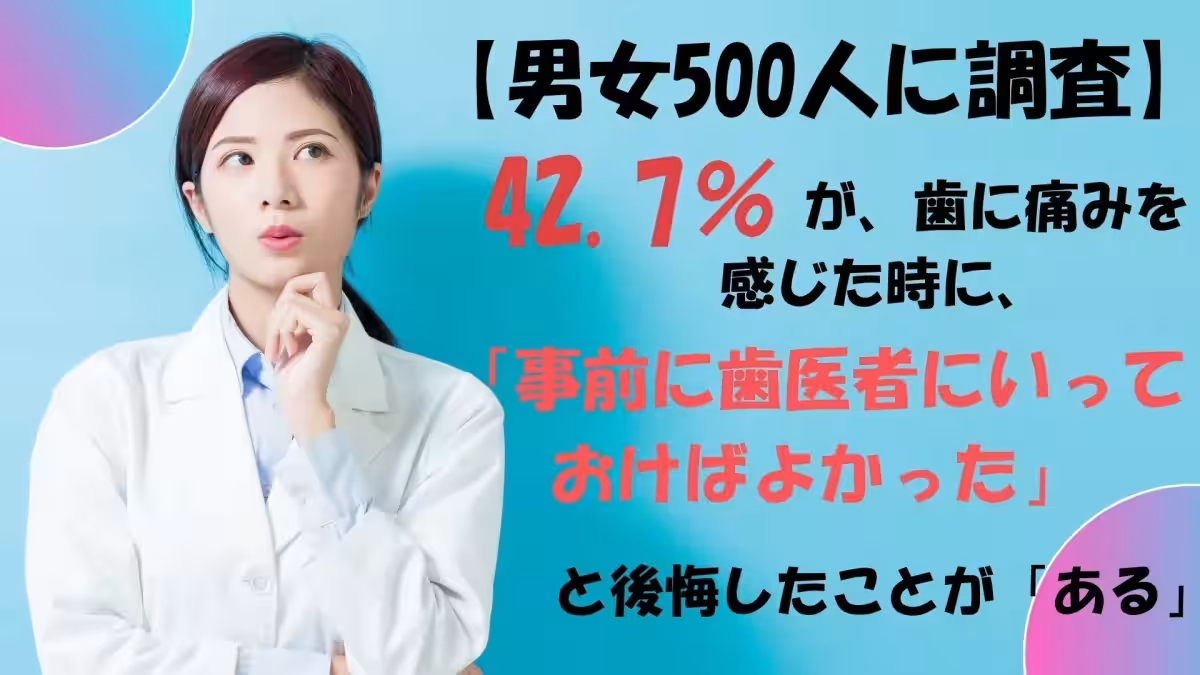
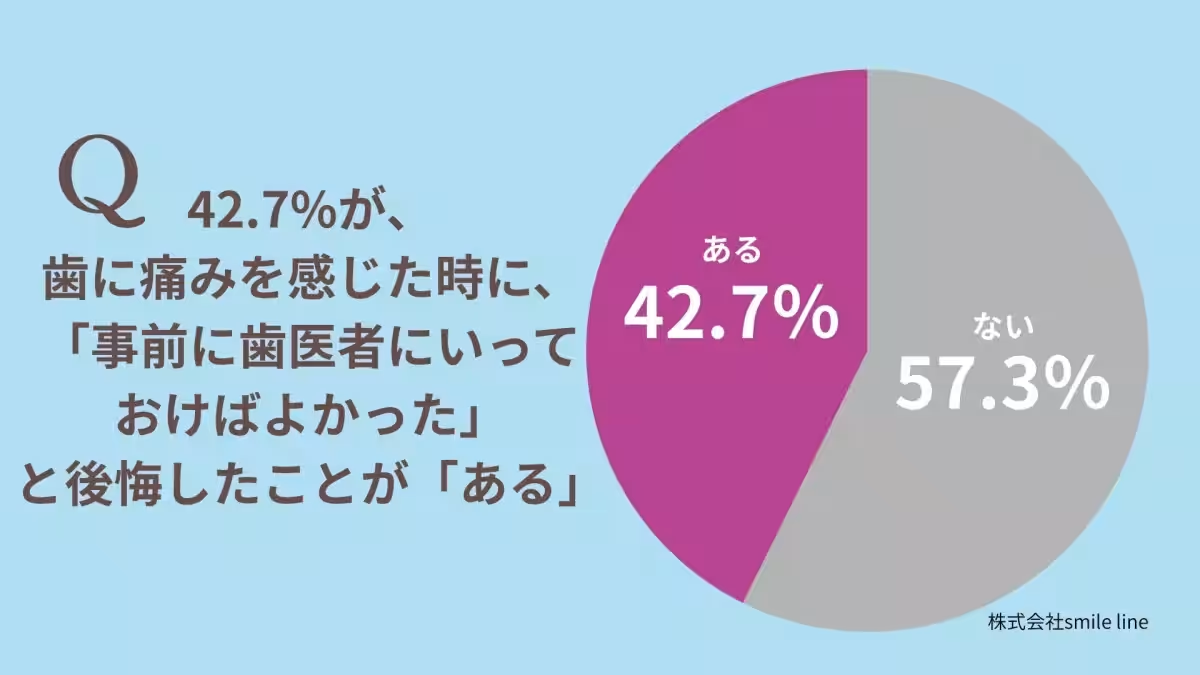
One of the most revealing findings was that 42.7% of respondents admitted to regretting not visiting the dentist sooner when they experienced dental pain. This statistic underscores a common sentiment among individuals, especially as they age. Many respondents shared the reasons for their regrets, including:
- - “I might have caught it before it became painful.” (Male, 40s)
- - “Visiting regularly could have prevented the pain.” (Female, 20s)
- - “The longer I wait, the worse the treatment becomes.” (Female, 30s)
Awareness of Preventive Measures
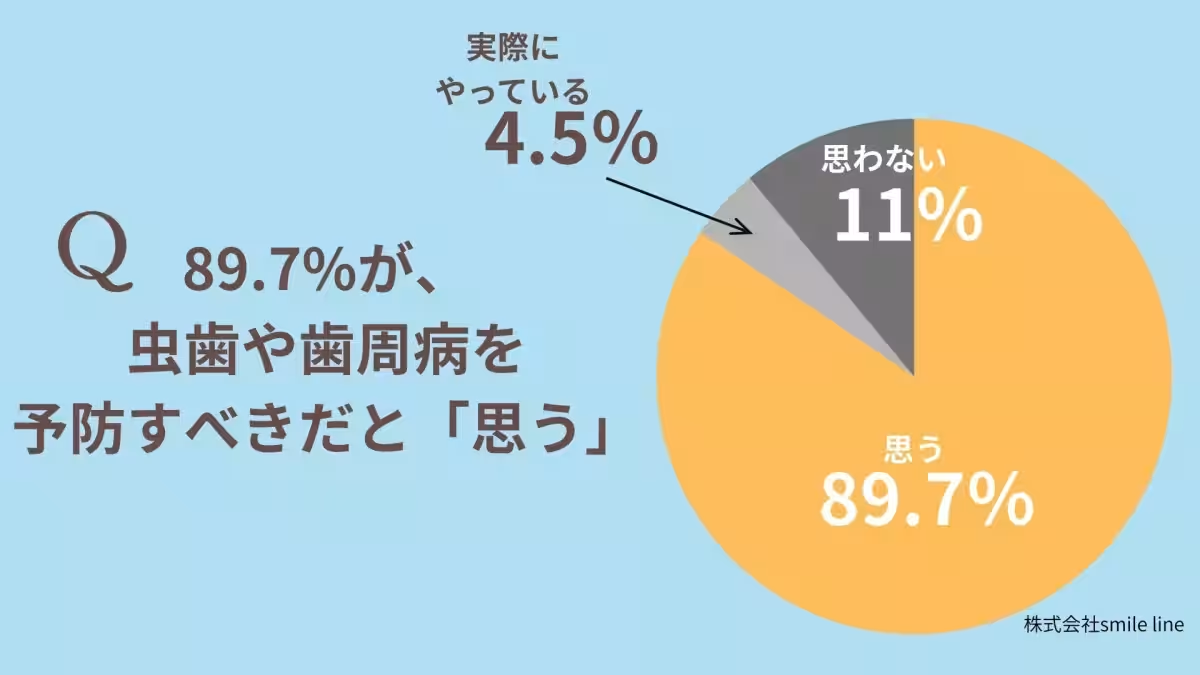
The survey highlighted that 89.7% of respondents believe in the necessity of preventing cavities and periodontal disease. This essence of awareness is vital as early intervention can significantly enhance one’s quality of life. When respondents were asked why they consider preventative care important, common themes emerged:
- - “Prevention is the best medicine.” (Female, 40s)
- - “Dental health impacts overall health.” (Male, 30s)
Recommended Frequency of Dental Visits
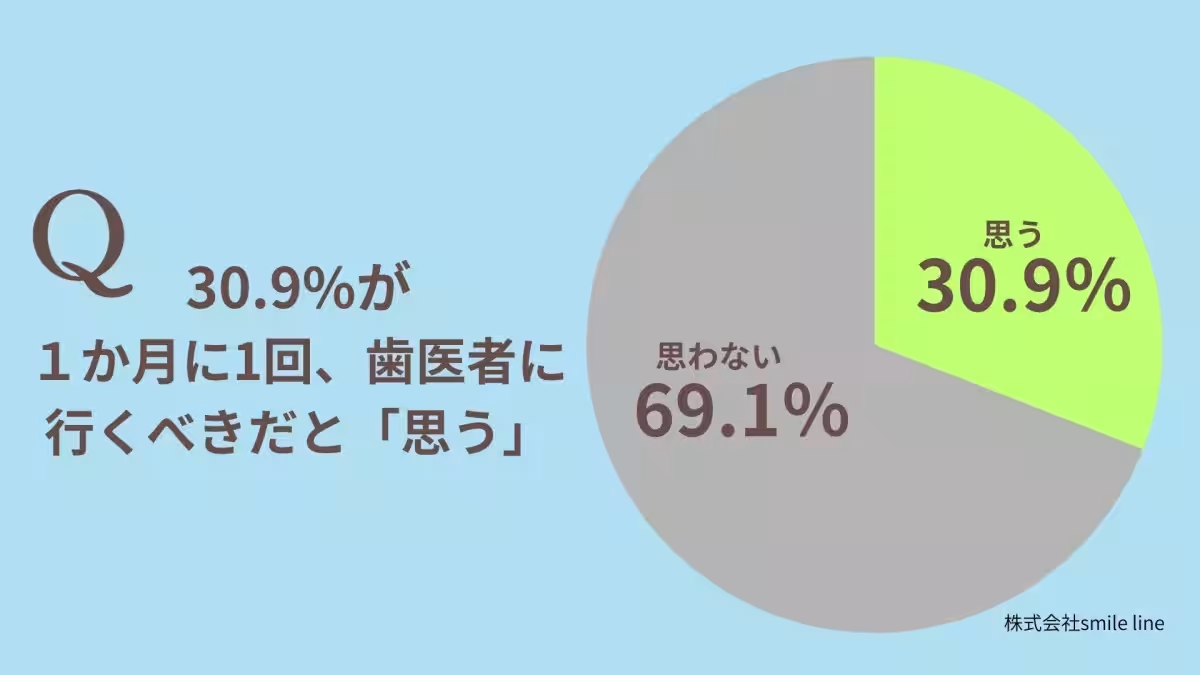
Regarding the recommended frequency of dental visits, 30.9% of participants believe that individuals should visit the dentist at least once a month. Among those who advocated for regular check-ups, various reasons were given, such as:
- - “Regular check-ups can help identify problems early.” (Female, 20s)
- - “Monthly visits ensure less severe treatments later on.” (Male, 30s)
Conclusion
The survey results indicate a strong need for increased awareness and advocacy for preventive dental care among the general public. Significant portions of the population regret not taking proactive steps sooner, thus highlighting an opportunity for dental care professionals to educate and encourage regular visits. With an overwhelming majority recognizing the value of prevention, it becomes essential for individuals to seek advice from dental experts and strategize their dental care to avoid regret in the future.
For those interested in addressing their dental health, considering expert consultations may be a beneficial step. Preventive care could lead to a healthier, pain-free experience in the long run, making regular dental visits not just a recommendation, but a smart health strategy.
Topics Health)
【About Using Articles】
You can freely use the title and article content by linking to the page where the article is posted.
※ Images cannot be used.
【About Links】
Links are free to use.