



Achieving 37% ZEH Standard Acquisition by Cosmos Initia with Advanced Energy-Saving Design
Introduction
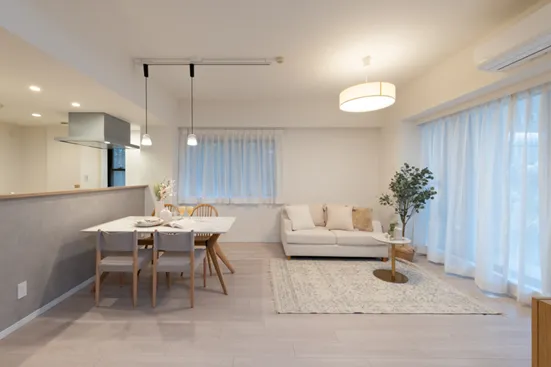
In a significant milestone, Cosmos Initia has announced that its renovation project under the initiative "INITIA & Renovation" has achieved about 37% in the acquisition of the "Housing Energy-Saving Performance Certificate (ZEH standard)" for its properties scheduled to begin construction in 2025. This success exceeds their initial target of 30% and showcases the importance of energy efficiency in Japan's quest for carbon neutrality.
Background: The Challenge of Decarbonizing Existing Homes
One of the biggest challenges in achieving Japan's carbon neutrality is the need for energy-efficient homes. According to data from the Ministry of Land, Infrastructure, Transport and Tourism, only 19% of existing homes in Japan meet current energy-saving standards. This means that around 80% of residences fall short, resulting in uncomfortable living conditions where homes can be too cold in winter and too hot in summer. As the country aims for a decarbonized society by 2050, improving the energy efficiency of these existing homes has become a major focus.
To accelerate the standardization of energy-efficient renovations, N.C.N, a prominent wooden construction platform company based in Chiyoda, Tokyo, has partnered with Cosmos Initia, YKK AP, and u.company. This collaboration brings together specialists from various fields to streamline energy-saving measures in existing condominiums.
N.C.N's Role in Energy-Saving Renovations
Enhancing energy performance in renovation projects demands specialized knowledge due to the unique structural and regulatory challenges inherent to existing buildings. N.C.N plays a crucial role in this collaboration:
1. Detailed Performance Calculations: N.C.N meticulously analyzes window orientation and insulation conditions to determine optimal energy-saving designs for each property.
2. Addressing Aging Buildings: For properties built in the 1990s and those over 20 years old, N.C.N provides technical support to help meet ZEH standards and energy-saving benchmarks, ultimately offering substantial economic benefits to residents, such as reduced utility costs and expanded residential loan tax deductions.
Success Stories
N.C.N's energy-efficient designs have yielded impressive results, even for older properties:
- - Flats Kitachinju (Completed in 1995): Despite being nearly 30 years old, this property achieved energy-saving standards through the optimal implementation of interior windows and high-efficiency appliances.
- - Shibaura Island Grove Tower (Completed in 2006): This building achieved ZEH standards, showcasing top-tier insulation and energy-saving technologies, even after 20 years.
Future Outlook
Cosmos Initia is setting ambitious goals, aiming for a 60% acquisition rate of ZEH and energy-saving standards by fiscal year 2026. N.C.N is committed to supporting this initiative. Not only does this effort contribute to environmental protection, but it also translates into tangible financial benefits for residents—lower energy bills, greater residential loan tax deductions, and favorable interest rates.
By transforming existing condominiums into comfortable homes that are warm in winter and cool in summer, N.C.N aims to facilitate participation in a decarbonized society without putting a strain on household budgets. This endeavor aligns with building a sustainable and secure future for all.
Conclusion
N.C.N is dedicated to providing safe and valuable wooden architecture, ensuring that homes are not just eco-friendly but also economically advantageous. As they work towards realizing an energy-efficient future, their partnership with Cosmos Initia and others marks a significant step forward in renovation practices for a sustainable Japan.
For more information about N.C.N, please visit N.C.N Official Website.
Topics Consumer Products & Retail)
【About Using Articles】
You can freely use the title and article content by linking to the page where the article is posted.
※ Images cannot be used.
【About Links】
Links are free to use.