



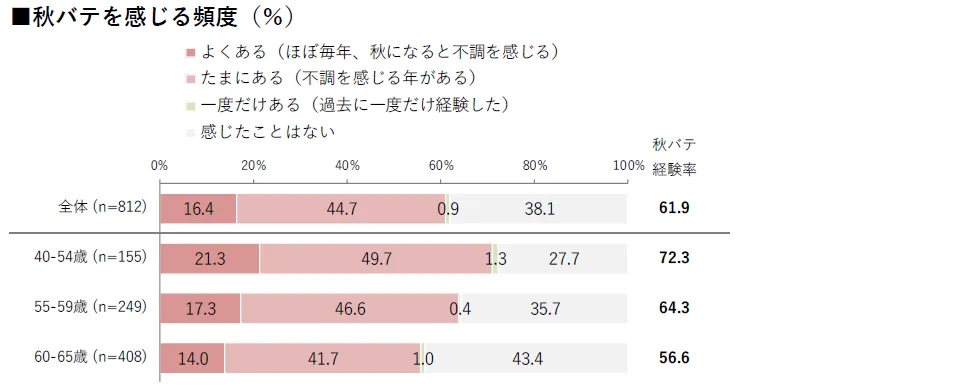
Research Reveals 62% of Women Experience Autumn Fatigue, Especially Ages 40–54
Understanding Autumn Fatigue Among Women
In a recent survey conducted by HALMEK up and the HALMEK Life Skills Research Institute, findings revealed that 62% of women aged 40 to 65 reported experiencing autumn fatigue. Notably, the issue is particularly severe among those aged 40 to 54, with a stark 72% acknowledging the impact of this seasonal malaise. This article delves into the survey insights, highlighting not only the symptoms and causes of autumn fatigue but also providing perspectives on coping mechanisms employed by affected women.
Key Findings from the Survey
The survey gathered responses from 812 women who are members of HALMEK up. Conducted via an online questionnaire, some significant findings emerged:
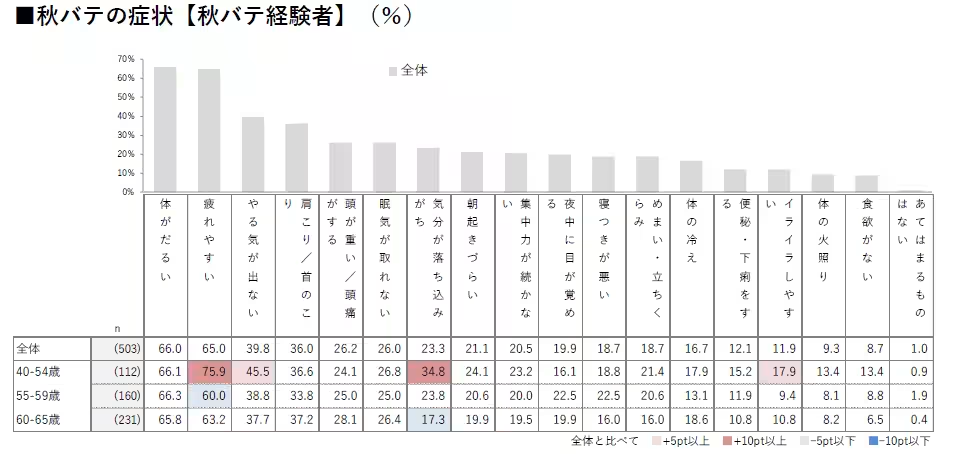
- - Common Symptoms: The primary symptoms reported included a sense of fatigue (66%), feeling physically drained (65%), and a lack of motivation (40%). More than 60% of respondents aged 40–54 noted experiencing increased fatigue and heightened emotional distress.
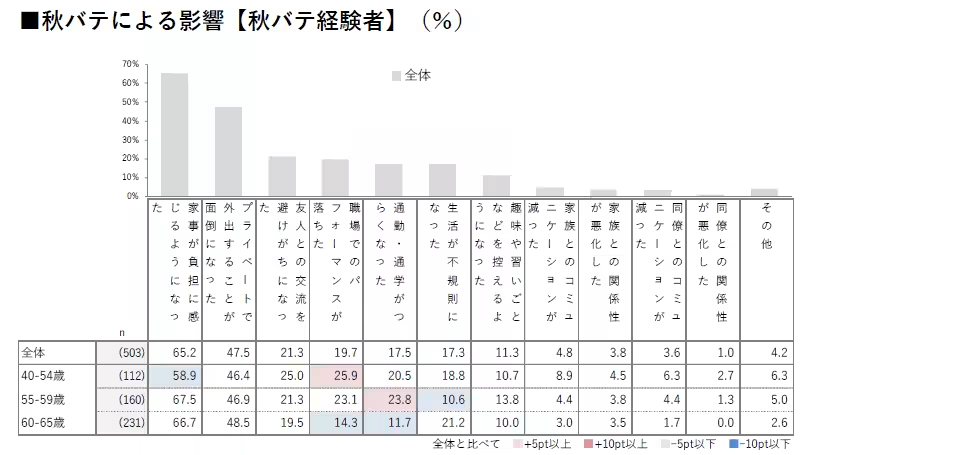
- - Impact of Autumn Fatigue: Respondents shared that the condition affects daily life, with 65% finding household chores overwhelming and 48% feeling discouraged about venturing outside.
Dissecting Shared Experiences
The qualitative data from open-ended responses revealed additional perspectives on how autumn fatigue manifests uniquely for individuals. Common experiences included:
- - A fluctuating appetite due to seasonal changes, leading to feelings of bloating and sleepiness after eating.
- - Emotional challenges such as unexpected sadness or irritability, particularly resonating during colder mornings that follow hot summers.
These reflections illustrate how autumn fatigue is not merely a physical affliction but resonates well into emotional and mental well-being.
Causes Underlying Autumn Fatigue
The reasons behind autumn fatigue go beyond just the lingering effects of summer exhaustion. The survey highlighted several factors contributing to the phenomenon:
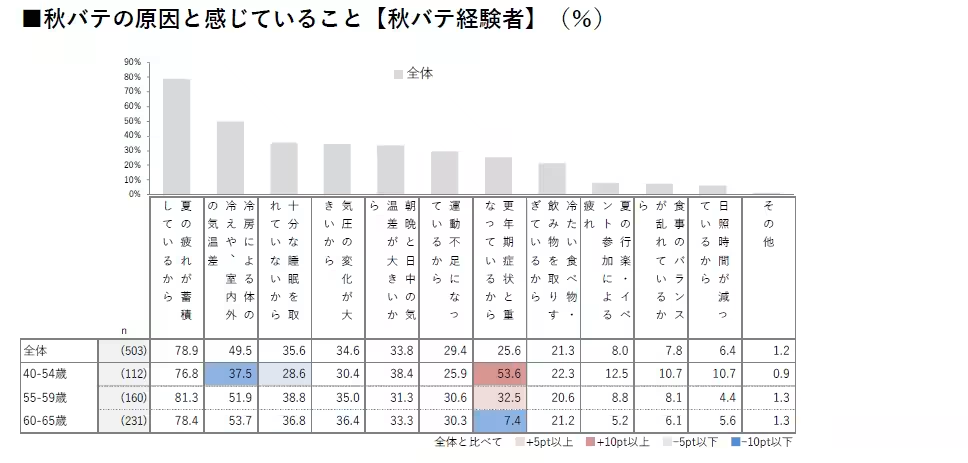
- - Accumulated Fatigue from Summer: A staggering 79% of women cited this as a primary cause.
- - Temperature Fluctuations: About 50% pointed to discomfort caused by adjustments between indoor and outdoor temperatures, with this concern rising in women aged 55 and older.
- - Menopausal Effects: For women aged 40-54, nearly 54% felt that menopausal symptoms added to their autumn fatigue.
The various contributing factors paint a complex picture of how personal circumstances and lifestyle choices intertwine with broader seasonal changes.
Coping Strategies for Autumn Fatigue
Interestingly, most respondents engaged in some form of self-care aimed at countering autumn fatigue. The top strategies included:
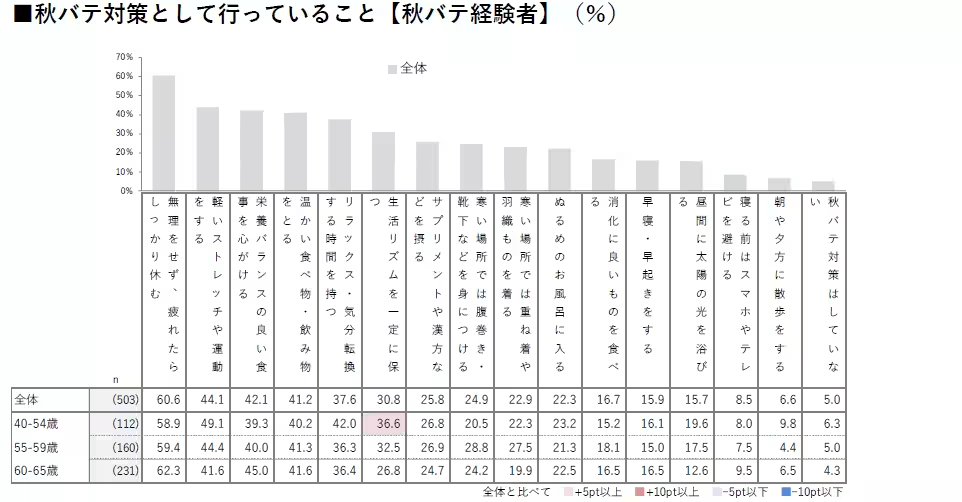
- - Prioritizing Rest: With 61% indicating they allow themselves to rest when feeling fatigued.
- - Light Physical Activity: 44% turned to stretching or mild exercises to manage their symptoms.
- - Nutritious Eating: Approximately 42% emphasized maintaining a well-balanced diet as part of their coping strategy.
- - Staying Warm: 41% acknowledged consuming warm meals and beverages to help combat the effects of the changing weather.
Women have expressed a growing awareness of the importance of self-care and mental well-being, reflecting a cultural shift towards recognizing the value of rest and personal health.
Expert Commentary on Autumn Fatigue
Misaki Shiraishi, a marketing researcher at HALMEK, noted, “The fact that over 60% of respondents are advocating for rest signifies a positive cultural shift. While the struggles with fatigue and mental health remain difficult to articulate, the growing emphasis on self-care is encouraging.”
Yukie Umedu, director of the HALMEK Life Skills Research Institute, commented on the implications of the findings. “The complexity of autumn fatigue, especially among women in their 40s to 50s, reflects a fusion of physical exhaustion and emotional tensions heightened during transitional seasons.”
Conclusion
As we move into autumn, understanding the nuances of autumn fatigue and the shared experiences of women across Japan is crucial. The insights gained from the HALMEK up survey can empower individuals and society to foster more supportive environments, encouraging open conversations centered on mental and physical well-being. The findings serve as a reminder that taking care of oneself is not just essential but can significantly enhance overall quality of life.



Topics Health)
【About Using Articles】
You can freely use the title and article content by linking to the page where the article is posted.
※ Images cannot be used.
【About Links】
Links are free to use.