



Darts as a Fun Activity for Improving Mild Cognitive Impairment: A Collaborative Study Report
Darts as a Tool for Cognitive Improvement
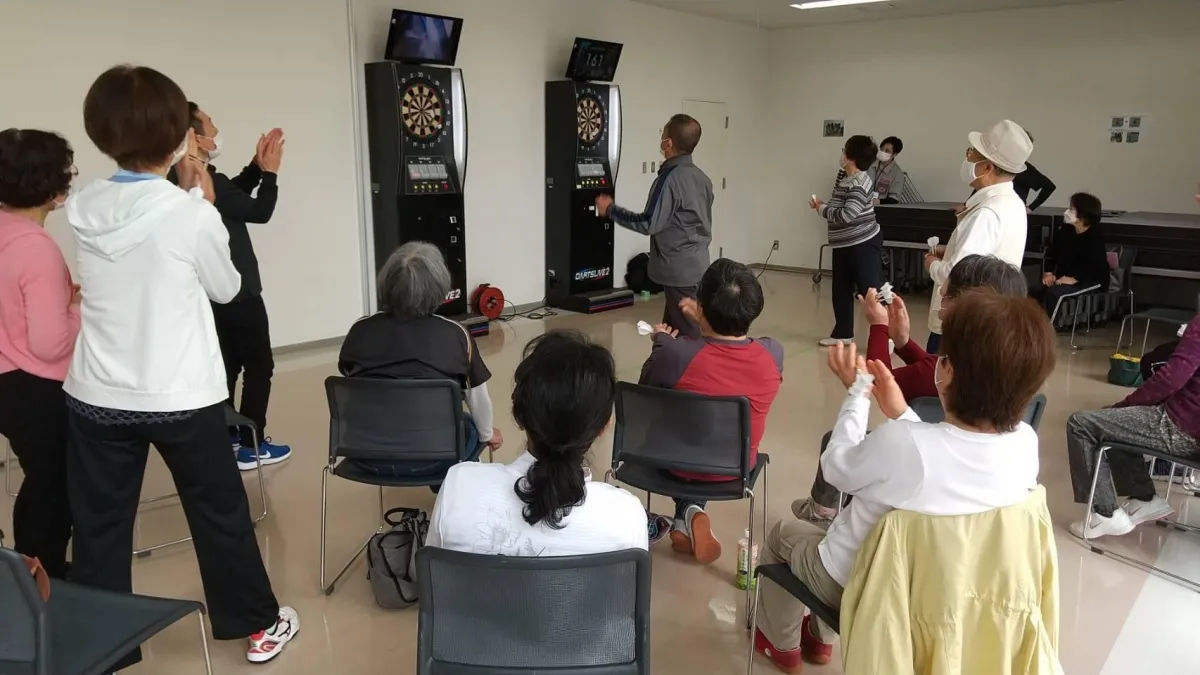
In a groundbreaking collaboration, Darts Live Co., Ltd. has teamed up with the Prefectural Hiroshima University, Kochi Health Science University, and ONE ENTERPRISE to explore the potential cognitive benefits of darts. This initiative has recently garnered attention due to its promising findings on how playing darts might help improve conditions related to mild cognitive impairment (MCI).
The Study Overview
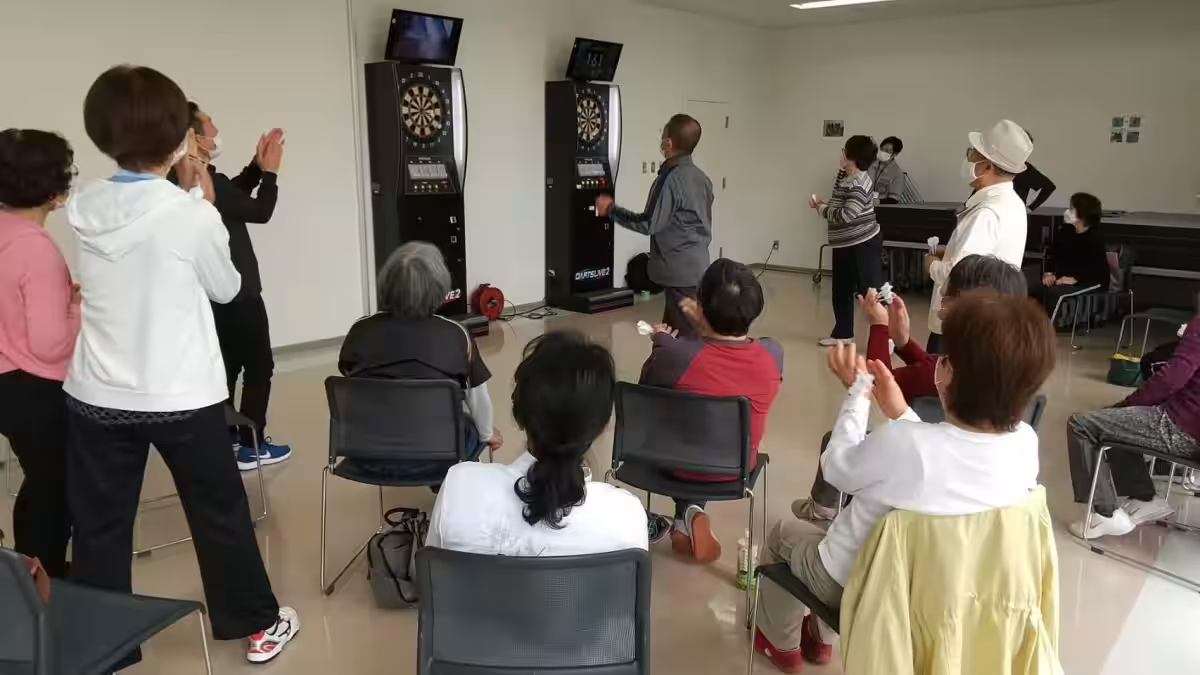
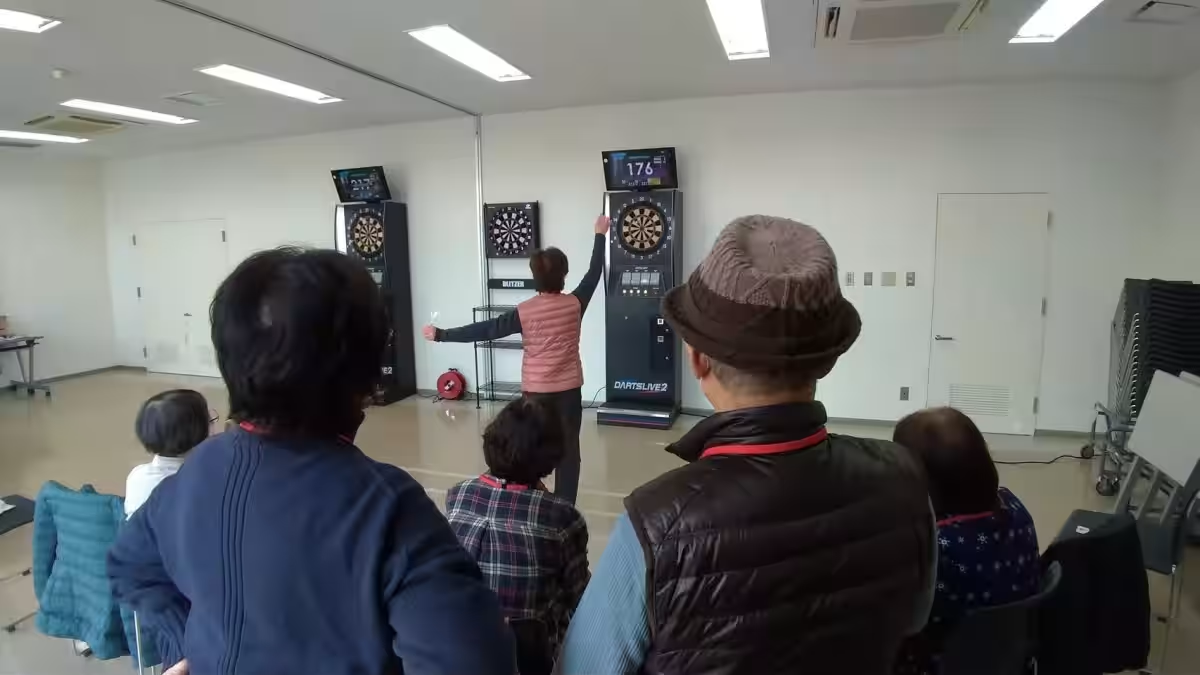
The study, which took place over six months, involved elderly individuals in Hiroshima and Nagasaki who exhibited signs of mild cognitive impairment. The team aimed to investigate whether regular engagement in darts could lead to measurable cognitive advancements. The participants, defined as local senior citizens suspected of having mild dementia, participated in a darts program that was held bi-weekly. Their cognitive abilities were assessed using the internationally recognized Montreal Cognitive Assessment (MoCA-J), with scores of 25 or lower indicating mild cognitive impairment.
During the study, 27 participants labeled as having mild cognitive impairment showed significant improvements in their scores, with 16 individuals reporting cognitive enhancements. Notably, the areas of memory—specifically delayed recall—and attention witnessed particularly strong improvement.
The Role of Darts in Cognitive Function
The act of targeting the dartboard requires coordination, spatial recognition, and balance, which together stimulate both physical and cognitive functions. The calculation of scores and strategizing during gameplay further promotes memory retention and attention capabilities. The social aspect of darts, played in a team setting, fosters interaction and community engagement, which are essential components of cognitive health, especially for seniors.
As reported by Kaneko from Darts Live’s service department, the validation of darts as an effective tool for combating mild cognitive impairment has been exhilarating. He remarked, "I am thrilled that we could demonstrate darts' role in improving cognitive abilities. Our future goal is to raise awareness about this information and encourage greater participation in darts for dementia prevention and as an enjoyable activity for the elderly."
The Broader Context
As Japan faces an aging population crisis, projections suggest that by 2025, the number of dementia patients could reach 7 million, with one in five individuals aged over 65 expected to develop dementia. To combat this looming issue, methods combining physical activity with cognitive training, termed "dual-tasking," have been recognized as effective interventions. Thus, the development of enjoyable preventative measures has become increasingly crucial.
This research aligns perfectly with the growing demand for sustainable and engaging activities that can be integrated into the daily lives of older adults. By harnessing the excitement of darts, participants can engage both their minds and bodies in a way that is both beneficial and entertaining.
Conclusion
In conclusion, the collaborative findings from this research serve not only to highlight the cognitive benefits of playing darts but also to emphasize the importance of integrating enjoyable activities into the lives of elderly individuals. The study reflects a promising avenue for improving cognitive functions while providing a platform for social interaction. The potential of darts to serve as a functional sport in enhancing cognitive health can pave the way for innovative approaches to combat cognitive decline in seniors.
For more information on the study, you can access the full paper titled Effects of a Dart Game Intervention in Community-Dwelling Older Adults with Suspected Mild Dementia: An Exploratory Study Using the Japanese Version of the Montreal Cognitive Assessment published on August 24, 2025, here.

Topics Health)
【About Using Articles】
You can freely use the title and article content by linking to the page where the article is posted.
※ Images cannot be used.
【About Links】
Links are free to use.