



Is Your Low Back Pain Worse This Winter? Discover the Causes
Is Your Low Back Pain Worse This Winter? Discover the Causes
As the winter chill sets in, many individuals experience discomfort, particularly in the lower back. This has prompted the Nonaka Low Back Pain Clinic to conduct an insightful survey that examines the connection between cold weather and back pain. Targeting adults aged 20 to 60 who have previously experienced back pain, this study reveals alarming trends on how lower temperatures exacerbate pain symptoms.
The Impact of Cold on Low Back Pain
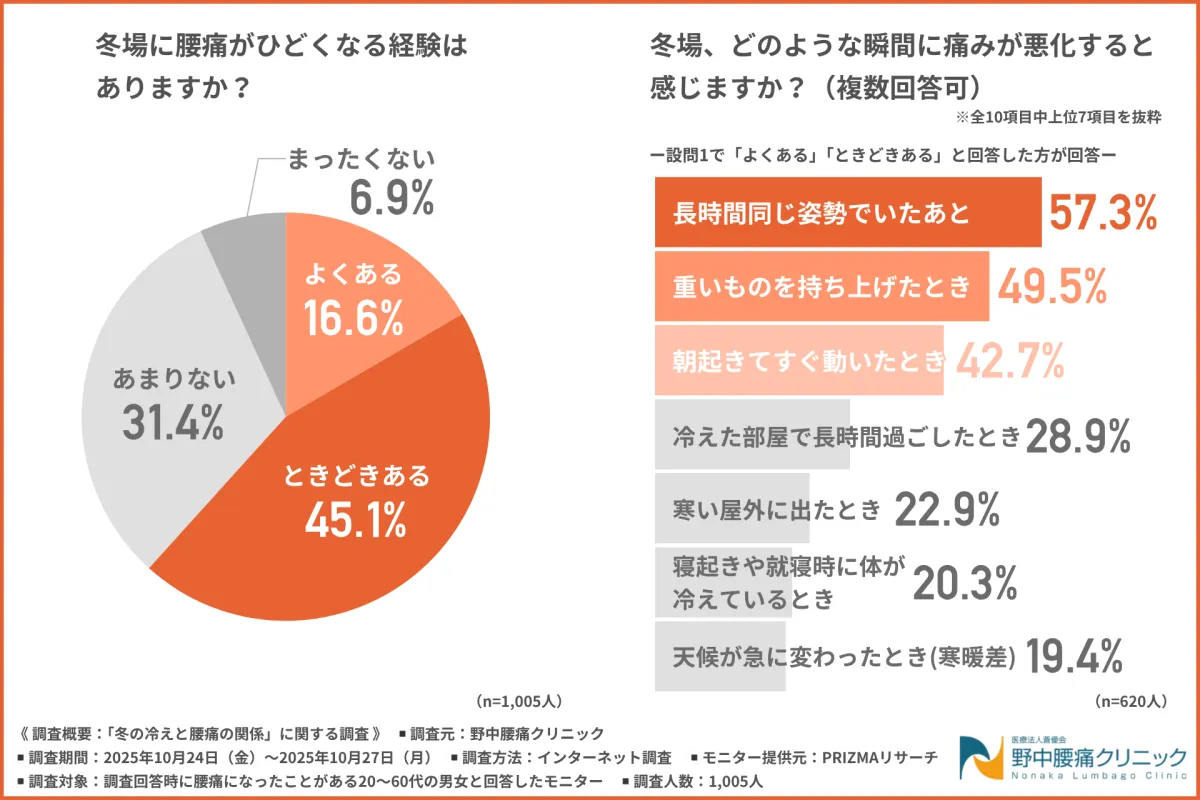
In the questionnaire, about 60% of respondents indicated that winter makes their back pain worse. The survey found that common triggers include long periods of sitting, lifting heavy objects, and the immediate moments upon waking up. These findings suggest that environmental changes, such as decreased temperature, play a significant role in the exacerbation of existing back pain symptoms.
Specific Moments of Pain
Among those who reported worsening pain in winter, the most common scenarios were:
- - Staying in the same position for long periods (57.3%)
- - Lifting heavy items (49.5%)
- - Moving immediately after waking (42.7%)
The correlation suggests that prolonged inactivity increases muscle stiffness and may hinder blood circulation, thus aggravating pain. Winter's cold temperatures are known to restrict blood flow and lead to increased muscle tension, intensifying the experience of pain, particularly when movement is resumed after inactivity.
The Association Between Cold and Pain
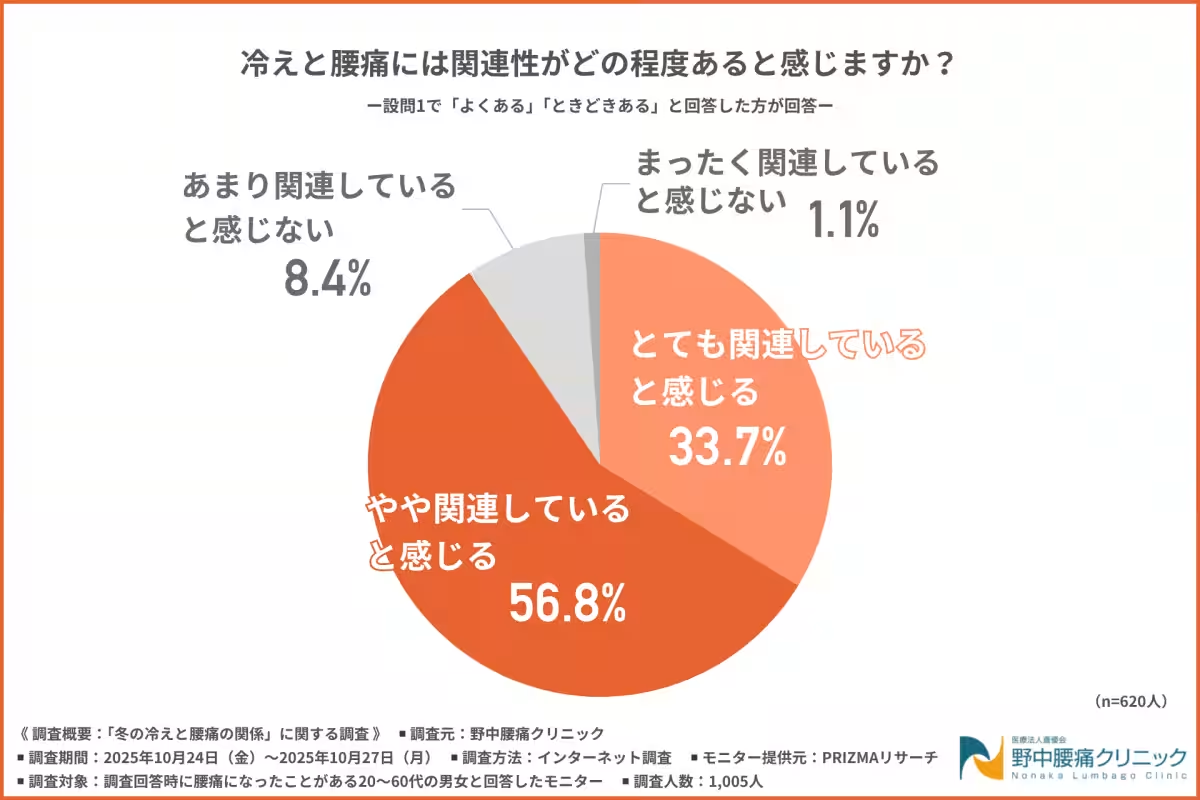
A significant finding from the survey is that nearly 90% of respondents felt that low temperatures are closely linked to their back pain. They noted that when they warm up, their pain tends to diminish. Many cited that the body's blood circulation becomes compromised in the cold, resulting in rigid muscles and increased discomfort.
Recognizing the Connection
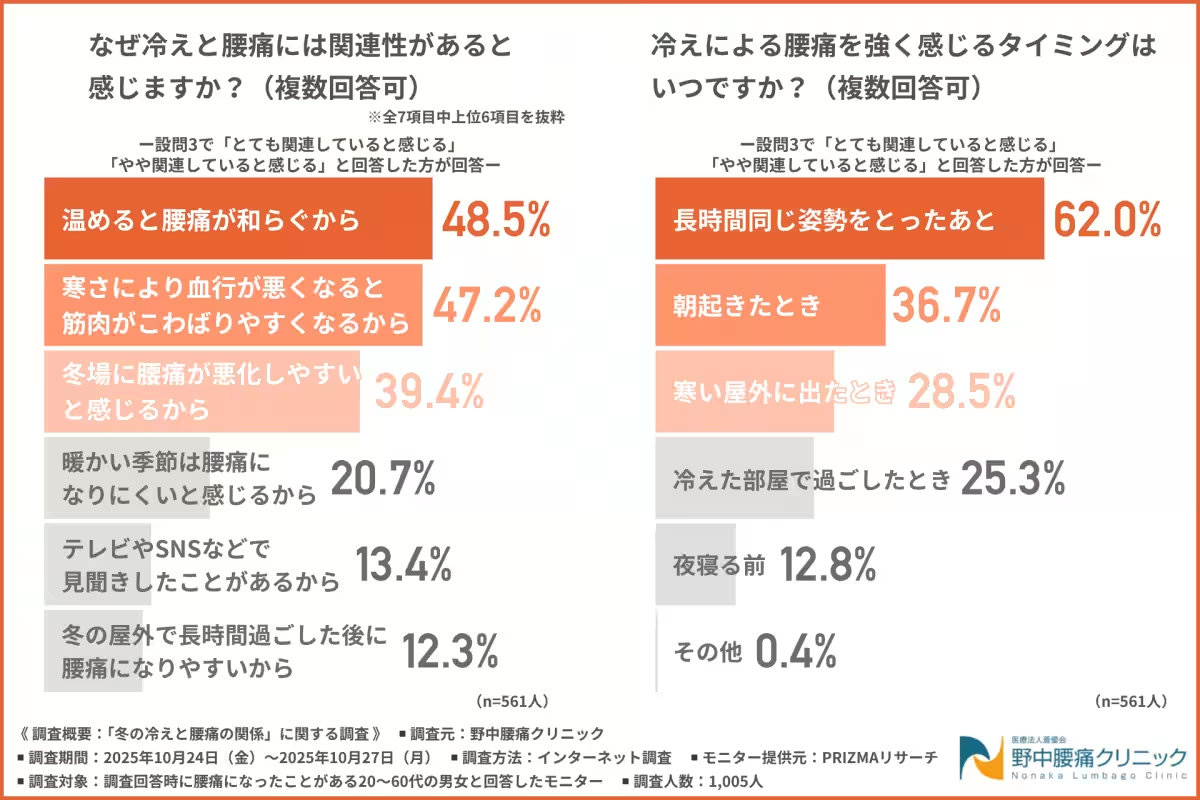
When asked why they felt a correlation between cold and back pain, respondents indicated:
- - Heating helps relieve pain (48.5%)
- - Cold conditions lead to poor circulation and increased muscle stiffness (47.2%)
- - They often experience worse pain during winter (39.4%)
The personal observations of these individuals underscore a shared understanding of the impact cold weather can have on physical comfort and mobility.
Adjusting Daily Behavior
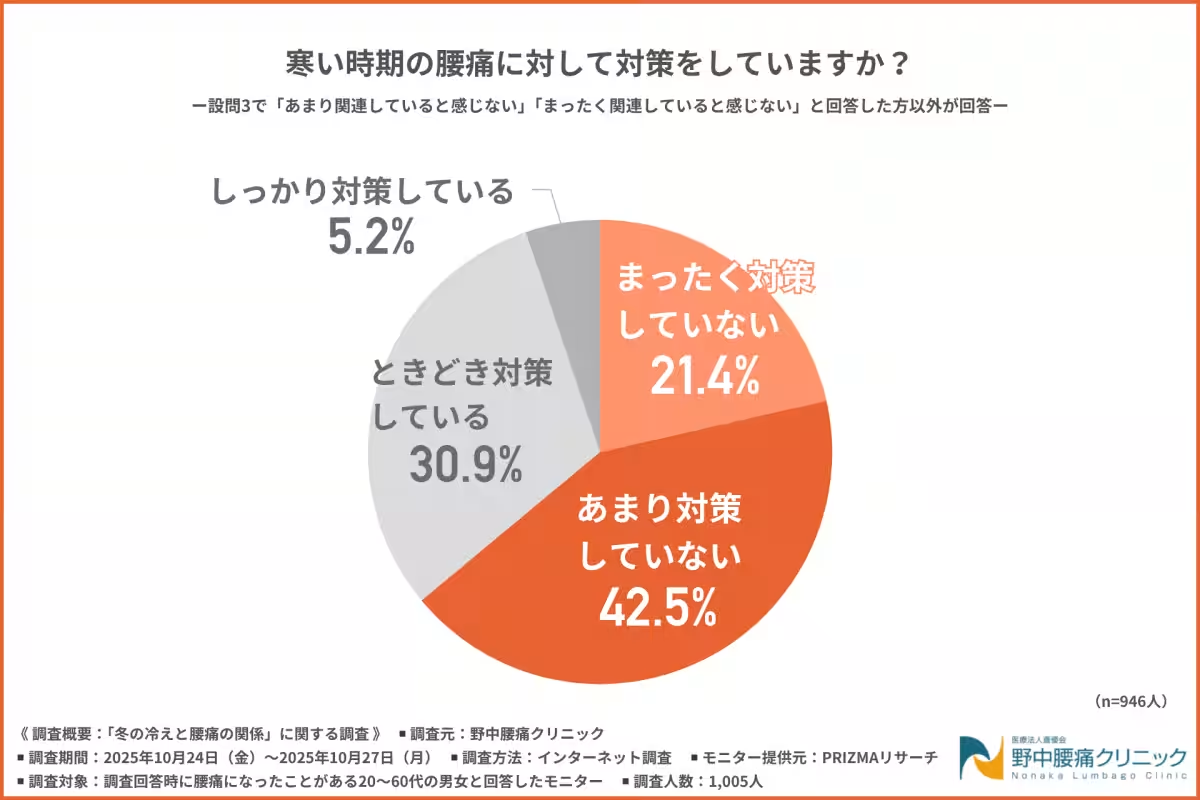
Despite recognizing the connection between cold weather and back pain, about 60% of respondents admitted they do not actively manage their symptoms during cold months. This indicates a disconnect between awareness of the problem and taking action to mitigate their risks.
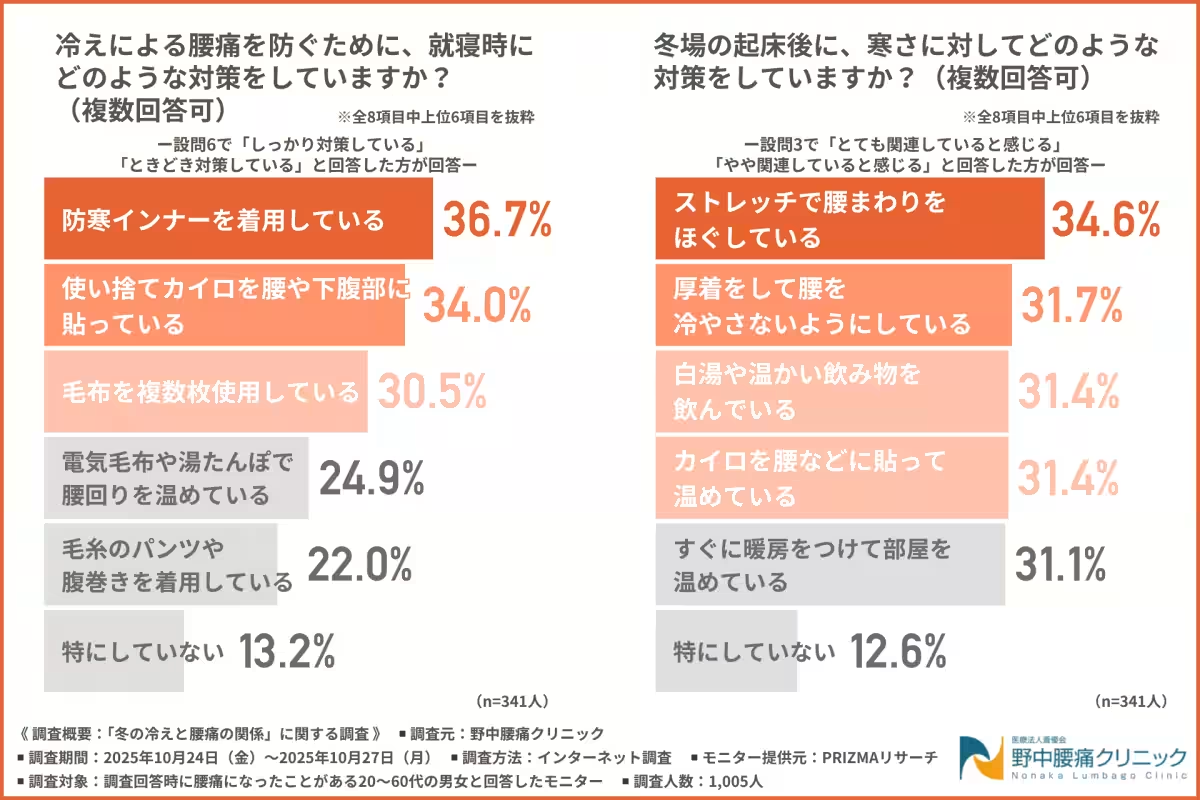
Respondents mentioned various strategies for coping with cold-related low back pain, particularly in their nightly routines:
- - Wearing thermal underwear (36.7%)
- - Using disposable heat packs (34.0%)
- - Layering blankets (30.5%)
Proactive Morning Habits
Morning routines also revealed interesting insights. Many respondents engage in activities like:
- - Stretching to loosen the lower back (34.6%)
- - Bundling up to avoid cold exposure (31.7%)
- - Drinking warm beverages (31.4%)
These behaviors indicate a collective tendency to embrace preventive measures and address pain as soon as they wake up.
The Importance of Lifestyle Adjustments
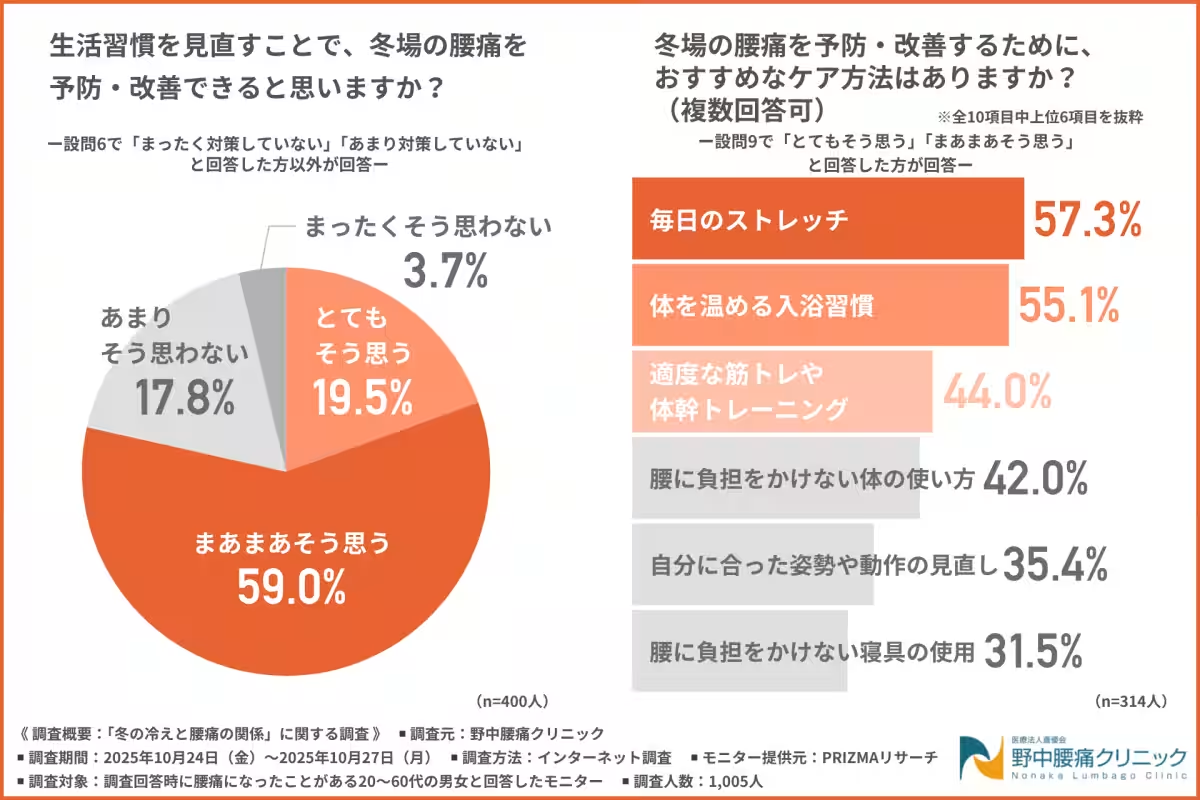
When asked about the potential for lifestyle changes to prevent winter back pain, nearly 80% of participants expressed belief in the possibility of improvement through such adjustments. Significantly, 57.3% cited daily stretching as a recommended method, followed by warmth-induced baths and regular physical activity to strengthen the core.
Conclusion
The survey sheds light on a crucial understanding of how winter influences lower back pain. While many individuals recognize cold temperatures as a contributing factor, substantial barriers prevent them from taking preventive measures. Emphasizing regular strengthening through stretching, warm baths, and gentle exercise could significantly reduce the risks associated with winter-related back pain.
It is essential for those experiencing discomfort to seek professional advice to uncover personalized strategies for their situation. By combining self-care with expert support, individuals can effectively mitigate the impact of winter on their back health.
For those in need of specialized treatment, the Nonaka Low Back Pain Clinic offers non-invasive, outpatient options for back pain treatment, ensuring that individuals can return to their daily lives quickly. With locations in Osaka and Tokyo, their expert team is dedicated to facilitating recovery without the need for surgeries that lead to extended hospital stays.
Contact Nonaka Low Back Pain Clinic
For more information on treating back pain, visit Nonaka Clinic or contact their offices in Osaka or Tokyo to book your consultation. Take control of your back pain this winter and embrace a more comfortable life.
Topics Health)
【About Using Articles】
You can freely use the title and article content by linking to the page where the article is posted.
※ Images cannot be used.
【About Links】
Links are free to use.