



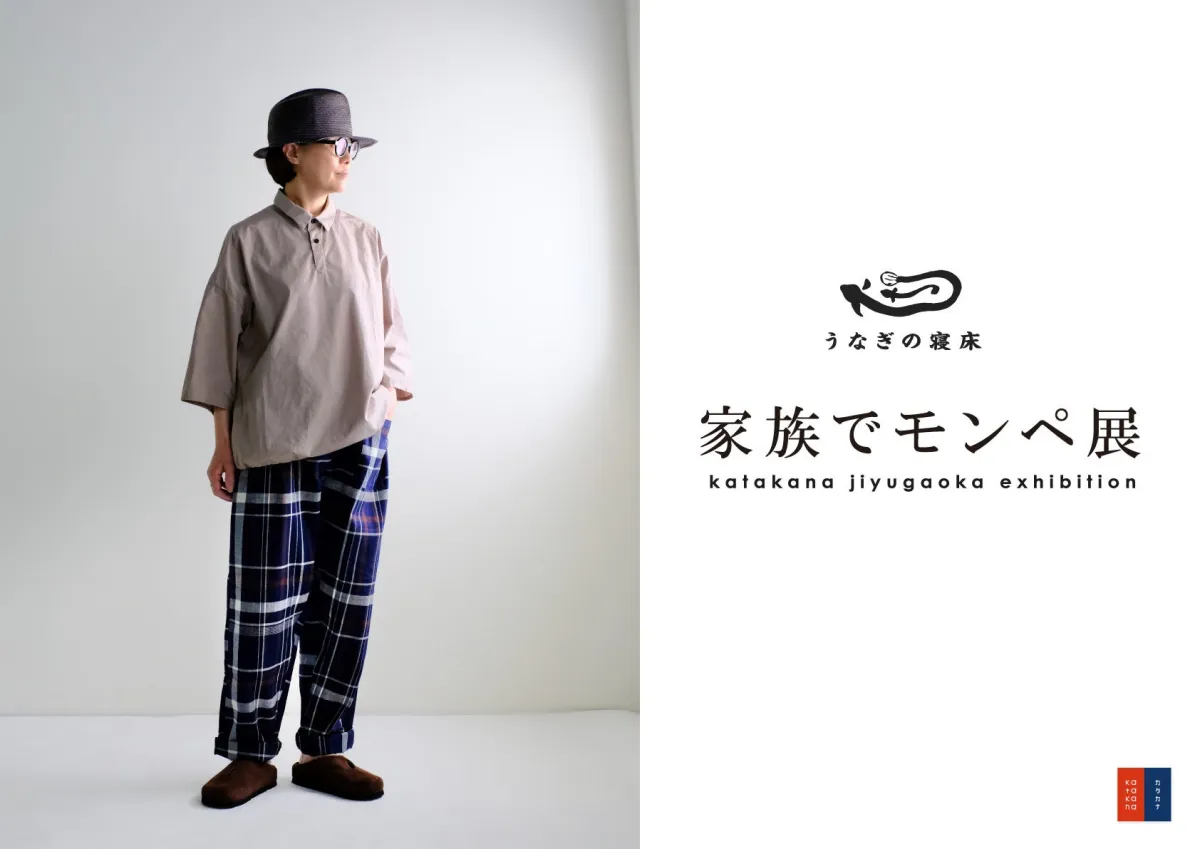
Discover Comfort in the Heat with the Family MONPE Exhibition in Jiyugaoka
Embrace Summer Comfort: Family MONPE Exhibition
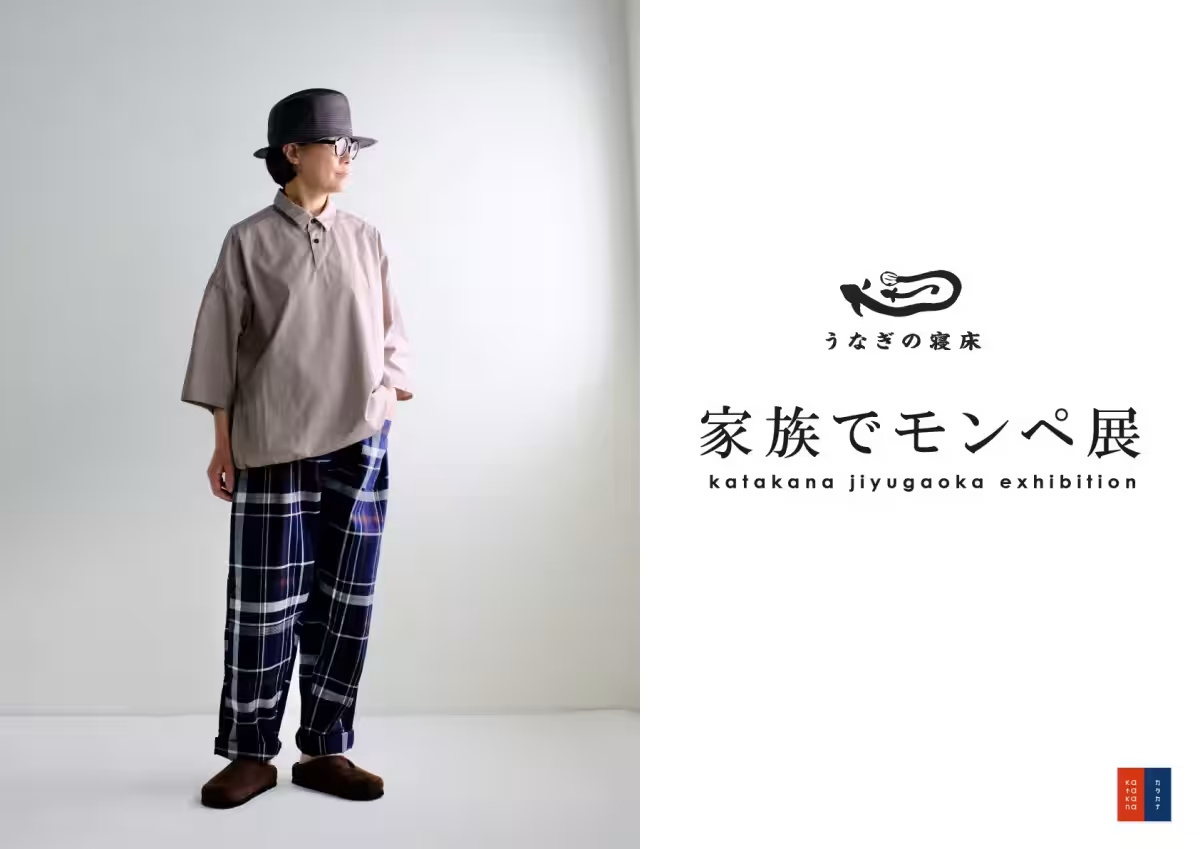
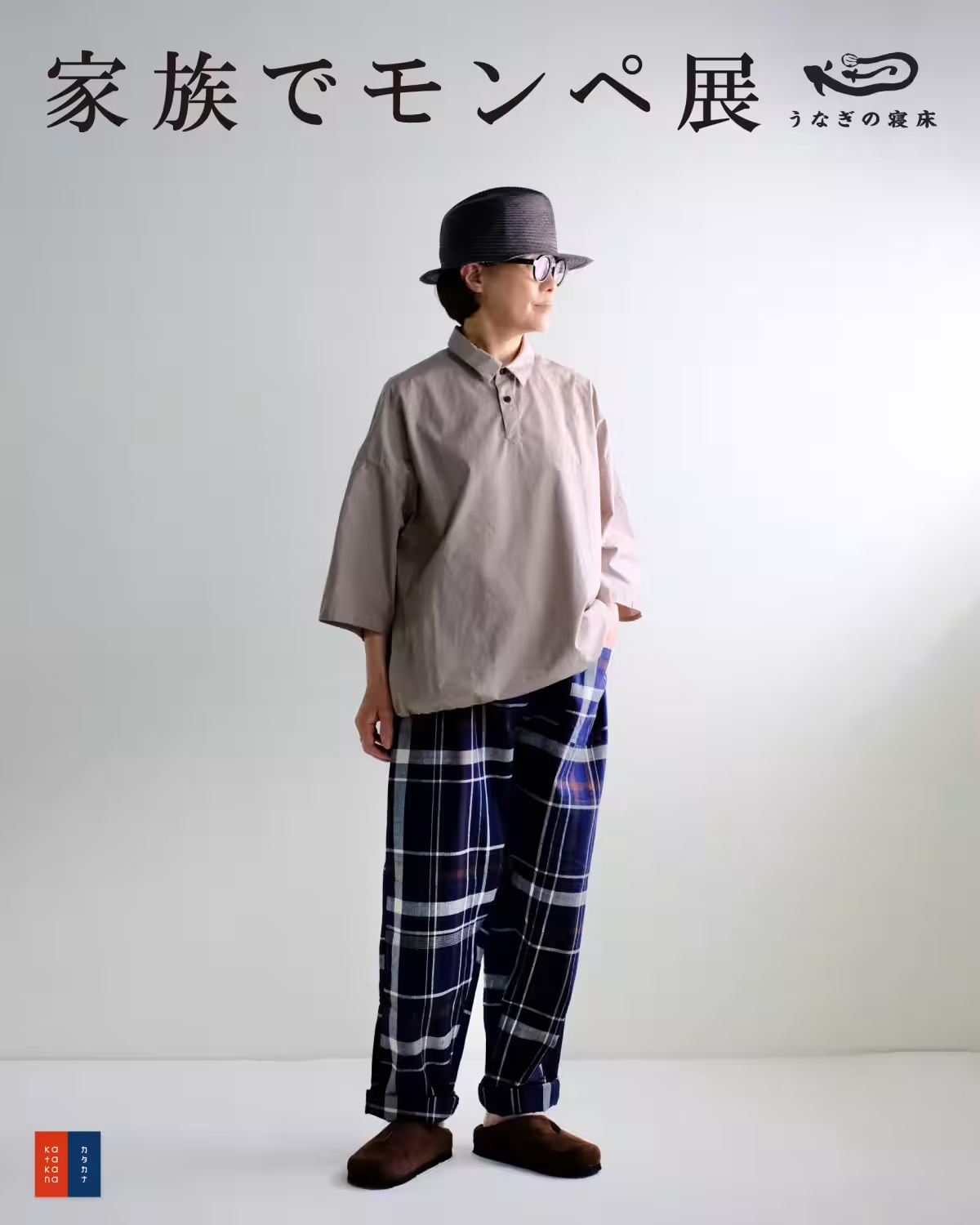
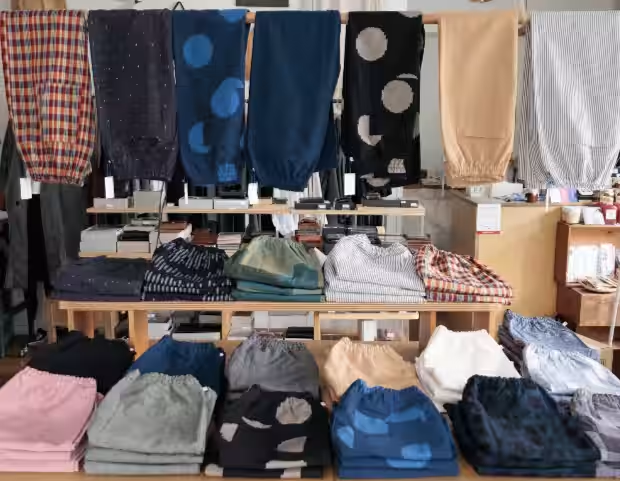
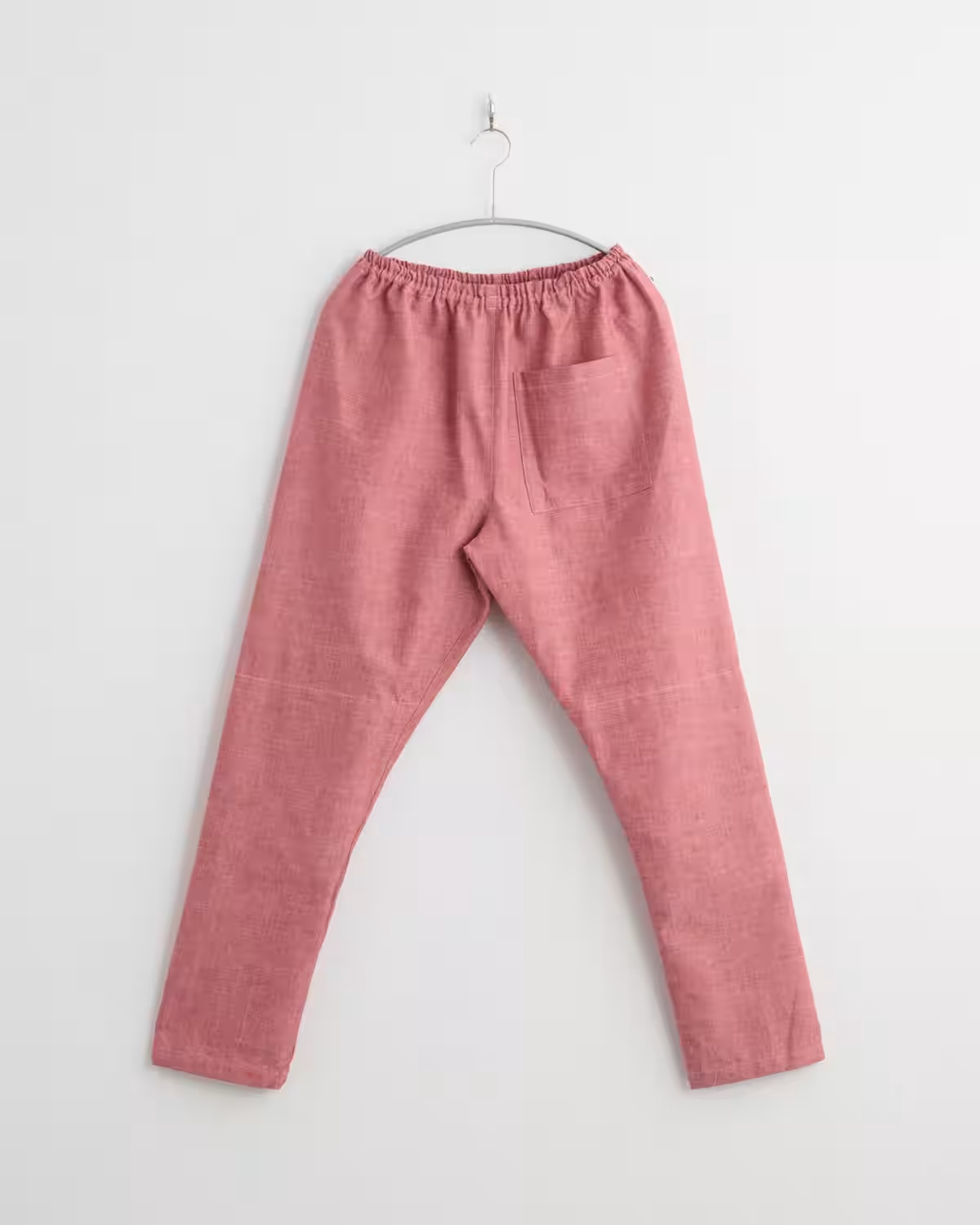
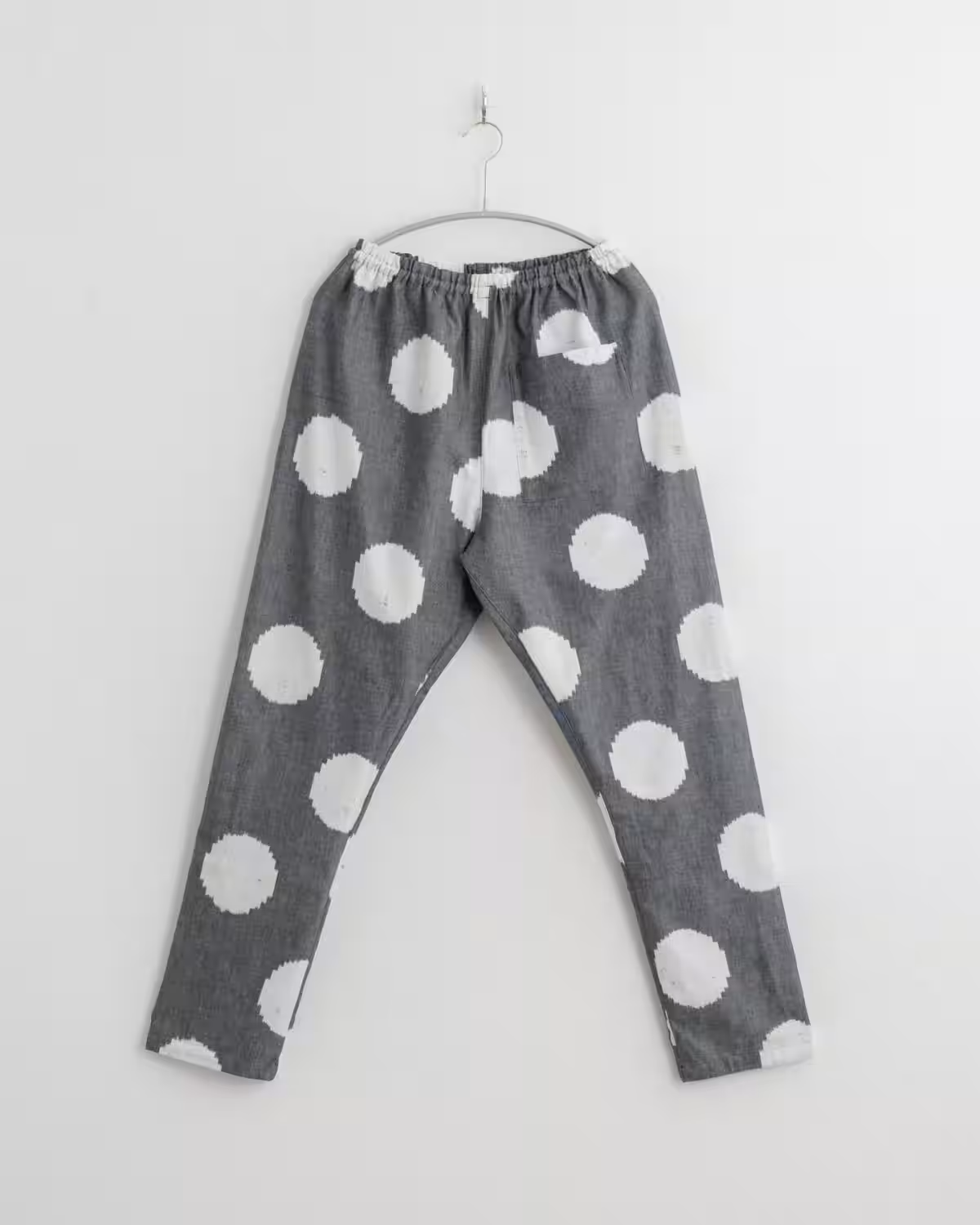
As Japan faces increasingly severe summer heat, a unique solution to stay comfortable is on the horizon. From May 29 to July 16, katakana will host the Family MONPE Exhibition at its Jiyugaoka store, showcasing a total of 74 varieties of MONPE. This beloved annual event, which began in 2018, will feature 58 classic MONPE designs by Unagi no Nedoko and 16 special collaboration models designed exclusively for this exhibit. Visitors are invited to explore how these traditional garments cater to modern needs for comfort and style in the sweltering heat.
What are MONPE?
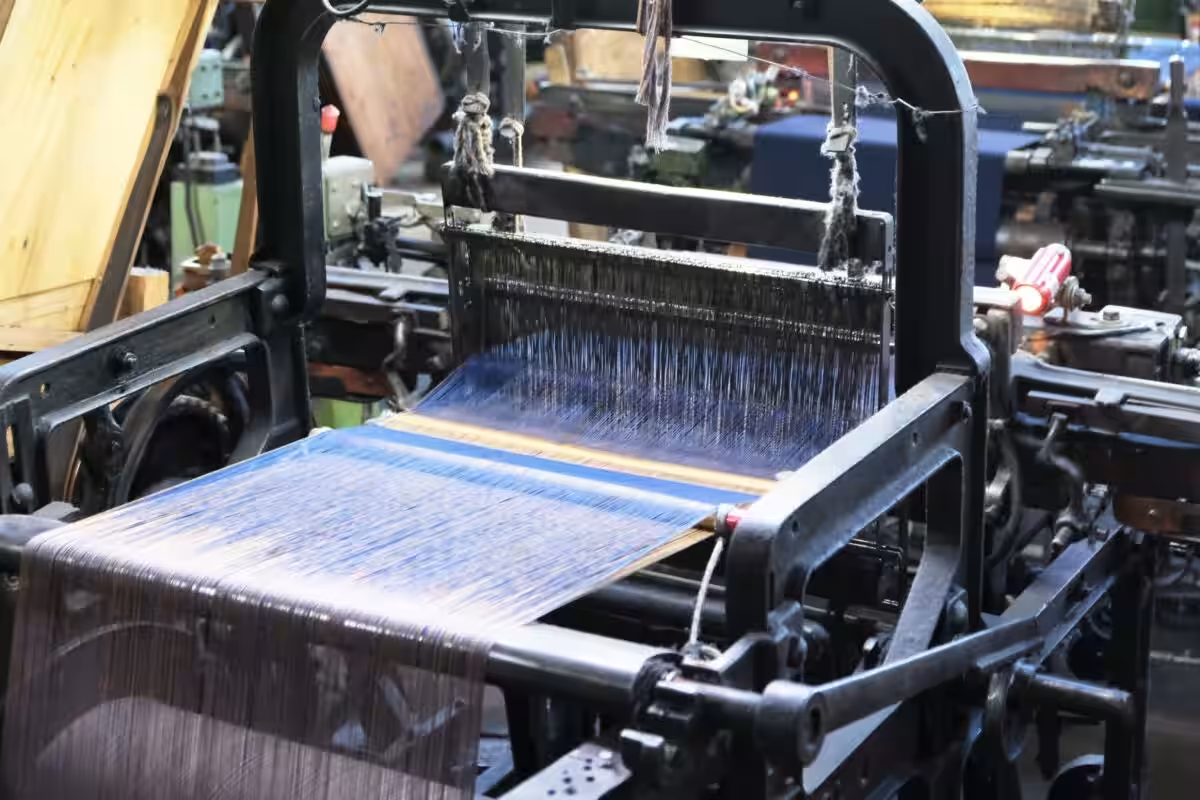
MONPE, known as traditional Japanese workwear, has been cherished for its practicality, especially during hot summer months. Crafted from Kurume Kasuri, a textile originating from southern Fukuoka Prefecture, MONPE is characterized by its loose-fitting design that allows for excellent airflow. This unique shape ensures that wearers remain cool and comfortable while appreciating the utility that MONPE provides.
A Cultural Heritage
Beyond their functionality, MONPE carry the rich history and craftsmanship of Japanese culture. Traditionally used by farmers, these garments are now revitalized as stylish everyday wear. The breathable cotton fabric of Kurume Kasuri ensures that wearers can enjoy both comfort and a connection to Japan's textile heritage. This blend of function and tradition makes MONPE a delightful choice for various occasions, whether at home or on outdoor adventures.
A Contemporary Twist
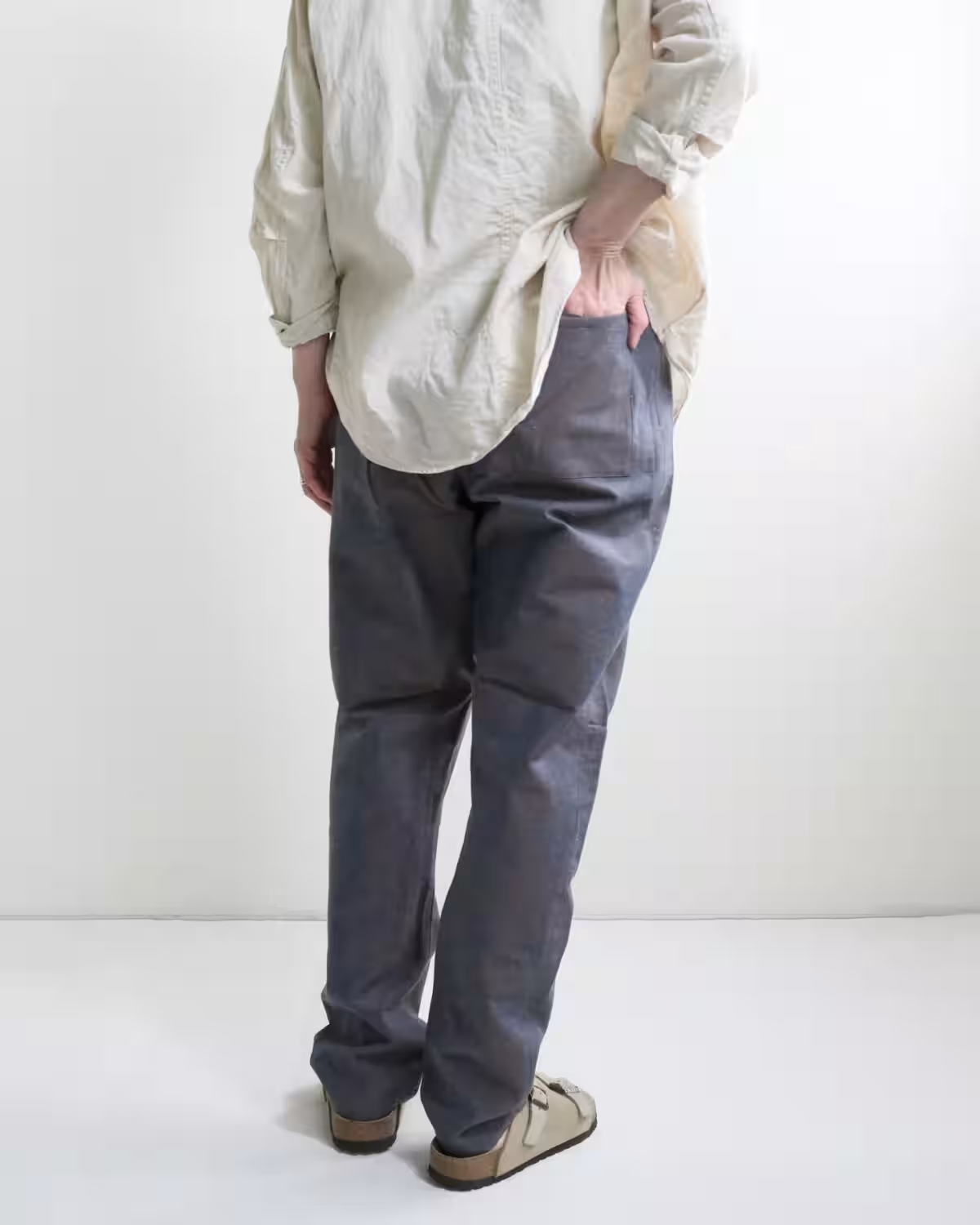
In recent years, perceptions of MONPE have shifted. No longer just regarded as traditional workwear, they have assimilated into contemporary fashion. The modern-day consumer appreciates the relaxed silhouettes that come with MONPE, making them even more versatile and easy to style.
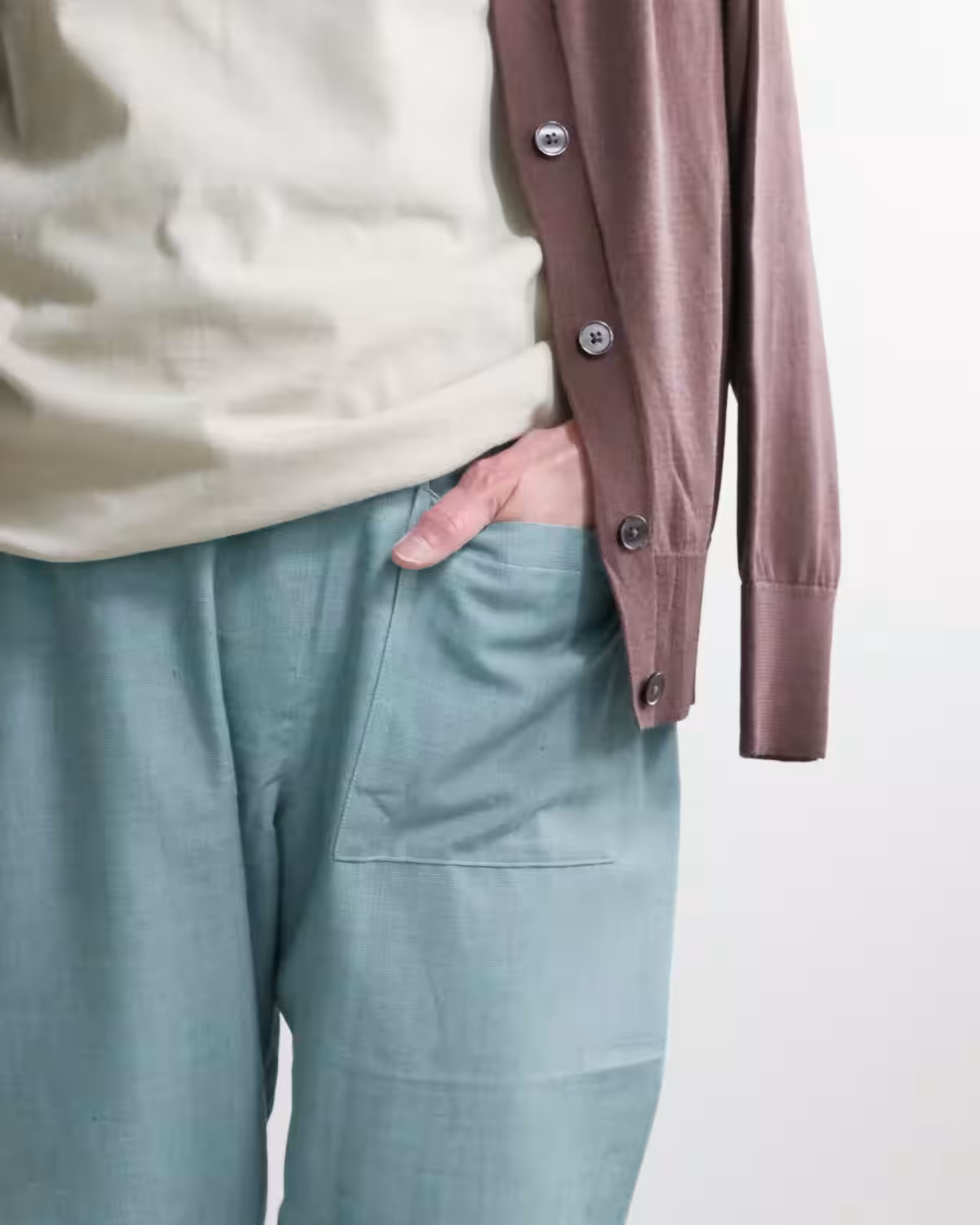
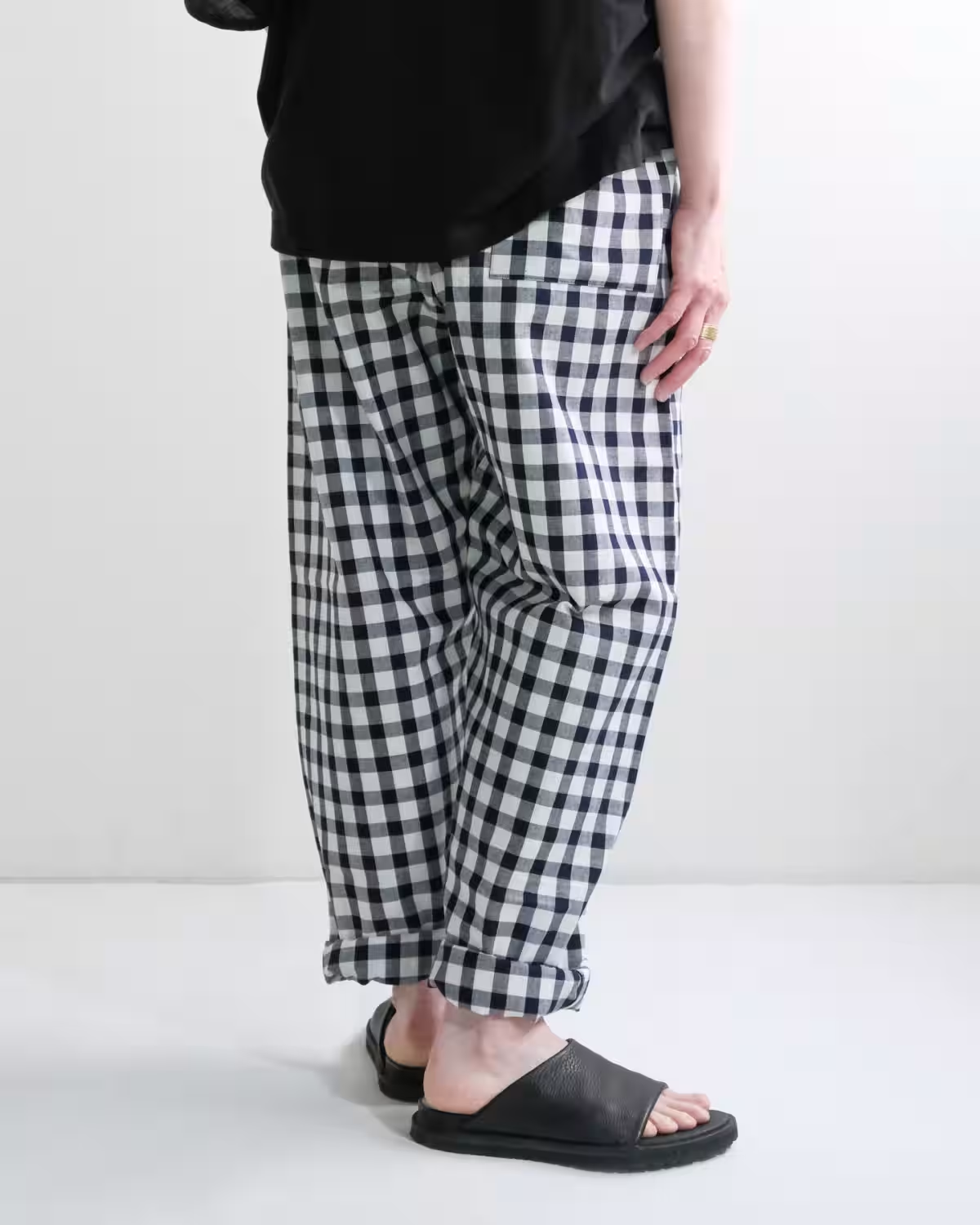
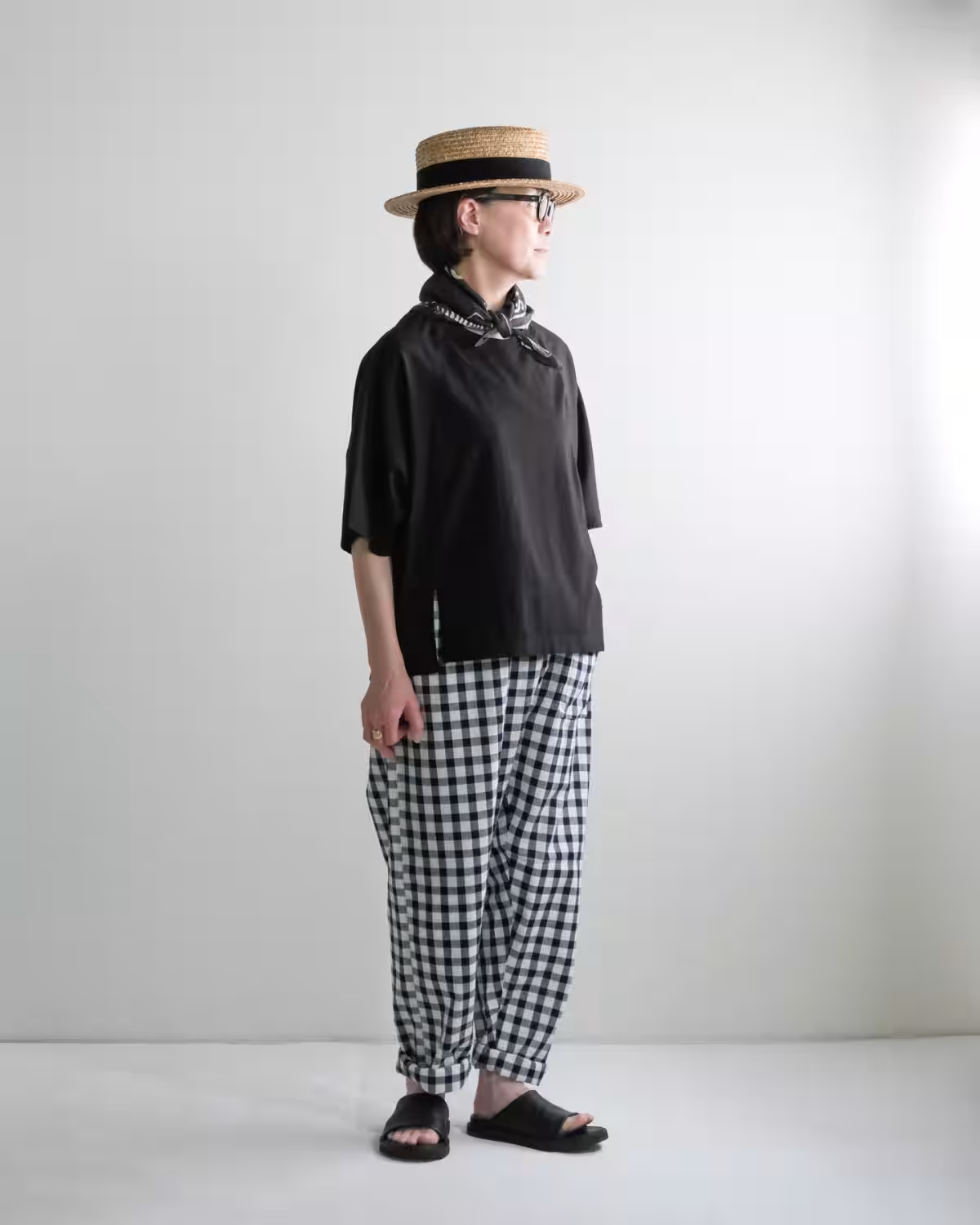
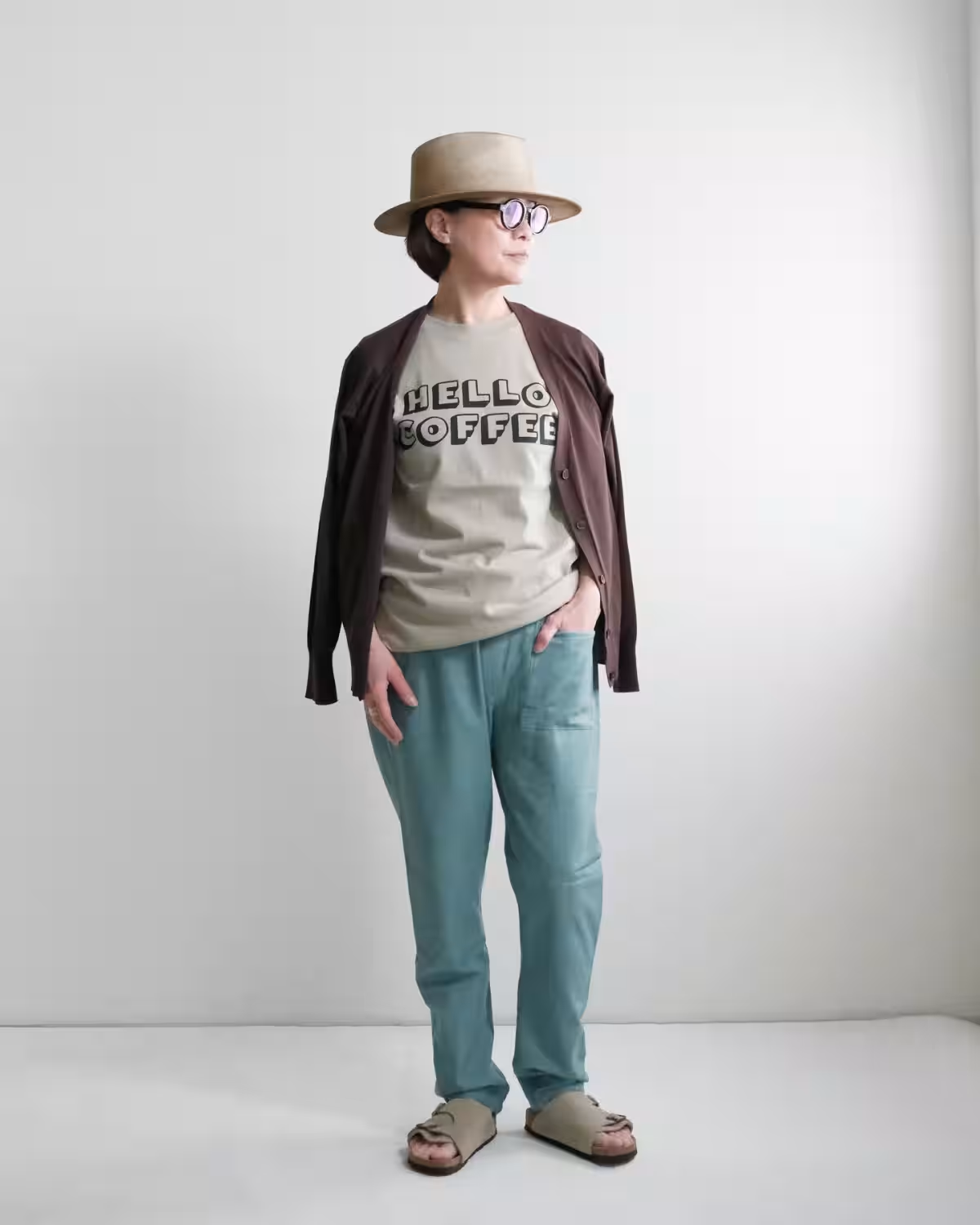
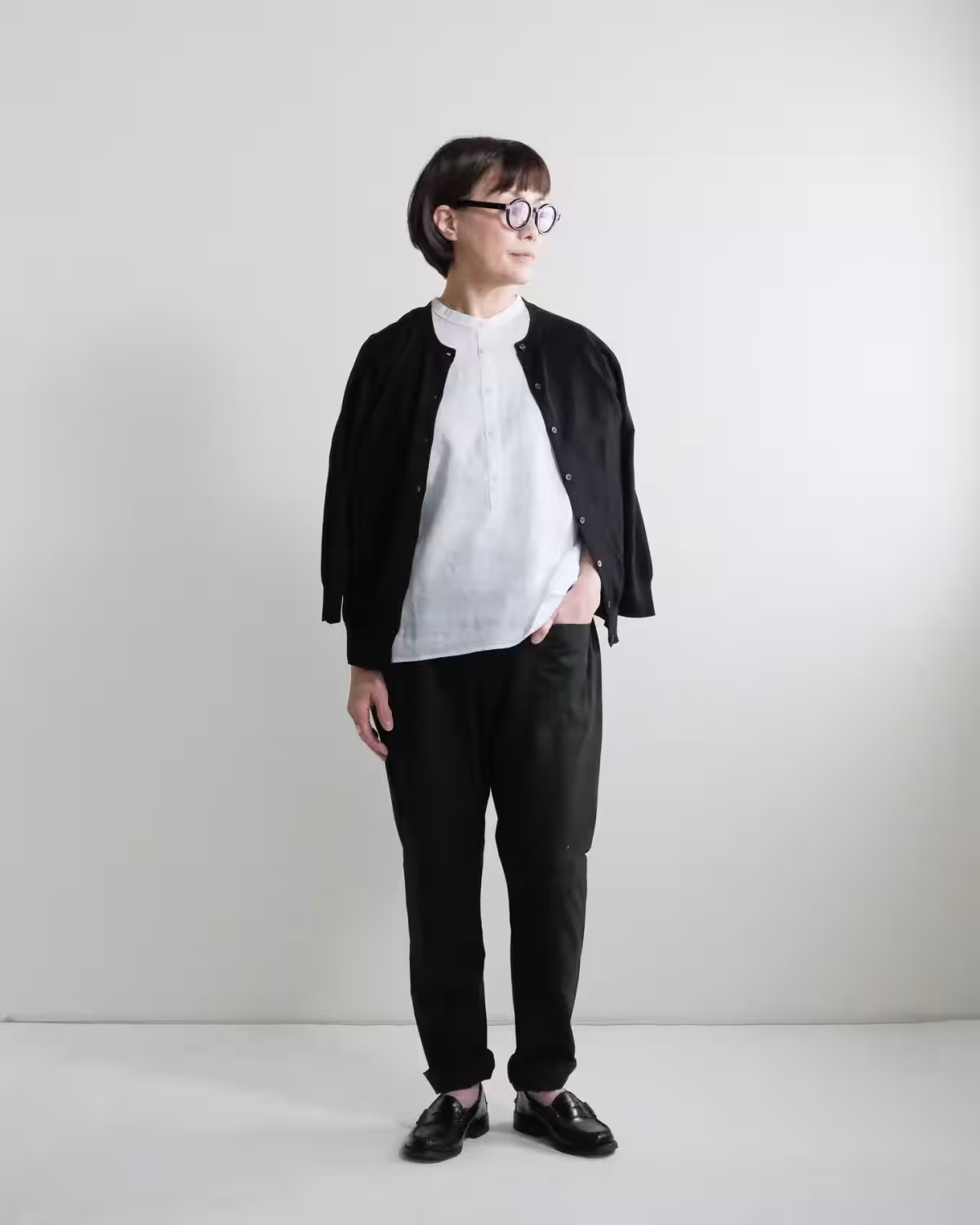
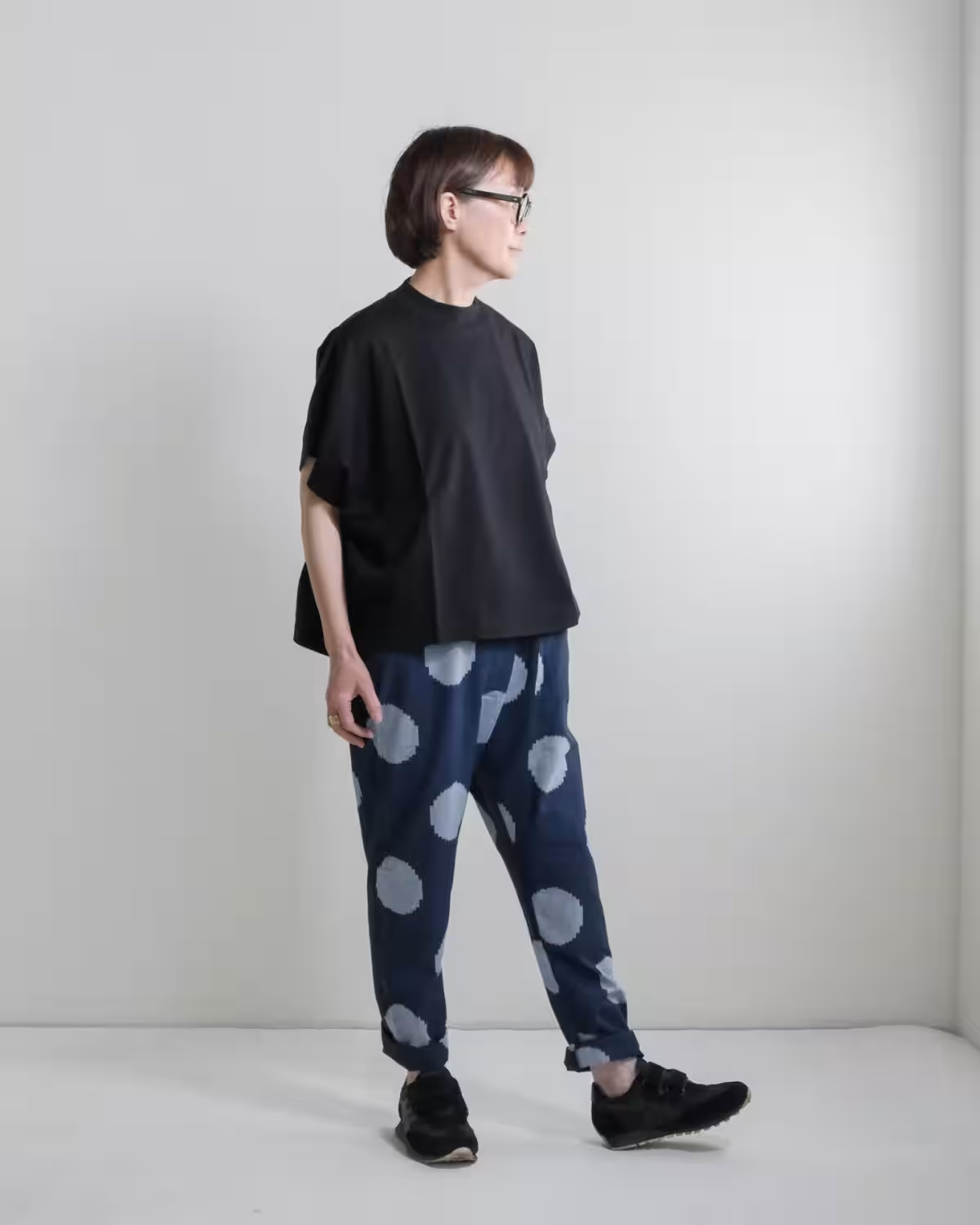
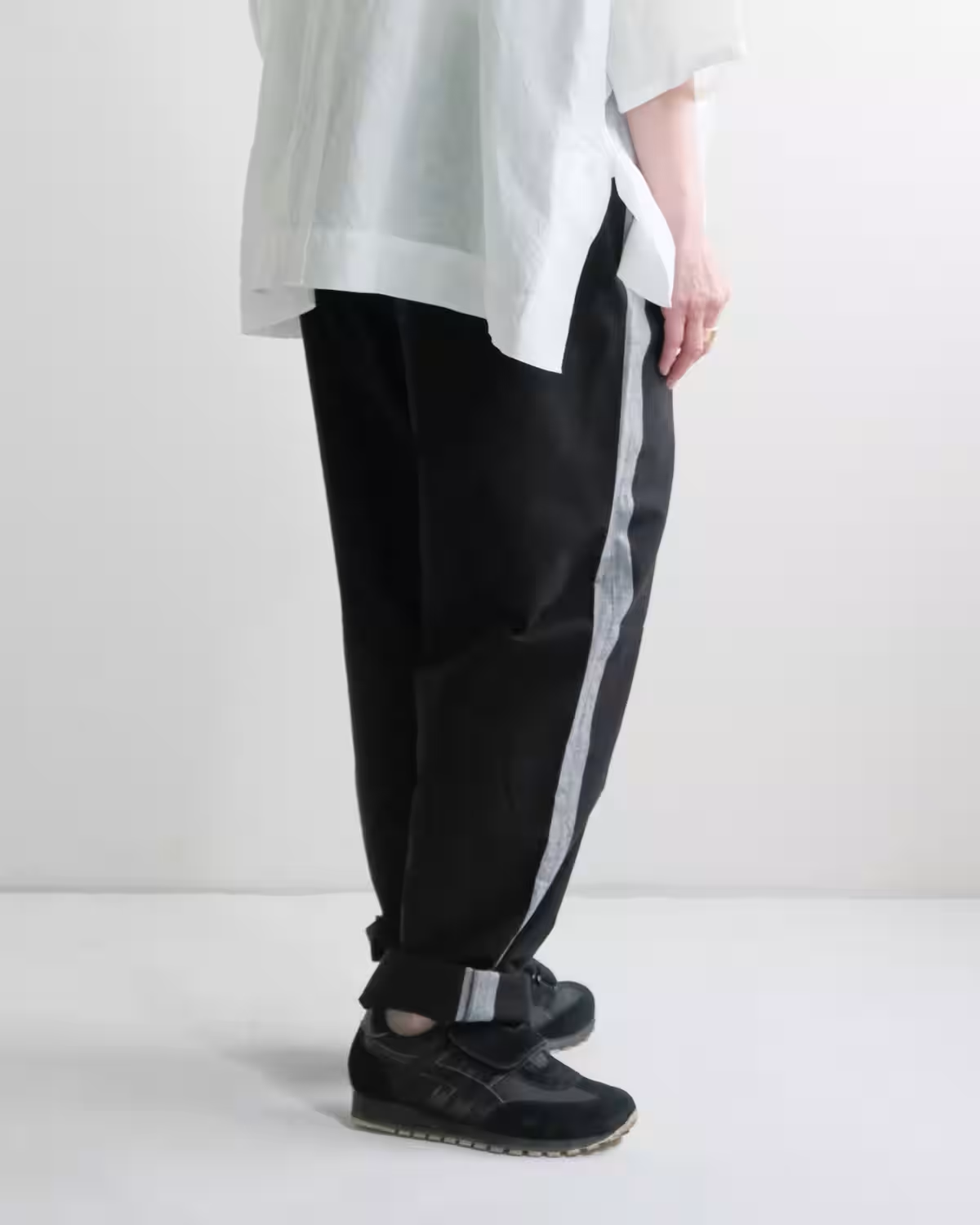
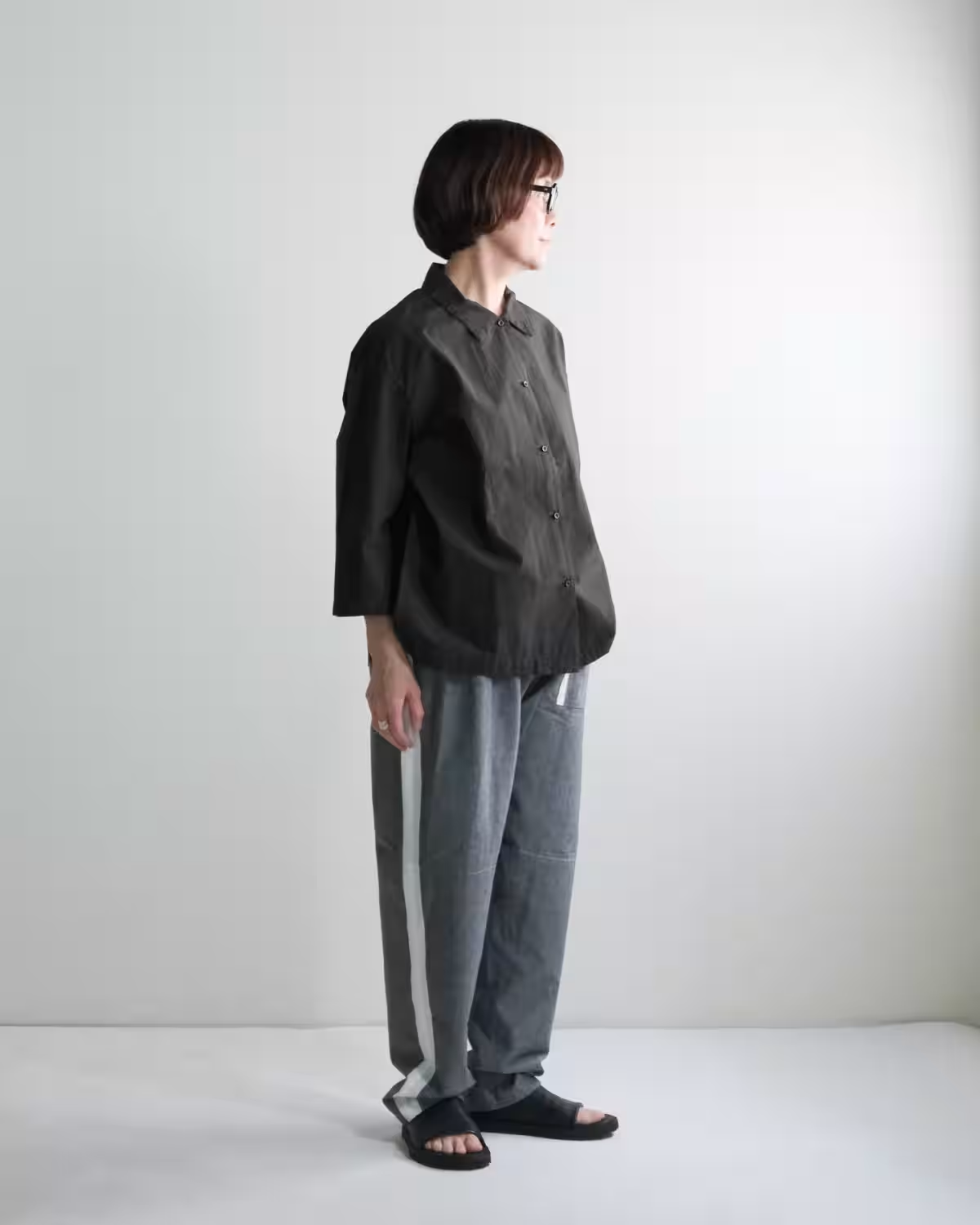
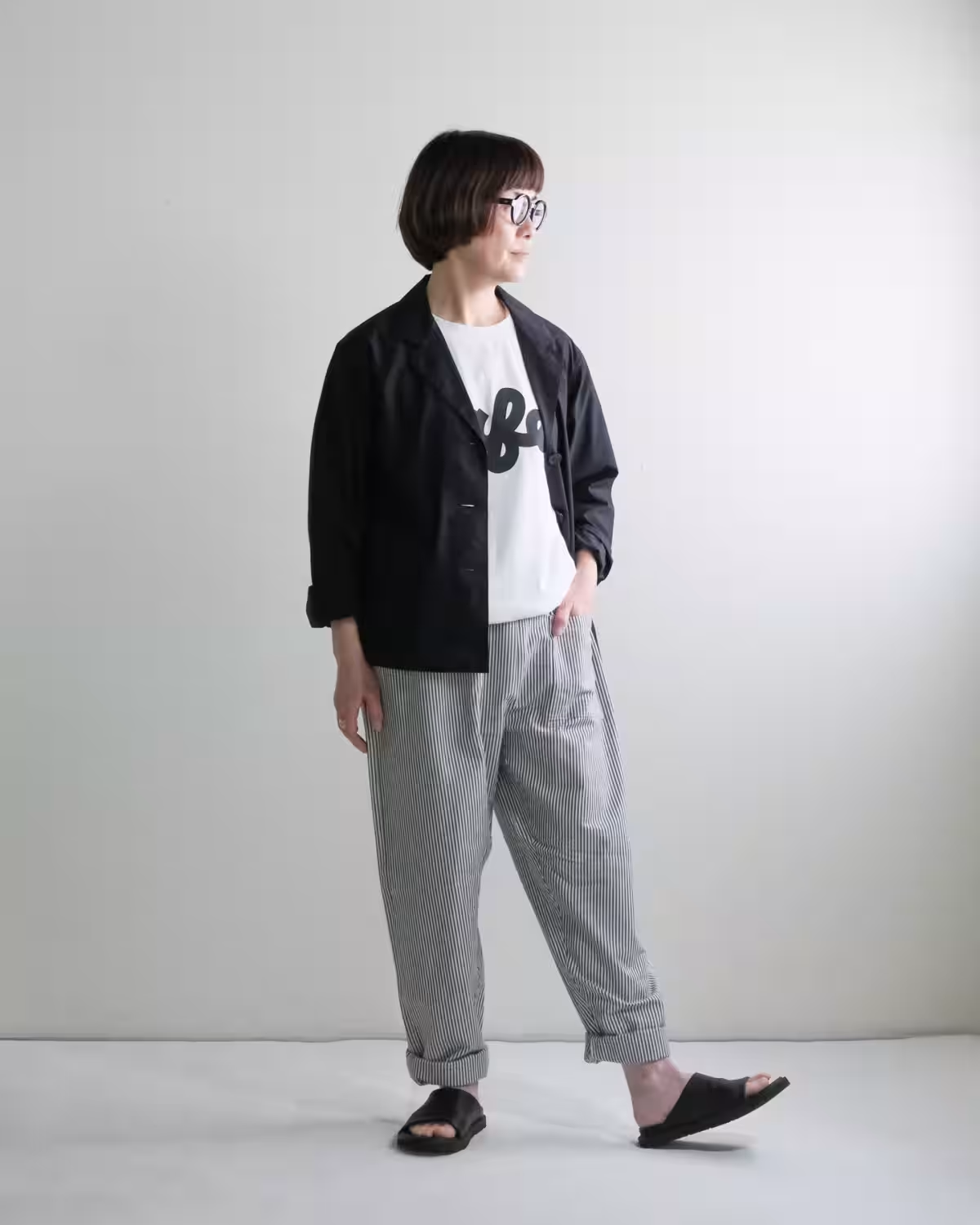
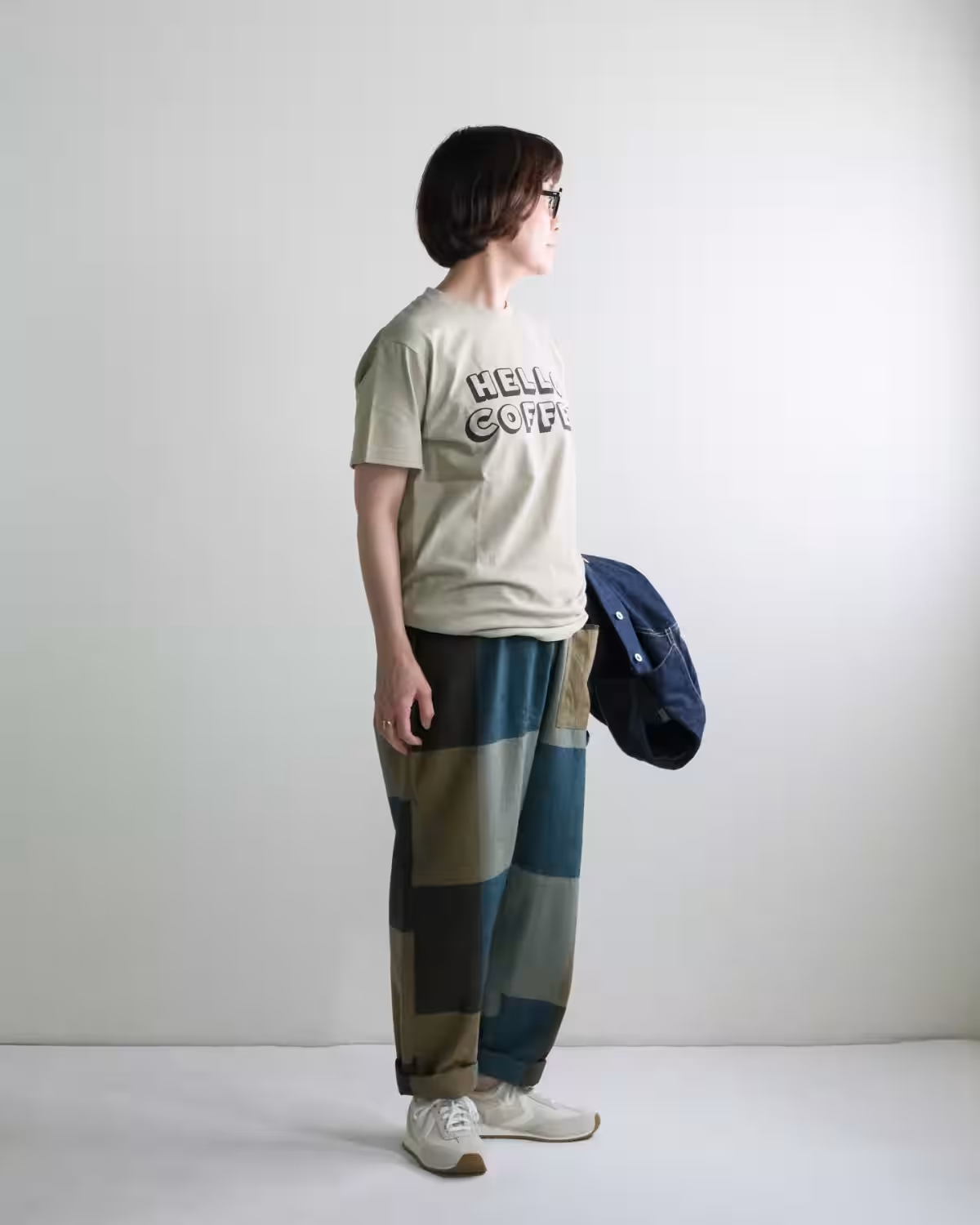
Farmers MONPE, curated by Unagi no Nedoko, exemplifies this evolution with its wide-cut design that fits seamlessly within modern wardrobes. These garments blend effortlessly with daily staples like t-shirts or casual shirts, and their subdued patterns make them accessible to all ages and genders.
Exclusive Models and Designs
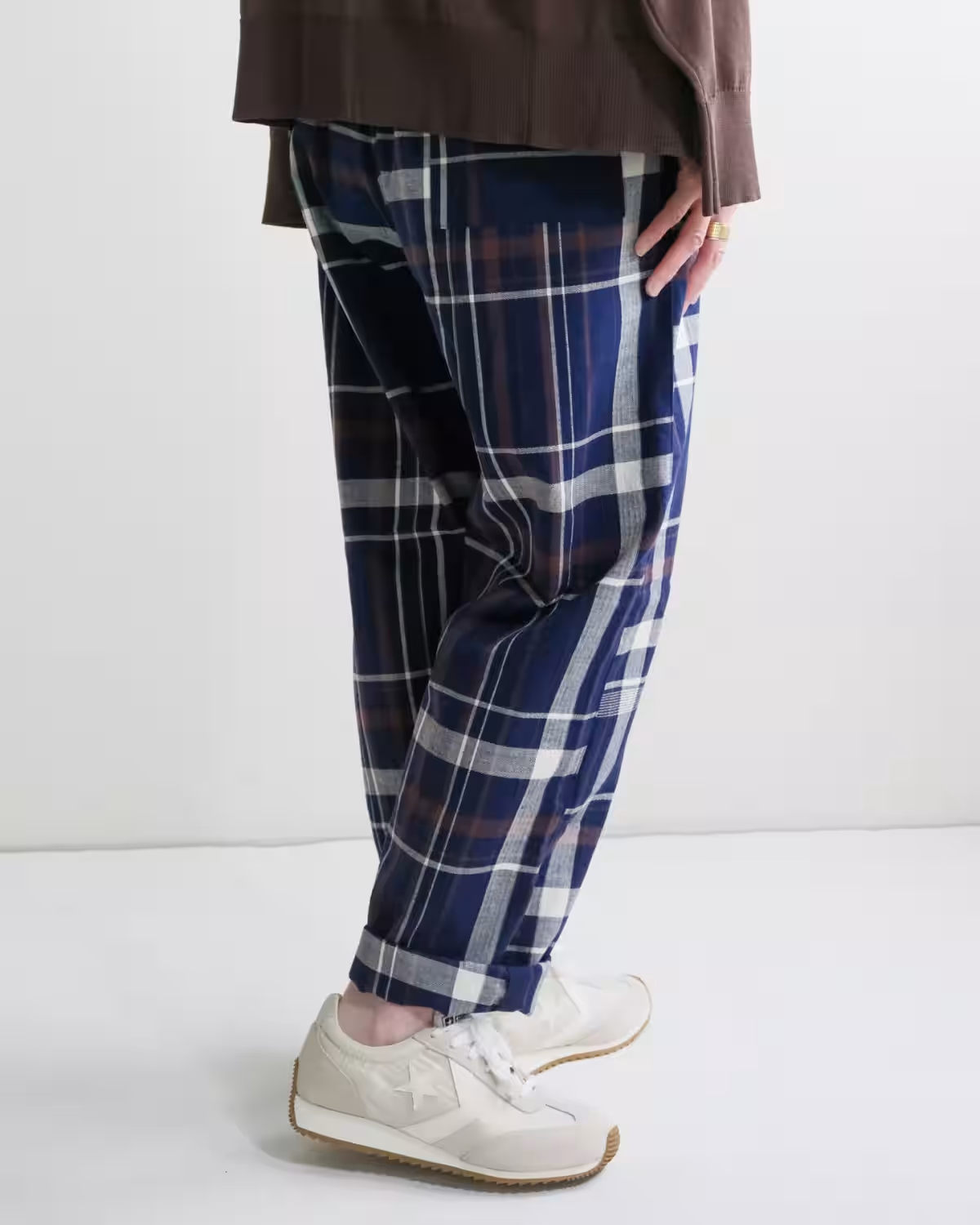
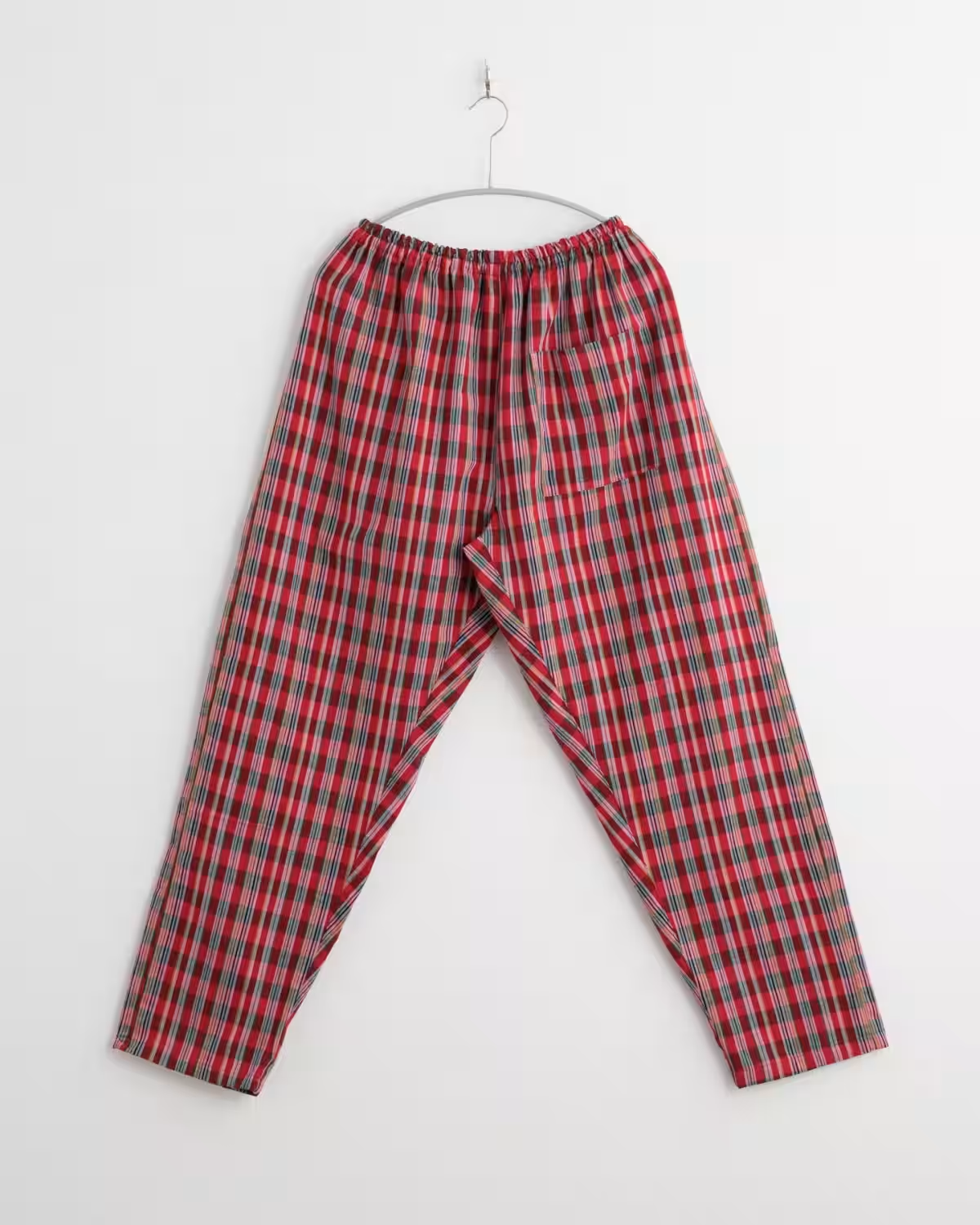
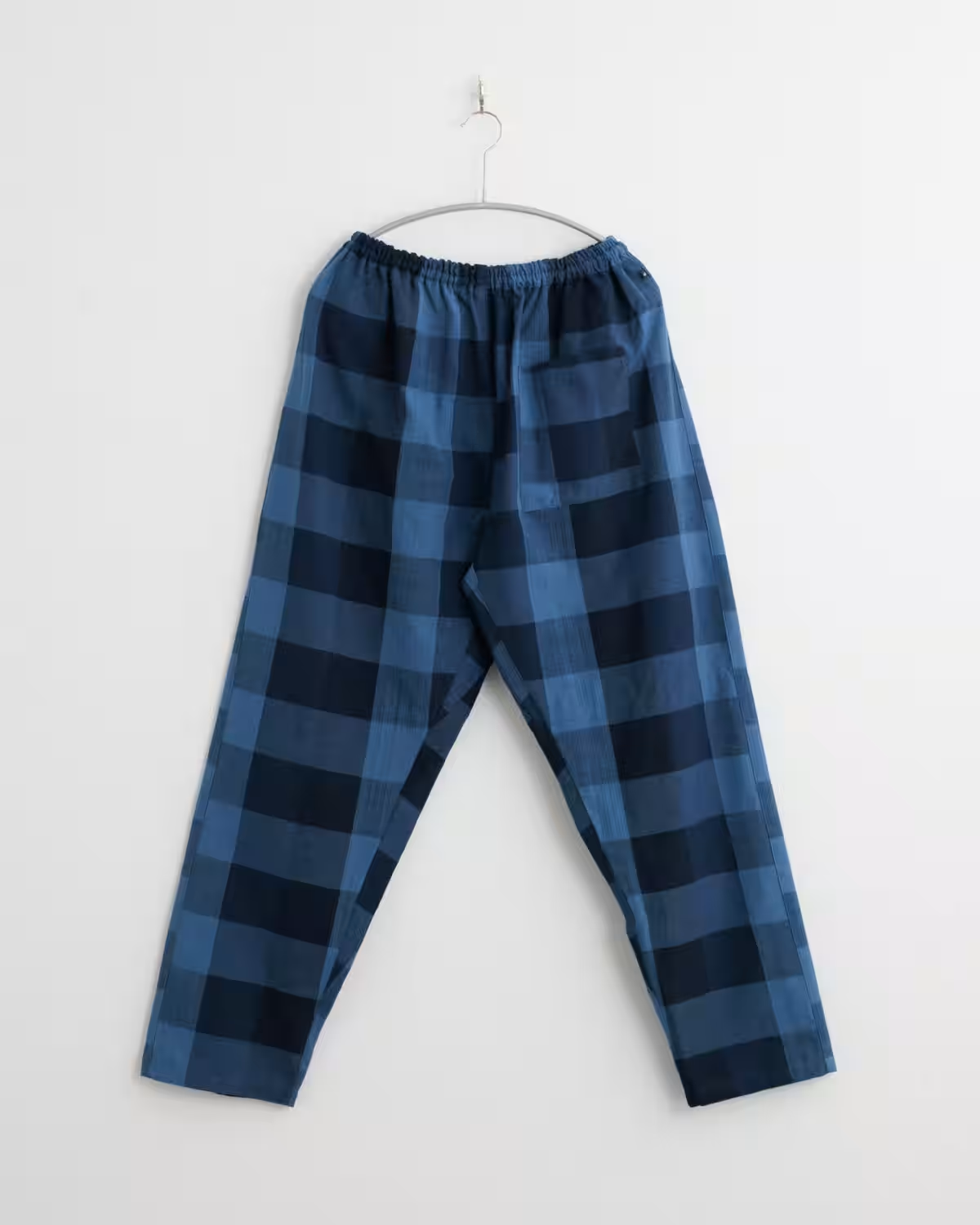
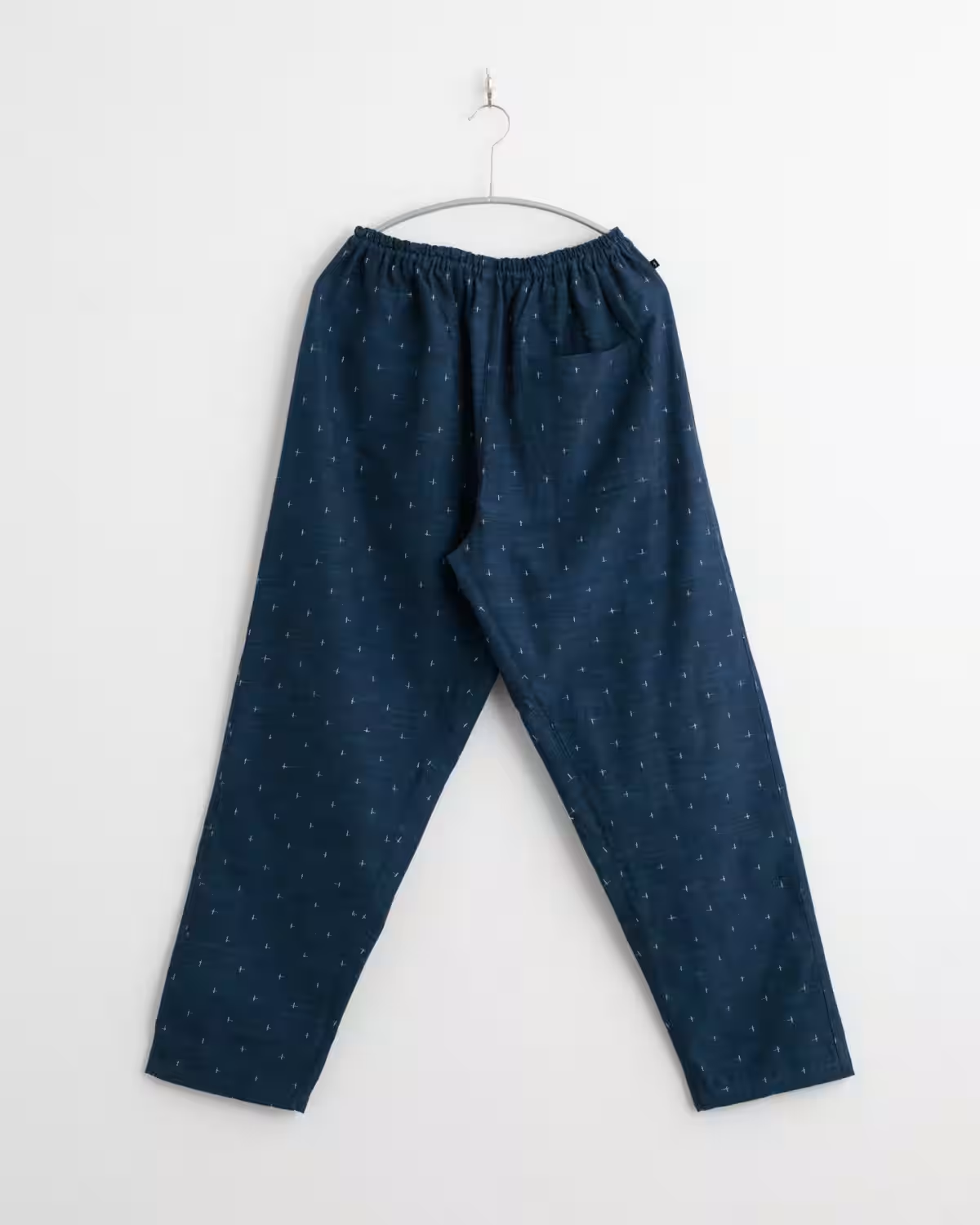
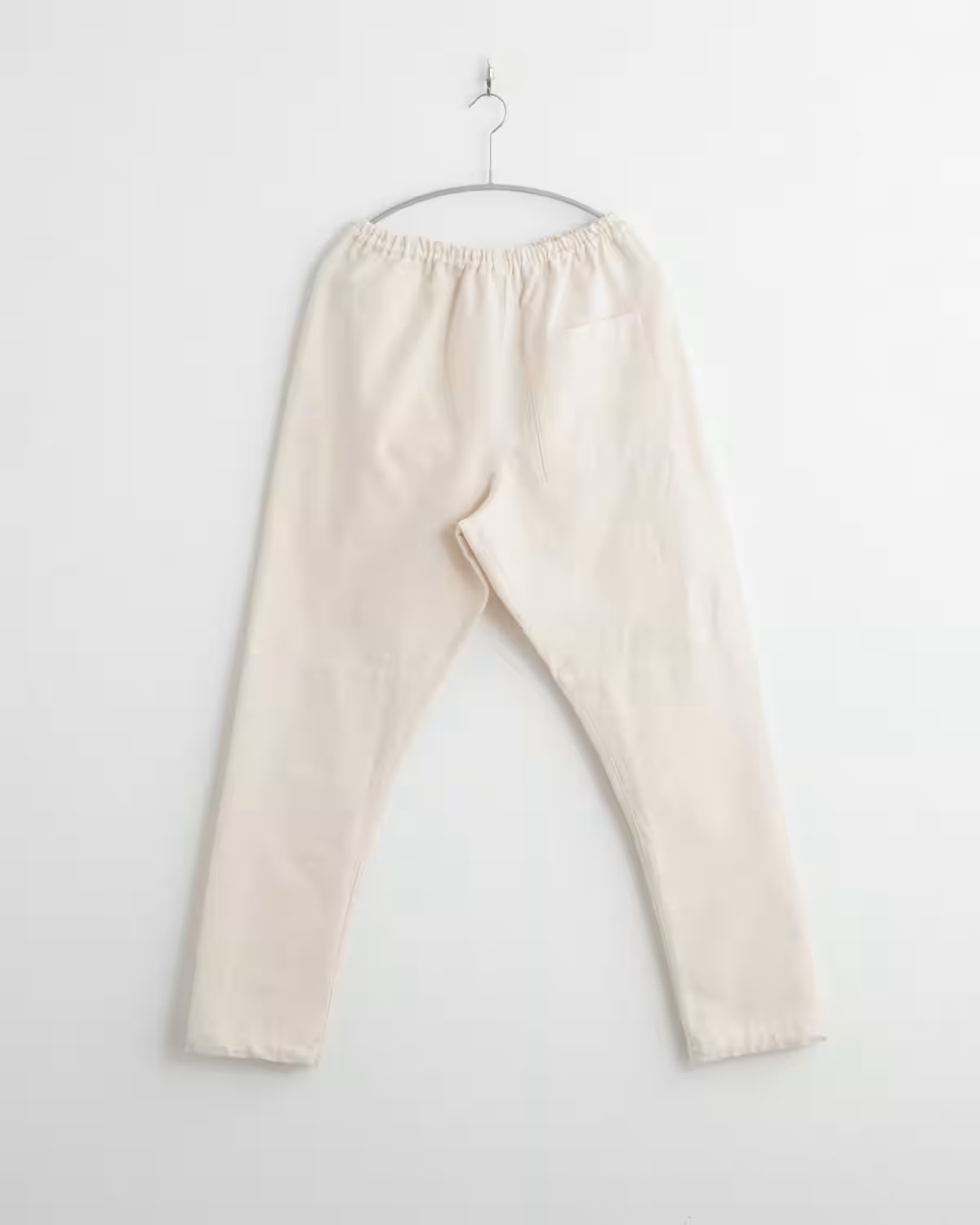
This year, attendees can look forward to 16 unique collaborative models that push the boundaries of traditional MONPE. The owner of katakana draws from over two decades of experience in the apparel industry to select patterns that reflect contemporary tastes while retaining the original charm of MONPE. Visitors will find an array of check patterns that have been especially popular, allowing for endless styling possibilities.
- - Pattern Highlights:
- Madras check in Shimbashi blue
- Dark khaki solid color
- Indigo check with side lines
Enjoying the Heat
The Family MONPE Exhibition invites guests to rethink how they handle the summer heat. Rather than enduring uncomfortable temperatures, attendees will learn about innovative approaches to dressing that have developed through generations in Japan. The MONPE garments presented serve as an example of how to celebrate heritage while achieving comfort during scorching summer days.
For those seeking an alternative to the conventional summer wardrobe, this exhibition promises an opportunity to experience MONPE firsthand.
Event Details
- - Dates: May 29, 2026 – July 16, 2026
- - Location: katakana, Jiyugaoka Store (1st Floor, Daiichi Wachibi Building, 5-20-21 Okusawa, Setagaya, Tokyo)
- - Hours: 11:00 AM – 7:00 PM (Closed on Tuesdays)
- - Online Store: katakana.shop-pro.jp
About katakana
Katakana is dedicated to showcasing Japan's beautiful cultural assets and craftsmanship. The brand curates an array of traditional crafts, local specialties, stationery, and clothing. The company manages various platforms, from its Jiyugaoka store to its online shop, continuously evolving its offerings with seasonal collections and frequent exhibitions.
For more inquiries or to book interviews, please contact Junichi Kawano, the representative of katakana, at 03-5731-0919 or via email at [email protected].
Engage in the richness and comfort of Japanese clothing this summer at the Family MONPE Exhibition, and bring home more than just a garment—take home a piece of Japanese culture.
Topics Consumer Products & Retail)
【About Using Articles】
You can freely use the title and article content by linking to the page where the article is posted.
※ Images cannot be used.
【About Links】
Links are free to use.