



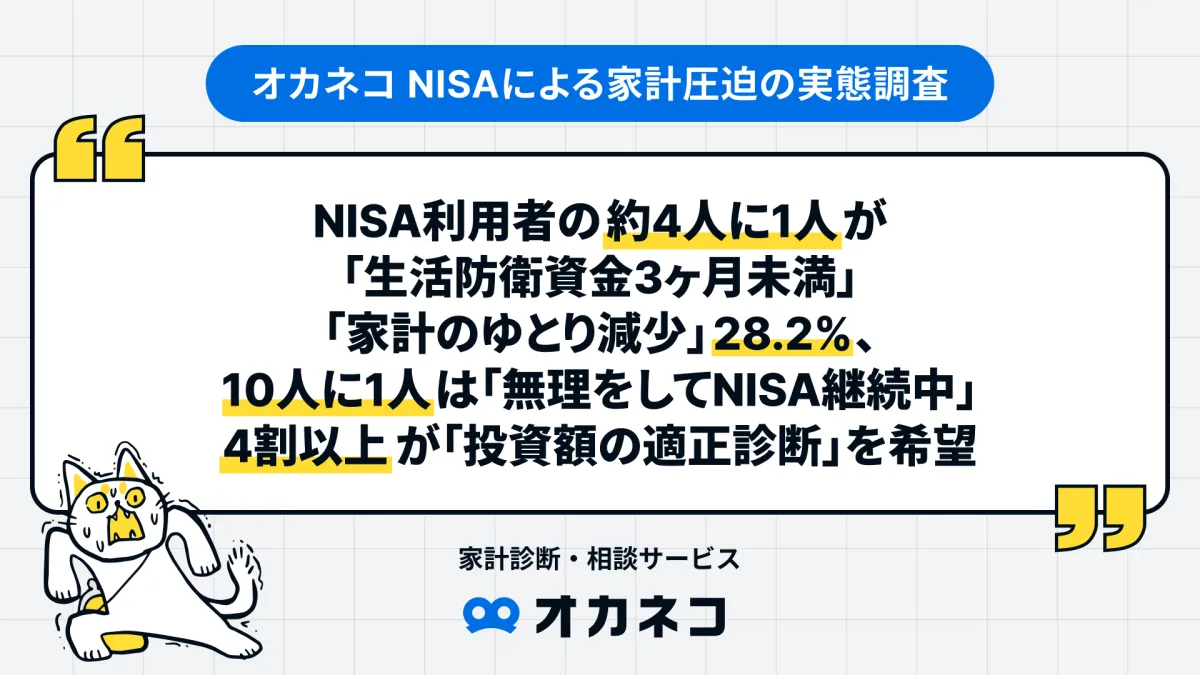
Understanding Financial Strain Amid NISA Participants in Japan: A New Study
Financial Strain Among NISA Participants
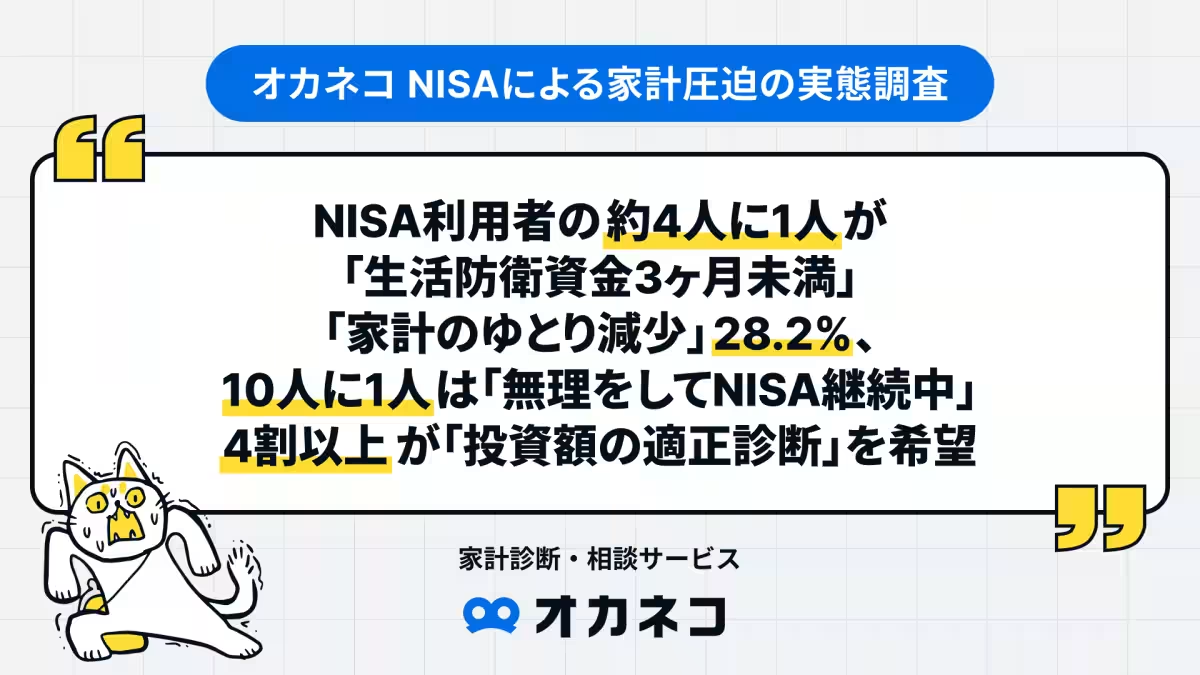
In a recent survey conducted by 400F, the parent company behind the financial consultation service OkaneCo, alarming trends have emerged regarding the financial well-being of NISA users in Japan. This comprehensive study gathered responses from 241 users currently participating in the NISA program, highlighting the pressure caused by persistent global economic instability, especially due to geopolitical tensions in the Middle East and rising living costs. The results are indeed concerning, revealing a significant disconnect between investment aspirations and actual financial preparedness.
Increasing Financial Pressure
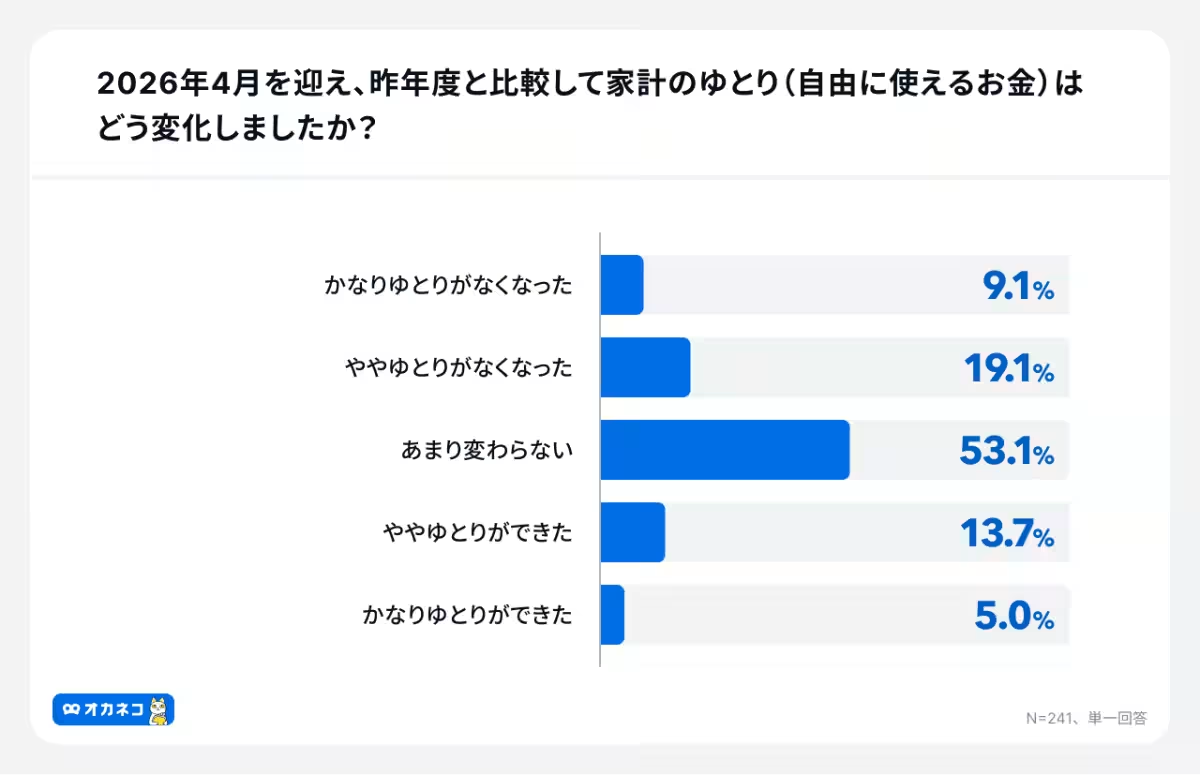
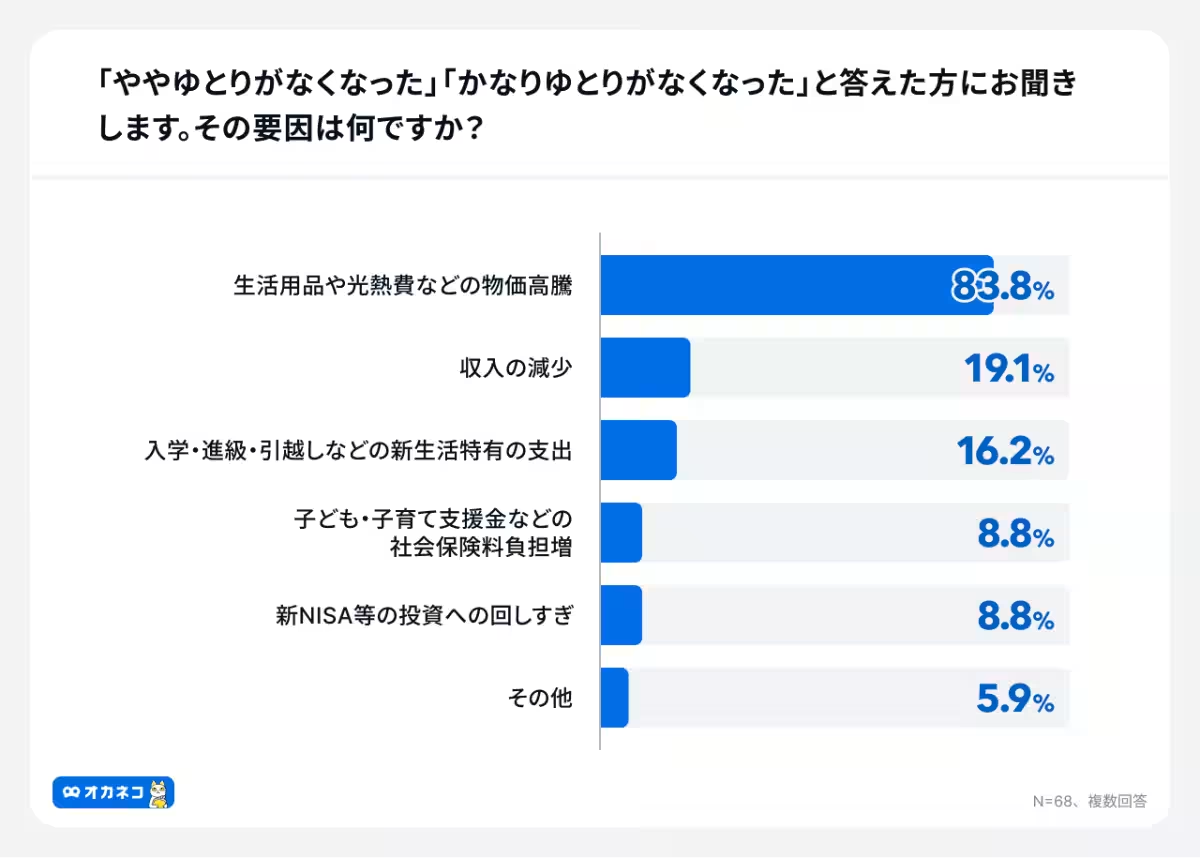
As of April 2026, nearly 28.2% of respondents reported a decrease in financial comfort compared to the previous year, primarily attributed to soaring prices of essential goods and utilities. A striking 83.8% of those surveyed identified inflation as the leading cause of their financial strain. Although other factors such as seasonal expenses related to schooling and relocation accounted for 16.2% and income reduction for 19.1%, the ongoing economic conditions have a more profound impact on household finances than temporary spikes in expenditure or income fluctuations.
NISA Continuation Amid Hardship
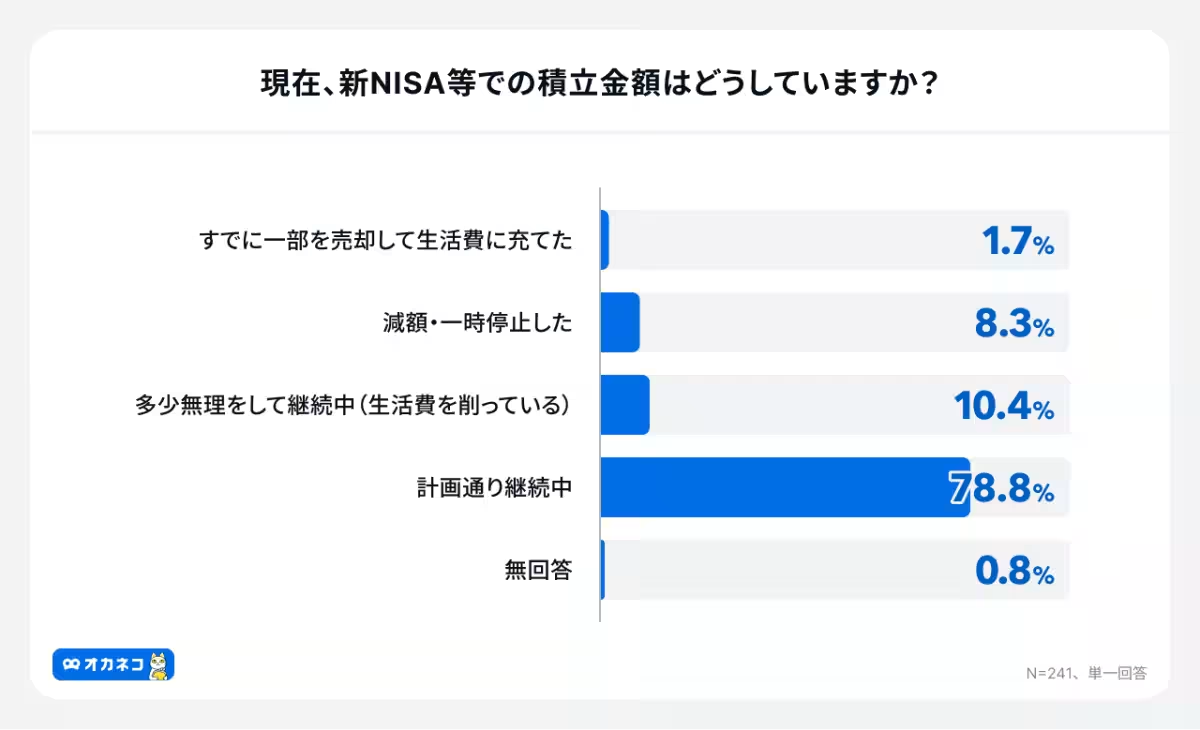
Despite these challenges, a hopeful 78.8% of participants affirmed their commitment to continue their investment plans under the NISA scheme. However, about 10.4% admitted to persisting with their investments at a cost to their daily living expenses. This disconnect indicates a growing anomaly where individuals are prioritizing their investment ambitions over essential living needs, resulting in a distortion of household budgeting priorities.
Emergency Funds Depleted
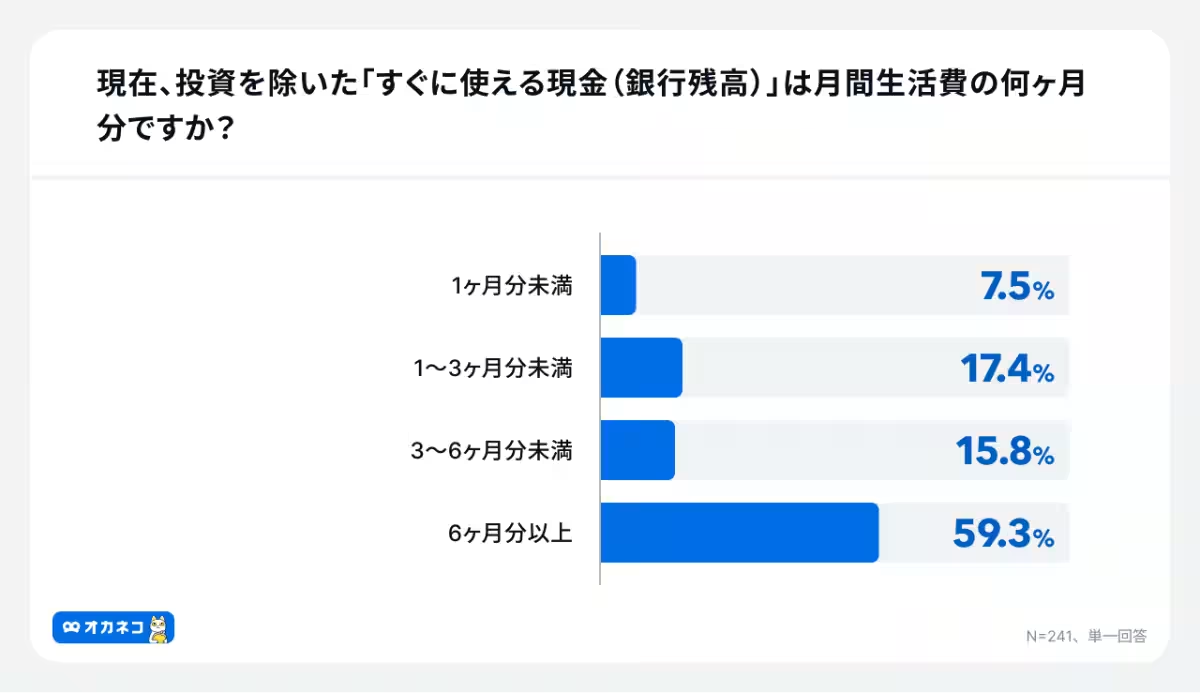
A critical issue unveiled by the survey is that approximately one in four respondents—24.9%—reported having less than three months' worth of living expenses available in liquid cash (with 7.5% indicating less than one month's worth and 17.4% having between one and three months). The stress of insufficient emergency funds amidst continuing investment activity casts a spotlight on the precarious financial positions many individuals find themselves in.
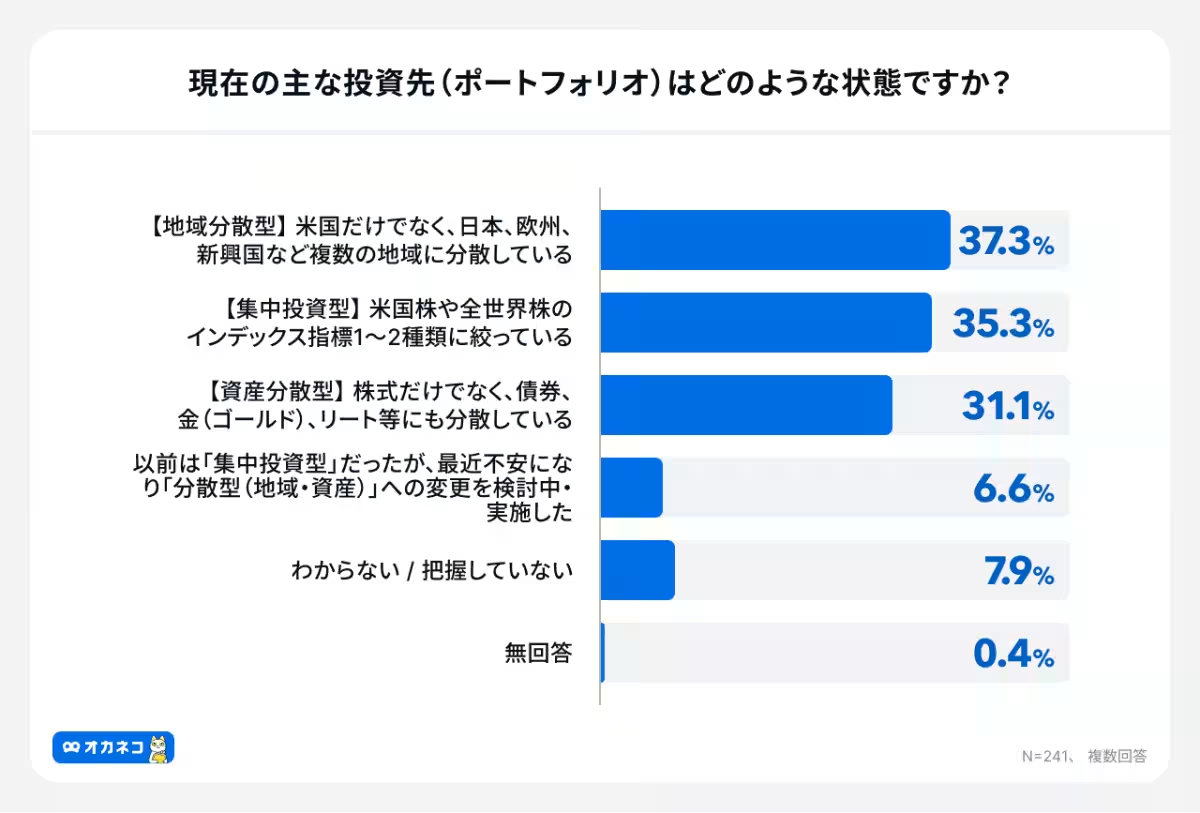
Investment strategies also show signs of concentration risk. The current portfolio distribution among investments reveals that 37.3% have diversified across regions, while 35.3% have concentrated their investments in one or two index indicators, particularly U.S. stocks and global equities. Only 6.6% reported shifting from concentration to diversification strategies due to escalating economic concerns, showing a majority maintain existing investment frameworks despite financial vulnerabilities.
Psychological Impact of Market Fluctuations
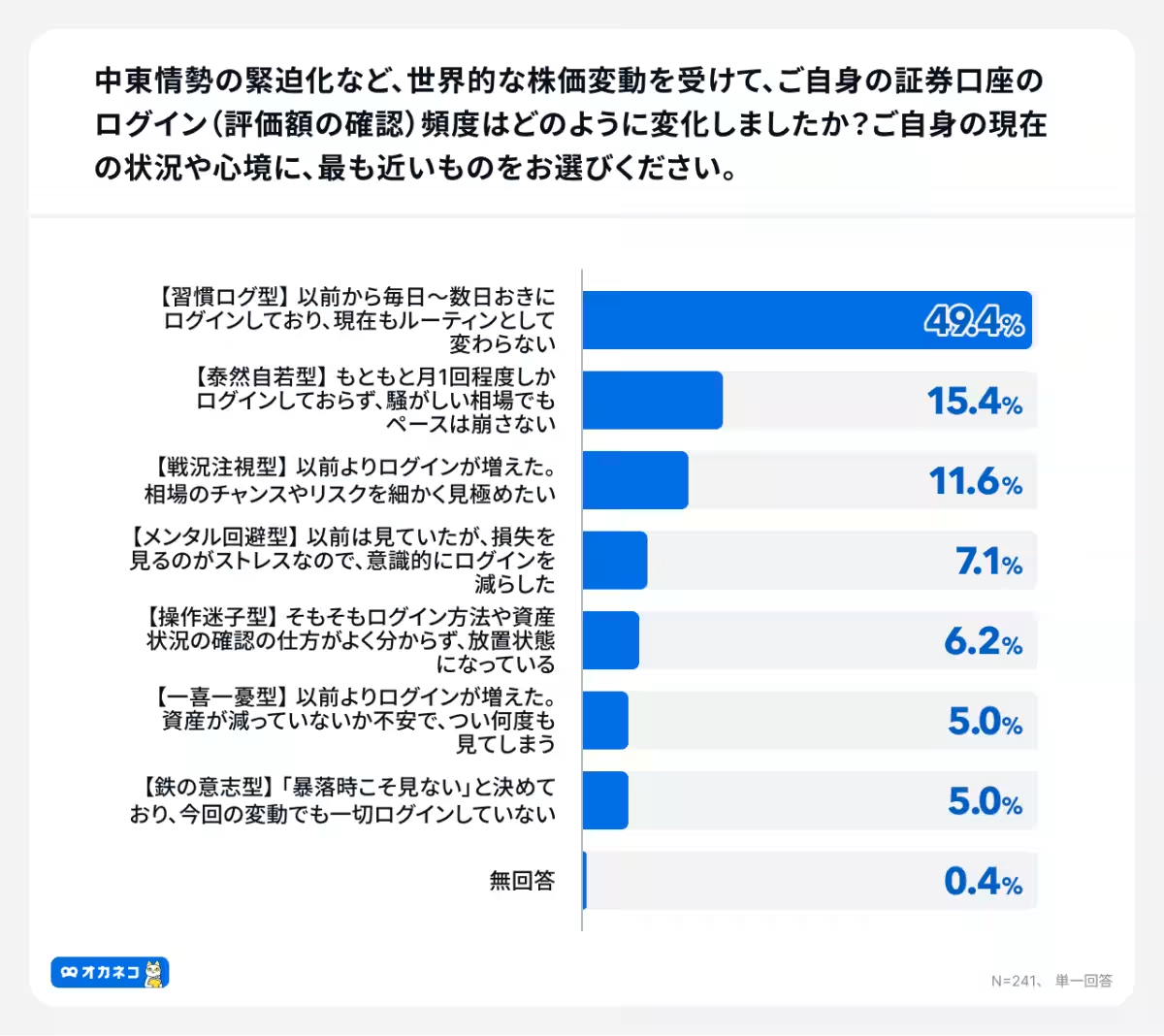
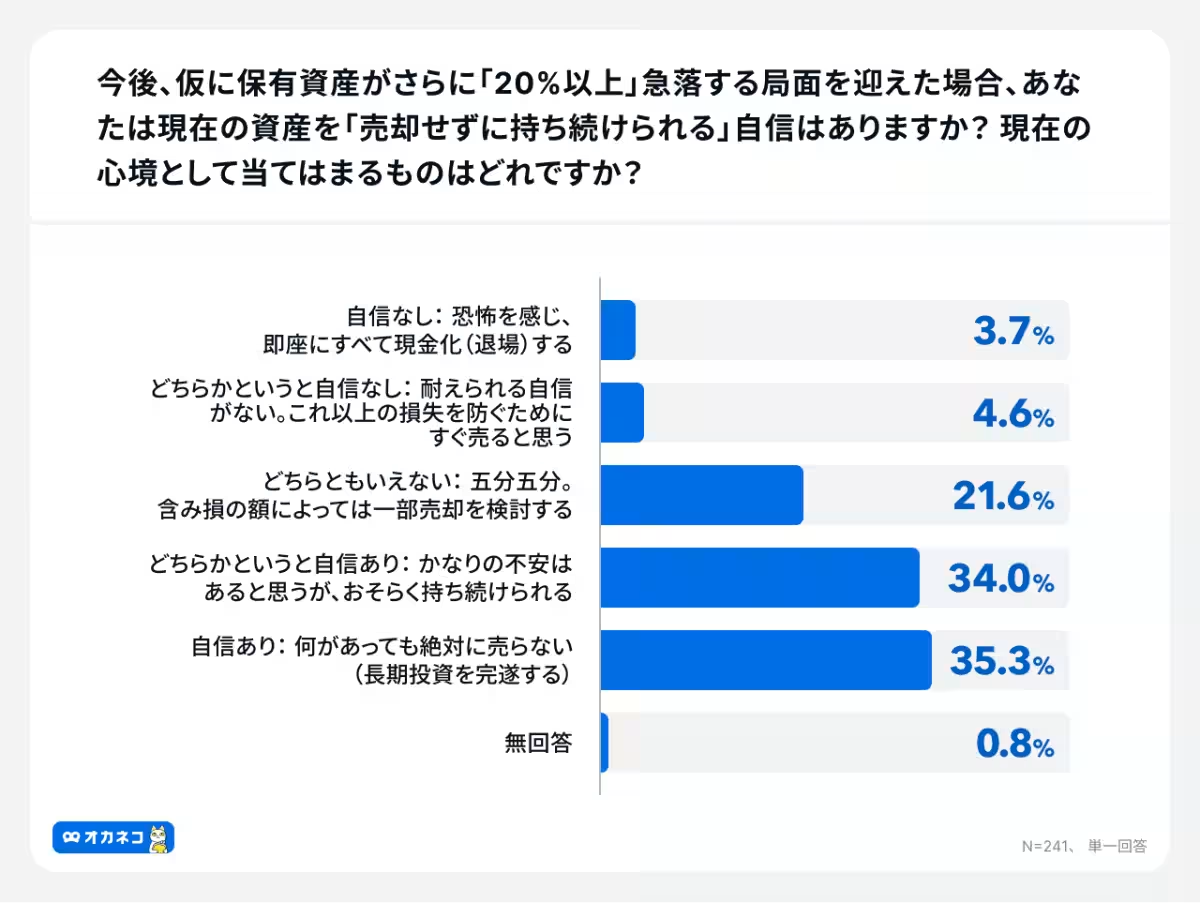
Psychological resilience, particularly during times of market volatility, plays a crucial role in investment retention. The survey noted that 7.1% of respondents have reduced their frequency of logging into their investment accounts—illustrating their avoidance of negative mental stress associated with potential losses. Furthermore, if faced with a significant market downturn (e.g., a 20% loss), about 8.3% expressed a lack of confidence in continuing to hold their investments, suggesting an urgent need for mental fortitude in the face of market uncertainties.
The Call for Professional Guidance
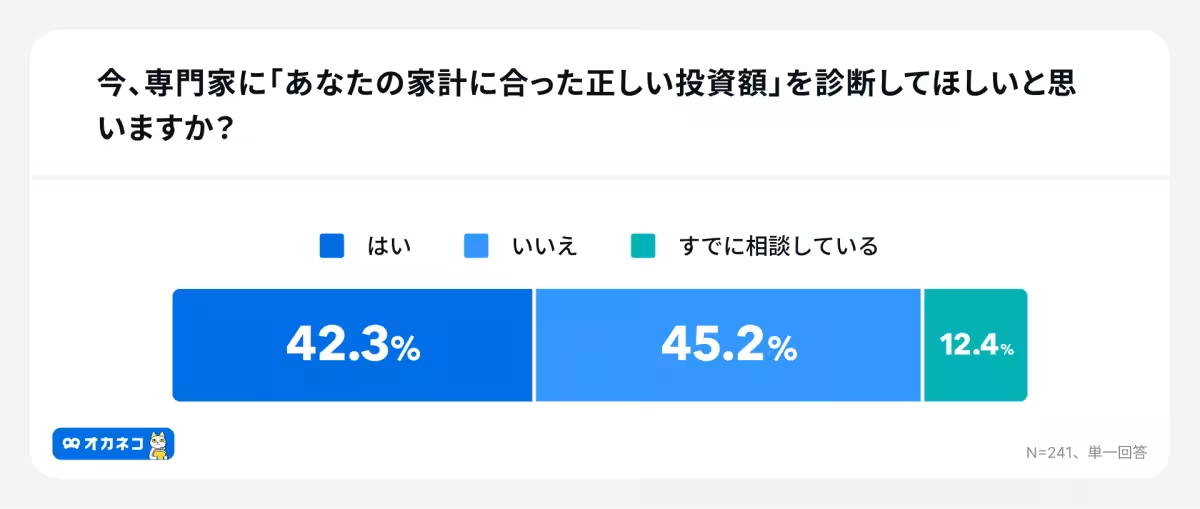
An important finding is that 42.3% of participants indicated a strong desire for professional advice regarding optimal investment amounts tailored to their specific financial situations. As the NISA program enters its third year amid rising prices and geopolitical risks, the need for sustainable investment plans that account for individual circumstances emerges clearly.
This research underscores a persistent will among investors to cultivate their assets despite the unfavorable economic landscape. Nonetheless, concerning statistics about the lack of adequate emergency funds and the psychological toll of investments signal the pressing need for a reevaluation of personal finances.
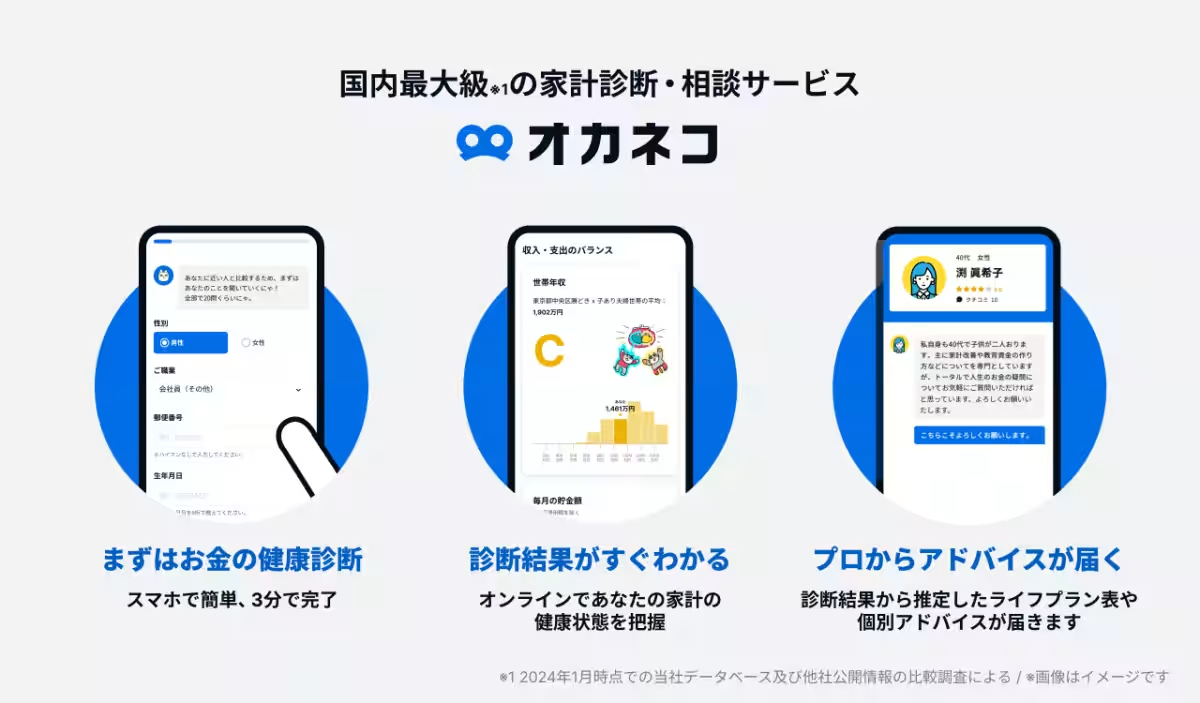
The OkaneCo platform will continue to bridge the gap between financial specialists and users, offering targeted advice to ensure that individuals can navigate these turbulent times wisely. As many users gravitate toward investing amid financial uncertainty, the importance of establishing a balanced approach to household budgeting and investing cannot be overstated.
Survey Overview
This study, titled "OkaneCo's Investigation into Financial Pressure from NISA," utilized an online questionnaire format between April 10th and April 12th, 2026. Participants, aged predominantly in their 40s and 50s, represented a cross-section of income levels, further enriching the insights drawn from their responses.
Understanding these dynamics provides valuable lessons for market participants and policymakers alike, emphasizing the compelling need for adaptable financial strategies as market conditions evolve.

Topics Consumer Products & Retail)




【About Using Articles】
You can freely use the title and article content by linking to the page where the article is posted.
※ Images cannot be used.
【About Links】
Links are free to use.