




Exploring the Impact of Side Jobs on Employment Trends: Latest Insights
Introduction
In the evolving landscape of employment, side jobs have become more than just a means for additional income; they are now pivotal in the hiring and retention strategies of companies. A recent study conducted by lotsful Company, part of the Persol Group, sheds light on the intricate relationship between side jobs and career transitions among employees aged 20 to 40.
Survey Overview
Lotsful Company’s survey involved 660 participants with side job experiences, probing them about how these endeavors have influenced their primary employment situations. This inquiry marks the second in-depth assessment of the causal links between side jobs and employment transitions.
Key Findings
Rise in Job Transitions due to Side Jobs
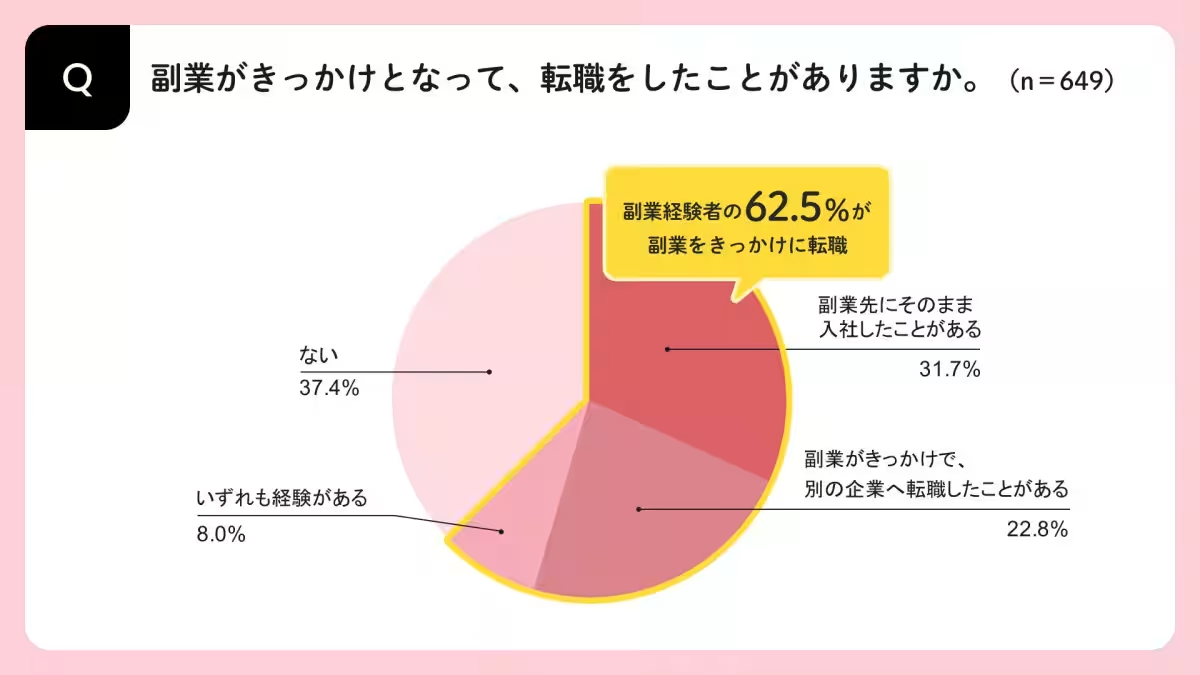
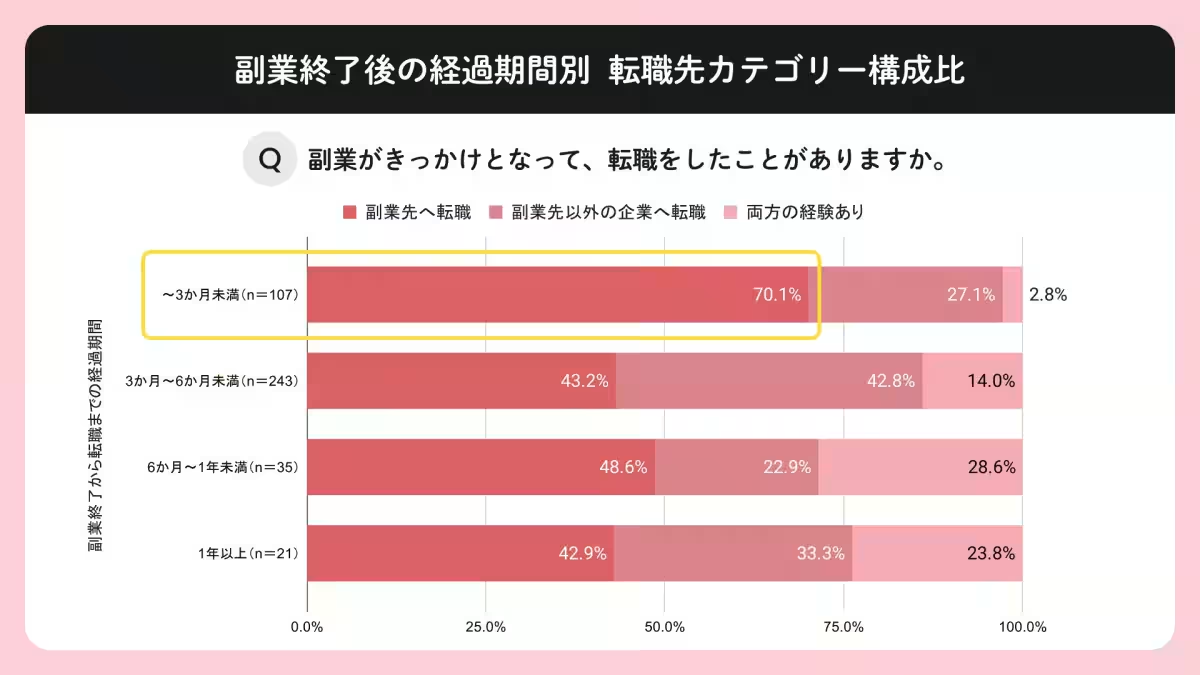
The survey revealed that over 62.5% of respondents had some form of job transition triggered by their side jobs. Specifically, 31.7% reported directly transitioning into their side job companies, while 22.8% moved to different firms spurred by their side job experiences. This shows a notable increase from 53.6% recorded in the previous year's survey, indicating a growing trend of using side jobs as a stepping stone for career changes.
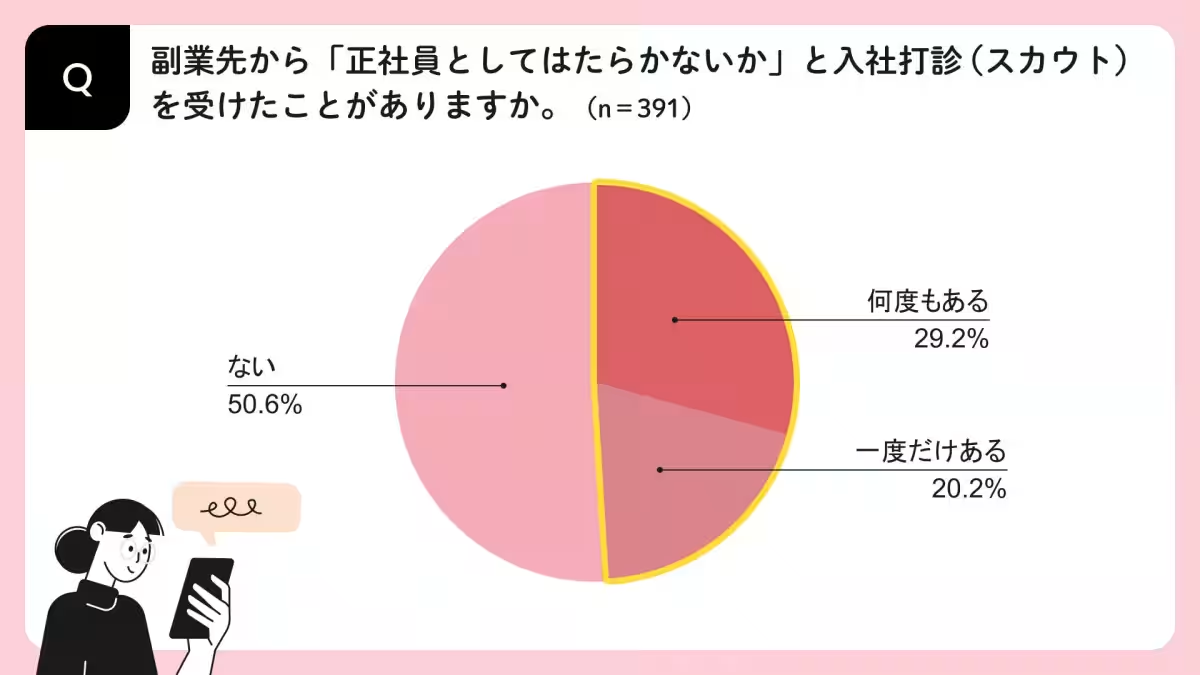
Moreover, nearly half of the respondents who hadn't transitioned still received inquiries about joining the side job companies as full-time employees. This suggests that side jobs are creating substantial networking opportunities, allowing companies to evaluate candidates' skills and fit in real work environments.
Trust and Relationship Building
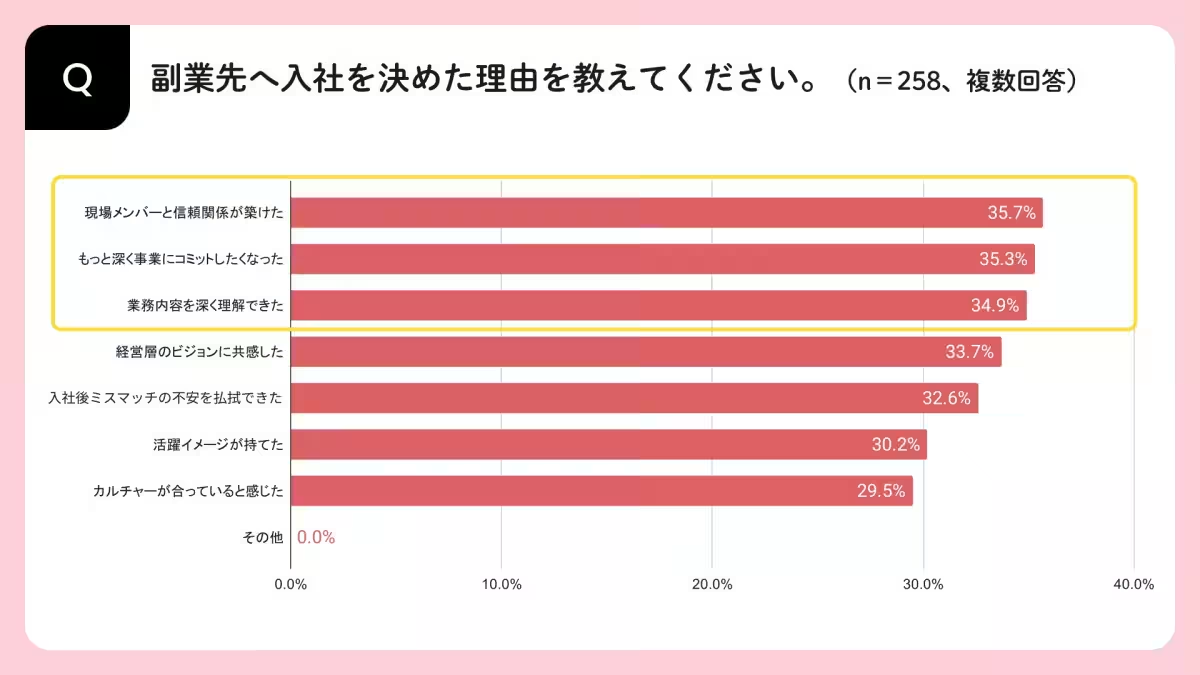
When it comes to why individuals choose to transition into their side job companies, building trust with colleagues through practical engagement was the leading factor (35.7%). Others were driven by a desire for deeper commitment to the business (35.3%) and a comprehensive understanding of the job responsibilities (34.9%). These insights emphasize how experiential connections made through side jobs can significantly influence employment decisions, contrasting with traditional hiring models that focus heavily on resumes and interviews.
Impact of Side Job Policies on Hiring
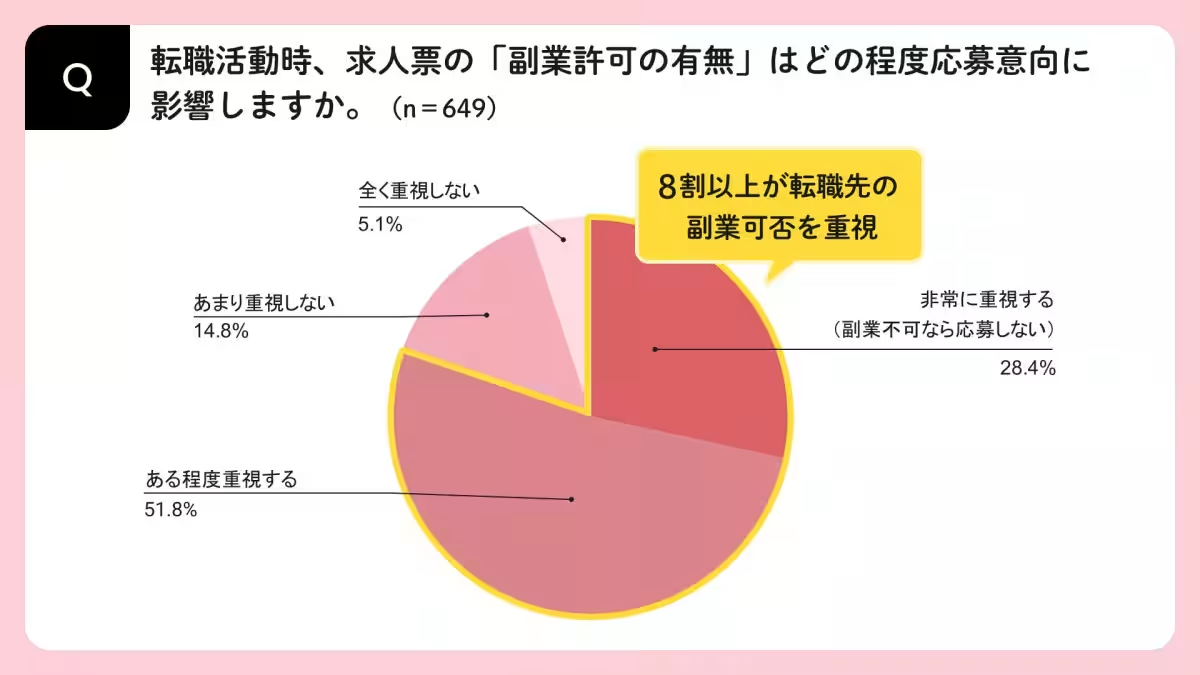
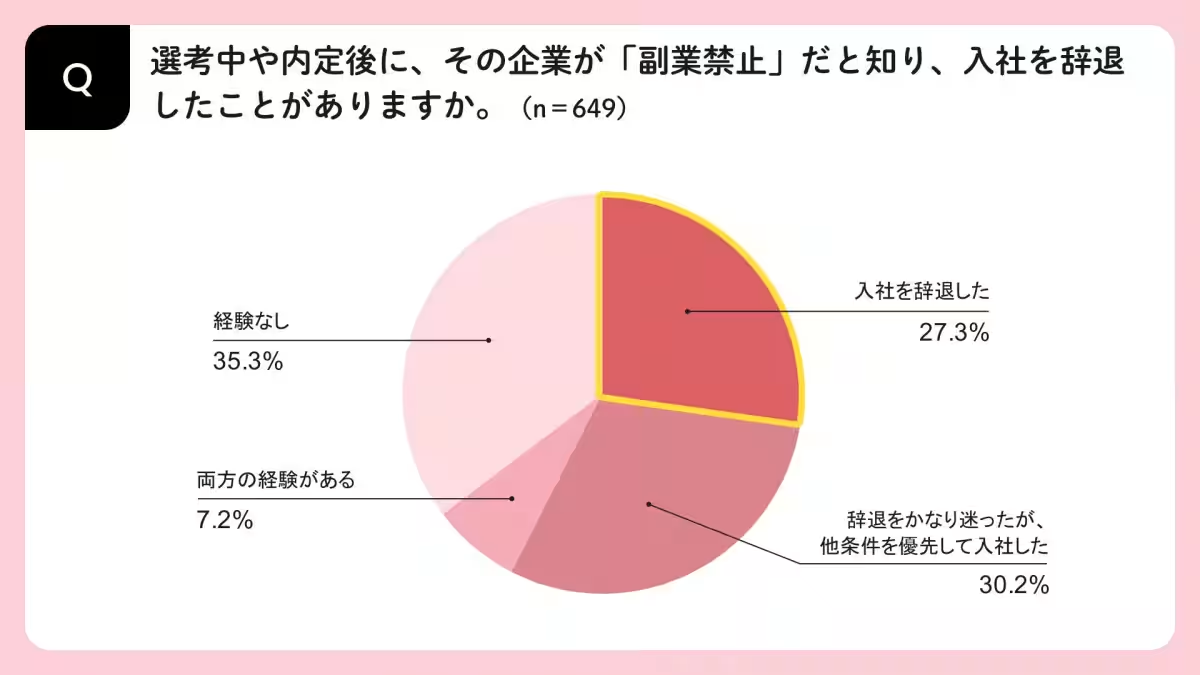
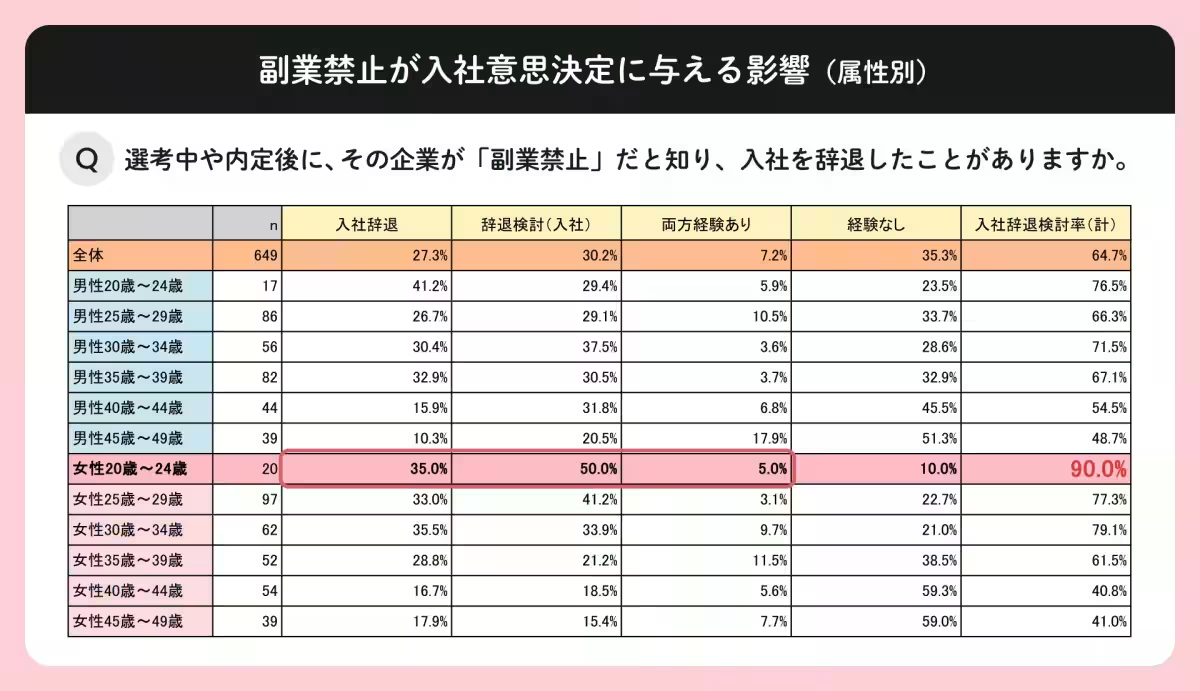
Interestingly, the survey highlighted a significant concern regarding companies that prohibit side jobs. More than 80% of respondents indicated that the allowance for side jobs plays a critical role in their job-seeking considerations. About 27.3% even claimed they declined a job offer upon discovering a company's prohibition on side jobs. This trend was particularly pronounced among young women in their early twenties, with 90% indicating that restrictive policies influenced their decision-making during the job application process.
Side Jobs: A Double-Edged Sword
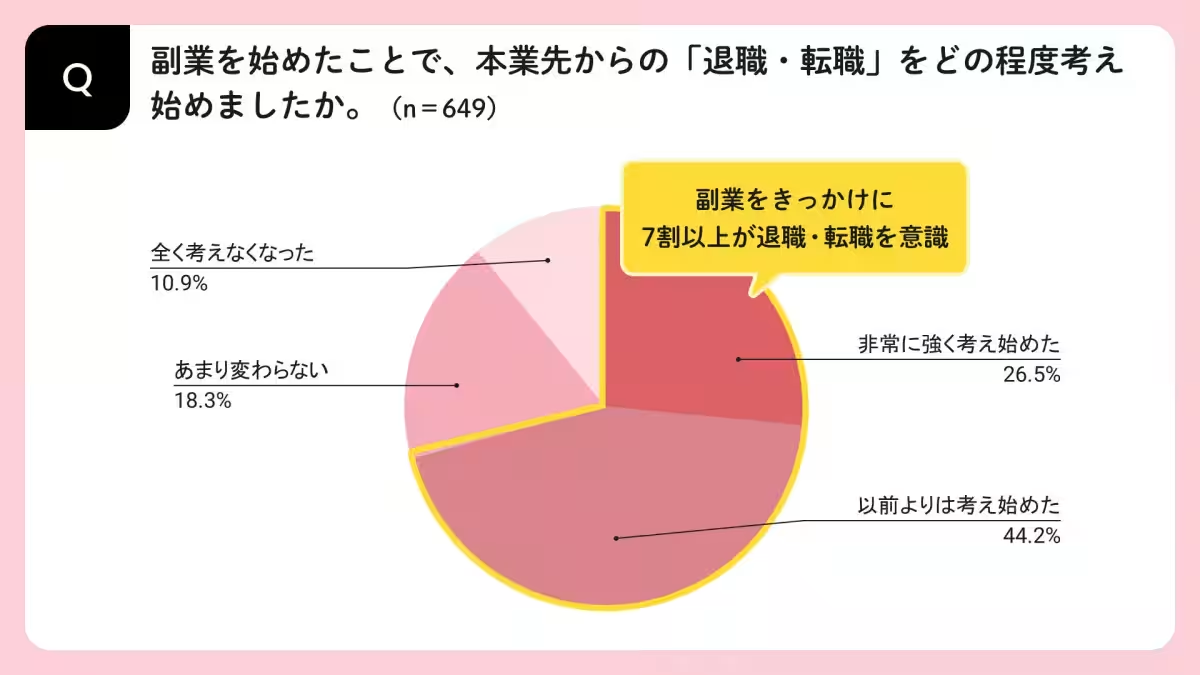
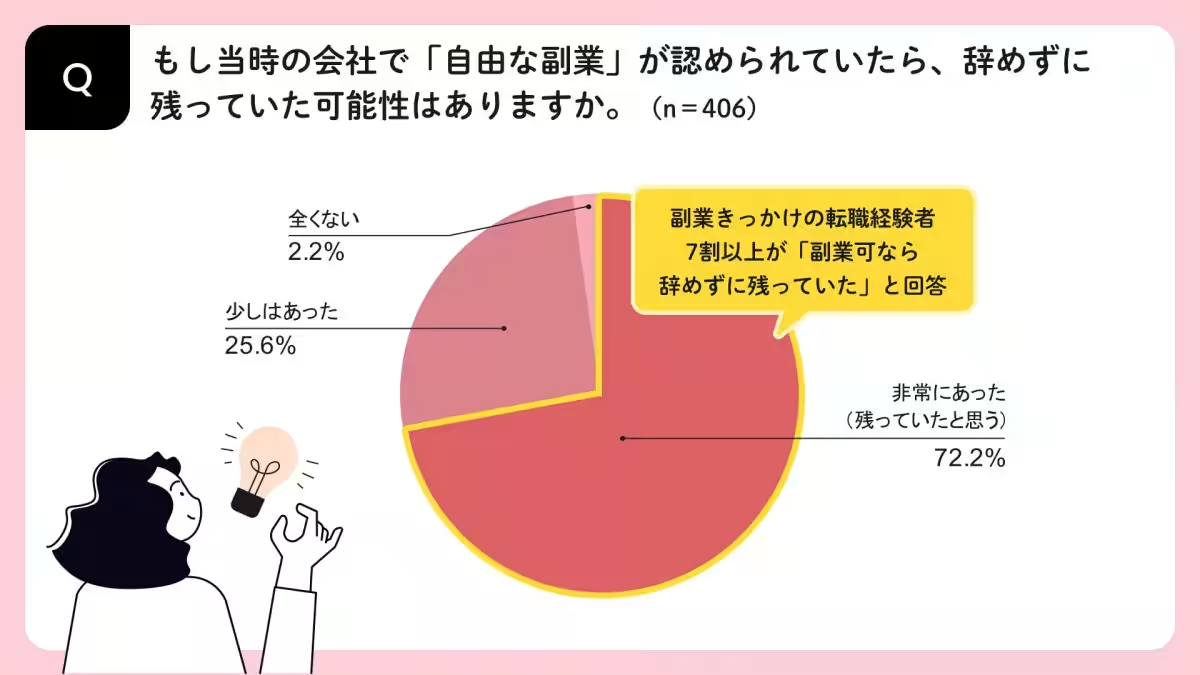
While side jobs are seen as a key opportunity for employers to attract talent, they can also indicate potential turnover risks. The survey shows that approximately 70.7% of participants had started contemplating leaving their primary jobs due to their side job opportunities. Notably, an overwhelming 97.8% of those who transitioned to new roles reflected that if their previous employers had allowed side jobs, they might have chosen to remain.
This finding raises significant questions about how restrictive employment policies can lead to the outflow of talent in favor of more supportive work environments.
Conclusion
The lotsful study highlights an emerging trend where side jobs are not merely additional sources of income but vital elements that shape employees’ career trajectories. Companies should recognize the importance of allowing and embracing side jobs as they navigate the competitive hiring landscape. By fostering environments where side jobs are accepted, they can enhance their appeal to prospective employees while simultaneously retaining talented professionals who might otherwise seek opportunities elsewhere. Thus, side jobs serve not only as a hiring catalyst but also as a retention strategy in modern employment practices.
About lotsful
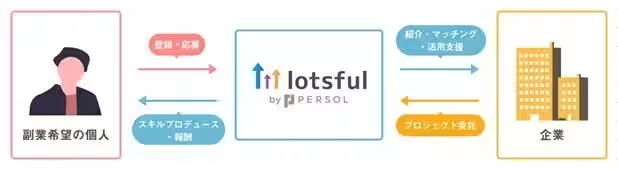
As a leading side job matching service, lotsful is committed to creating optimal connections between companies and individuals, expanding the array of career options available in today's workforce.


Topics Consumer Products & Retail)






【About Using Articles】
You can freely use the title and article content by linking to the page where the article is posted.
※ Images cannot be used.
【About Links】
Links are free to use.