




New Graduate Survey Reveals Insights on Work Attitude and Recognition Needs
Survey Findings on New Graduate Attitudes
In a recent study conducted by Shake, a consulting firm focusing on corporate training and human resources, the perspectives of 2,343 new hires for the 2026 fiscal year have been gathered. This survey, carried out from April 2 to April 28, 2026, explores the motivations and expectations prevalent among today's young workforce. The insights shared can inform how companies can better nurture new talent and enhance employee retention.
Key Takeaways from the Study
Importance of Employee Relationships
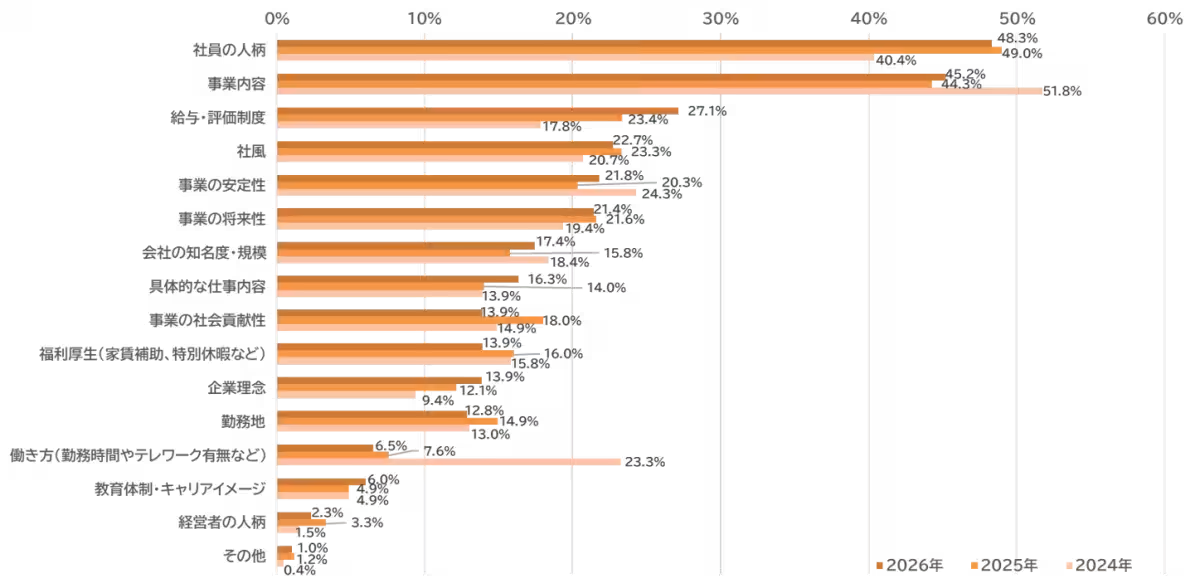
One of the survey's notable points reveals that when choosing a company, 48.3% of new graduates prioritized the personal characteristics of employees, while 27.1% valued salary and evaluation systems. These statistics underline an increasing demand for healthy interpersonal relationships within the workplace.
Expectations from Management
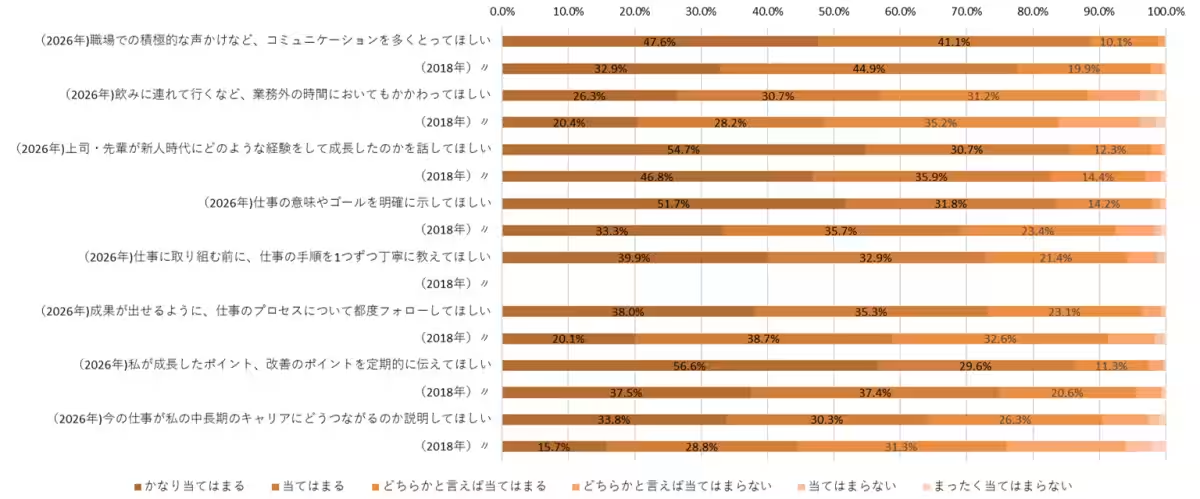
New employees also expressed heightened expectations for varied interactions and support from their supervisors. Compared to 2018, there has been a significant increase in those who strongly agree with needing diverse connections and assistance from their bosses and colleagues.
Self-Awareness: Strengths and Weaknesses
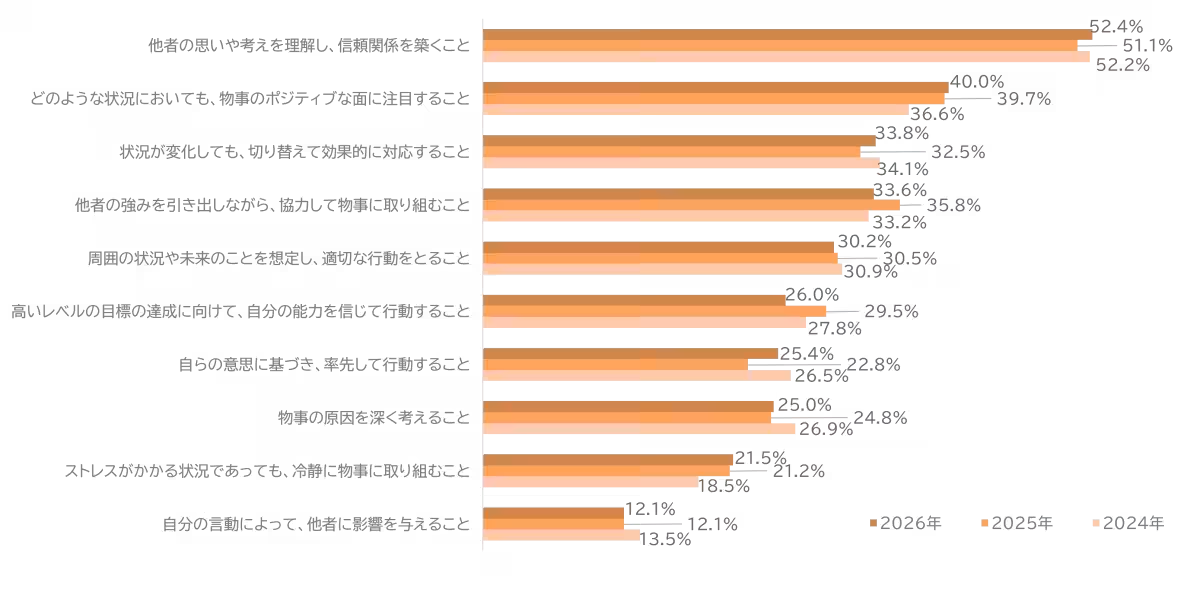
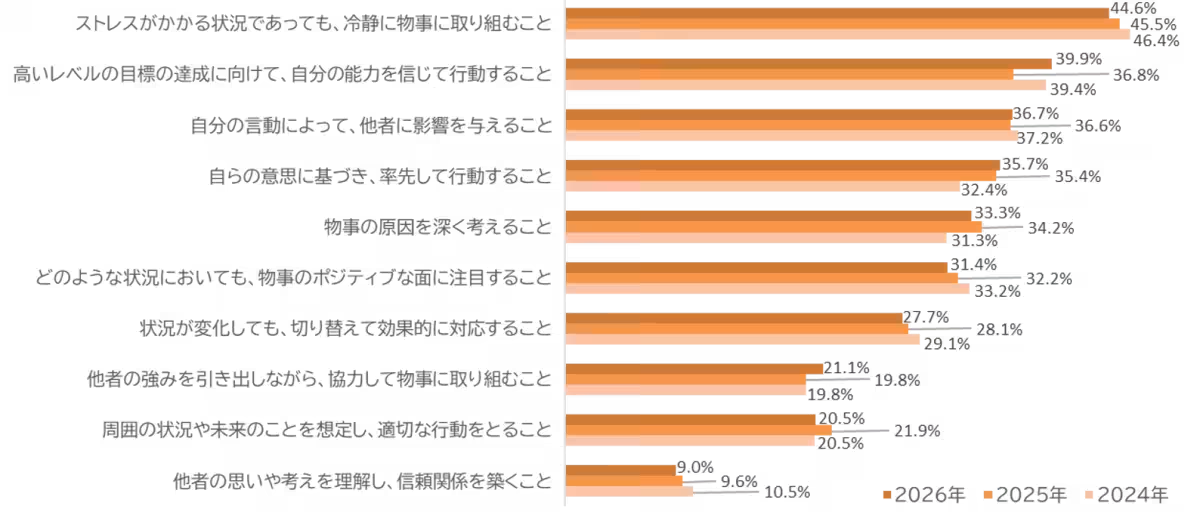
Among new hires, over half (52.4%) identified building trust and relationships as their strength. Conversely, 44.6% acknowledged that managing stress effectively is a personal challenge. This reflects a growing emphasis on emotional intelligence and the ability to understand others in professional settings.
Desired Recognition During Early Employment
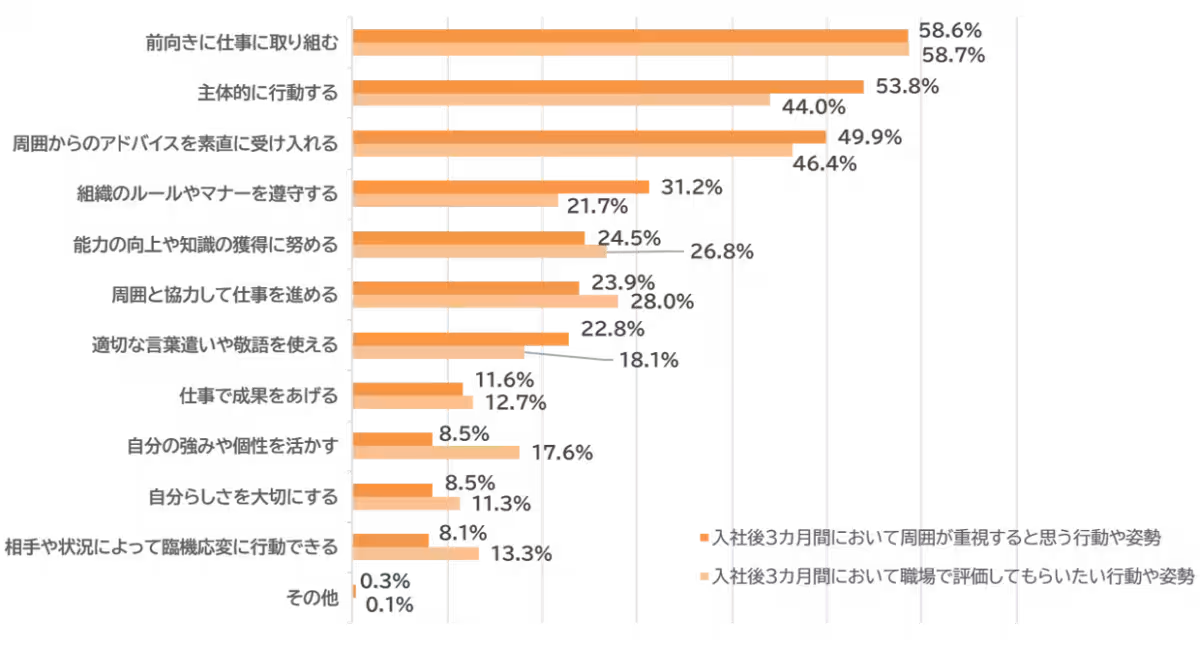
Remarkably, new employees indicated they want to be recognized for their work attitude rather than mere results or formalities. A striking 58.7% expect to be appreciated for a positive approach to work within their first three months, while 44% sought acknowledgment for their initiative. This trend signifies a shift towards valuing mindset and adaptability alongside traditional performance metrics.
Long-Term Career Aspirations
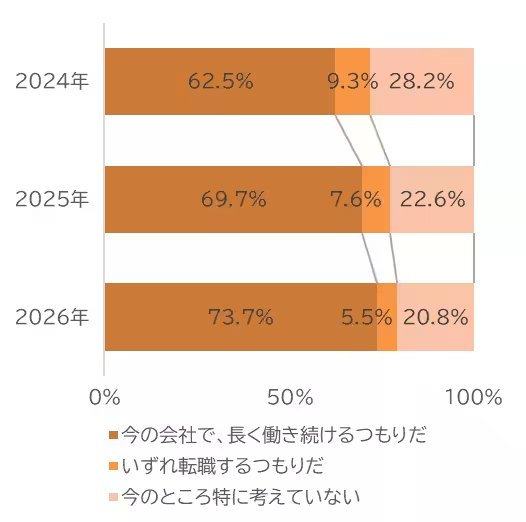
A sizable majority of 73.7% of respondents expressed a desire to remain with their current company long-term, suggesting a commitment to developing their careers within their chosen organizations. This desire emphasizes the need for ongoing support and recognition to cultivate a sense of belonging among new hires.
Implications for Human Resource Practices
The findings highlight the importance of understanding and addressing the evolving needs of new graduates. HR departments and managers are urged to consider these insights in their strategies for mentoring and developing younger employees. Creating an environment where new hires feel acknowledged and valued is crucial for enhancing their engagement and retention rates.
Employers should focus on fostering good workplace relationships and providing meaningful feedback to align with the aspirations of today's talent. Furthermore, recognizing the stance of new employees in their early days can significantly contribute to their adjustment and satisfaction within the company.
In conclusion, this survey highlights crucial aspects of what 2026's young workforce is seeking in their employment experience. Employers are encouraged to download the full report for comprehensive insights and recommendations on nurturing the next generation of talent effectively.
Download the report here.
Understanding these trends and adapting to the expectations of new employees will be key to building a positive workplace culture and promoting longevity in employee tenure.

Topics People & Culture)

【About Using Articles】
You can freely use the title and article content by linking to the page where the article is posted.
※ Images cannot be used.
【About Links】
Links are free to use.