



Telework and Self-Management: Insights from Recent Survey Reveal Autonomy in Work Habits
The Rise of Self-Management in Telework
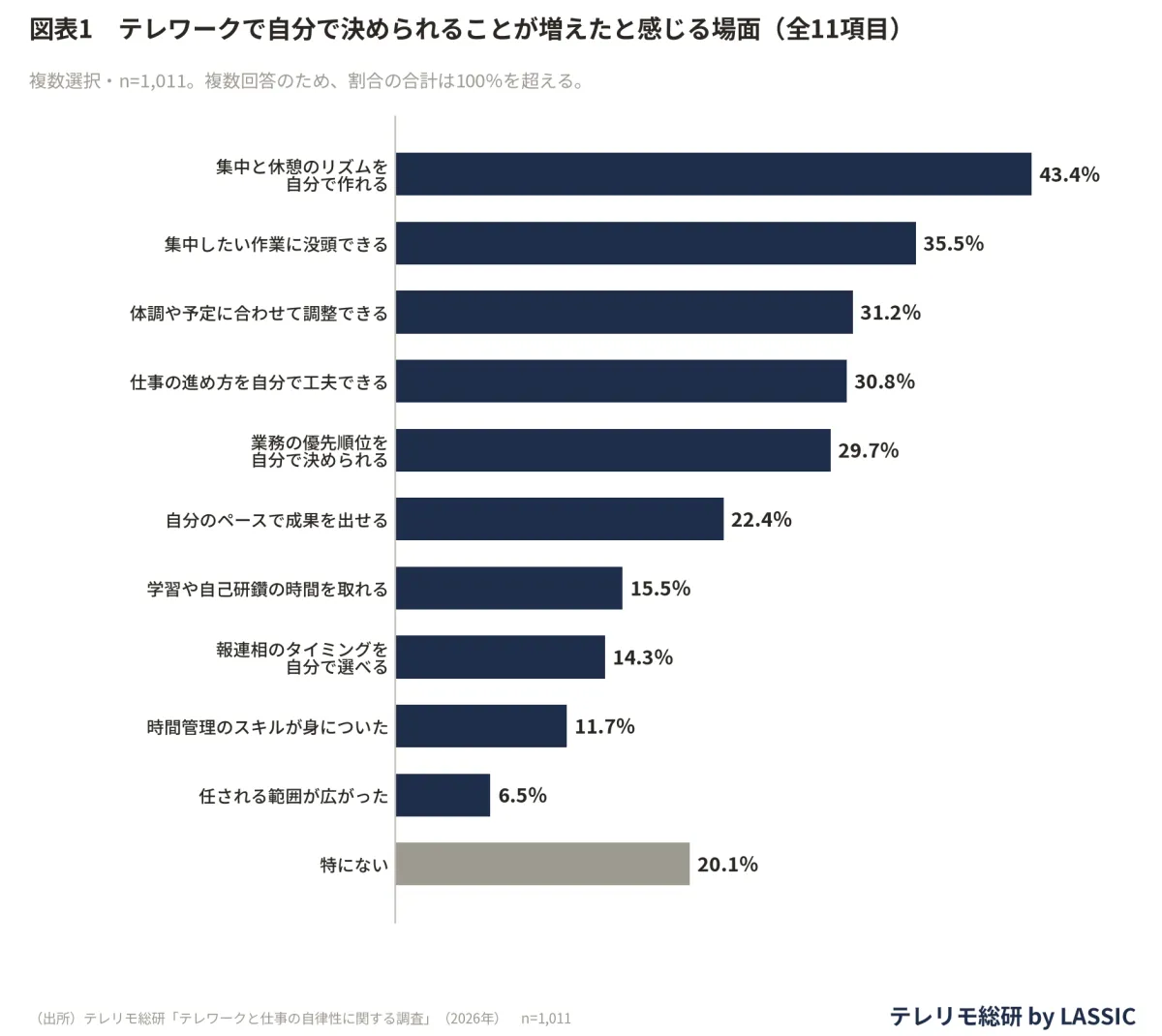
Telework has transformed the way people manage their work responsibilities, especially in recent times, where autonomy has become a key feature. According to a study conducted by LASSIC, a company based in Tottori and Tokyo, 43.4% of working individuals who have teleworked reported feeling that they could set their own rhythms for concentration and breaks. This survey was part of LASSIC's initiative to promote location-independent work styles, focusing on self-management and autonomy in professional settings.
Key Findings
The survey, which included responses from 1,011 working professionals aged 20 to 65 who have experience with telework, found that the top three areas where individuals felt increased control were:
1. Creating Personal Concentration and Break Rhythms - 43.4%
2. Immersing in Tasks Without Distractions - 35.5%
3. Adjusting Work According to Health and Schedules - 31.2%
These results indicate a significant preference for managing one’s time effectively, suggesting that remote work enhances efficiency by allowing individuals to structure their day in a manner that suits them best.
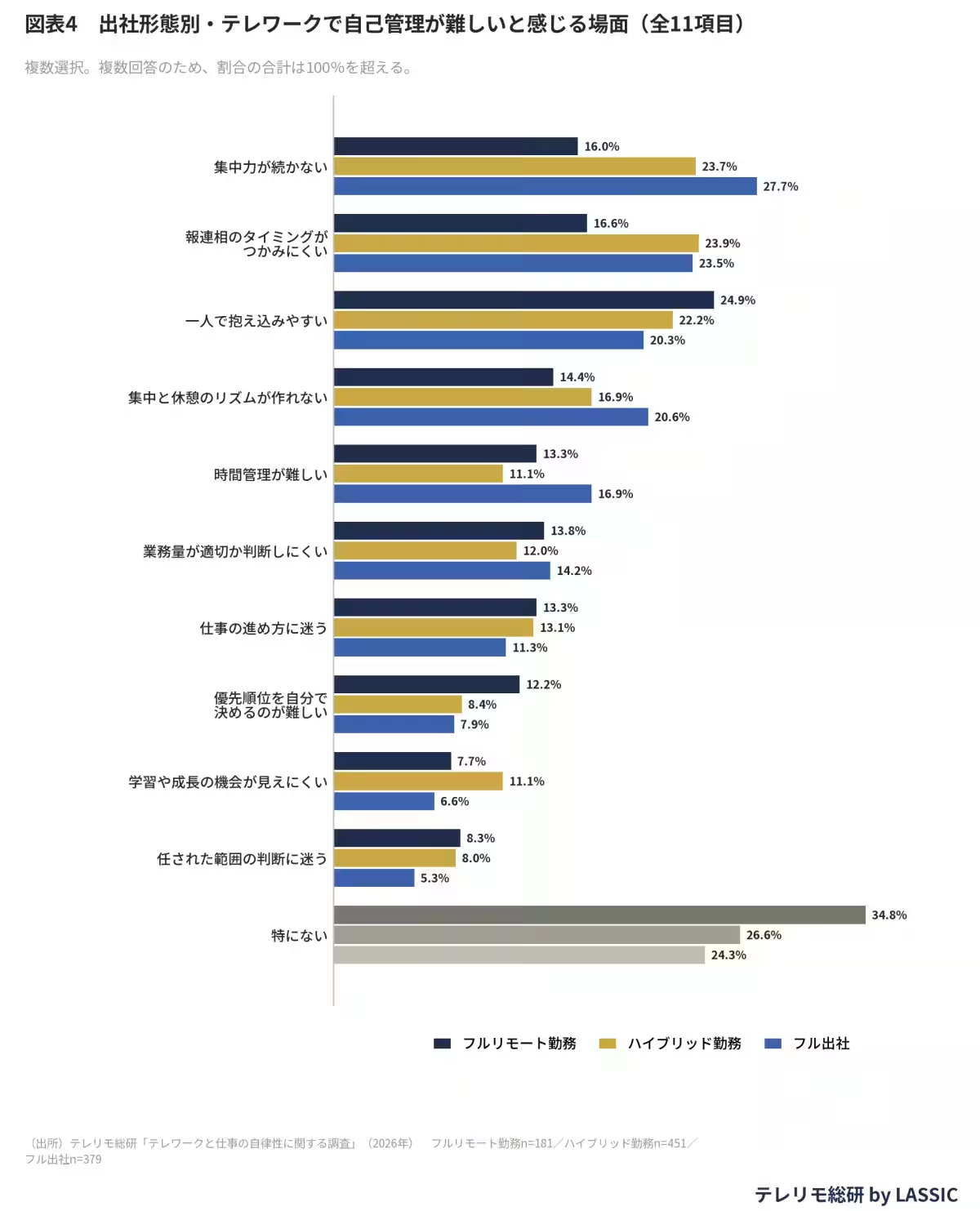
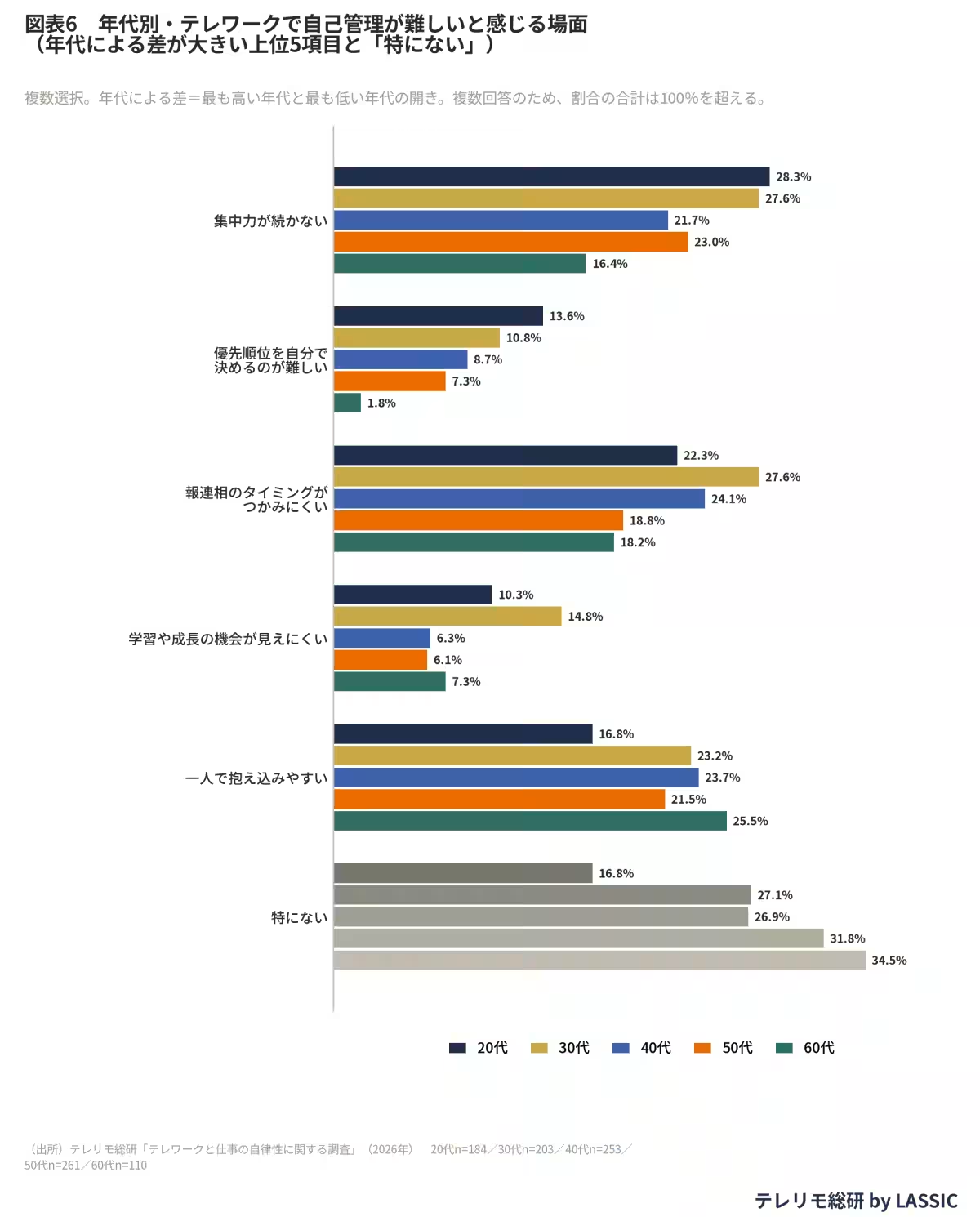
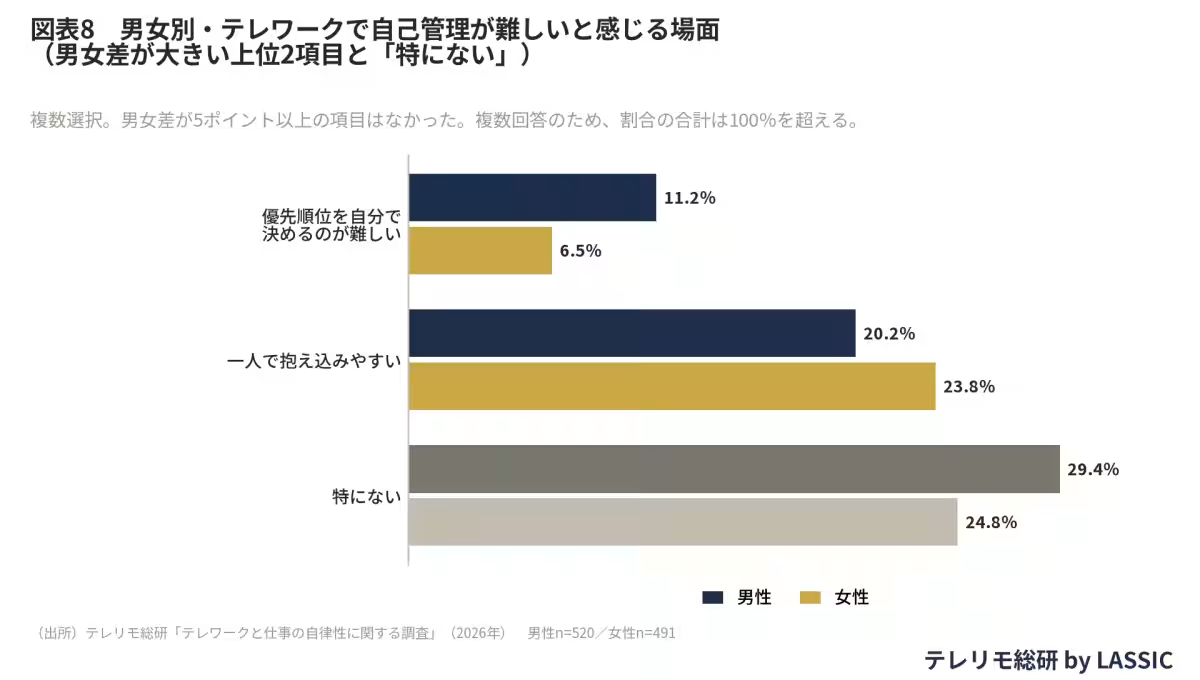
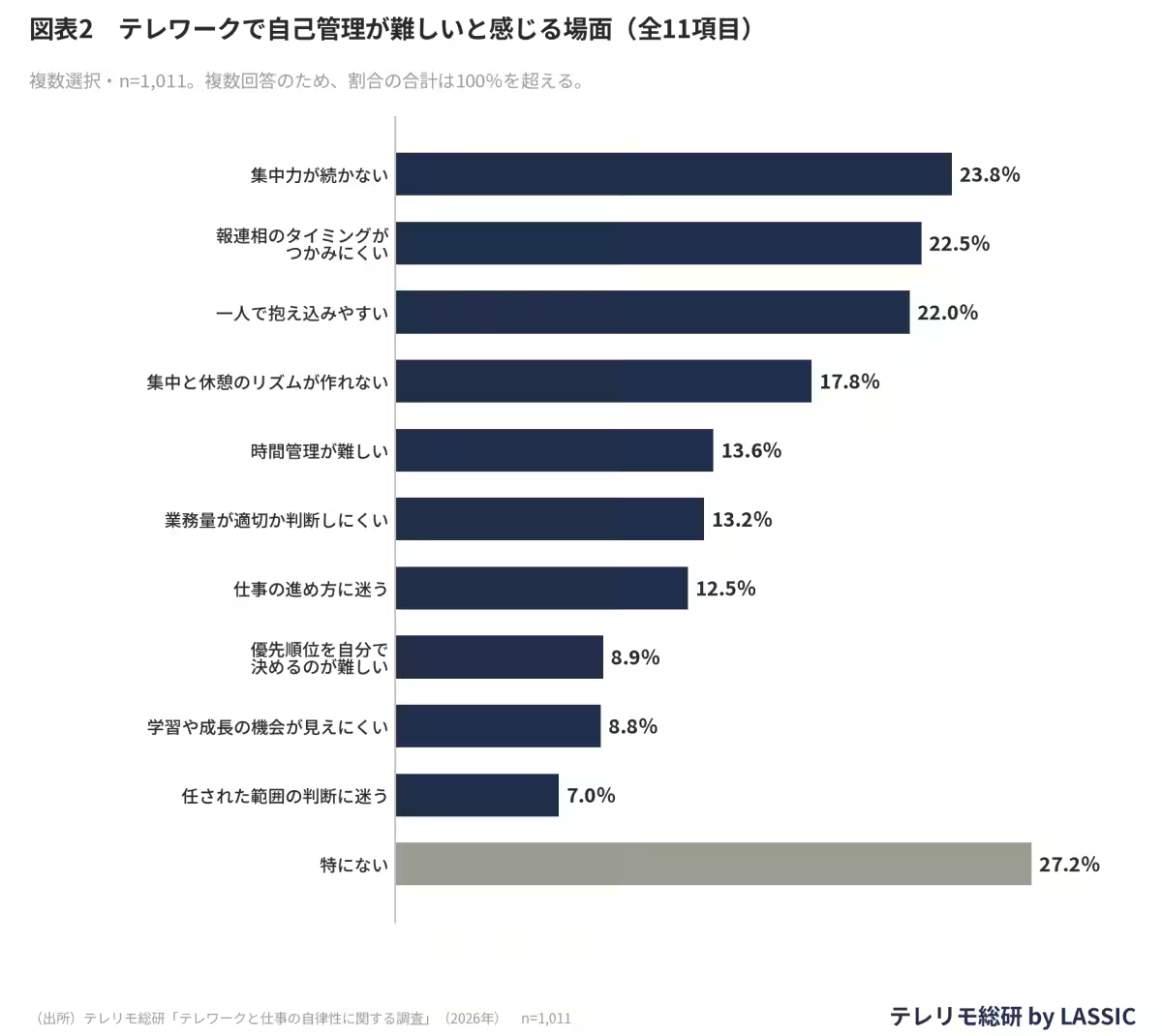
Conversely, self-management while teleworking also presents its challenges. The survey identified areas where participants felt they struggled:
- - Maintaining Concentration - 23.8%
- - Timing of Communication and Reporting - 22.5%
- - Tendency to Manage Tasks Alone - 22.0%
The difficulty of sustaining focus and managing interpersonal communications, such as reporting to managers or coordinating with colleagues, is outlined clearly in these statistics, highlighting the complexities of remote work despite its advantages.
Impact of Employment Patterns
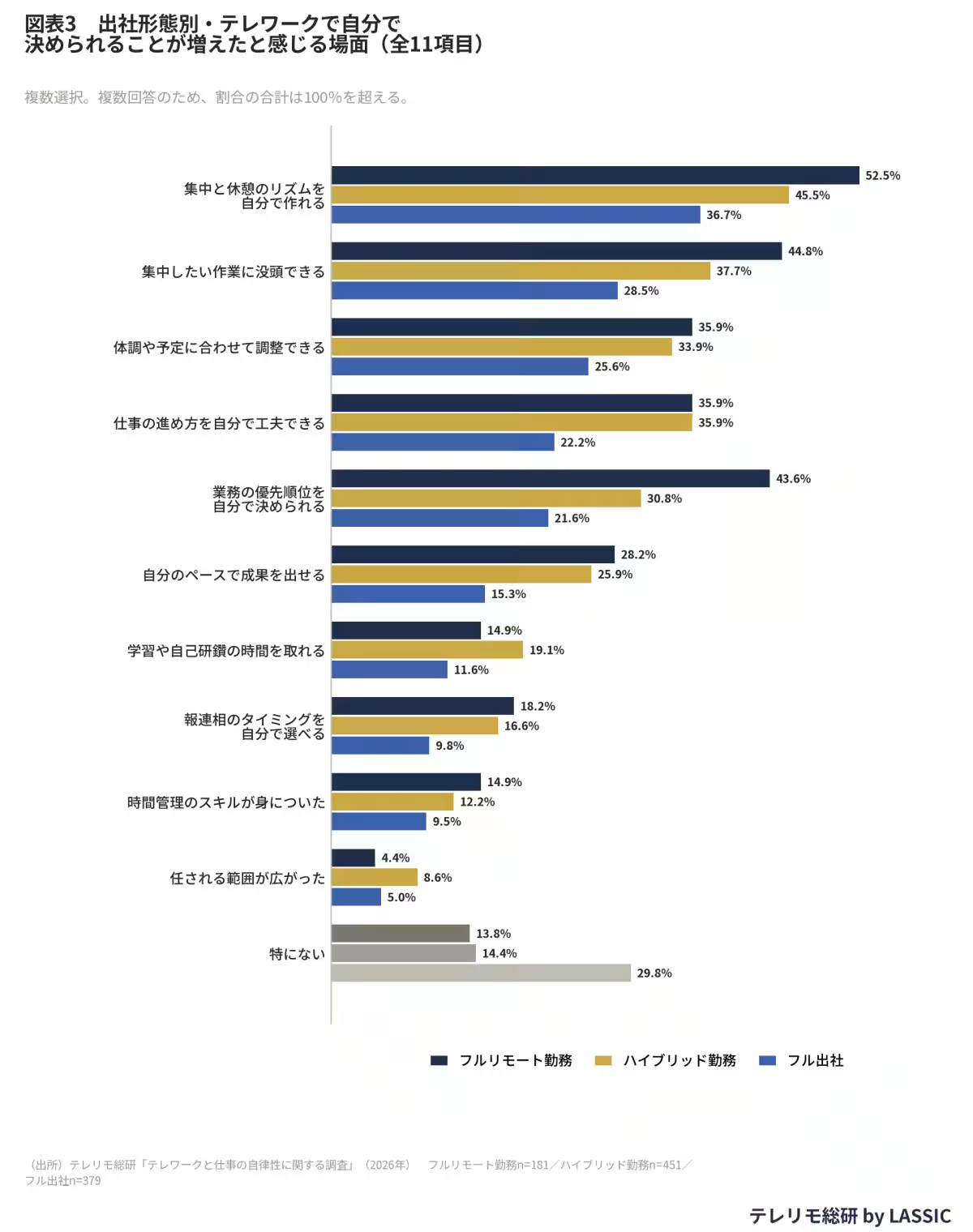
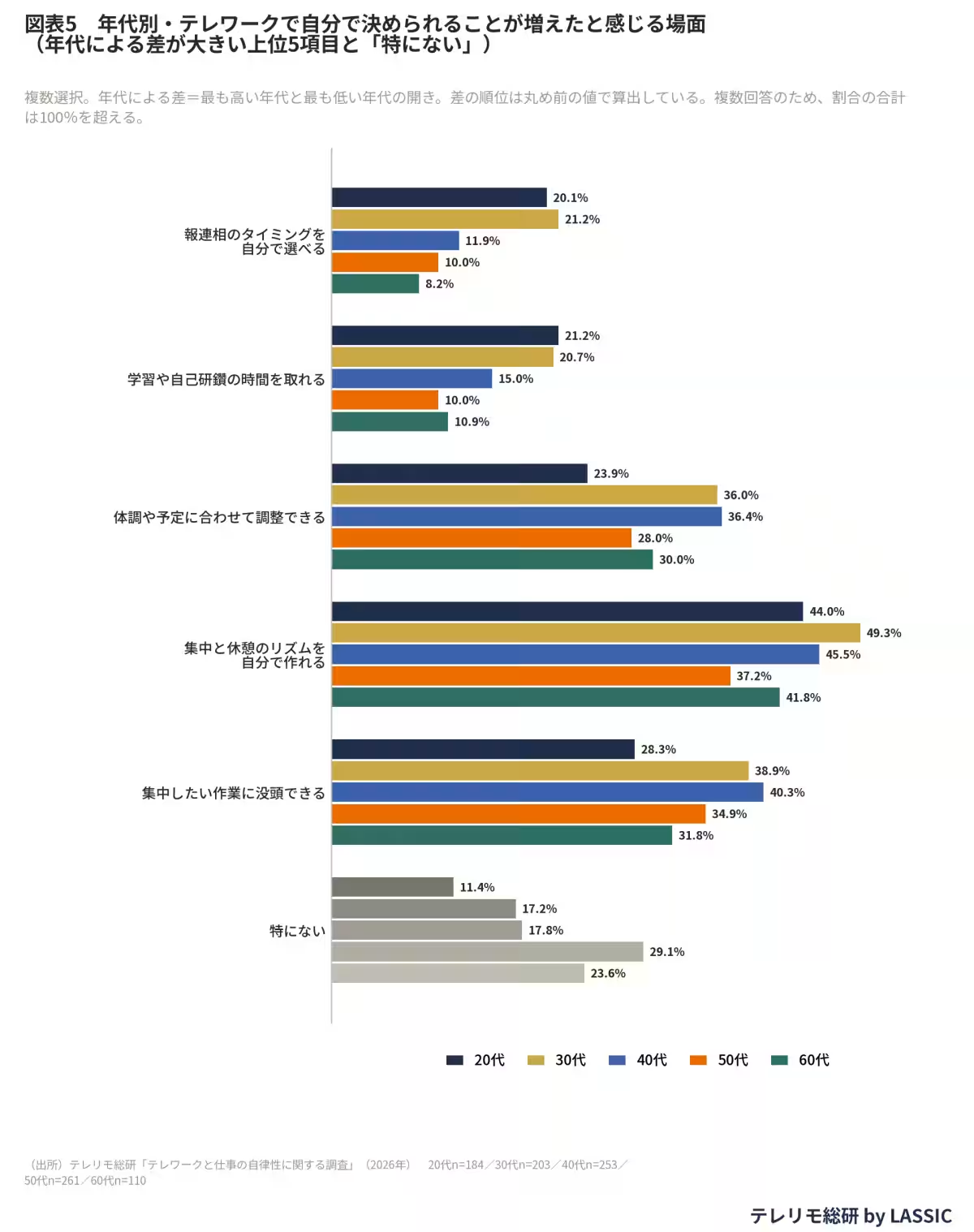
When examining the data further, employee types revealed noticeable differences in autonomy levels. Among those in full remote work, 43.6% felt they could set their own work priorities, while only 21.6% of fully on-site employees expressed the same sentiment. This disparity illustrates the potential benefits of remote work as compared to traditional office settings.
Additionally, the survey indicated that individuals working in a full in-office environment reported the most struggles with concentration, at 27.7%, compared to only 16.0% among full remote workers. Here again, there are clear distinctions in the experience of remote versus in-office employees.
Survey Overview
- - Survey Name: Telework and Work Autonomy
- - Conducted By: LASSIC
- - Duration: August 6-12, 2026
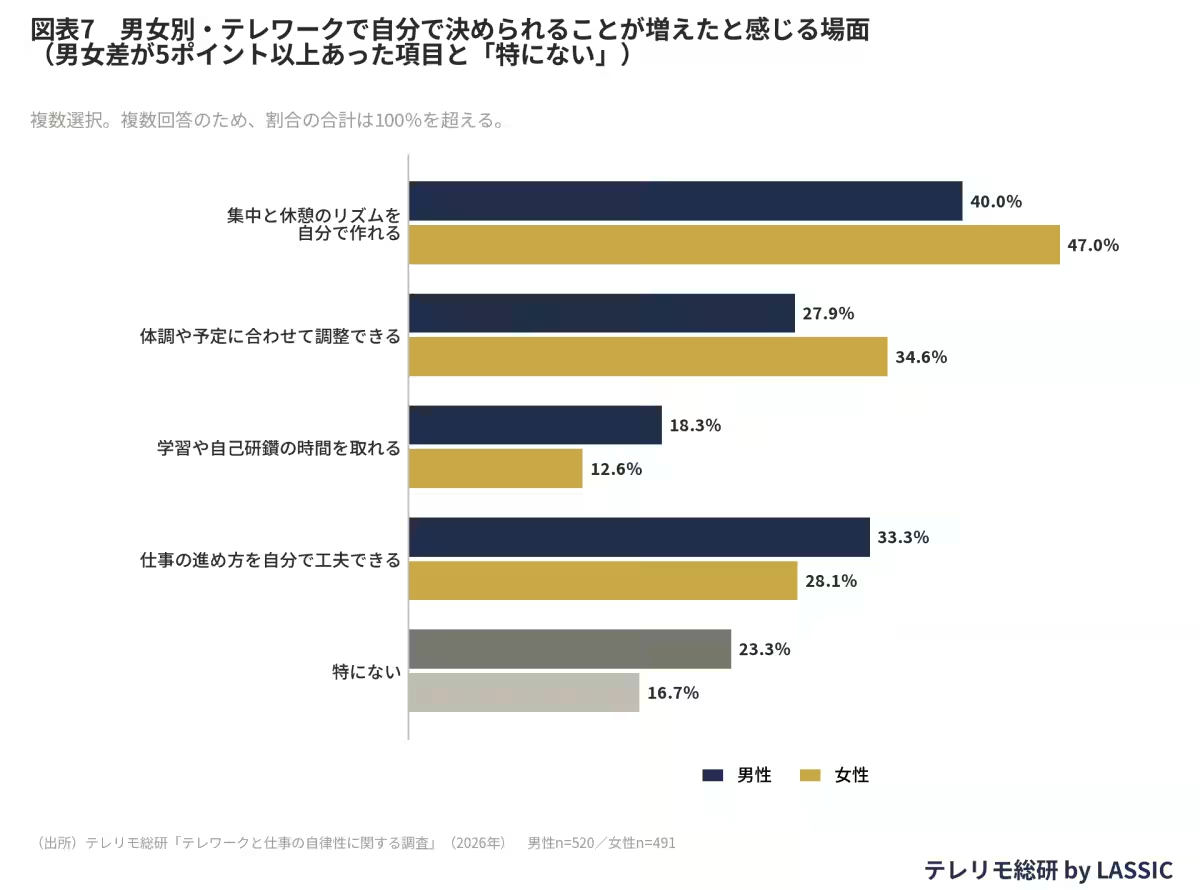
- - Sample Size: 1,004 responses valid (520 men, 491 women)
The findings from this survey speak volumes about the evolving landscape of work and highlight the importance of implementing strategies that can aid individuals in maintaining productivity and focus in a remote work setting while addressing the difficulties encountered by many. LASSIC’s commitment to developing resources and support for remote work aligns with the growing needs in today’s workforce, as corporations look to refine their approaches to employee management and autonomy.
Conclusion
Telework is reshaping the modern work environment, granting individuals greater autonomy in managing their responsibilities. Significant portions of the workforce relish the ability to set their own schedules and work priorities. However, challenges remain, particularly in maintaining focus and communicating effectively with team members. As the future of work continues to evolve, understanding these dynamics will be crucial for both employees and employers in creating a successful teleworking model.


Topics Business Technology)
【About Using Articles】
You can freely use the title and article content by linking to the page where the article is posted.
※ Images cannot be used.
【About Links】
Links are free to use.