



Survey Insights: Job Change Preferences Among People in Their 40s in Japan
Insights from a Recent Survey on Job Search Websites for 40-Year-Olds
In Japan, the job market for those in their 40s presents both opportunities and challenges. A recent survey conducted by CocoMoola explored this demographic's preferences and experiences with job change websites. With a focus on satisfaction, usability, and concerns, the study provides useful insights into the evolving landscape of job searching for older candidates.
Overview of the Survey
The survey targeted individuals in their 40s who have used job search websites. Conducted between March 26 and April 8, 2026, it gathered responses from 127 participants across Japan. The results reveal key insights into which websites are being used, user satisfaction levels, and important factors influencing job changes.
Popular Job Search Websites
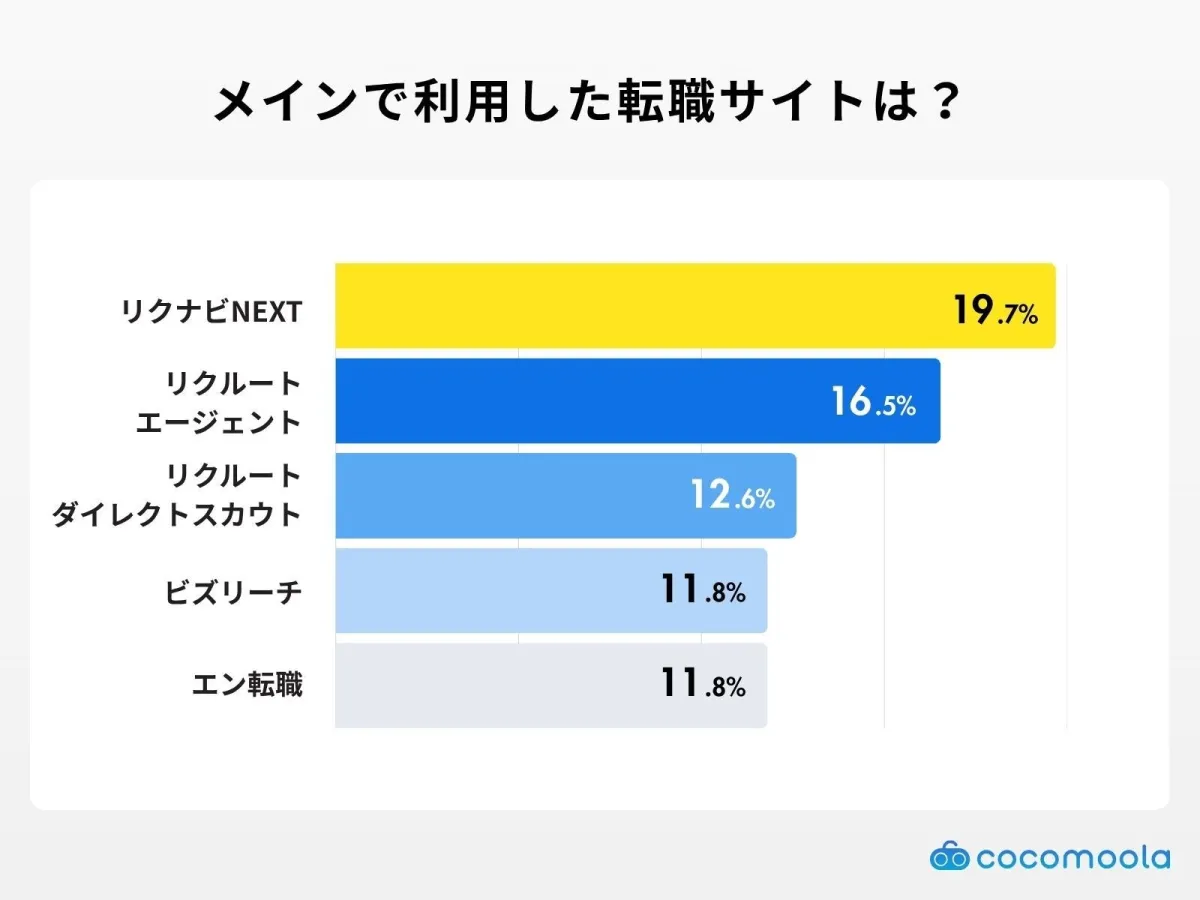
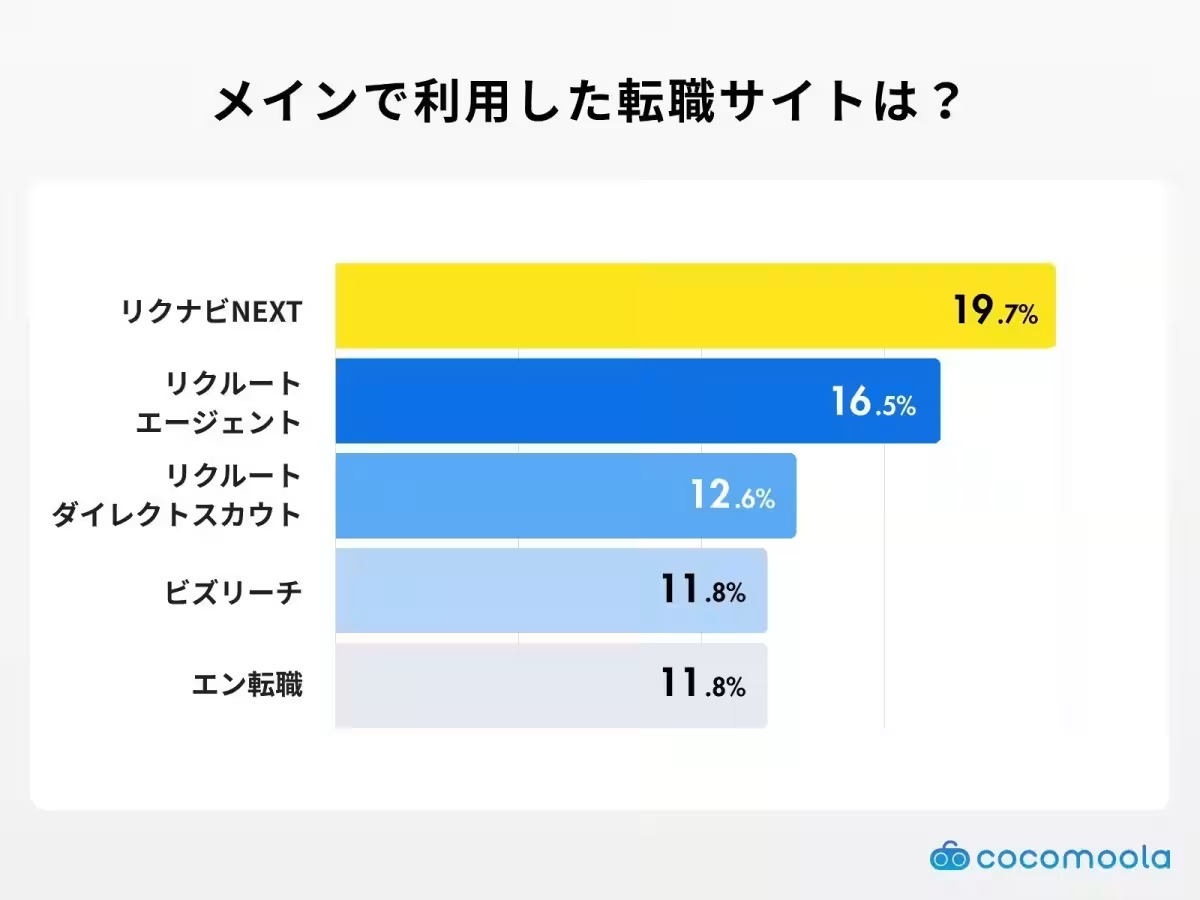
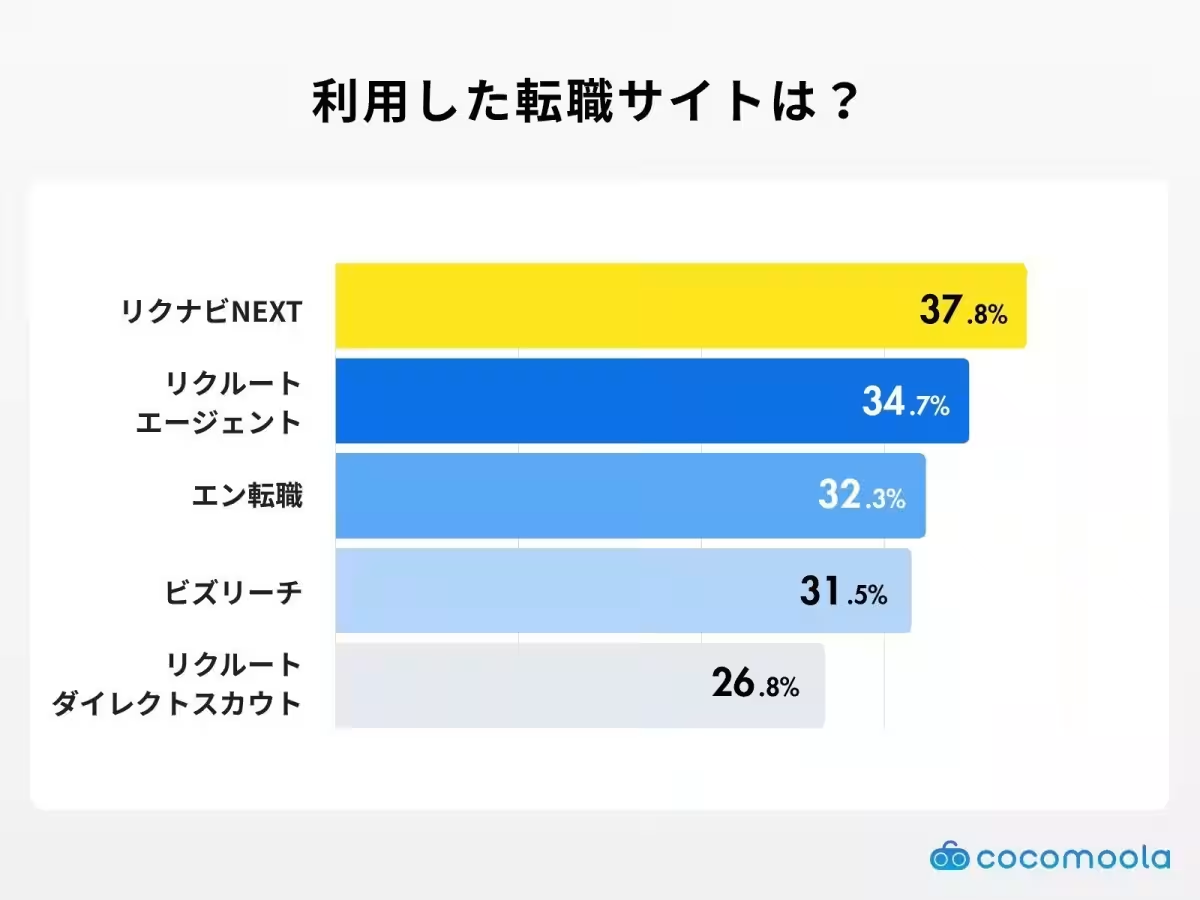
According to the survey, the most utilized job search website was Rikunabi NEXT, used by 37.8% of respondents. Following closely were Recruit Agent at 34.7% and En Ten at 32.3%. This indicates that traditional job boards remain popular, but the trend has leaned towards using a combination of various platforms, including agents. Furthermore, Rikunabi NEXT was also the main choice for 19.7% of users, confirming its dominance in the market.
Satisfaction Levels
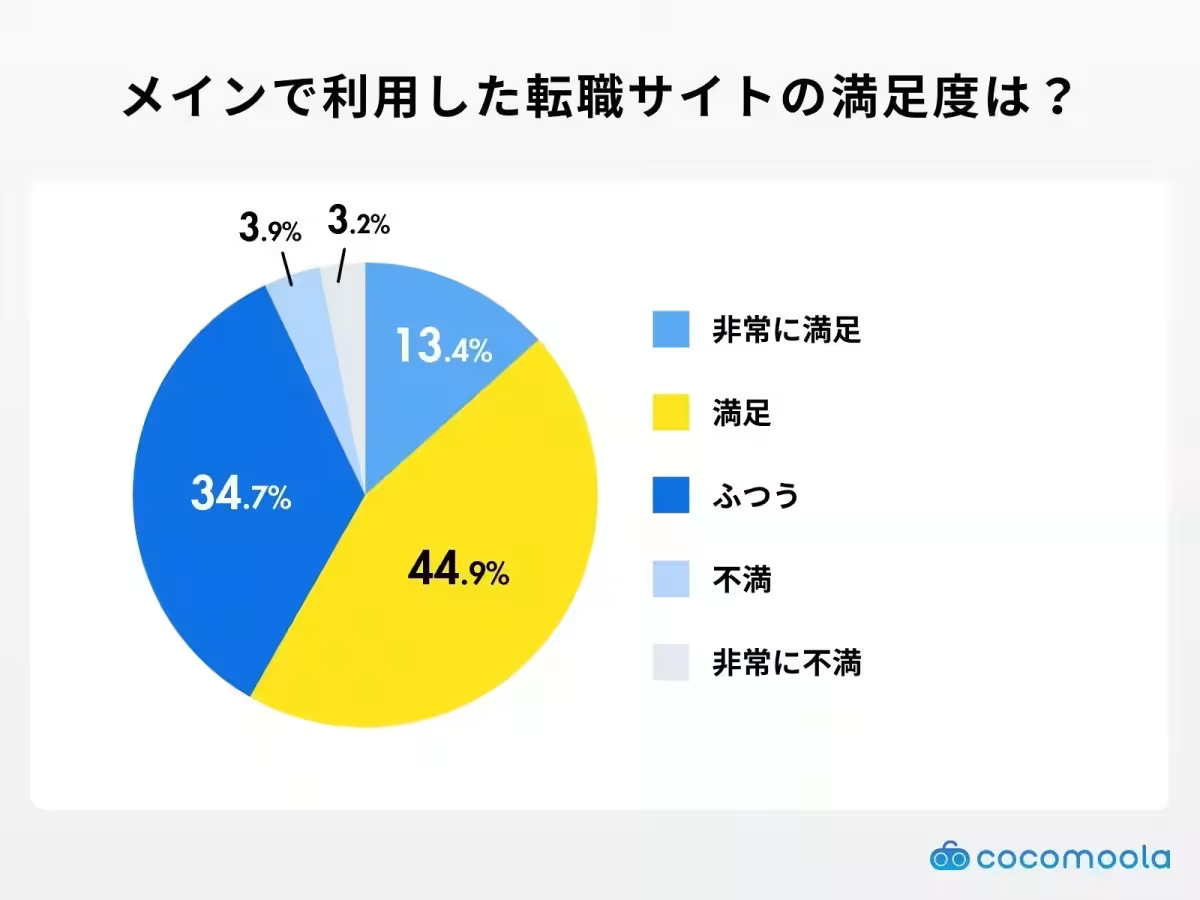
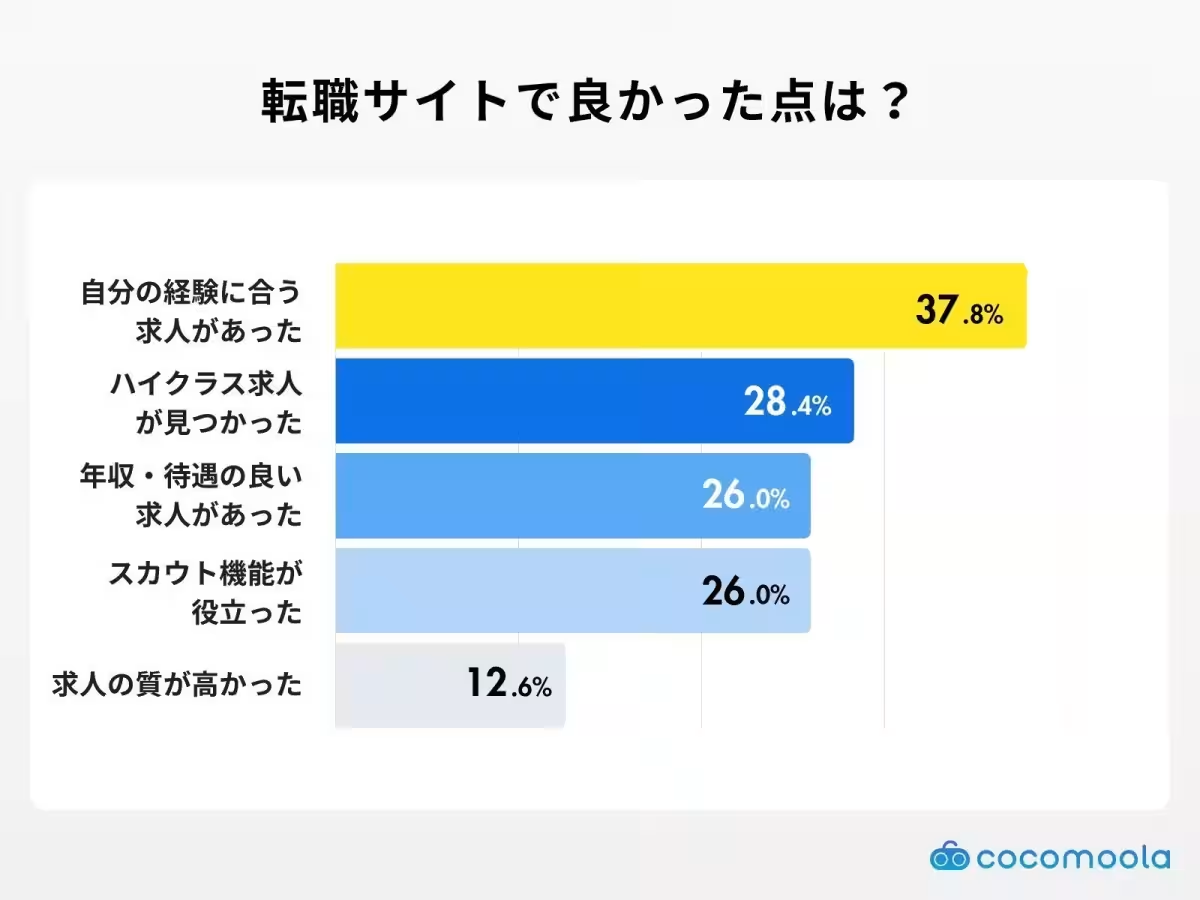
When it comes to user satisfaction, an impressive 58.3% of respondents reported they were satisfied with their chosen platforms. Key reasons for satisfaction included the availability of jobs matching their experience (37.8%) and high-class job openings (28.4%). This emphasizes a demand for roles that leverage their past career experiences.
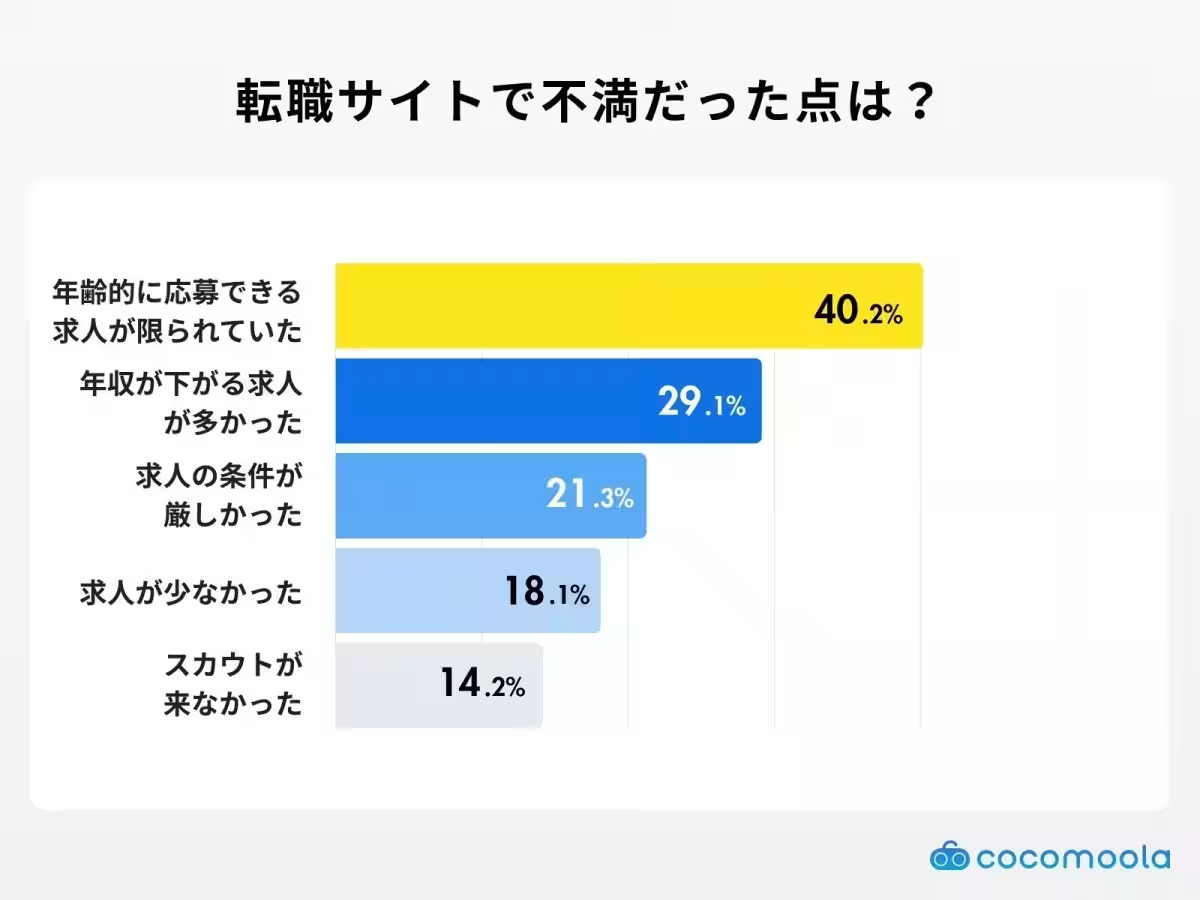
However, not all feedback was positive. A significant 40.2% of participants expressed frustration over the limited job offers available to candidates of their age group. Concerns about salary reductions (29.1%) and strict requirements (21.3%) were also common complaints, indicating barriers that older job seekers face despite a relatively high satisfaction rate.
Key Priorities During Job Changes
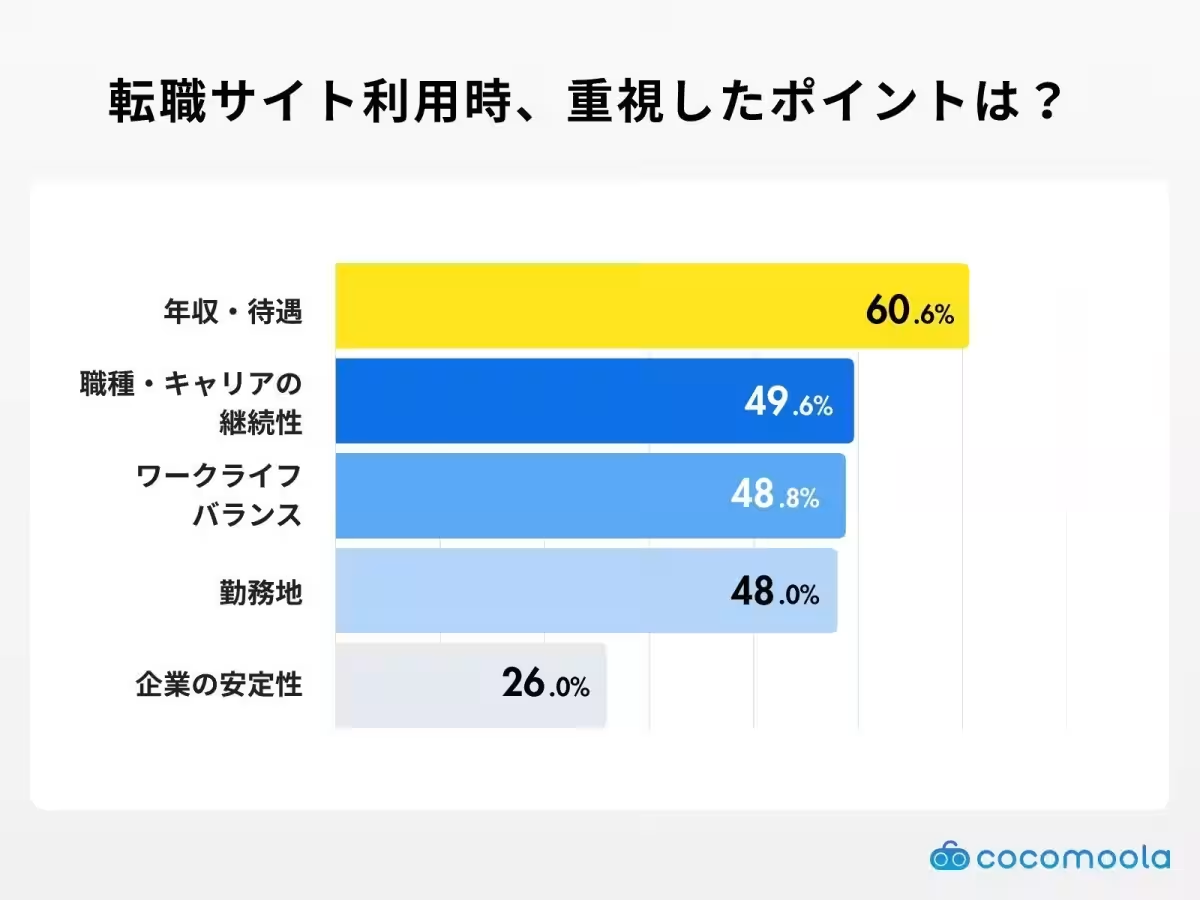
The survey also asked participants about the aspects they prioritize when changing jobs. Not surprisingly, salary and benefits were listed as the most critical factor by 60.6% of respondents. Other significant factors included career continuity (49.6%) and work-life balance (48.8%). The findings reveal a clear expectation among older candidates for fair compensation and sustainable careers.
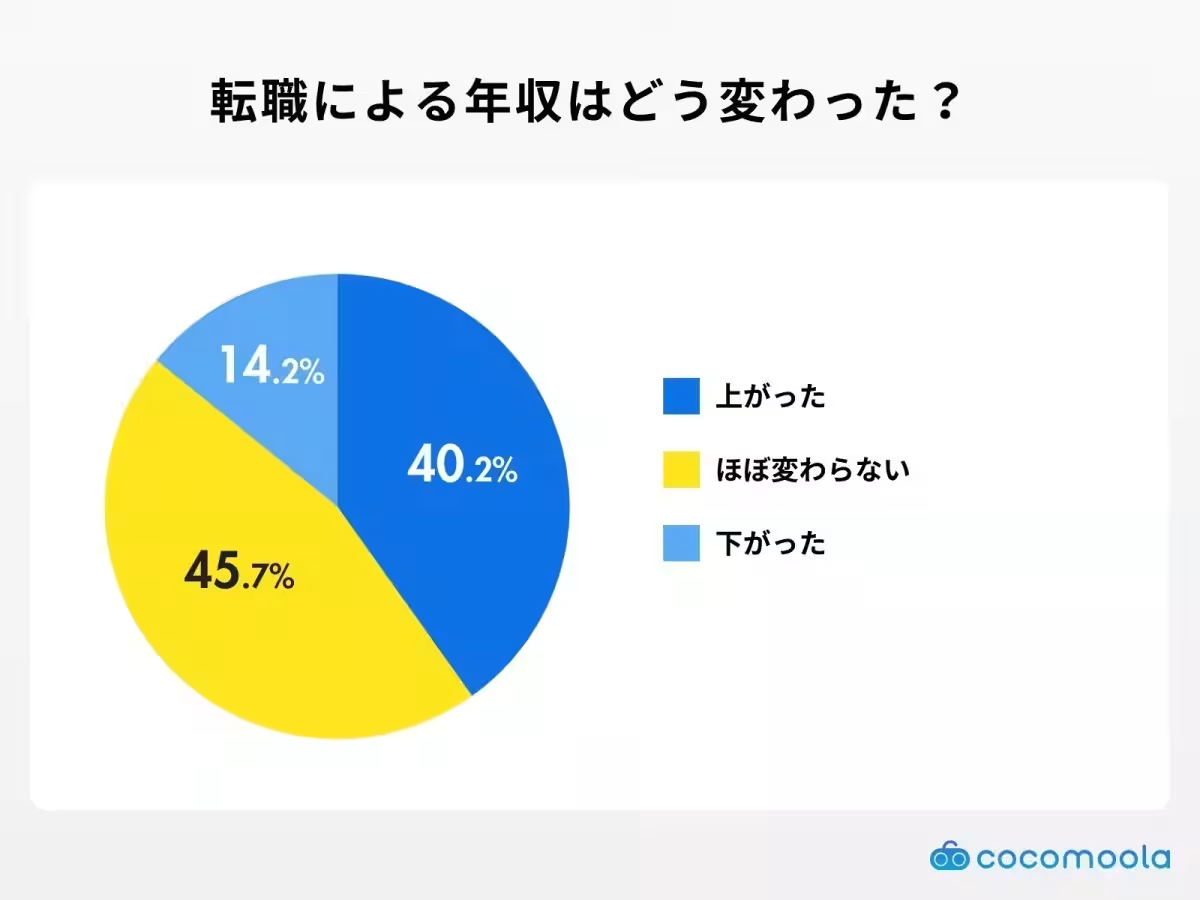
Interestingly, 40.2% of those surveyed reported an increase in their salary following their job change, while 14.2% faced a decrease. This indicates that while many are improving their financial situations, challenges remain for a significant minority.
Methodology of the Survey
- - Target group: Individuals in their 40s who have used job search websites.
- - Number of valid responses: 127
- - Survey period: March 26, 2026 - April 8, 2026
- - Region surveyed: Japan
Summary of Findings
1. Utilization of Job Search Websites
- Rikunabi NEXT: 37.8%
- Recruit Agent: 34.65%
- En Ten: 32.38%
- Other notable mentions include BIZREACH and Recruit Direct Scout, with figures indicating varying preferences in platform usage.
2. Main Platforms Used
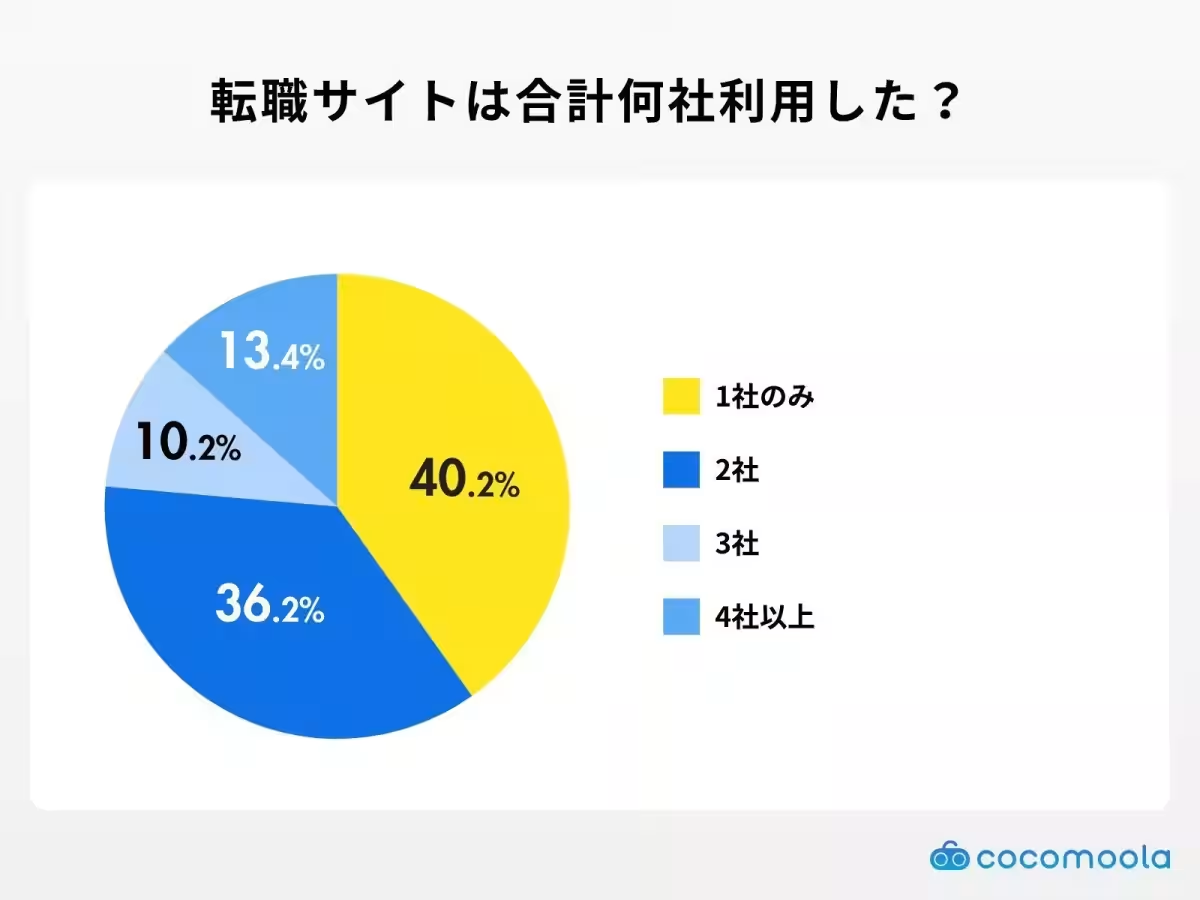
- With a majority utilizing only one or two sites, it's apparent that while options exist, many favor a select few that yield the best results.
3. Satisfaction with Main Platforms
- Positive satisfaction ratings highlight effective matching features, but the concerns regarding age-related barriers illustrate areas needing improvement.
4. Salary Expectations and Outcomes
- A clear inclination towards improved financial prospects juxtaposed with real-world statistics suggests targeted intervention could help enhance outcomes for those experiencing downturns.
Conclusion
This survey sheds light on the perceptions and experiences of job seekers in their 40s regarding job change platforms. Despite facing challenges typical of the age group, there’s a notable level of satisfaction with available tools and opportunities. As the job market continues to evolve, understanding these dynamics will be critical for job platforms aiming to cater effectively to this demographic. The findings serve both as valuable feedback for job search websites and a source of empowerment for older job seekers navigating their careers.

Topics Consumer Products & Retail)




【About Using Articles】
You can freely use the title and article content by linking to the page where the article is posted.
※ Images cannot be used.
【About Links】
Links are free to use.