



Innovative AI Model Unveiled by Indian Students at JETRO's Contest
Exploring New Frontiers in Non-Cognitive Skill Assessment
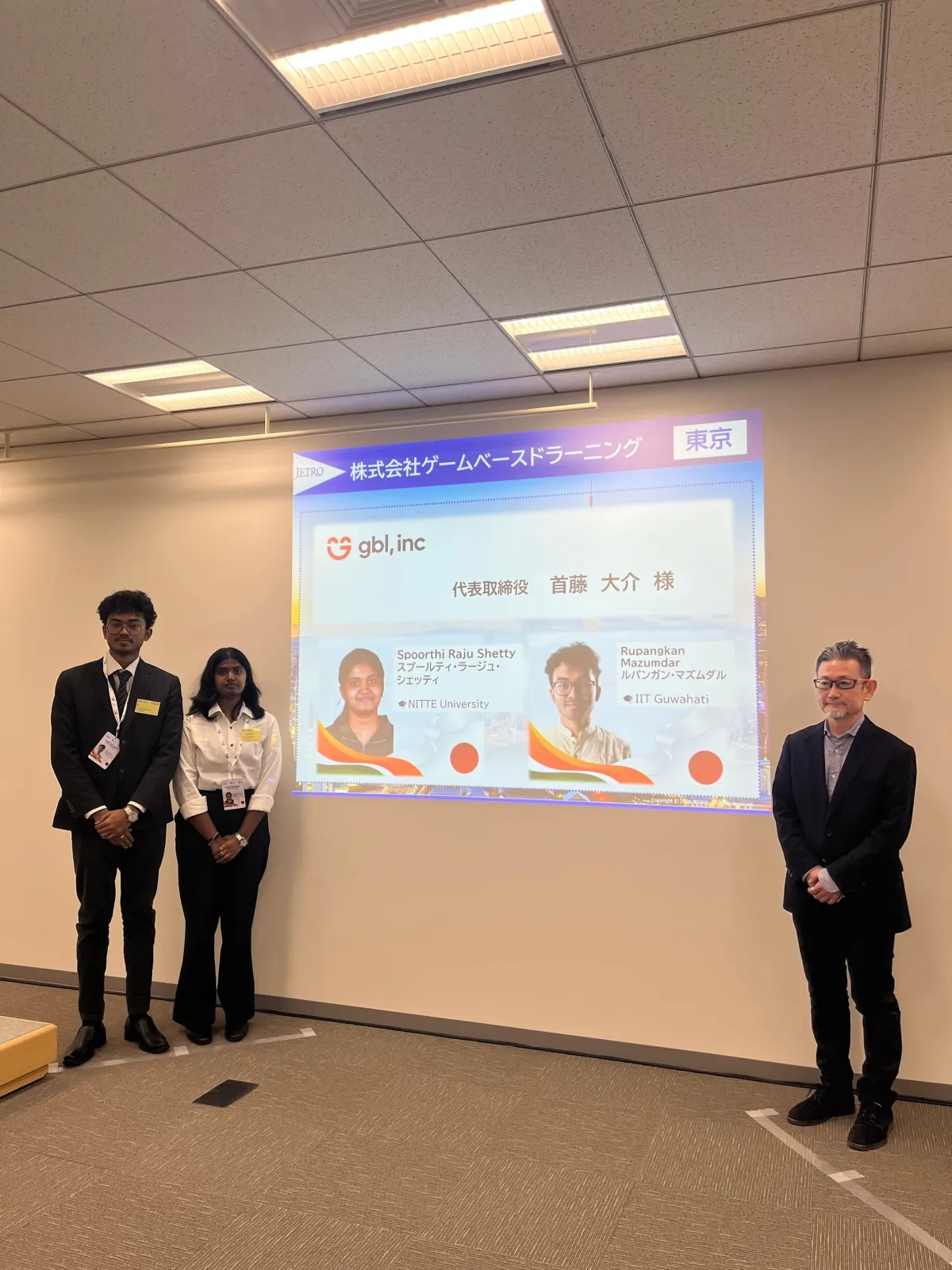
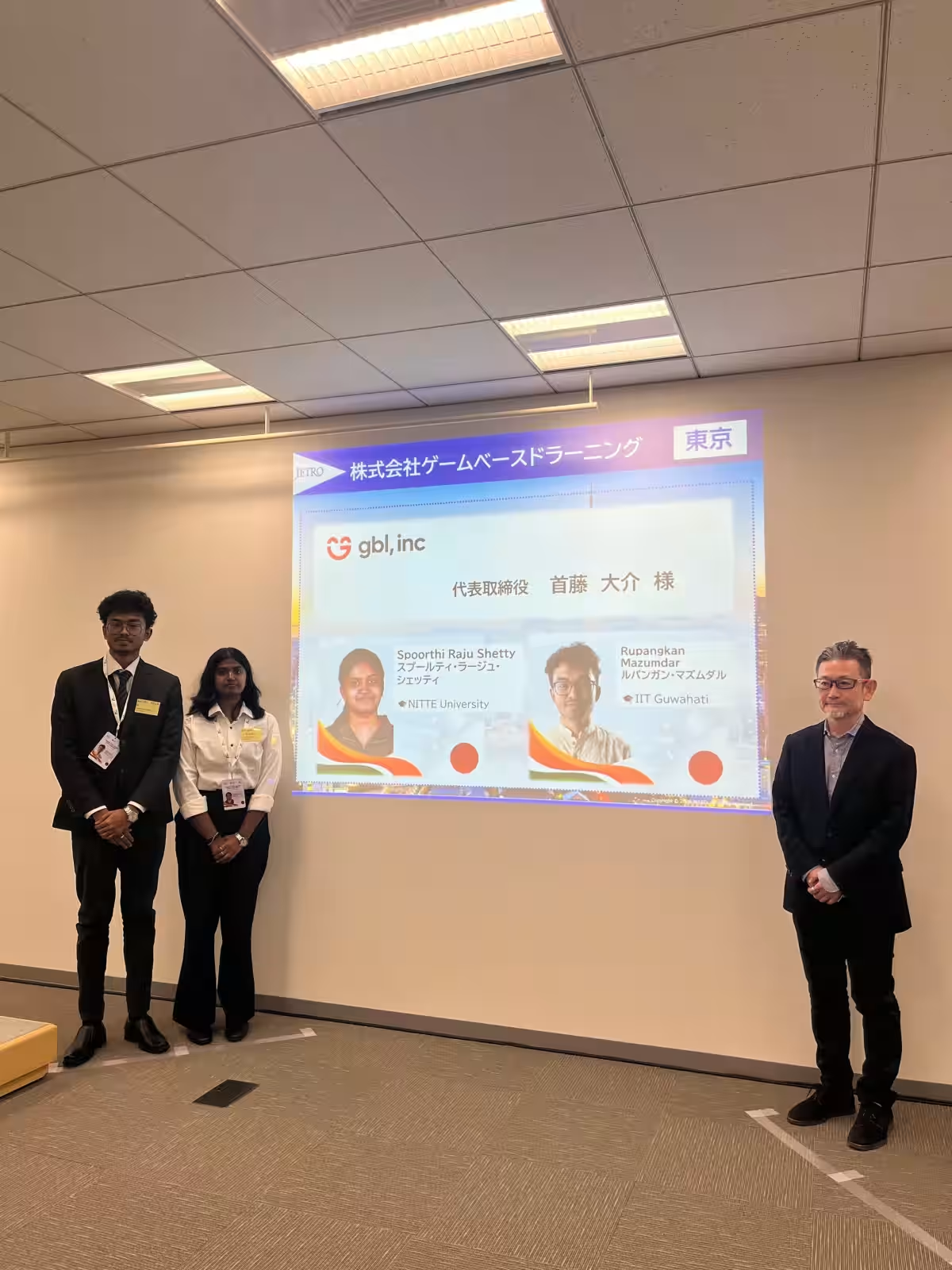
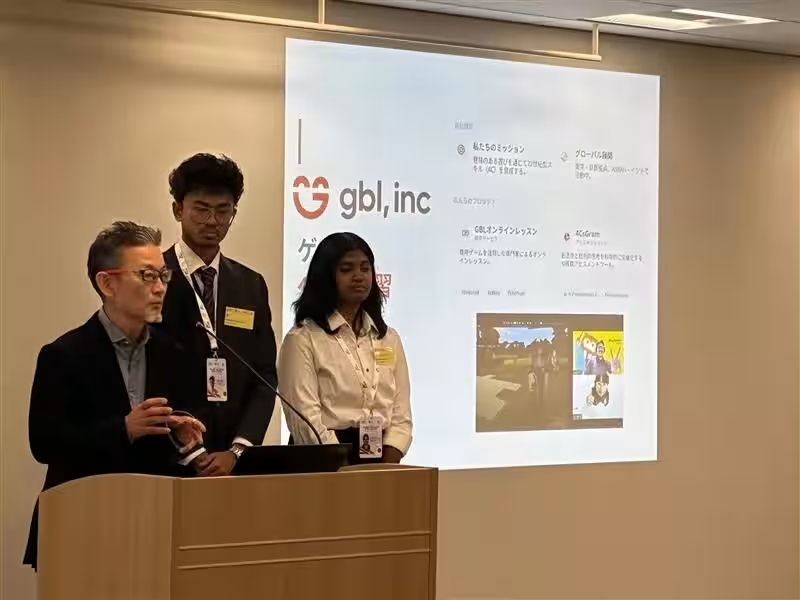
In a groundbreaking event hosted by the Japan External Trade Organization (JETRO), the first-ever 'Talent for Japan Contest' saw a collaboration between Japanese company Game Based Learning Inc. (GBL) and top-tier Indian students. The contest was aimed at addressing the intricate challenges surrounding the measurement of non-cognitive skills, specifically by developing the 'Metrics of Play' – a novel AI-driven model that quantifies gaming experiences to evaluate these elusive abilities.
Understanding the Importance of Non-Cognitive Skills
In recent years, educational institutions have emphasized the significance of non-cognitive skills such as creativity, critical thinking, and collaboration—often referred to as the 4Cs of 21st-century skills. However, traditional assessment methods, primarily paper-based tests, have struggled to measure these skills effectively, leading to a pressing need for objective metrics. GBL Inc. recognized this gap and embarked on a journey to visualize and quantify the processes involved in gameplay, including thinking, collaborating, and adapting.
A Unique Contest for Innovative Solutions
JETRO’s contest called upon Indian students to put forth solutions that could address pressing issues faced by Japanese companies. Out of over 500 submissions from 17 universities, two standout proposals were chosen:
1. Team Cognition Game with AI Analyzer
Proposed by: Spoorthi Raju Shetty from Nitte University (NMAMIT)
This proposed assessment takes the form of a puzzle game involving teams of 5-10 players, where an AI analyzes chat logs and decision-making patterns to evaluate leadership and collaboration skills. Beyond simply measuring outcomes, the framework generates personalized learning modules to address individual skill deficits.
2. SAKURA Framework
Proposed by: Rupangkan Mazumdar from Indian Institute of Technology (IIT) Guwahati
This framework leverages gameplay behavior data to analyze critical soft skills such as creativity, teamwork, problem-solving, and adaptability, visualizing the results as a unified score, known as the 'SAKURA Index,' within a dashboard. It’s a fusion of Japan’s concept of 'Kaizen' (continuous improvement) and India’s AI advancements, designed to support learners' growth over time.
Future Directions: Implementation on Roblox
GBL Inc. has initiated discussions on the technical feasibility of implementing the two winning proposals—Team Cognition Game and the SAKURA Framework—within the global gaming platform Roblox. The company aims to maintain a co-creative relationship with the Indian students while offering next-generation educational services grounded in objective data to educational institutions and corporate training programs.
Student Insights
Both students shared their enthusiasm regarding the project:
"Working on this idea taught me that gameplay can naturally elicit essential soft skills. It has been a rewarding learning process,” said Spoorthi Raju Shetty.
“I truly appreciate this opportunity, as when learning feels like playing, growth occurs naturally, and skills develop effortlessly," added Rupangkan Mazumdar.
Company Overview
Company Name: Game Based Learning Inc. (GBL)
Headquarters: Tokyo and Kyoto
Business Focus: Development and operation of game-based learning tools, GBL online lessons, and the 4CsGram assessment tool.
Mission: To cultivate 21st-century skills (4Cs) through meaningful play.
For inquiries, please contact:
Game Based Learning Inc.
Contact Person: Daisuke Shuto
Website: https://gb-learning.com/
Email: [email protected]

Topics Entertainment & Media)



【About Using Articles】
You can freely use the title and article content by linking to the page where the article is posted.
※ Images cannot be used.
【About Links】
Links are free to use.