



AI Analysis Reveals Insightful Trends in Children's Posture Before and After School Entry
Understanding Children's Posture Through AI Analysis
In a groundbreaking effort to analyze children's posture, Sapeet Inc. conducted a detailed study leveraging their innovative AI posture analysis tool called "Karte Shisei-Karte". The study gathered data from 2,800 children aged 4 to 12, providing significant insights into their postural habits before and after the entrance into elementary school.
In recent years, the trend known as "Ran-katsu"—the activity of choosing and purchasing school backpacks before enrollment—has gained popularity. This transitional phase, from being toddlers to elementary school students, can alter children’s lifestyles, routines, and even their bodily mechanics. With the advent of a new academic year, children adapt to new learning environments, which impact their physical dynamics greatly. Hence, this report focused on identifying the postural characteristics observed prior to school entry and how they evolve as children progress through grades.
Key Findings from the Study
1. Pre-School Posture Imbalance
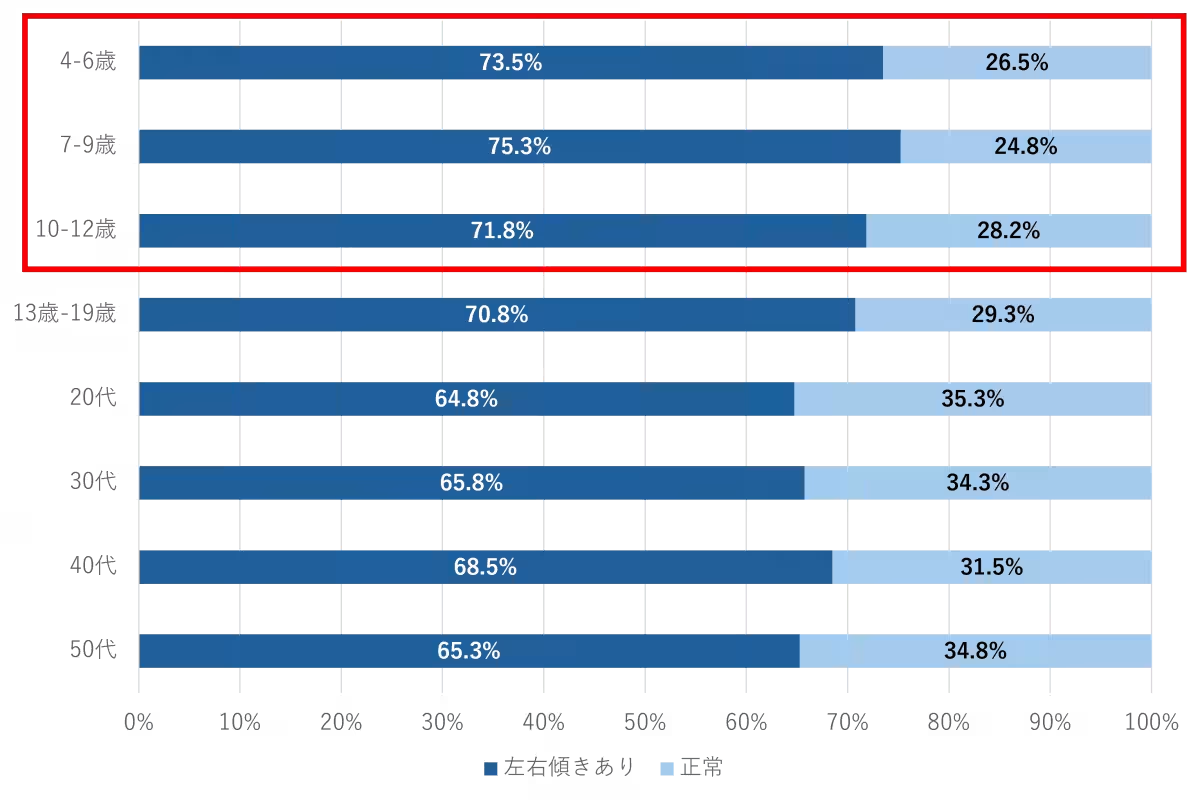
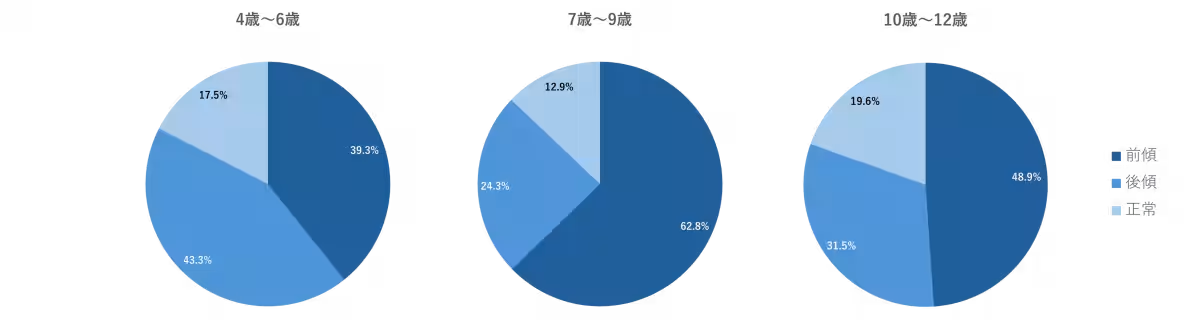
More than 70% of children exhibited "uneven posture"—a tilt to either the left or right side—before starting school. Recognizing this imbalance in posture can be critical for early intervention to promote better growth and development.
2. Straight Posture is Rare
Only about 20% of the children analyzed were found to maintain a straight posture. The analysis highlighted concerning trends in which many children exhibit various degrees of imbalance—a factor that requires attention from parents and educators alike.
3. Forward Head Posture
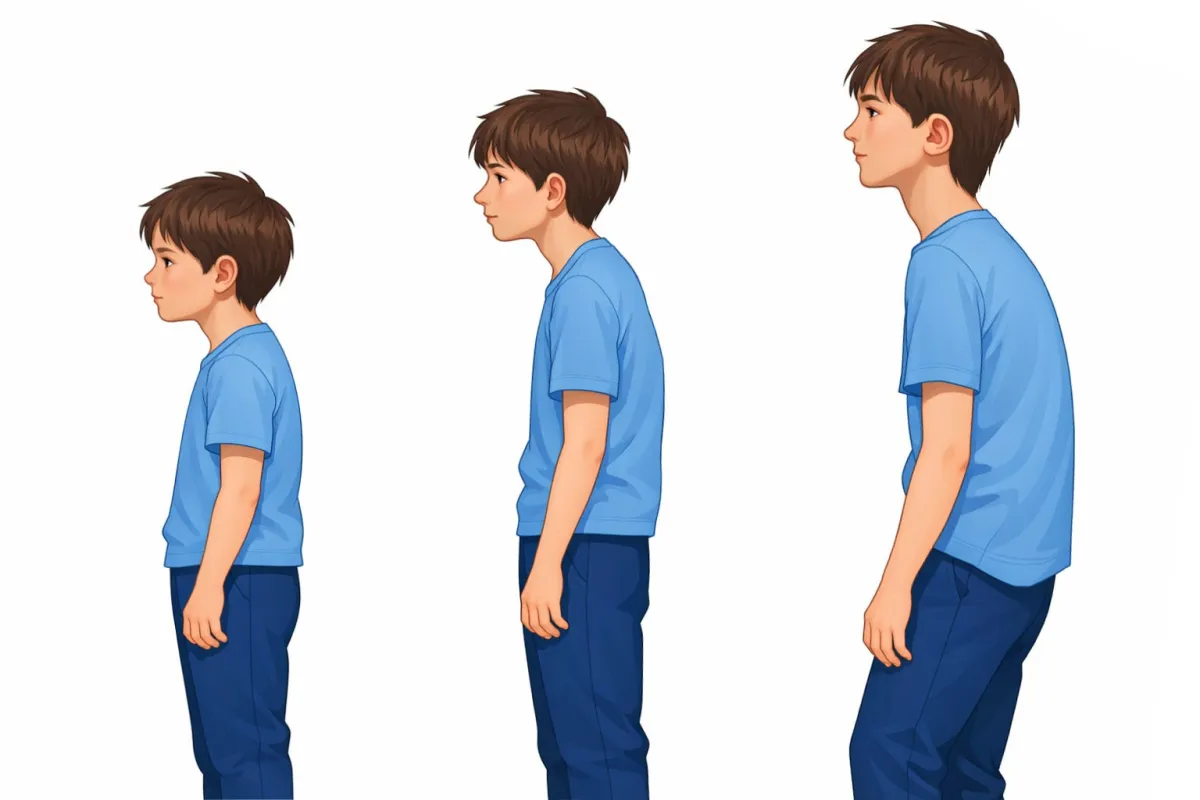
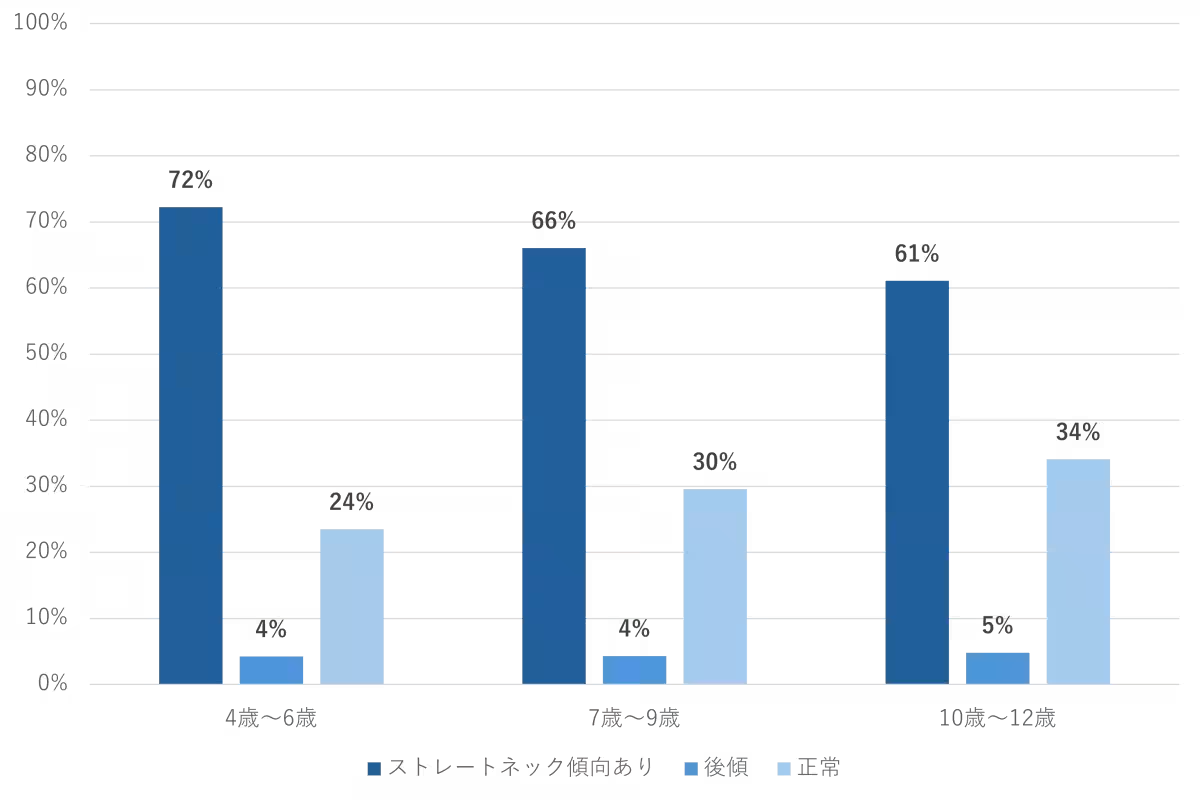
Over 70% of pre-schoolers were noted to have a forward head position reminiscent of "Straight Neck" posture, which, although less pronounced in older children, signals a need for periodic posture assessments as they grow.
4. Increased Kyphosis in Older Children
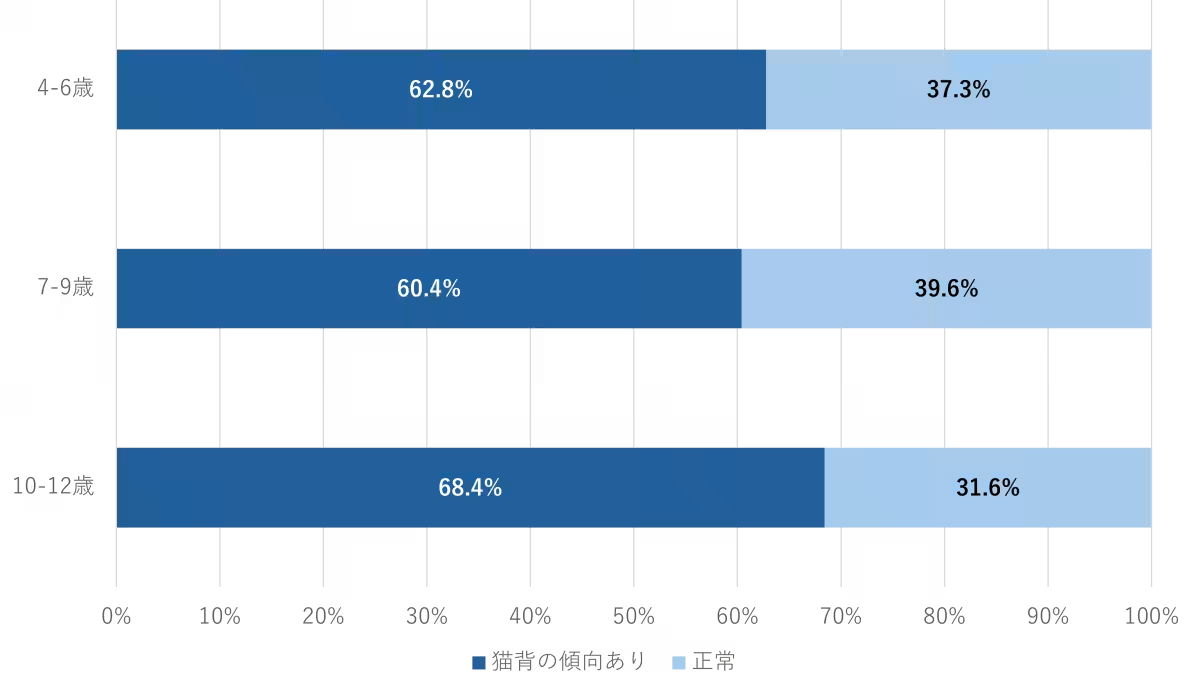
Approximately 70% of children aged 10 to 12 displayed a tendency towards slouching. This trend emerges as they progress through grades and indicates a structural change in their posture from the previously noted forward head position to more pronounced back rounding as they grow older.
Methodology of the Study
The analysis conducted by Sapeet utilized data collected from 4,800 participants from July 2023 to November 2025, with a random selection yielding results from 1,378 boys and 1,422 girls aged between 4 to 12, along with an additional analysis of 1,263 women and 737 men aged 13-59 for comparative purposes.
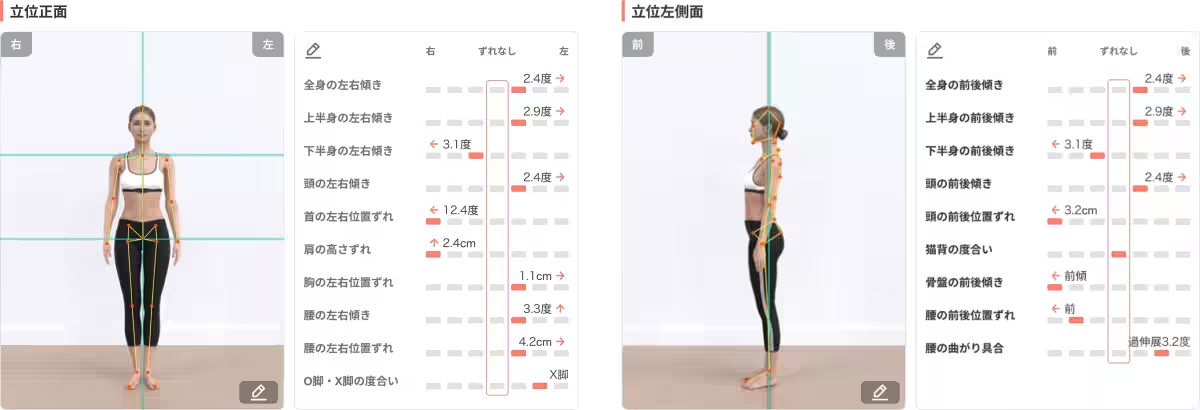
Utilizing AI technology, posture data was assessed through images taken from both front and side angles. The results were anonymized to maintain privacy while providing clear insights into posture trends.
Reflections from a Physical Therapist
According to Fuminaru Sugiyama, a physical therapist at Sapeet, the findings highlight a significant number of children exhibiting poor postural alignment. While some improvement is observed as they age, it doesn't necessarily indicate a resolve in postural issues. Changes in body mechanics can sometimes lead to new forms of postural misalignment. Sugiyama emphasized the importance of using the framework of "Ran-katsu" not just for choosing a backpack, but also as an opportunity to focus on children's postural health during this critical transition period.
Conclusion
The study confirms that notable postural characteristics are already present before school entry and tend to evolve, potentially worsening, as children grow. The findings suggest that posture should not be assessed as a fixed trait but rather as a dynamic condition that needs ongoing attention through various growth stages. Sapeet is dedicated to utilizing its AI technology in the realm of body analysis to continuously support health, ensuring that children grow up with positive postural habits that contribute to their overall well-being.
About Sapeet
Founded in Tokyo, Sapeet is an innovative venture rooted in AI technology aimed at analyzing unique professional insights to enhance core business operations. Their services, such as AI posture analysis, augment the intersection of technology and wellness, helping businesses across various sectors including fitness, chiropractic care, and more.
For more information about their services or to schedule a session using the "Karte Shisei-Karte", please visit Sapeet.
Topics Health)
【About Using Articles】
You can freely use the title and article content by linking to the page where the article is posted.
※ Images cannot be used.
【About Links】
Links are free to use.