



Most Women Fail to Invest in Scalp Care Despite Interest: Study Reveals Underlying Trends
The Scalp Care Investment Gap: Insights from a Recent Study
In a recent survey conducted by nijito, which runs the head beauty brand "haru," a troubling trend has emerged regarding women's scalp care habits in Japan. The study focused on 1,000 women aged 20 to 60 across the country and unveiled some eye-opening facts about spending behaviors and interest levels in scalp care.
Key Findings of the Study
1. Significant Discrepancy in Skincare and Scalp Care Spending
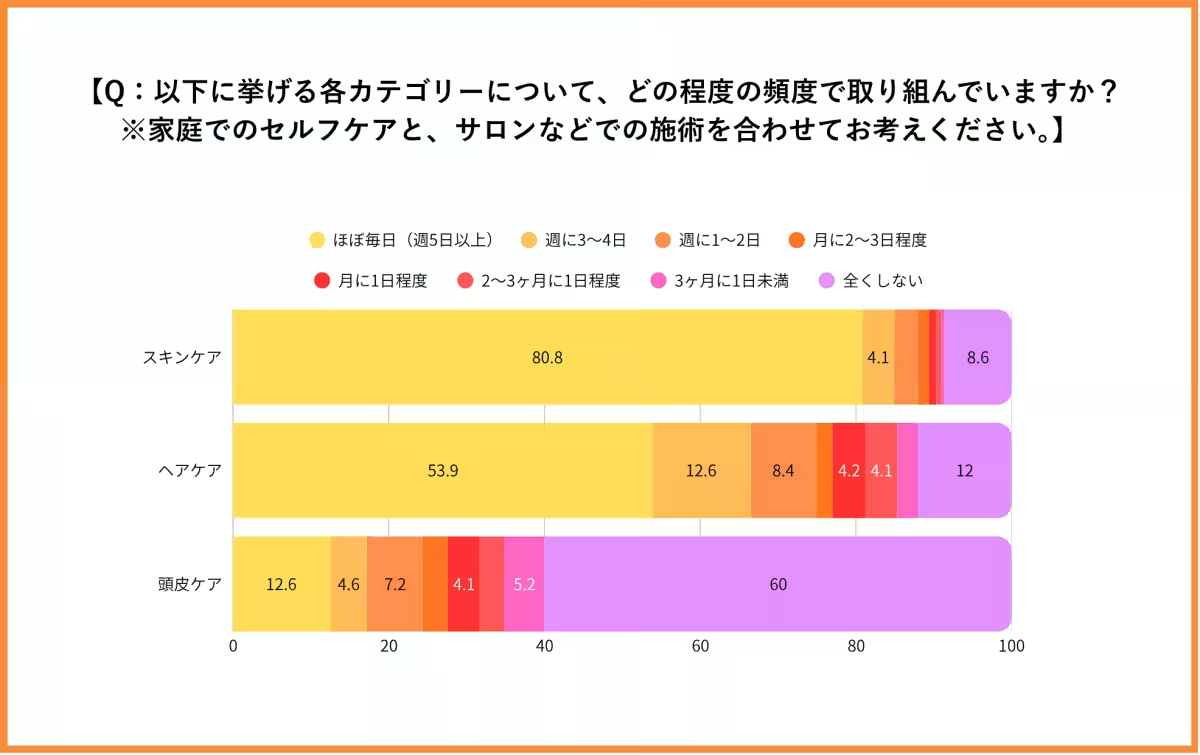
The research concluded that while the majority of women regularly invest in skincare and hair care routines, they largely neglect their scalps. Specifically, 80.8% of participants said they practice skincare almost daily, and 53.9% acknowledged doing the same for hair care. However, a staggering 60.0% admitted to doing no scalp care at all. This shows a stark contrast in the treatment of different beauty aspects.
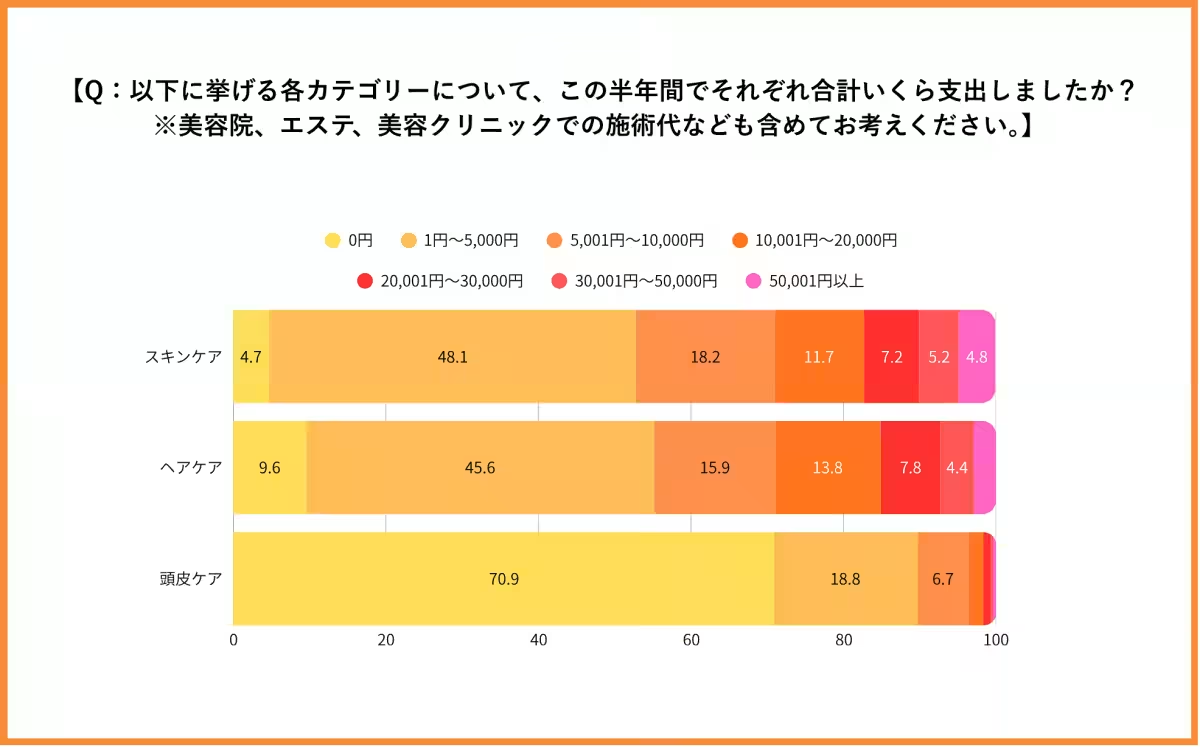
When it comes to financial investments, the results are even more striking. Only 4.7% of respondents indicated they spent nothing on skincare, and 9.6% reported the same for hair care, while an astonishing 70.9% claimed they spent zero yen on scalp care in the past six months.
2. Interest is Present but Action is Absent
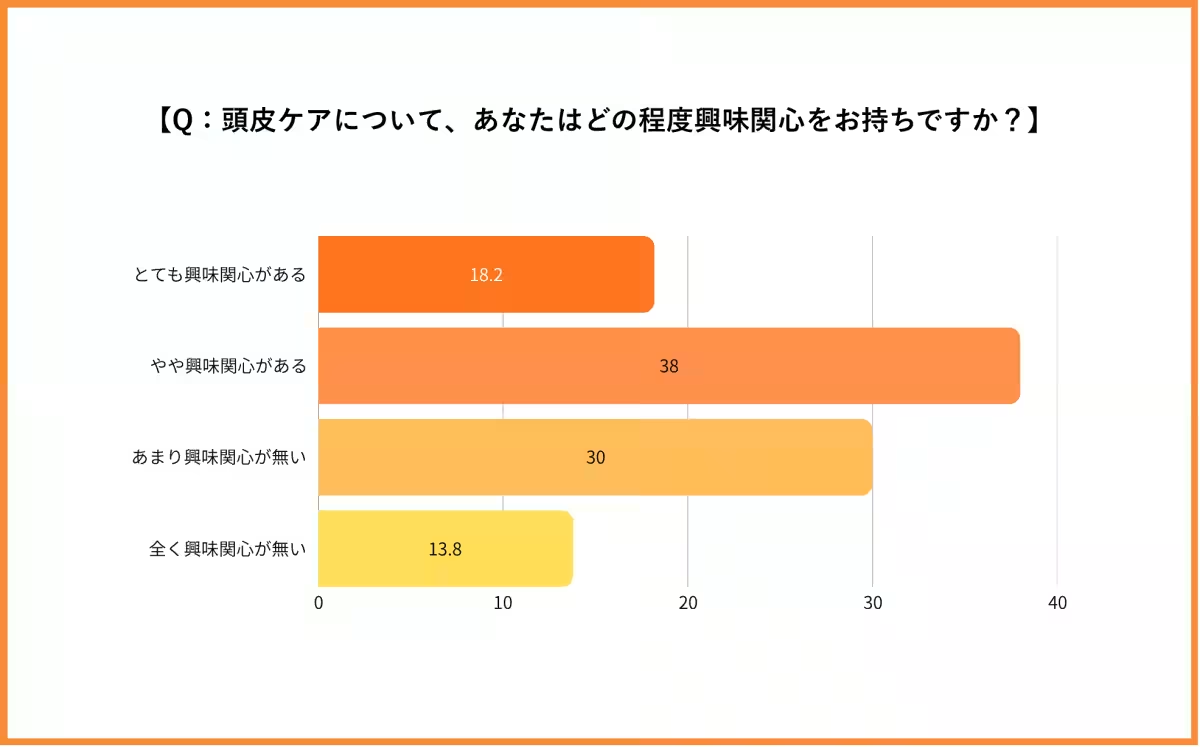
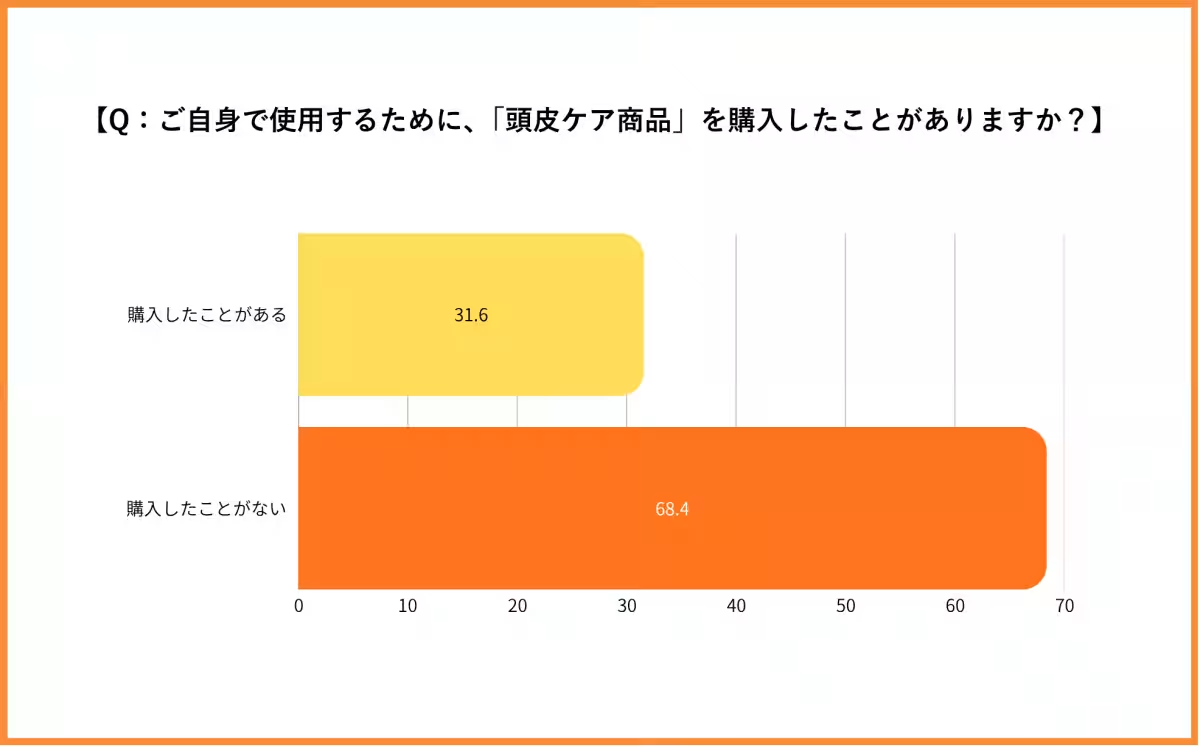
Despite the apparent lack of investment in scalp care, a notable 56.2% of respondents expressed an interest in scalp health. However, only 31.6% reported having purchased scalp care products, highlighting a significant disconnect between curiosity and actual consumer behavior.
This discrepancy between interest and practice suggests that while many women have a desire to care for their scalps, they may be unsure about how to proceed.
Barriers to Scalp Care
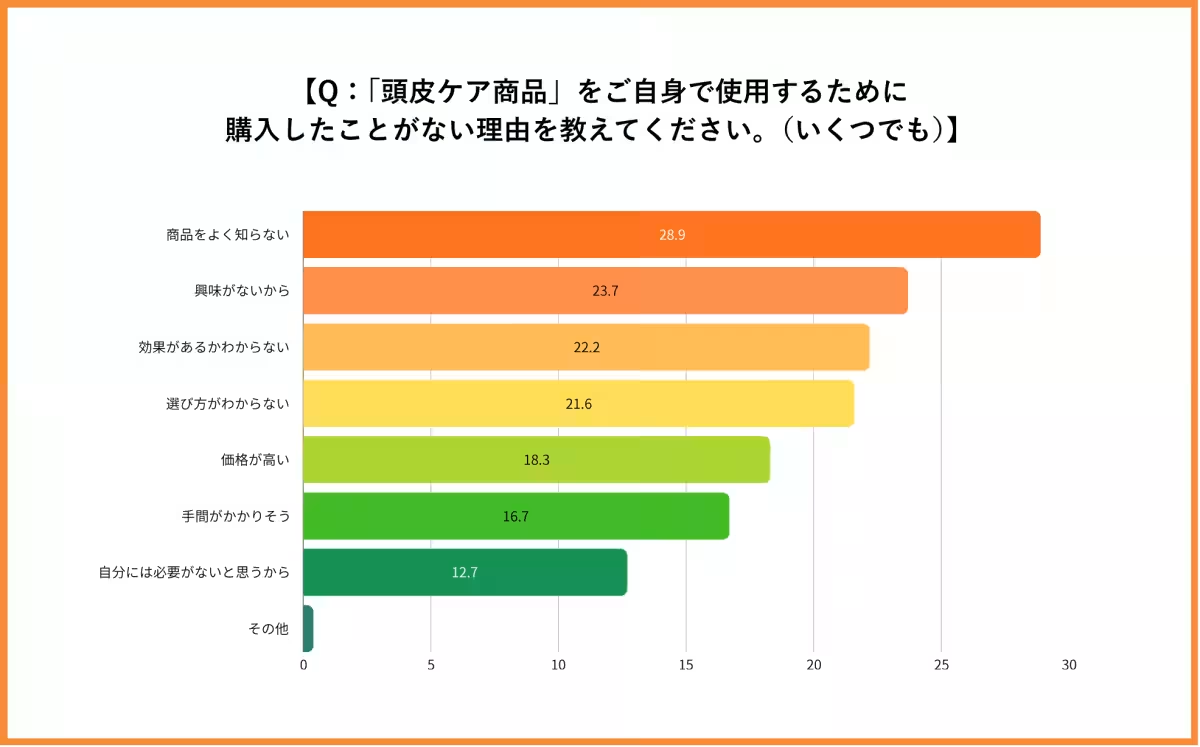
So, what keeps women from investing in scalp care? The survey found several barriers:
- - Lack of Product Knowledge: Nearly 28.9% stated they do not know enough about scalp care products.
- - Uncertainty About Effectiveness: 22.2% were unsure if scalp products would yield tangible results.
- - Difficulty in Selection: 21.6% indicated they find the range of products overwhelming and do not know how to choose.
- - Perceived Time Constraints: Some respondents (16.7%) voiced concerns that adding another beauty step would be too burdensome in their busy lives.
These responses reveal that the issue is not merely a lack of interest, but rather a combination of knowledge gaps and the complexities of establishing a new routine with which they feel comfortable.
Bridging the Gap
The data suggests that many women are in a state of
Topics Consumer Products & Retail)
【About Using Articles】
You can freely use the title and article content by linking to the page where the article is posted.
※ Images cannot be used.
【About Links】
Links are free to use.