



Impact of Inflation on Household Costs and Auto Insurance Expenses Revealed in Recent Survey
Understanding the Rise in Auto Maintenance Costs Amid Inflation
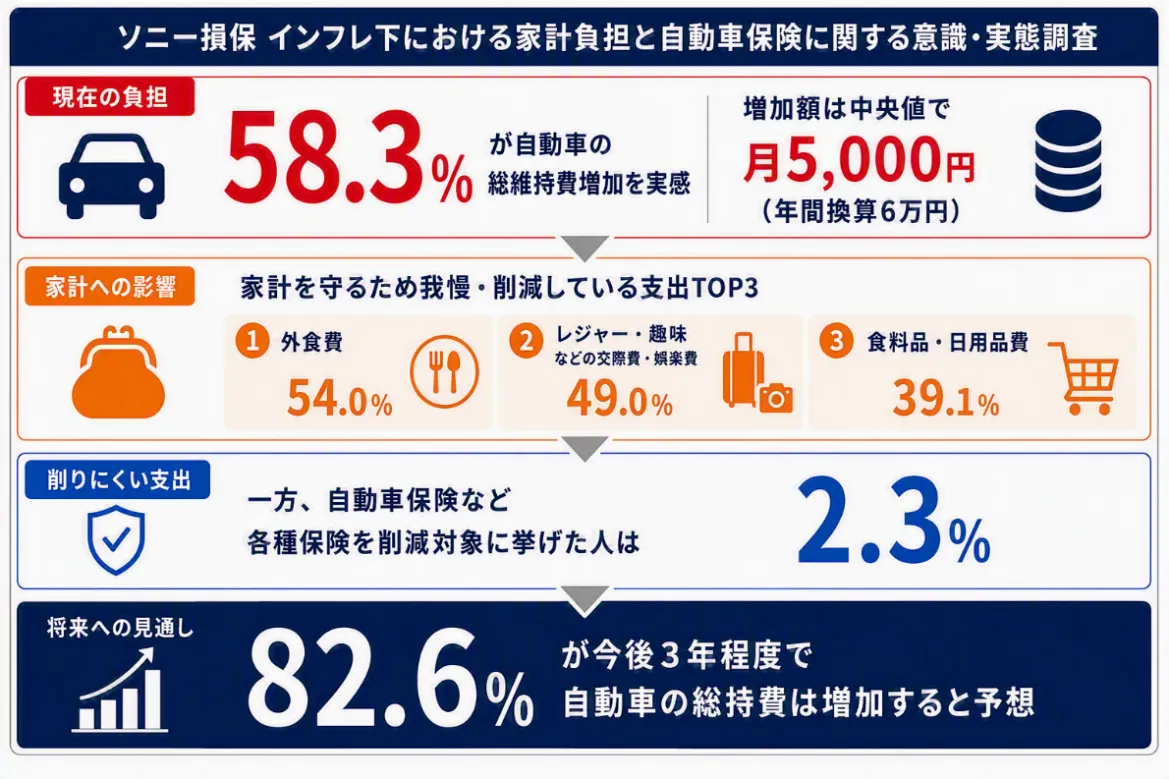
As inflation continues to affect various sectors, a recent survey conducted by Sony Insurance sheds light on the increasing financial burden that car ownership places on households. The survey, targeting individuals aged 30 to 50 who own cars and are involved in auto insurance decisions, reveals that approximately 60% of respondents feel the strain of rising auto maintenance costs, with a median increase amounting to about 5,000 yen monthly, or 60,000 yen over the year.
Rising Costs and Budget Constraints
The survey indicates that the increase in vehicle maintenance expenses, which includes fuel, insurance, taxes, and maintenance fees, is substantially impacting household budgeting. The ongoing rise in food prices, with over 10,000 items affected annually for the past five years, and a notable hike in gas prices are additional challenges that households are grappling with. As of the end of August 2026, the average price of regular gasoline reached 170 yen per liter, with costs hovering around this mark over the past month.
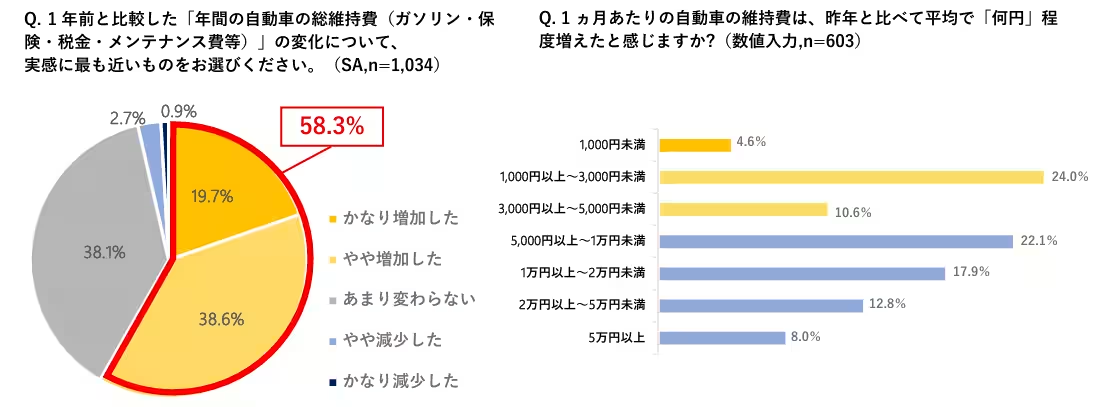
To understand how these factors interplay with auto ownership expenses, Sony Insurance collected data from 1,034 respondents, revealing that 58.3% perceive their auto maintenance costs to have increased compared to the previous year. Furthermore, those who noted an increase reported a median monthly increase of 5,000 yen, emphasizing a significant financial burden that varies among individuals, with some experiencing increases as high as 20,000 yen monthly.
Breakdown of Cost Increases
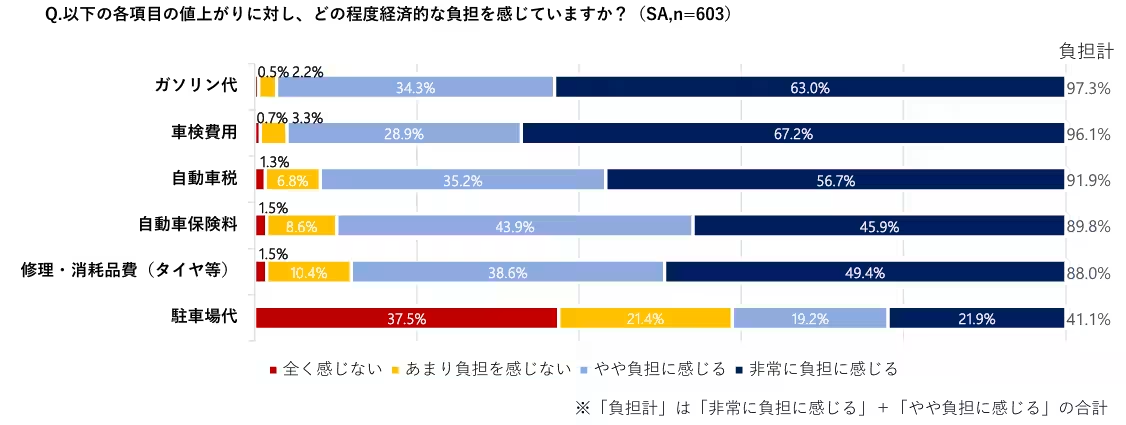
Notably, around 90% of respondents who recognized an increase in maintenance costs reported feeling the financial pressure from rising gasoline prices (97.3%), vehicle inspection fees (96.1%), automobile taxes (91.9%), and auto insurance fees (89.8%). Expenses related to repairs and consumables also reflected a high burden rate (88.0%) among these respondents. In contrast, only 41.1% of individuals noted the pressure of parking fees.
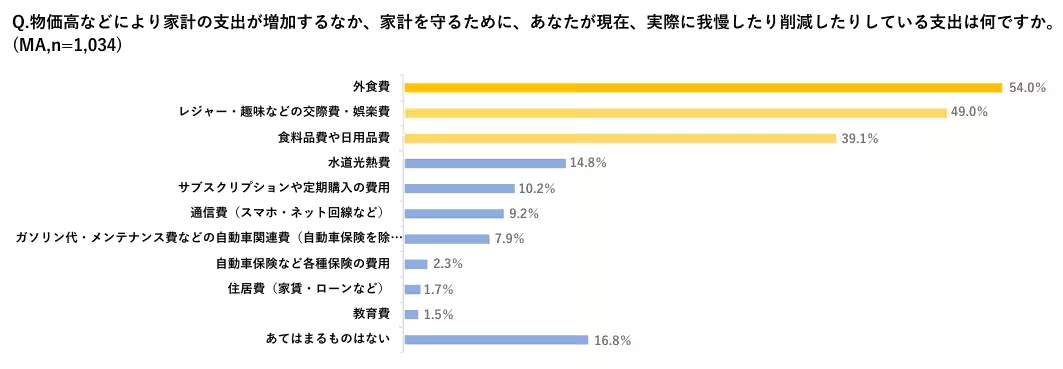
When it comes to adjusting household spending to alleviate financial pressure, more than half (54.0%) of respondents indicated they have cut back on dining out, and about 49.0% on leisure activities and entertainment. Notably, only 2.3% cited auto insurance and other insurance expenses as areas for possible reductions, which suggests that these expenditures are perceived as essential and not easily adjustable.
Concerns Over Future Costs
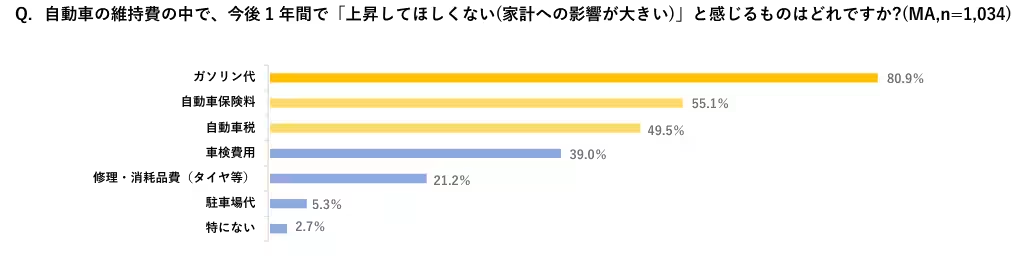
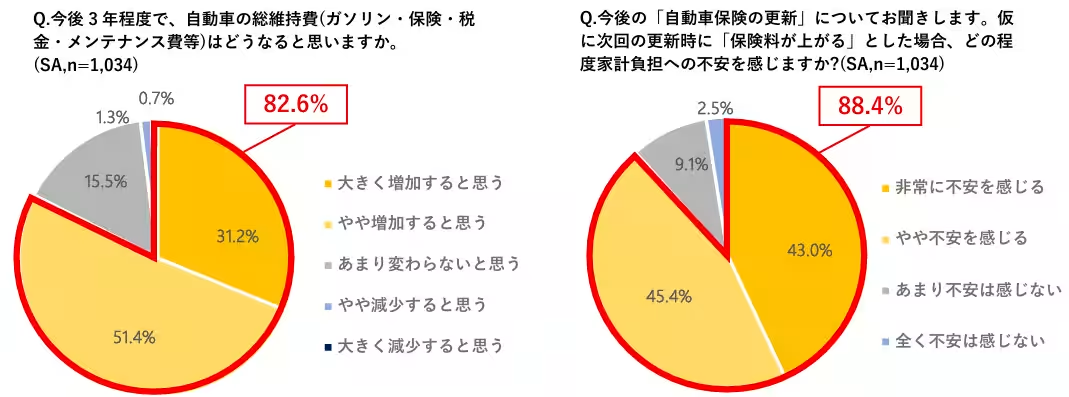
When participants were asked which expenses they would not want to see increase in the coming year, a high proportion identified fuel costs (80.9%) and auto insurance premiums (55.1%) as primary concerns. Additionally, more than 82.6% of respondents forecast an increase in overall maintenance expenses over the next three years, highlighting a growing concern amongst car owners regarding the sustainability of their current financial situations.
A staggering 88.4% expressed anxiety about potential increases in auto insurance premiums during the next renewal period, indicating a widespread concern about how such changes might further strain household finances.
Conclusion
The survey reflects a broader trend where inflation affects not only essential goods and services but also the fundamental costs of owning a vehicle. With households prioritizing expenditure, the persistence of rising auto maintenance costs could lead to significant shifts in consumer behavior, making it crucial for stakeholders in the auto insurance industry to address these ongoing concerns. As future predictions suggest a continued increase in costs, the implications for budgeting and financial management will be substantial for families navigating this challenging economic era.
Topics Consumer Products & Retail)








【About Using Articles】
You can freely use the title and article content by linking to the page where the article is posted.
※ Images cannot be used.
【About Links】
Links are free to use.