



Exploring the Reality Behind B2B Internal Review Materials and Decision-Making
The Reality of Internal Review Materials Used in B2B Business
In recent findings presented by IDEATECH, a leading research marketing firm based in Tokyo, it has become increasingly evident that the dynamics surrounding B2B internal review materials are far more complex than previously considered. A joint survey conducted with Bizibl Technologies involved 317 business professionals, focusing on the content and usage of internal materials related to B2B products.
Key Findings of the Survey
The survey yielded several notable insights:
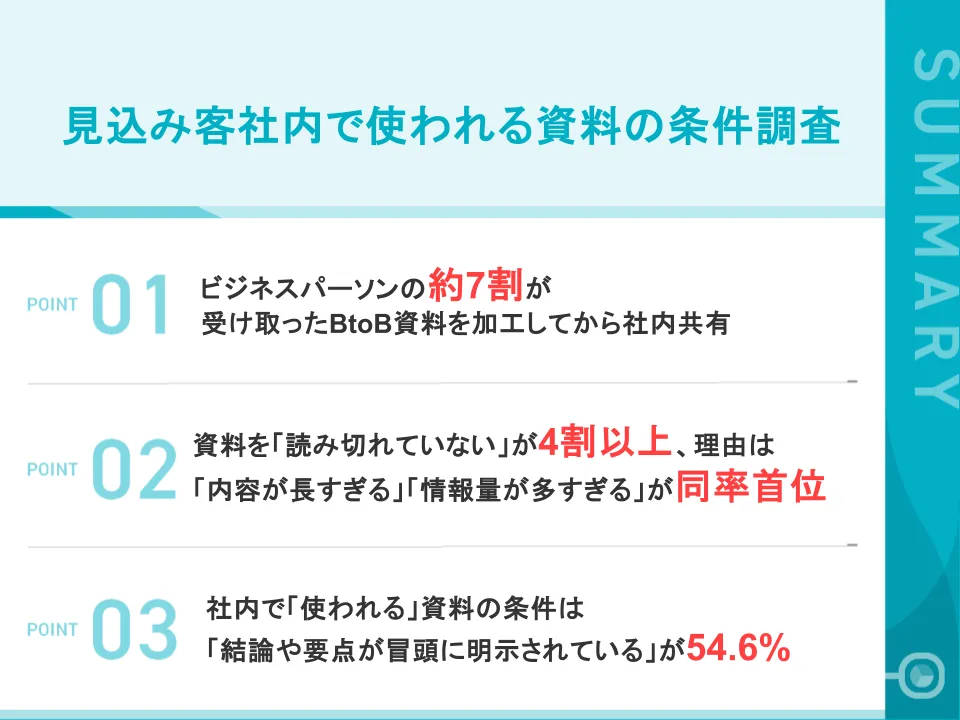
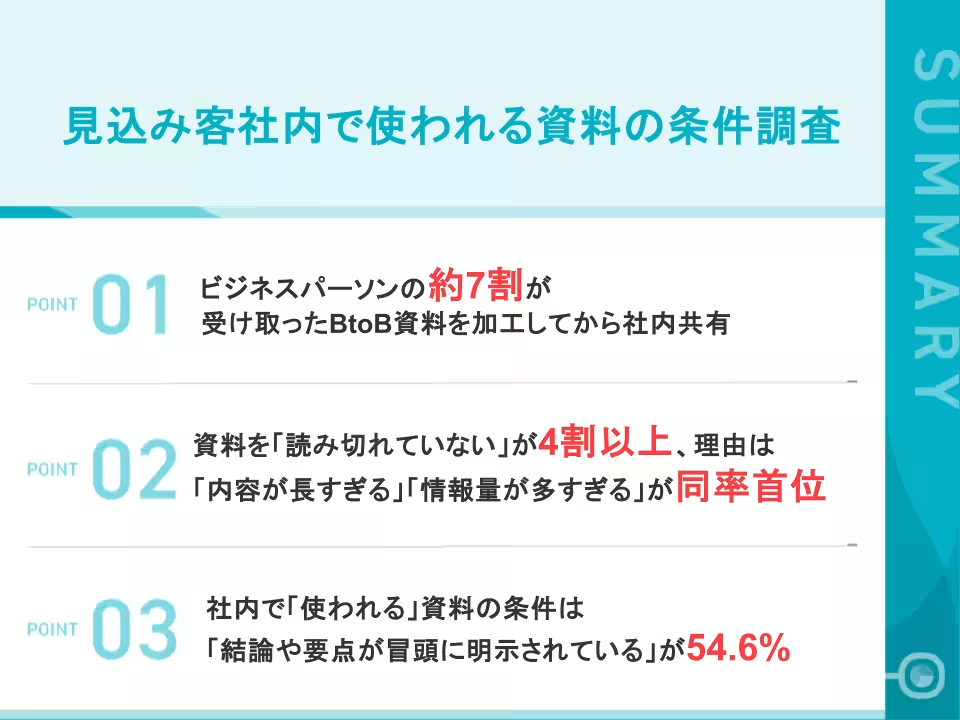
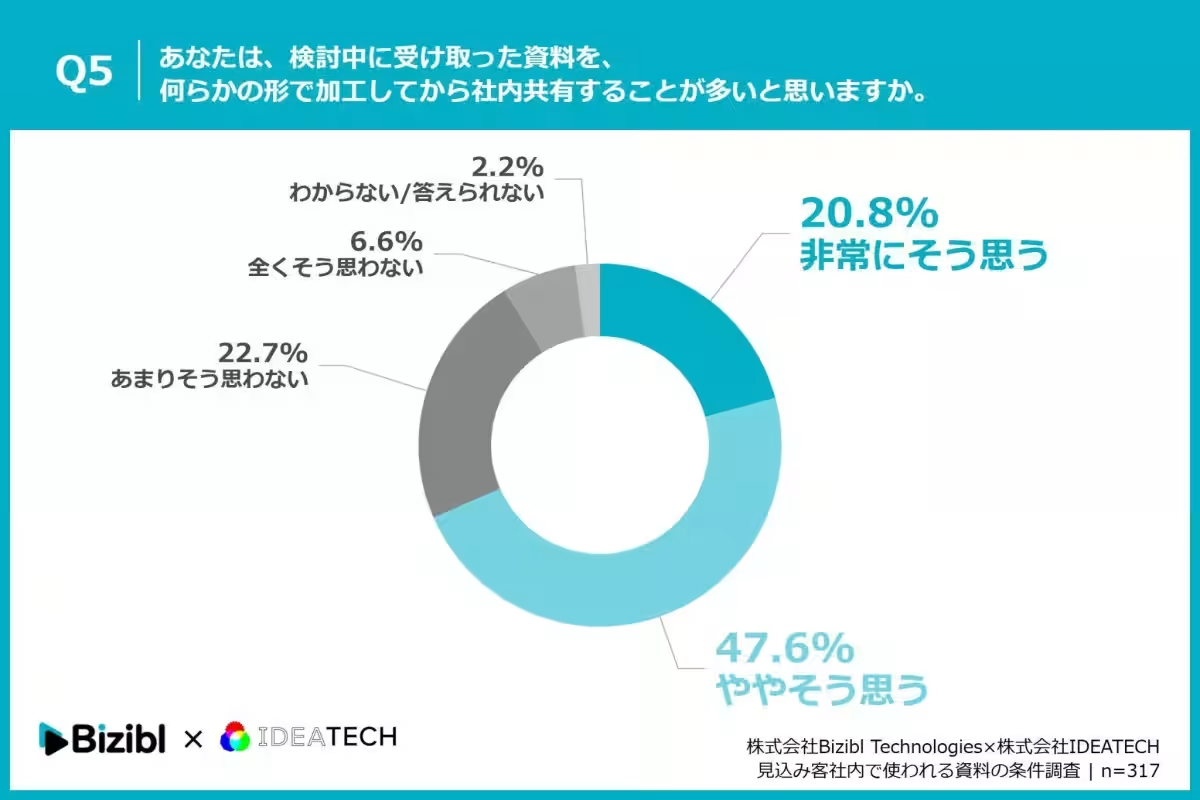
- - Modification of Materials: Approximately 70% of the respondents indicated that they often modify the B2B documents they receive before sharing them within their companies. This tells us a lot about the trust and usability of the materials provided by vendors.
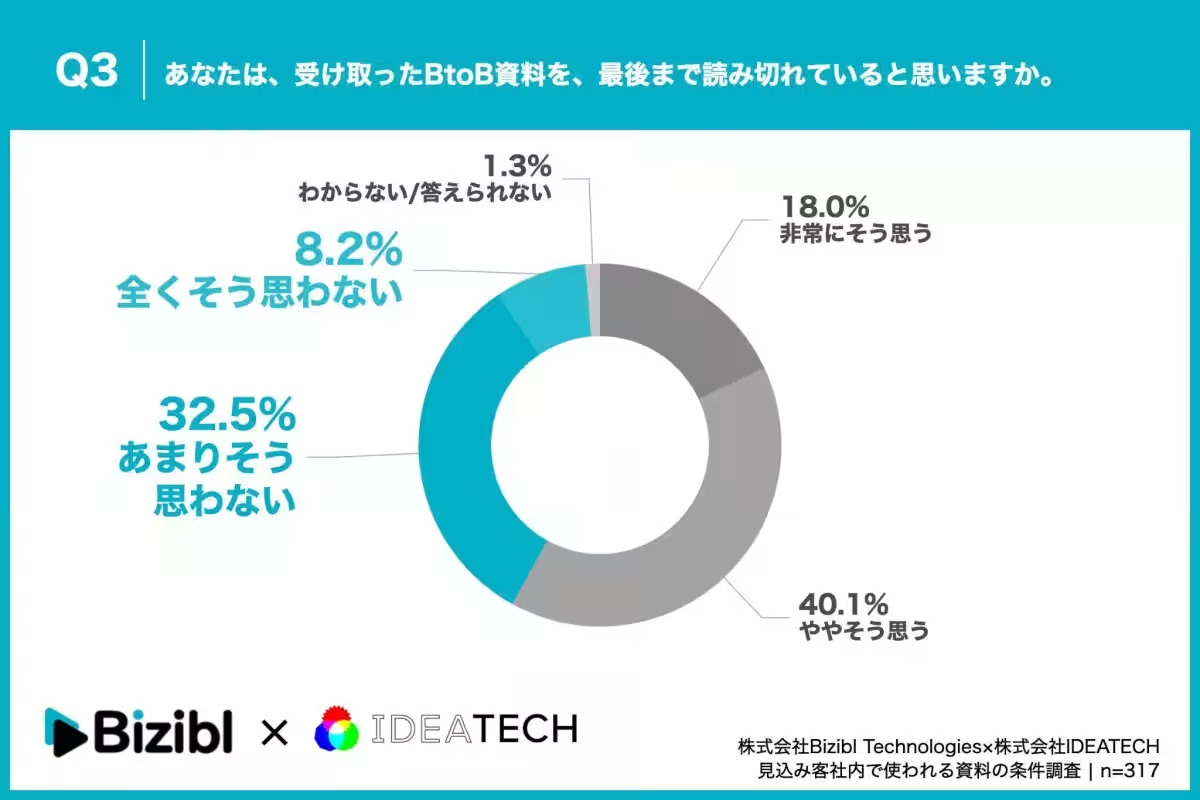
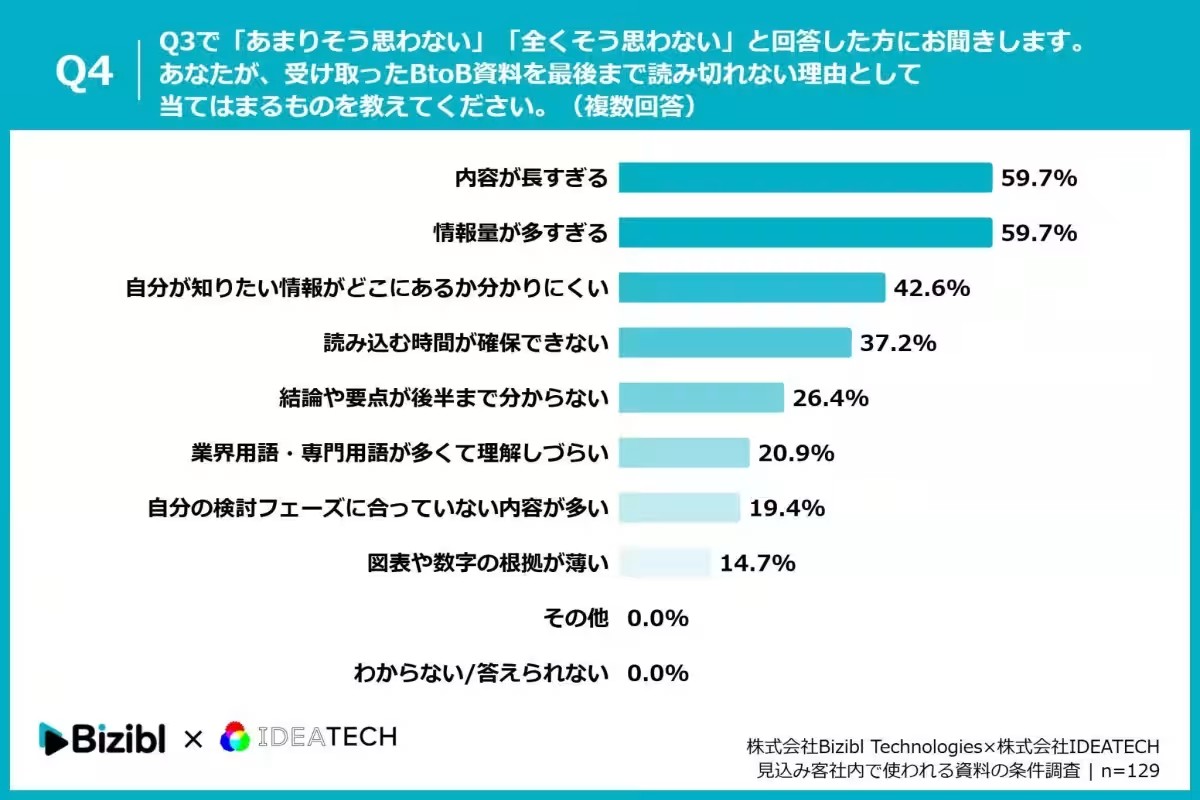
- - Reading Challenges: Over 40% of participants reported they did not read the B2B materials in their entirety. The primary reasons cited included the excessive length of content and an overwhelming amount of information, both of which were mentioned equally by respondents.
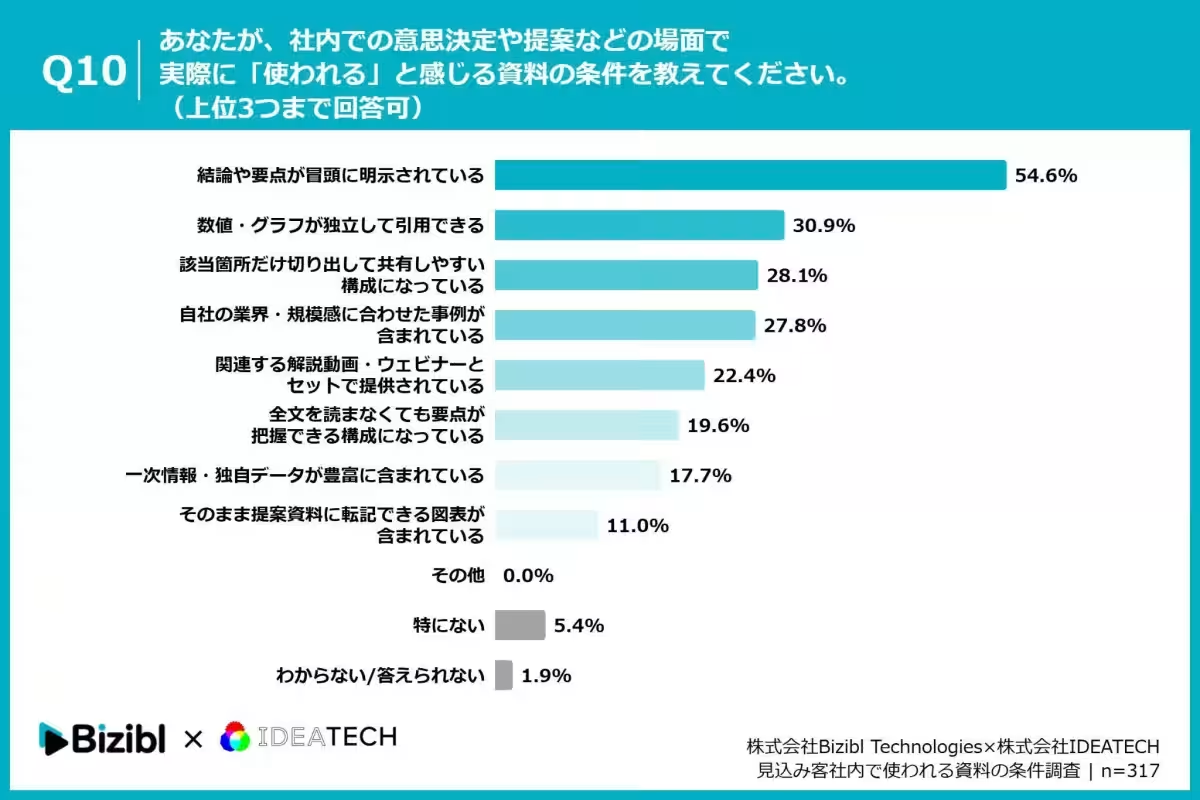
- - Material Requirements: When asked what they believe makes a material usable in internal discussions, 54.6% agreed that having conclusions and key points stated at the beginning is crucial.
The Most Common Sources for B2B Material
The survey also shed light on how professionals assess the relevance and necessity of the materials they engage with:
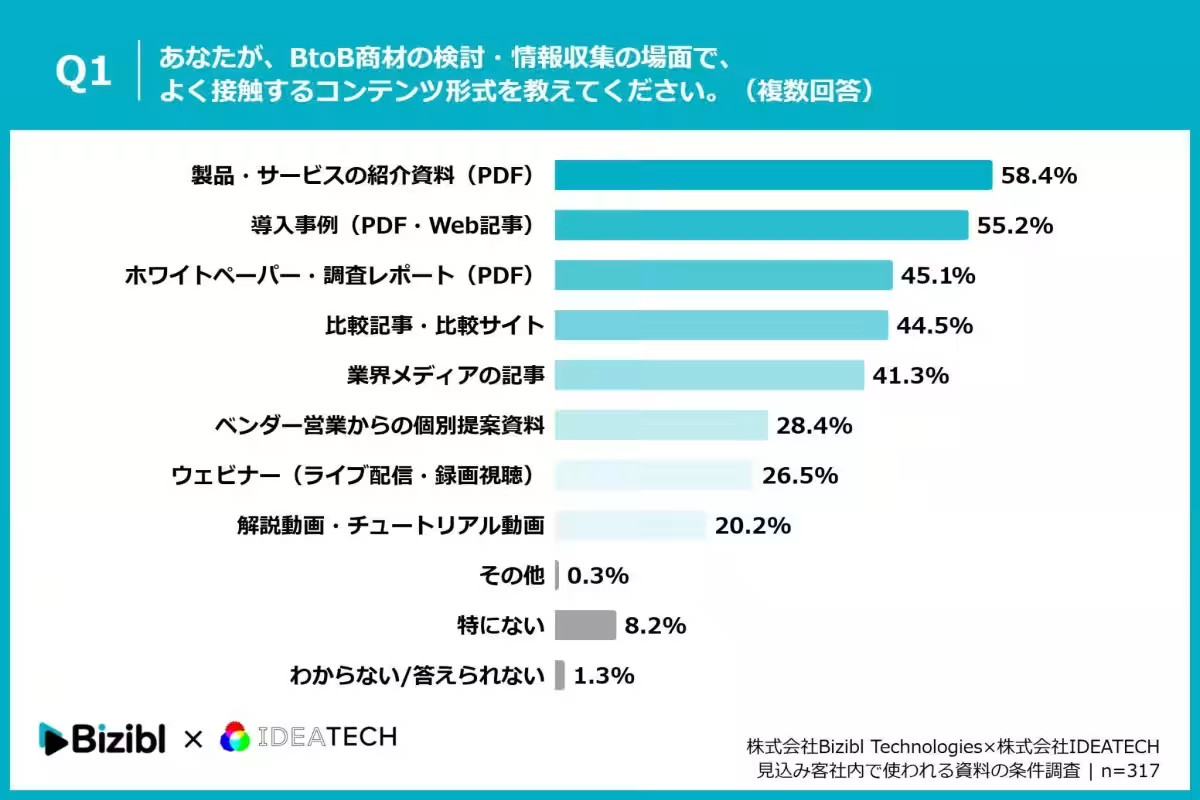
1. Product and Service Introduction Materials (PDF): 58.4%
2. Case Studies (PDF/Web articles): 55.2%
3. White Papers and Research Reports (PDF): 45.1%
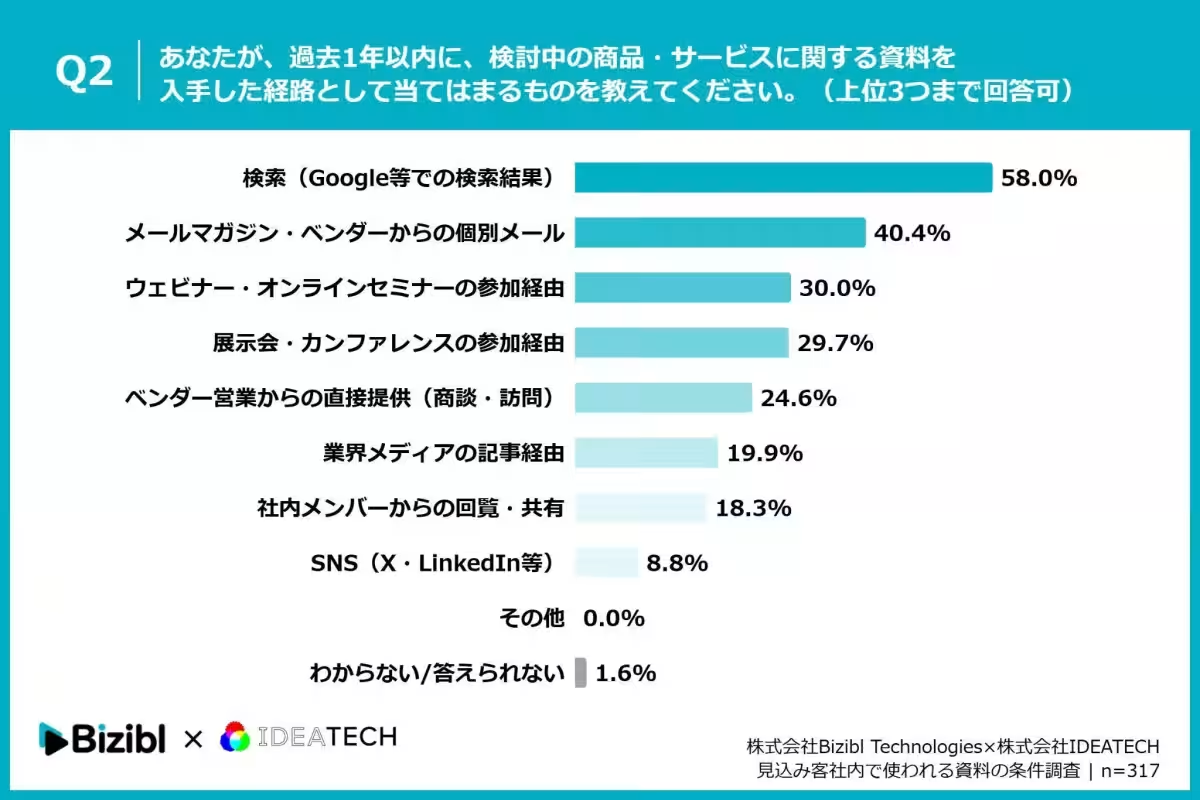
Additionally, more than half of the professionals reported that they typically acquire materials via searches on platforms like Google, underscoring the need for optimized, discoverable content in the B2B space.
Why Most Professionals Can't Finish Reading B2B Materials
A significant portion of professionals admit to feeling unable to fully engage with B2B materials due to several key factors:
- - 59.7% mentioned the documents were too lengthy.
- - Equally, 59.7% stated there was too much information crowded into the text.
Processing and Sharing of Materials
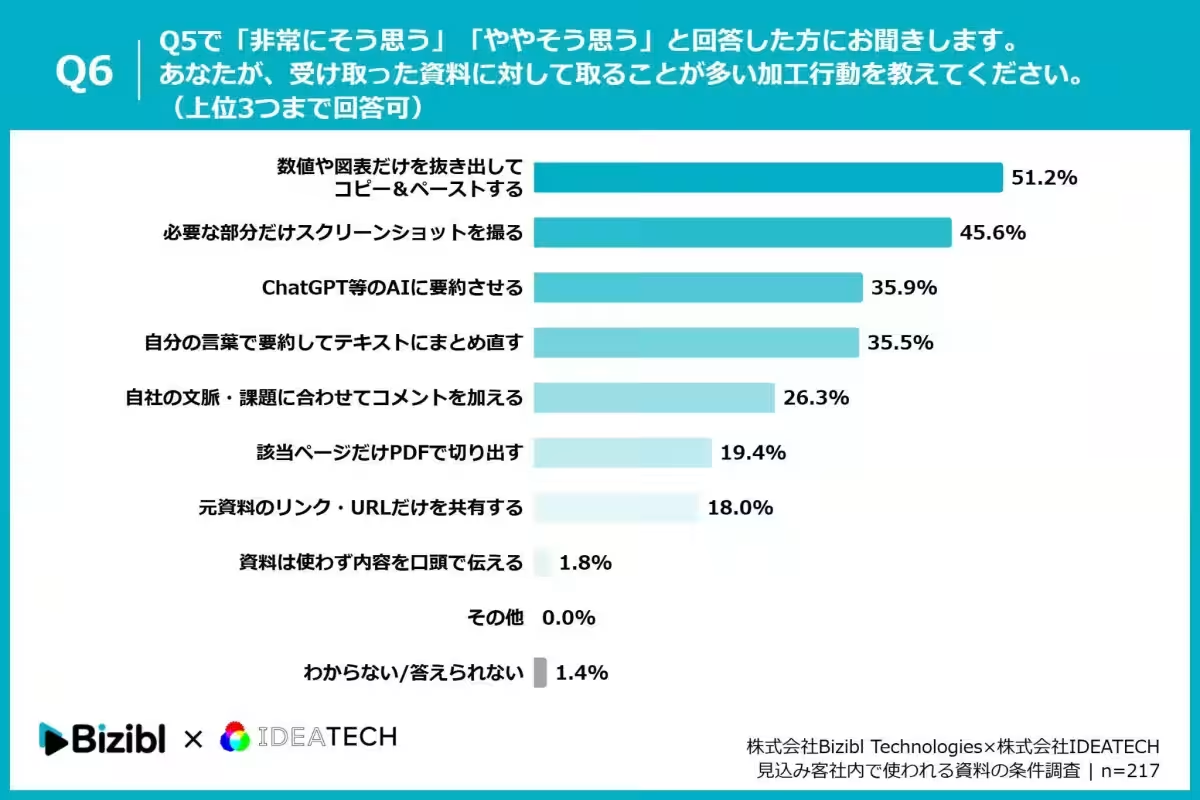
Interestingly, even though a high number of professionals modify materials, the reason behind this is not solely for aesthetic reasons; clarity is critical for internal discussions. Common processing actions include:
- - Extracting tables or figures (51.2%)
- - Taking screenshots of essential sections (45.6%)
- - Utilizing AI tools like ChatGPT for summaries (35.9%)
This trend reveals a shift toward efficiency, where business professionals are adapting to demanding schedules that make comprehensive reading impractical.
Goals for Sharing Processed Material
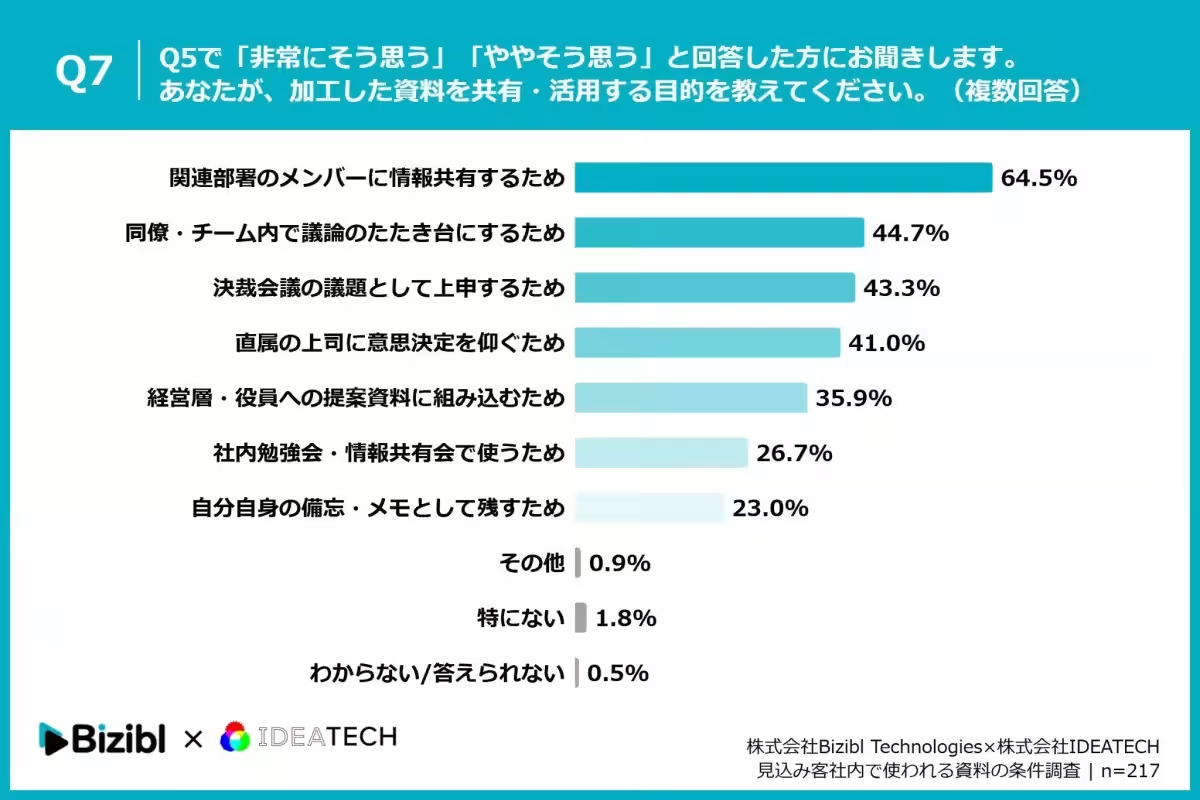
When it comes to sharing the processed materials, respondents listed various underlying motives, with 64.5% highlighting the need for information sharing across relevant departments. Collaboration and informed decision-making within teams are evidently prioritized.
Preferred Sharing Channels
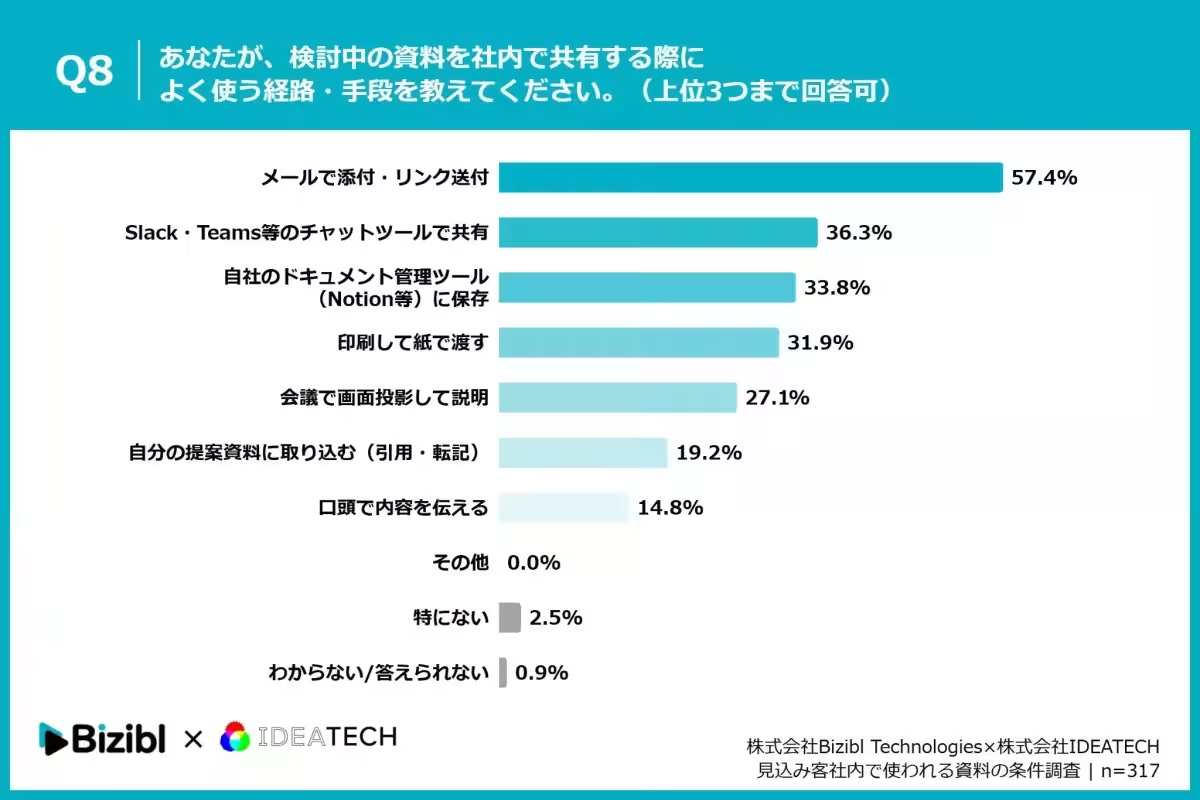
The preferred routes to share these modified documents were also revealed:
- - Email with attachments or links (57.4%)
- - Chat tools like Slack and Teams (36.3%)
- - Document management solutions such as Notion (33.8%)
These preferences indicate a strong reliance on digital communication tools to facilitate information sharing across organizations.
Conclusion: The Future of B2B Material Design
Overall, this survey emphasizes the necessity for B2B marketers to design their content with a mindset that goes beyond simple delivery. Understanding that materials will likely be altered and interpreted according to different departmental needs is crucial. A clear focus on the presentation of information that can be quickly understood and utilized as a
Topics Business Technology)

【About Using Articles】
You can freely use the title and article content by linking to the page where the article is posted.
※ Images cannot be used.
【About Links】
Links are free to use.