




Unlocking the Hidden Values: Key Insights for Success in AI Era
Uncovering the Hidden Values for Success in the AI Era
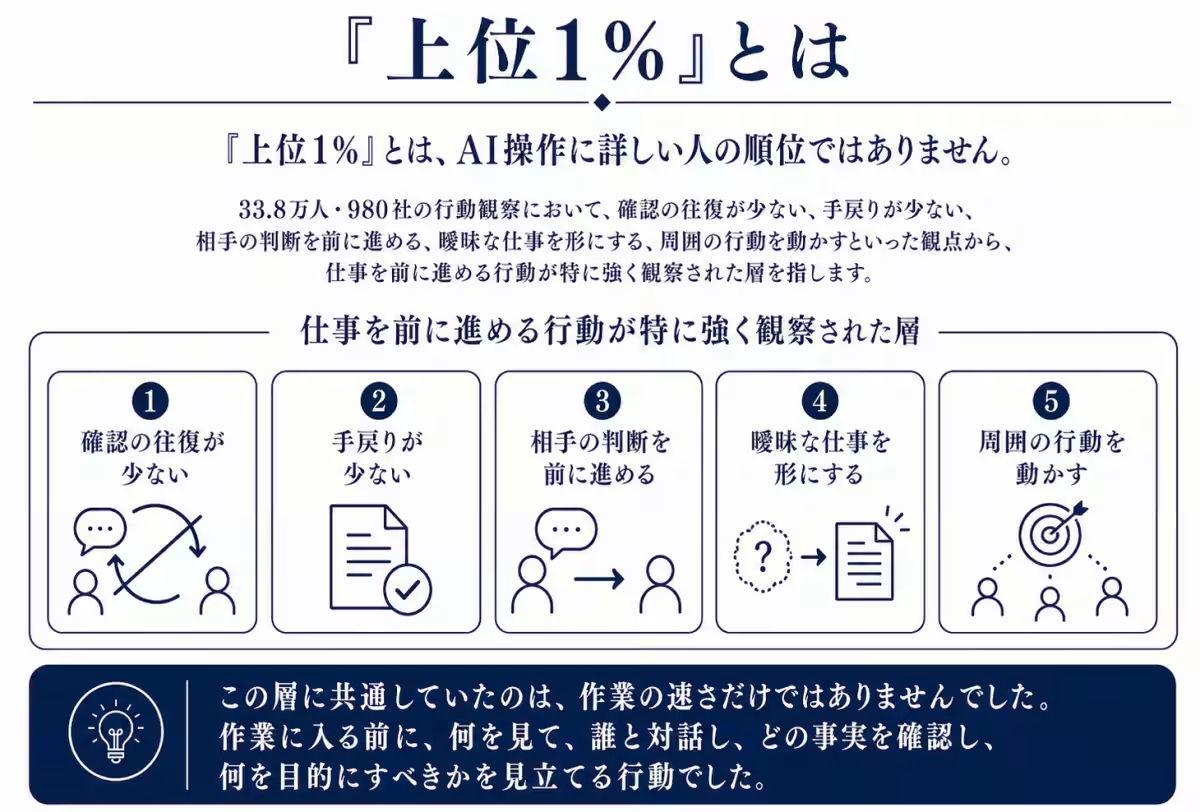
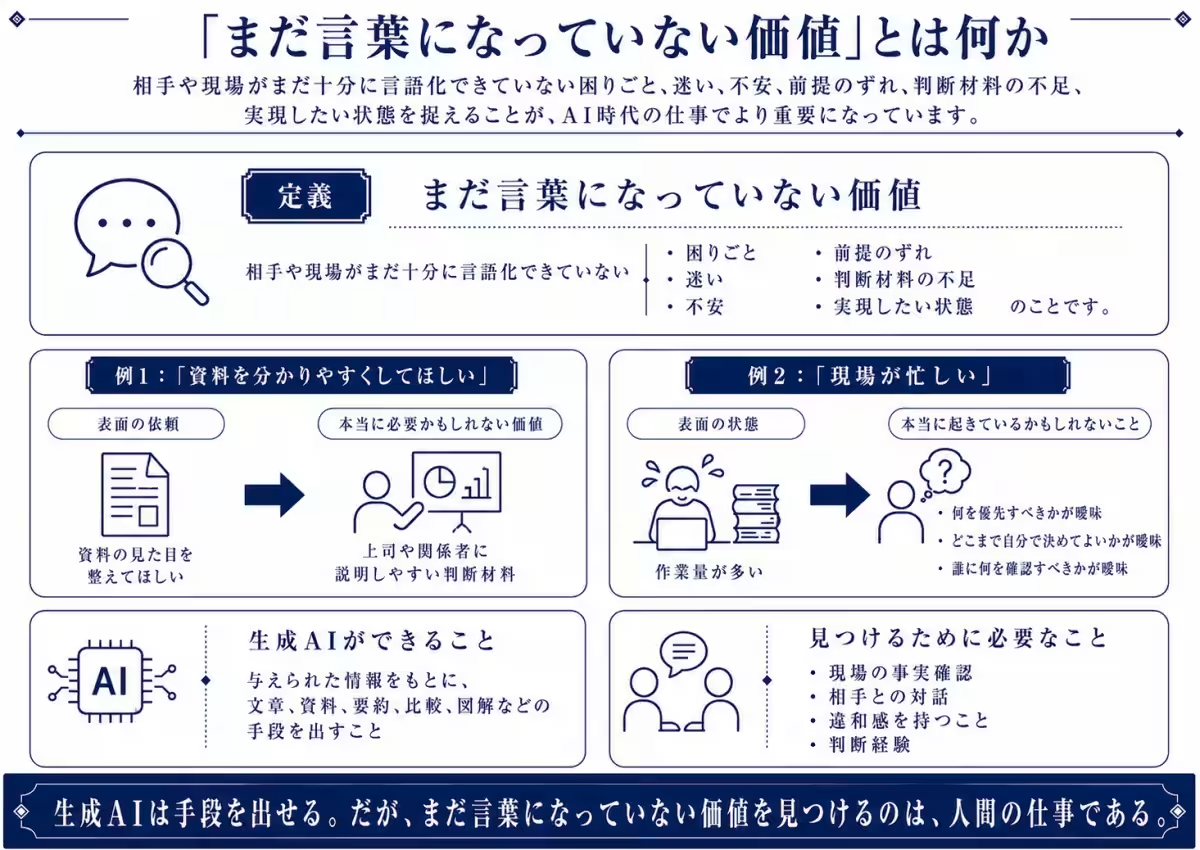
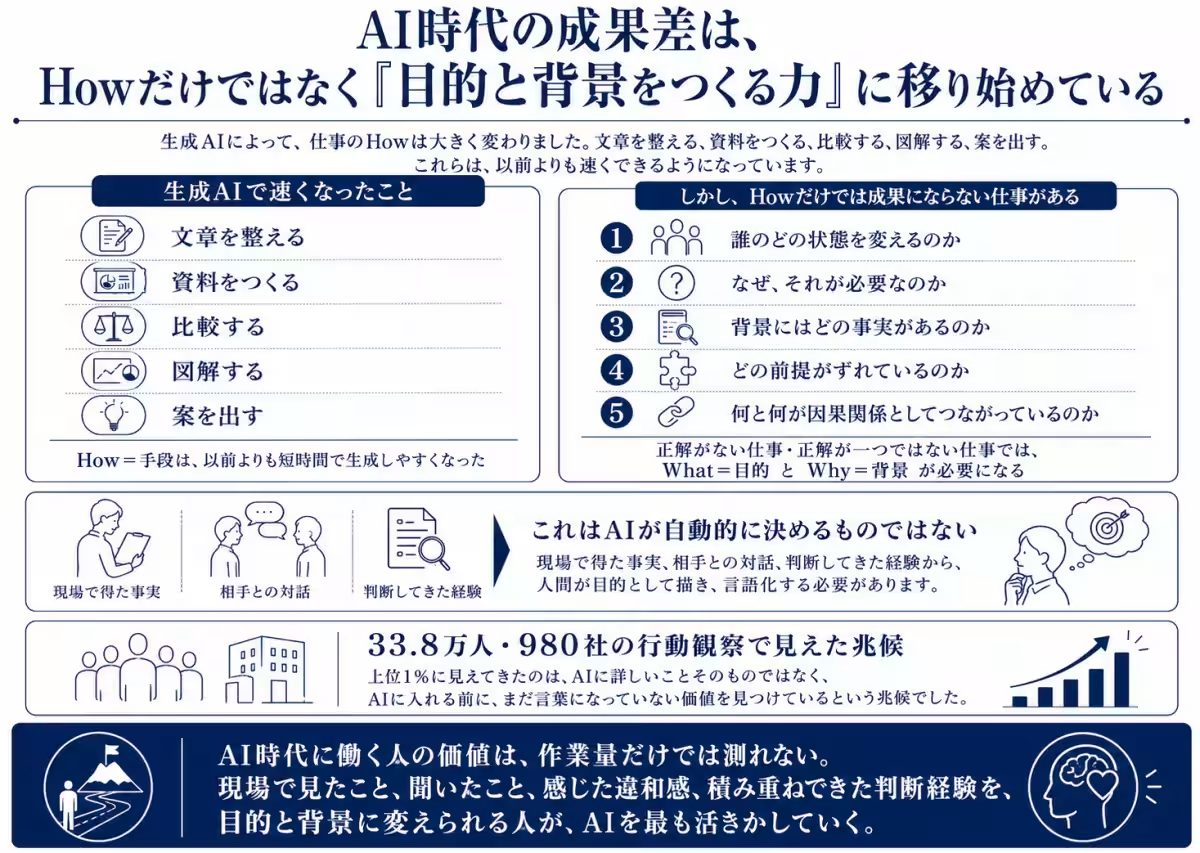
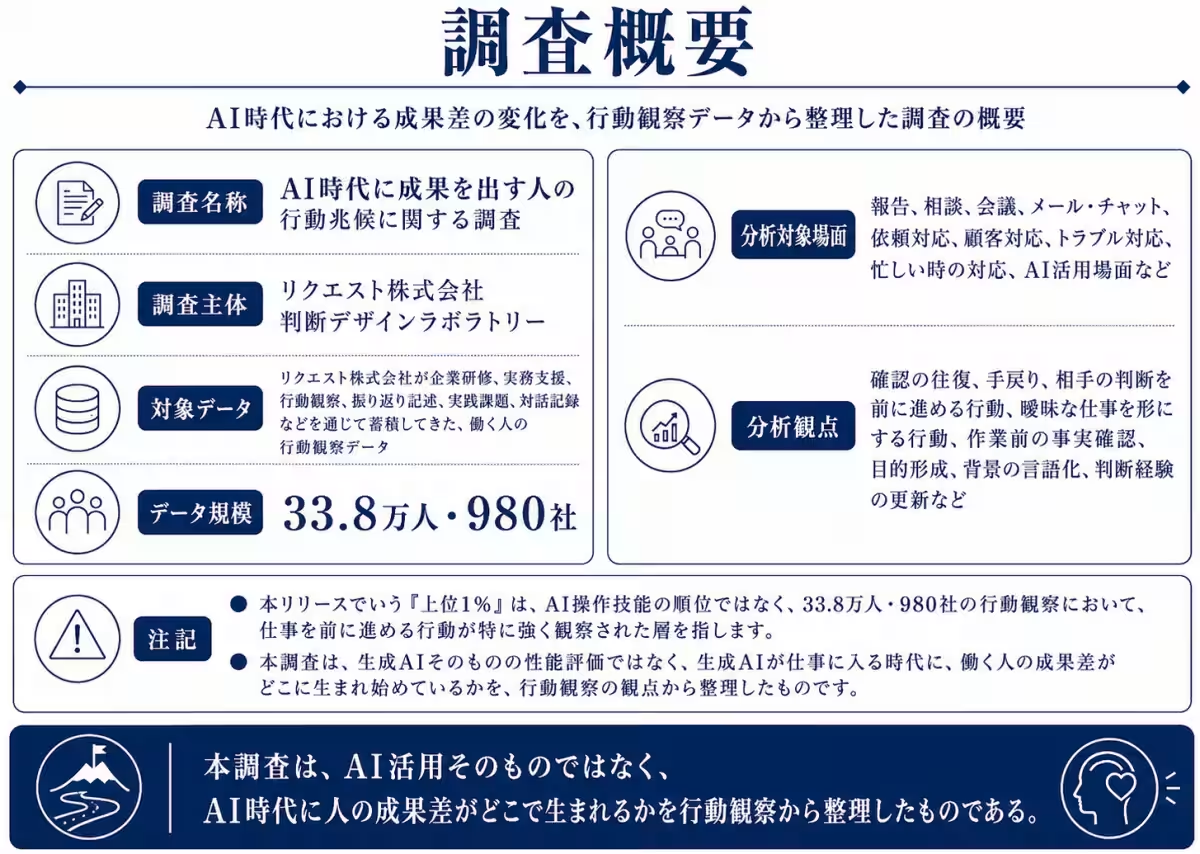
In a recent study conducted by Request Inc., which specializes in organizational behavioral science, significant insights were drawn from observing the behaviors of 338,000 individuals across 980 companies. The findings reveal that the top 1% performers in the AI era are not merely those who excel in using generative AI tools but rather those who can identify and articulate the ‘hidden values’ that have yet to be defined.
Understanding the Shift in Value Generation
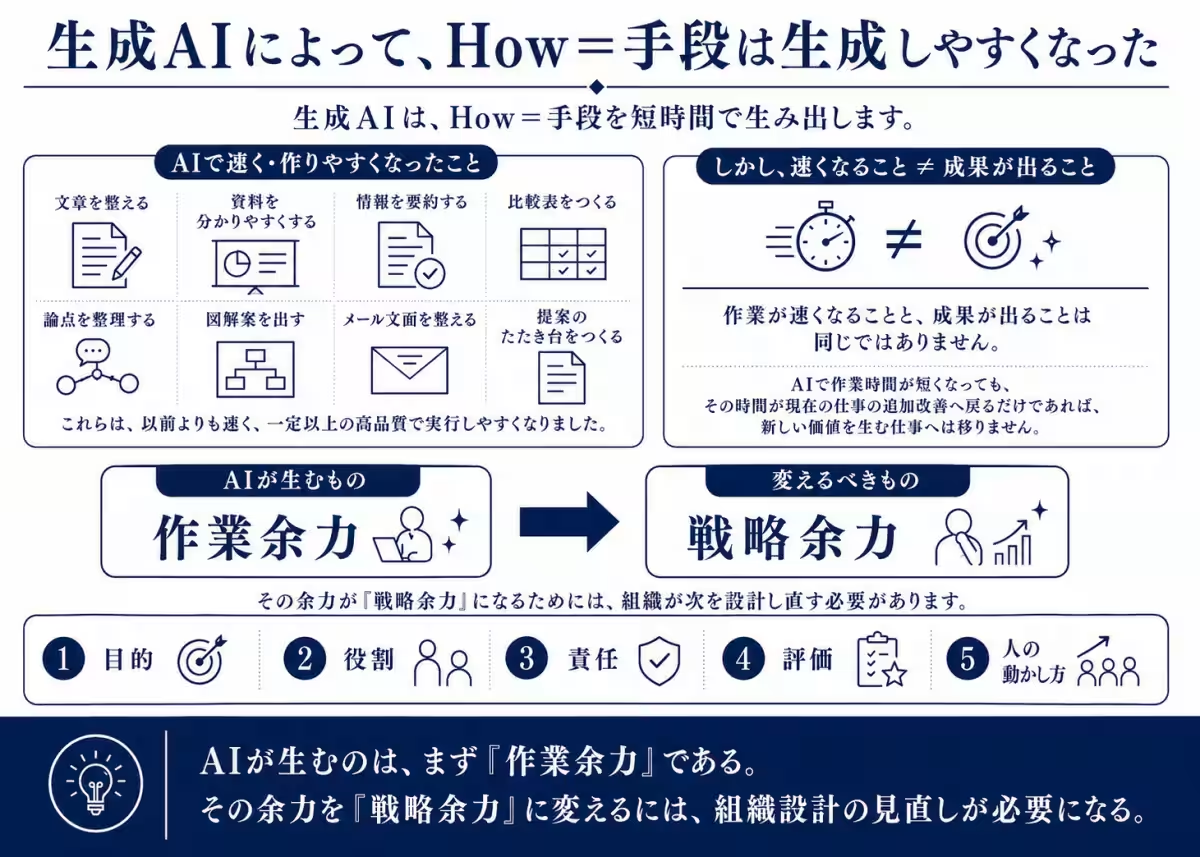
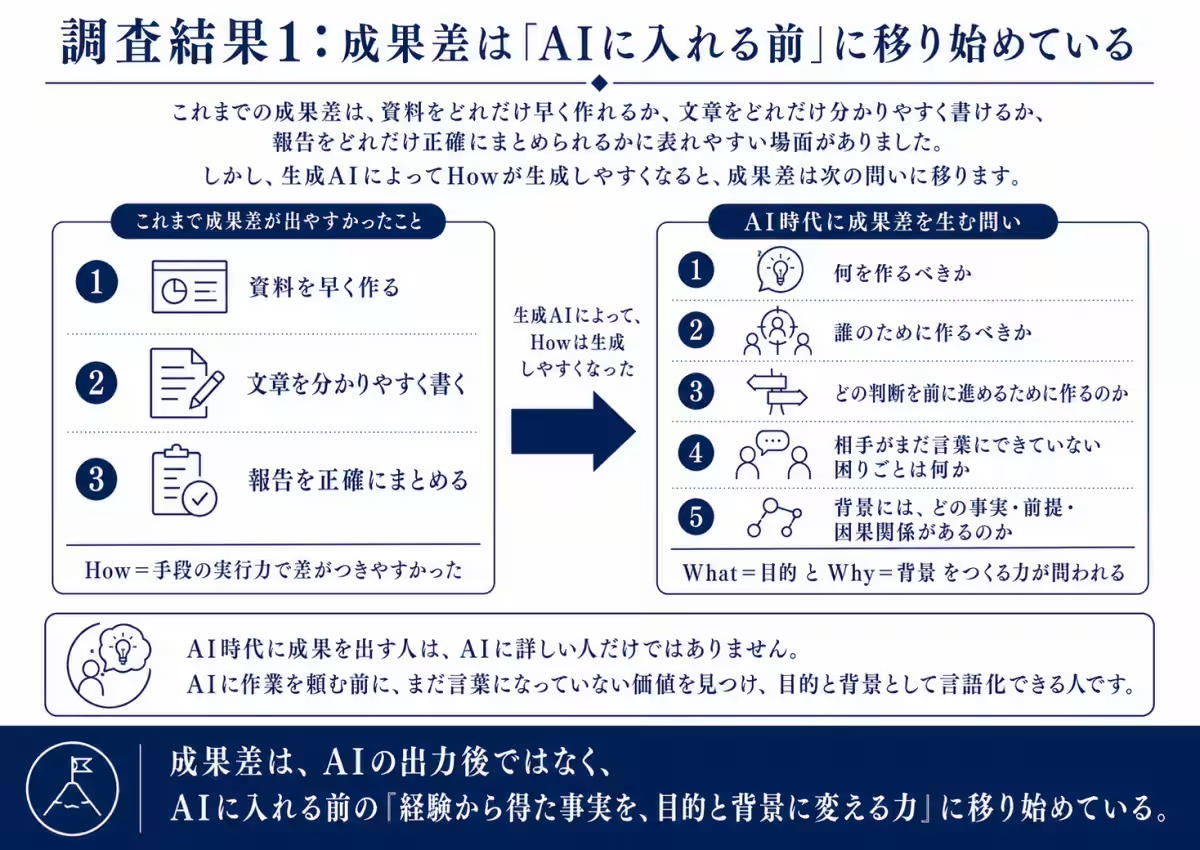
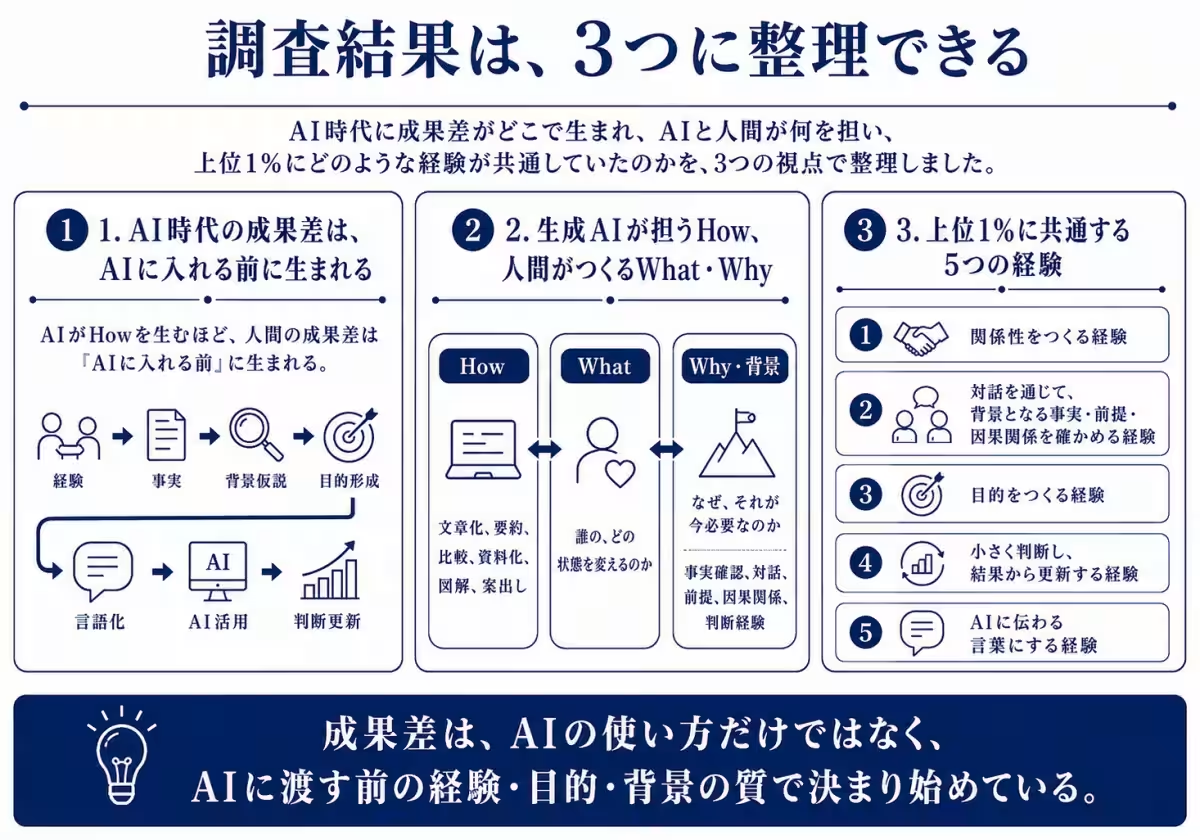
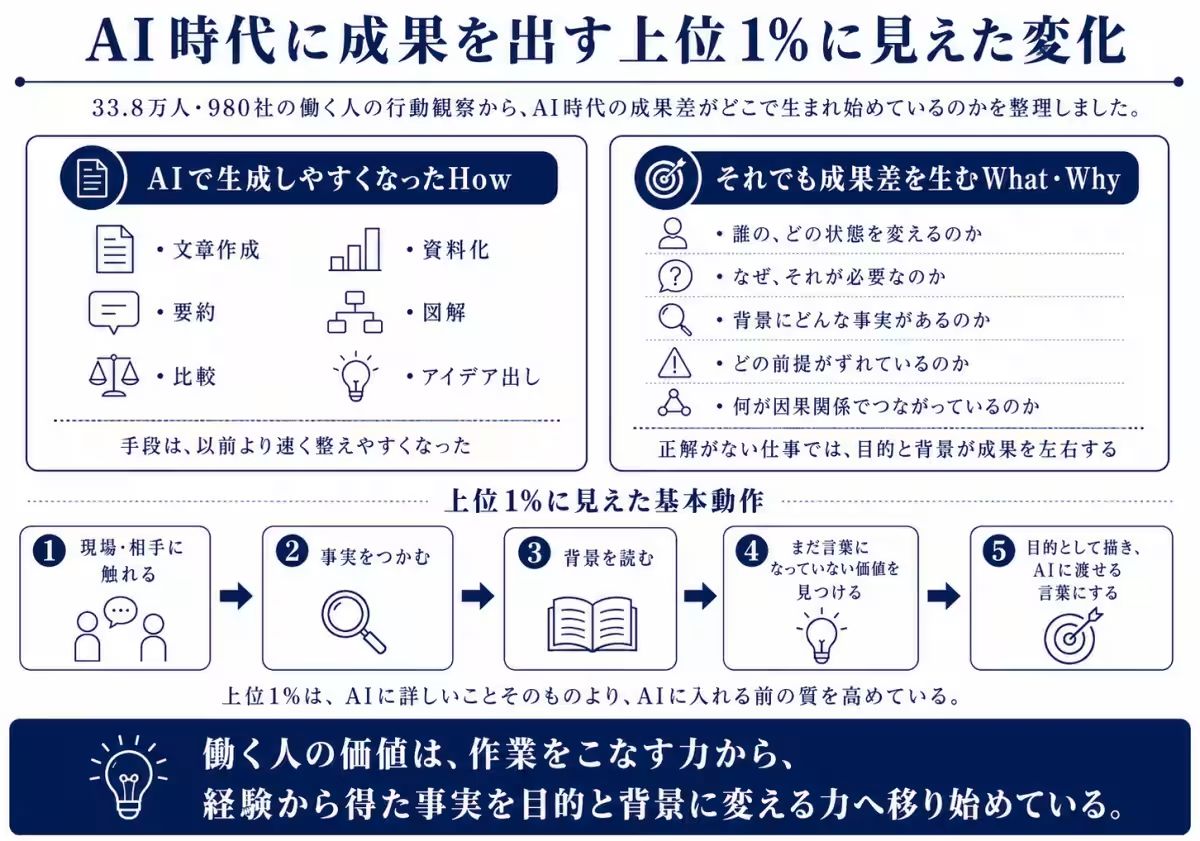
Generative AI has transformed the way we create content—be it through drafting documents, summarizing information, or generating ideas. However, the results of this transformation indicate that merely mastering the tools does not necessarily equate to greater outcomes. The fundamental question has shifted from “How do I use AI?” to “What purpose does my use of AI serve?” This change underscores a critical realization: the real differentiator among the highest achievers lies in their ability to convert unarticulated values and challenges into clear objectives and frameworks for use.
Key Findings from the Study
The study highlights several critical points on how the landscape of work is being reshaped:
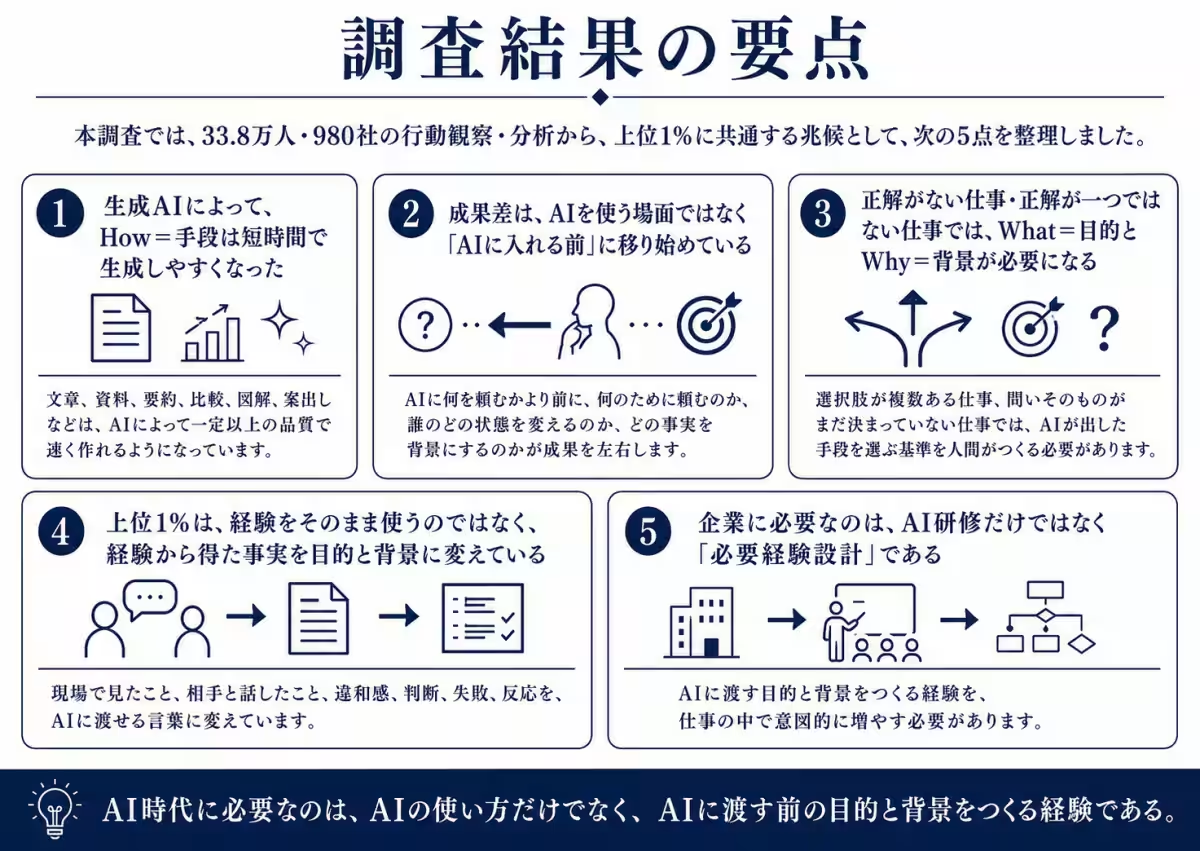
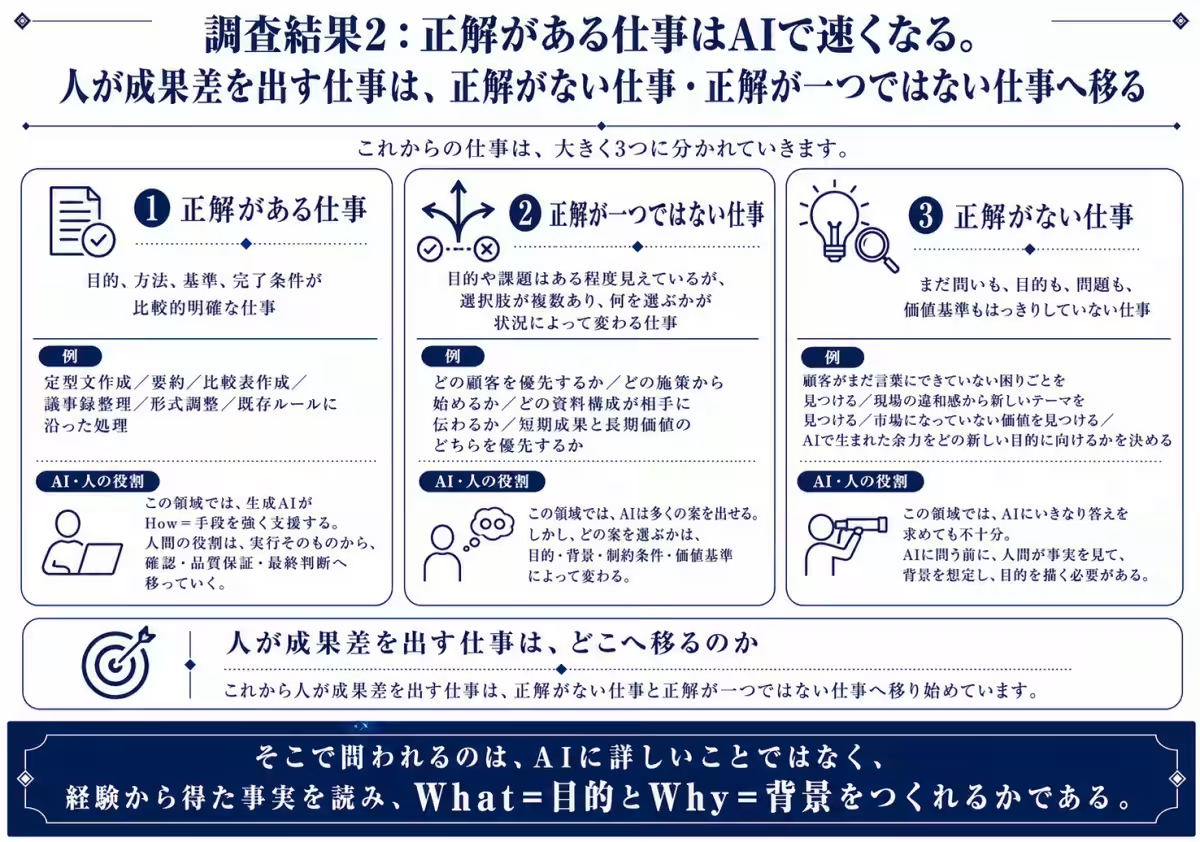
1. AI Improves Means, Not Ends: Generative AI enhances the ability to produce high-quality documents quickly. However, the true value emerges when individuals leverage these tools with aligned objectives in mind.
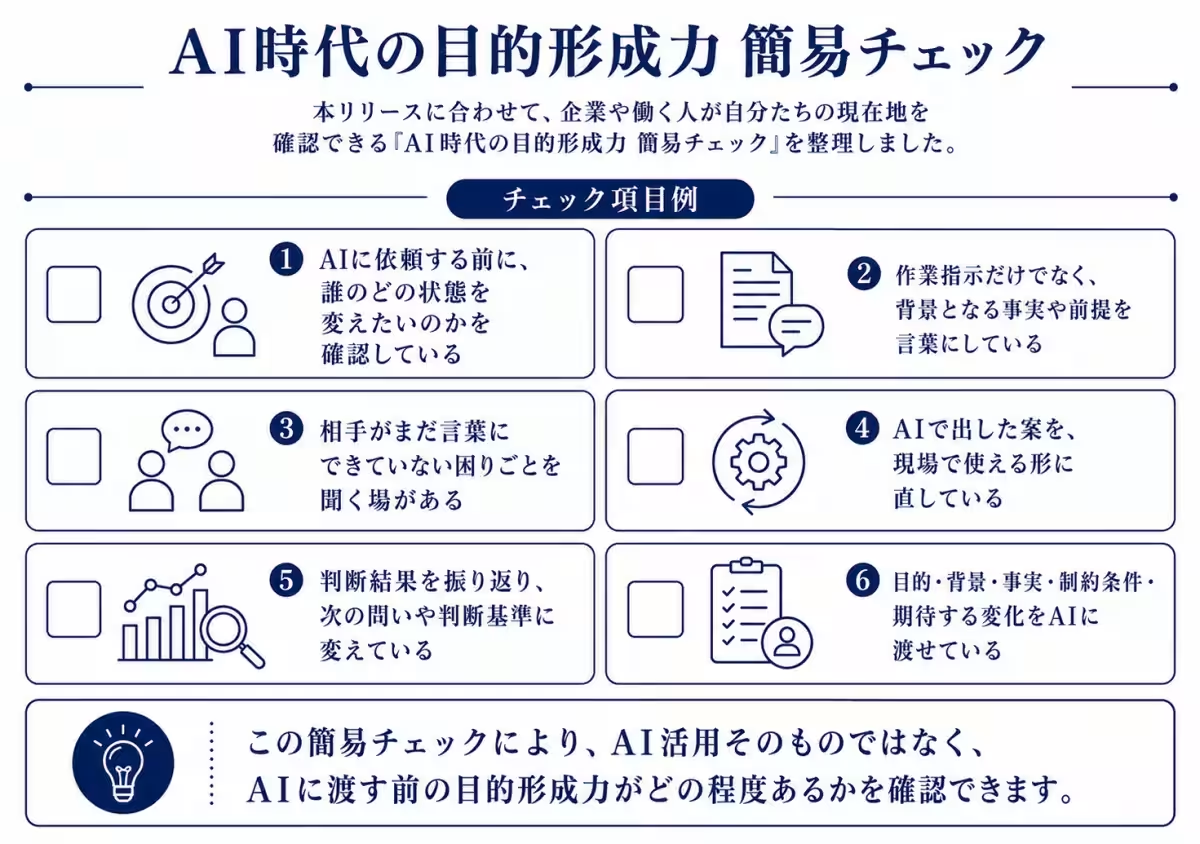
2. The Focus on Purpose Before Action: The success of AI usage is increasingly determined by the considerations made before initiating its use: defining the goals, understanding the changes needed in stakeholders' conditions, and identifying which facts the AI should consider.
3. Analytical Skills for Complex Tasks: For work without a single correct answer, defining clear “What” and “Why” factors becomes crucial. Workers must develop criteria for selecting options generated by AI.
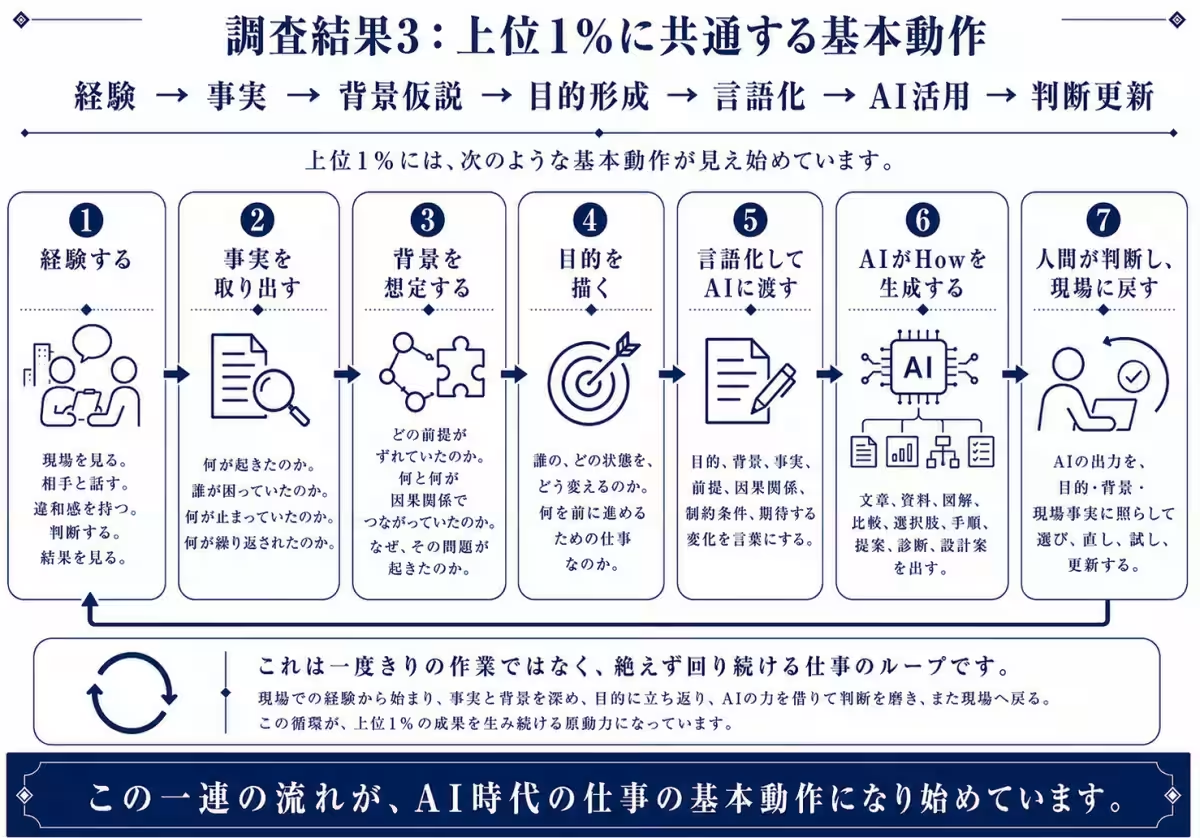
4. Transforming Experience into Insight: Top performers translate experiences from real-world interactions into actionable insights, which they can subsequently input into AI tools.
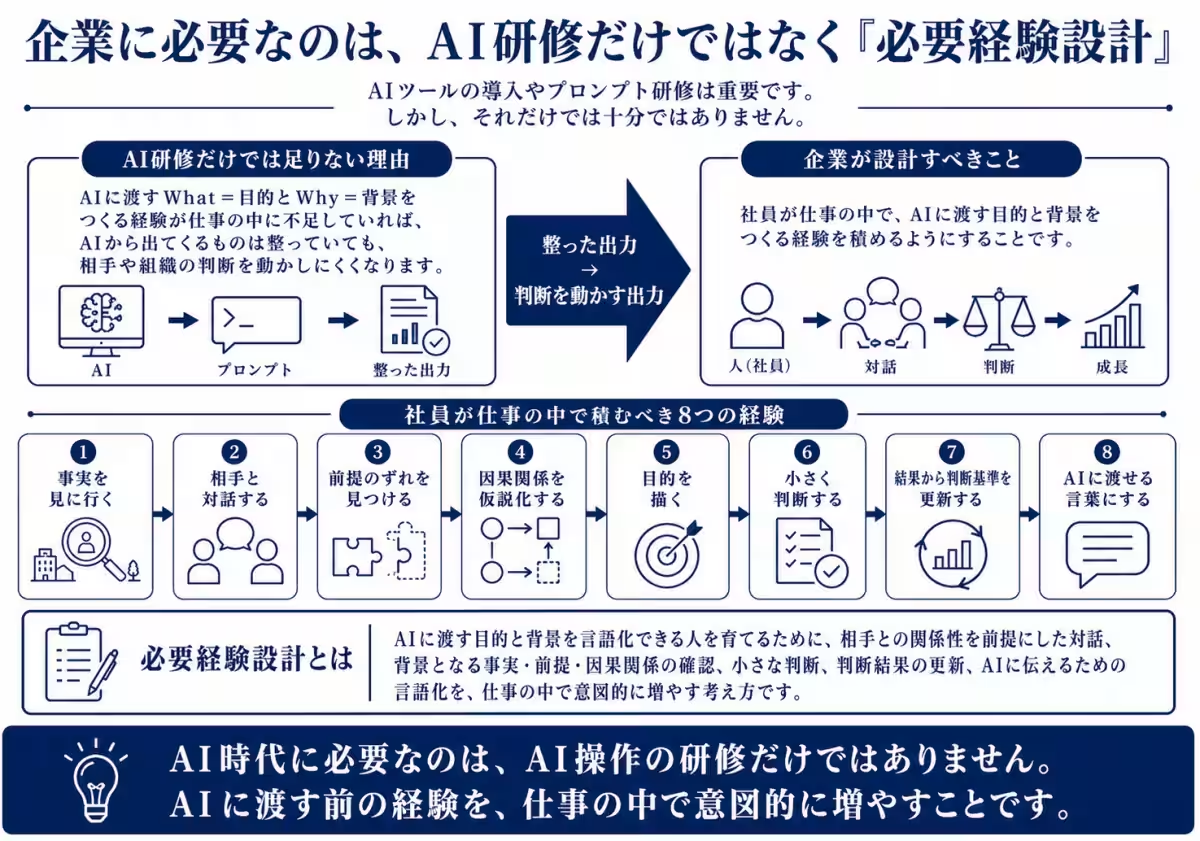
5. Designing Necessary Experiences in Organizations: Companies need to foster environments that intentionally increase opportunities for employees to acquire experiences relevant to shaping AI inputs.
The Emergence of Key Skills in the Top 1%
The top 1% among the observed workers showed a distinct set of behaviors that set them apart:
- - They actively seek information and engage in conversations to gather relevant experiences.
- - They are adept at analyzing situations to derive underlying facts and context.
- - They formulate goals with a clear vision of who and what they want to transform in their work.
- - They can articulate these insights into structured inputs for AI, enhancing both efficiency and clarity in communication.
Beyond Just Training on AI Tools
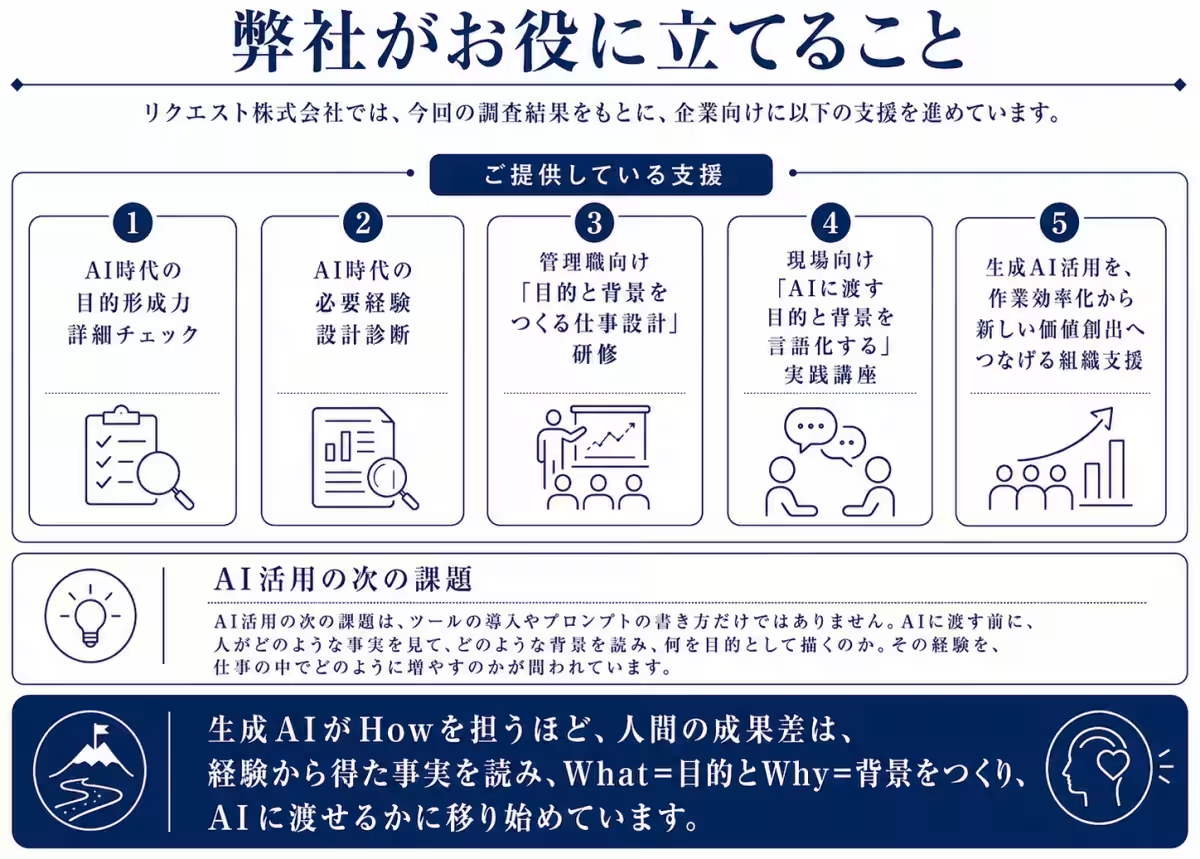
While many organizations focus on AI training, the research emphasizes that fostering a culture where employees can effectively identify and articulate unspoken issues is pivotal. This concept, termed as ‘needed experience design,’ involves creating structured dialogues and allowing employees to observe, hypothesize relationships, and articulate purposes through collaboration.
Adapting to the New Landscape of Work
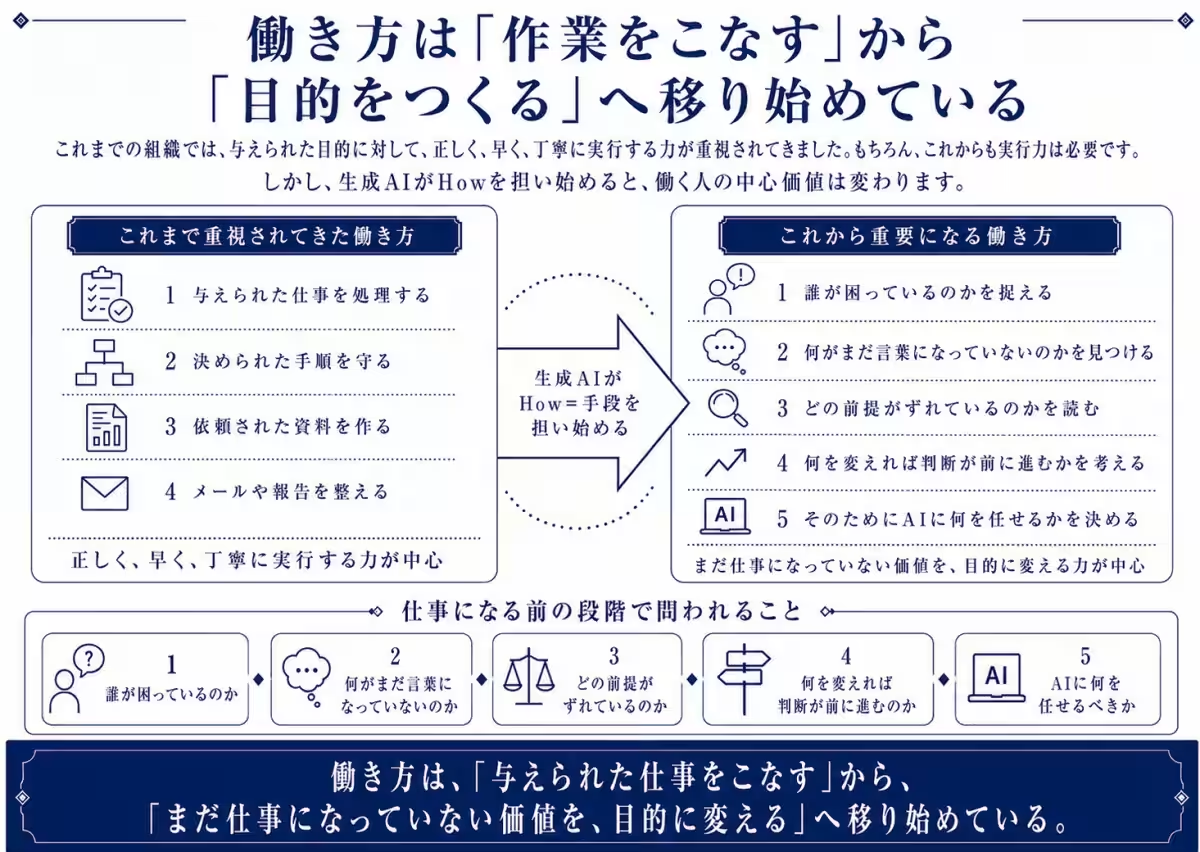
With generative AI taking over various operational tasks, the essence of a successful employee is shifting from merely being adept at task execution to being skilled in purpose generation. This means understanding the nuances of the workplace—the unarticulated challenges and ambiguities—and addressing them as part of the workflow. The organizations that succeed in this new AI era will be those that encourage their workforce to delve deeper into experience, enhancing their purpose-formulation capabilities.
Conclusion
The landscape of work is changing, leading to an imperative shift in how we comprehend productivity and efficacy. Generative AI may excel in process efficiency, but success hinges on the human ability to transform raw experiences into structured knowledge that can guide AI effectively. The future holds great potential for those who can navigate this terrain, unlocking new avenues of value creation that ultimately drive performance and innovation.



Topics Business Technology)
【About Using Articles】
You can freely use the title and article content by linking to the page where the article is posted.
※ Images cannot be used.
【About Links】
Links are free to use.