




Breakthrough in Poultry Immunology: Discovering Novel B Cell Pathways in Chickens
Introduction to the Research
Recent research conducted by Tohoku University, along with Kyoritsu Seiyaku Co., Ltd. and GENODAS, has unearthed significant advancements in our understanding of poultry immunology. In collaboration with the Graduate School of Agricultural Science at Tohoku University in Sendai, Miyagi, the research highlights a newly discovered pathway for the differentiation of B cells in chickens, challenging previously held beliefs about avian immune systems.
Key Findings
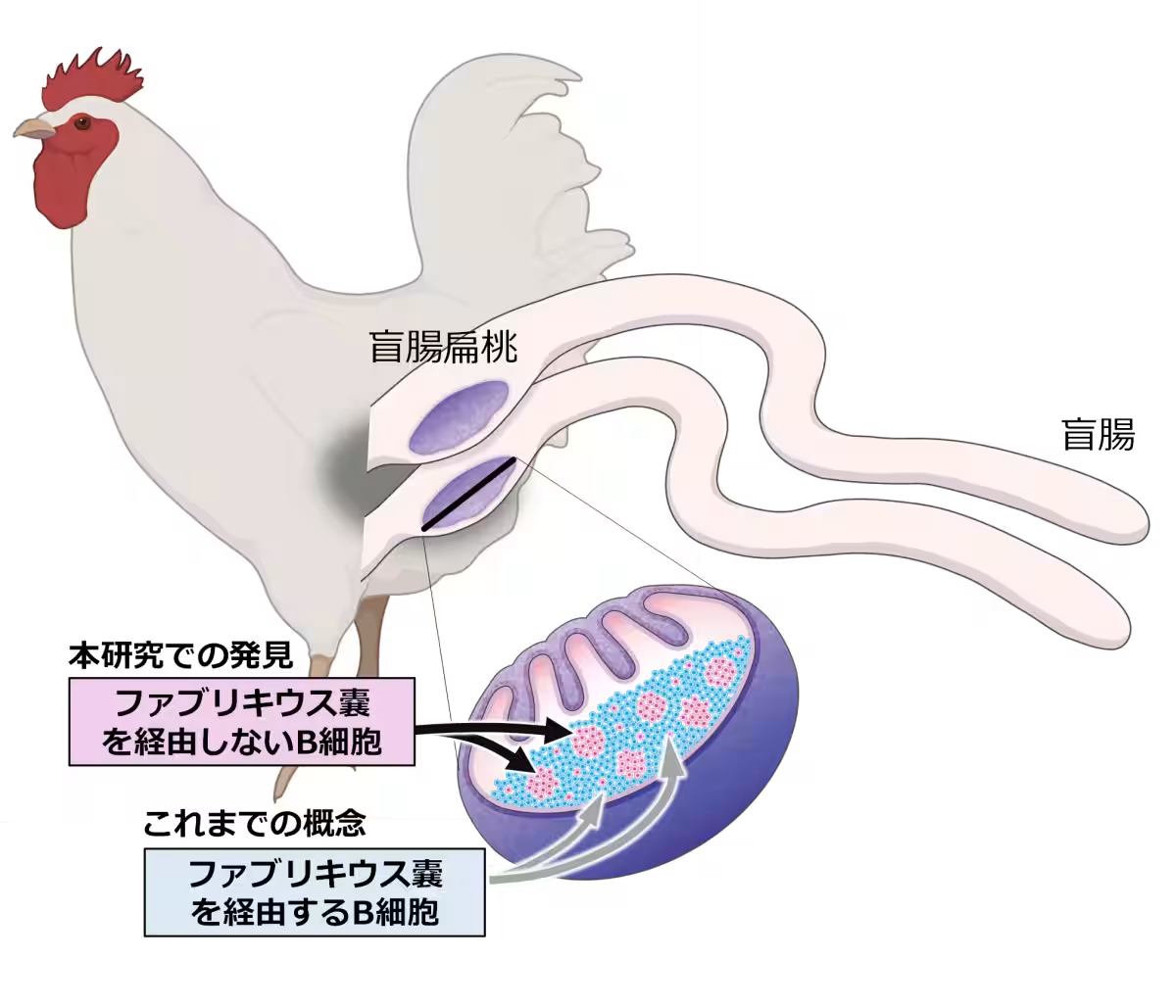
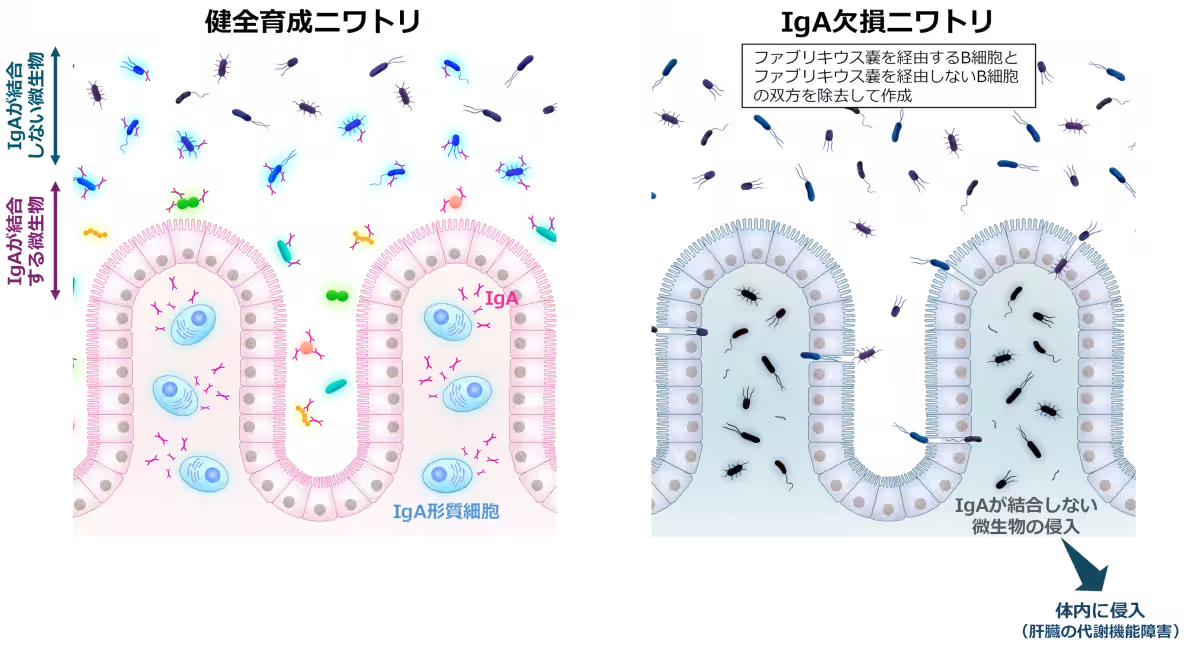
Traditionally, the Bursa of Fabricius was considered the primary site for the differentiation of B cells in birds. This research identifies that B cells can also differentiate through pathways that do not involve the Bursa, a groundbreaking revelation. The study also indicates the role of these newly discovered B cells in maintaining the intestinal microbiota and preventing harmful pathogens from entering the bloodstream through the gut.
Research Background
The Bursa of Fabricius is a unique immune organ found in poultry, typically associated with the production of B cells. Recent studies led by Dr. Ryota Hirakawa and Professor Tomonori Nochi at Tohoku University have shown that, even in the absence of the Bursa, chickens can still produce antibodies, specifically IgA. This discovery was made through careful observations of chickens that underwent surgical removal of the Bursa shortly after hatching.
Methodology
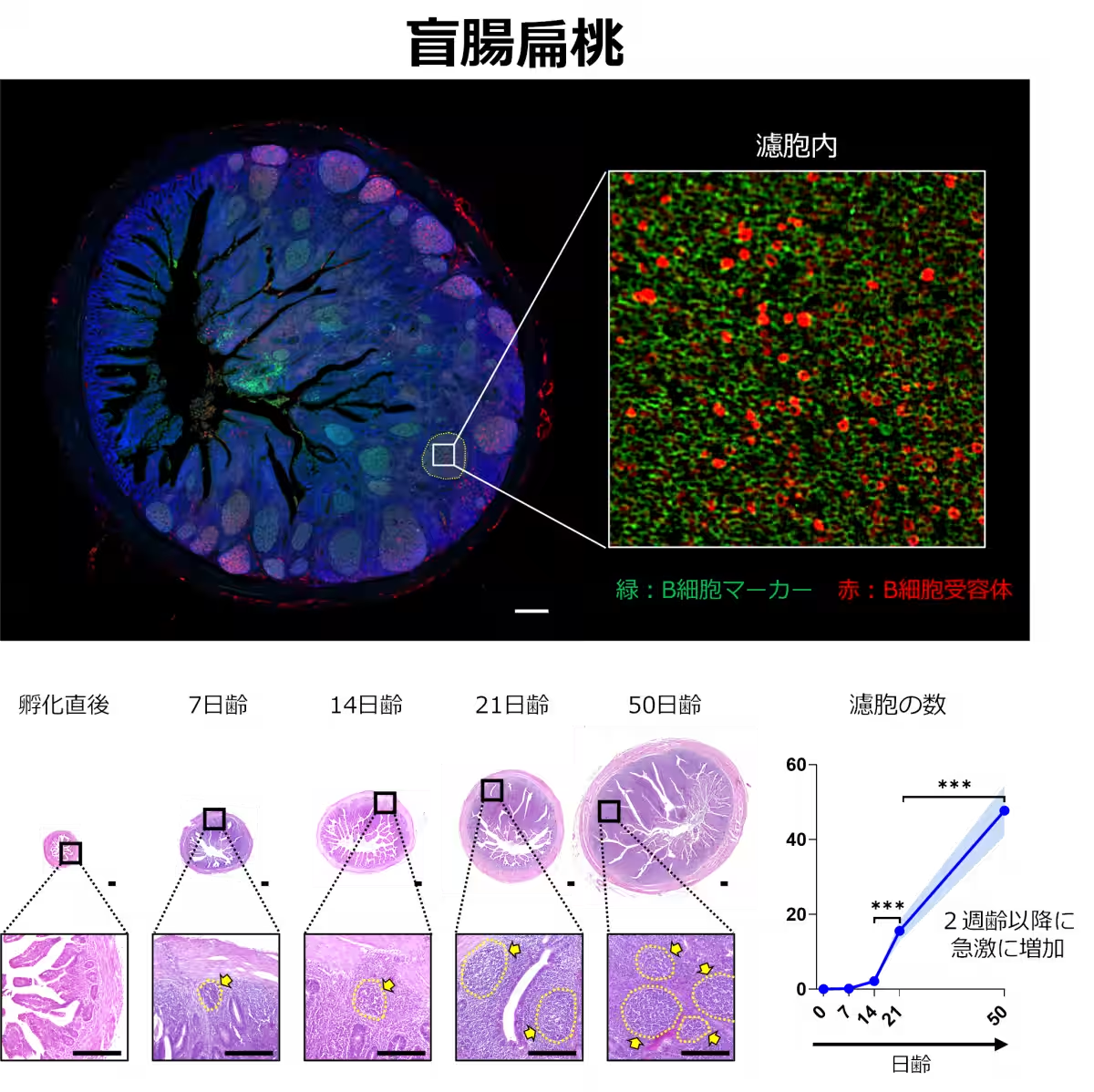
In the study, the research team analyzed antibody production in bursa-deficient chickens and found that, while antibody levels initially dropped post-surgery, by the age of 21 days, these chickens began producing IgA antibodies in their intestines. By 50 days, the production levels were comparable to those of healthy chickens with intact Bursas.
As a next step, the researchers aimed to identify the anatomical structures responsible for B cell generation in the absence of the Bursa. They investigated a specific immunological tissue within the cecal tonsils, discovering that immature B cells were present there, which had previously been thought to exist only in the Bursa.
Discussion on the Implications
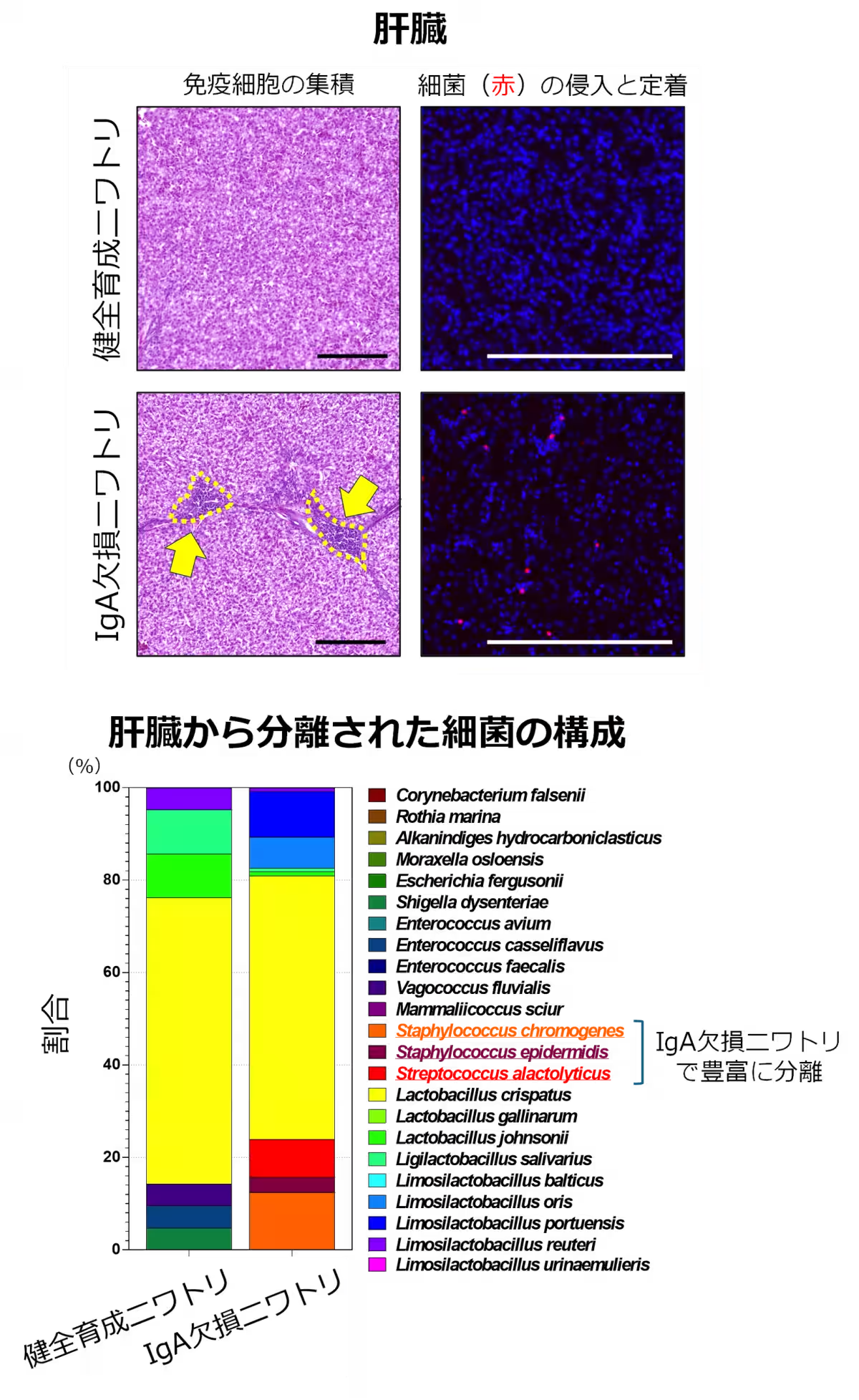
The findings suggest that these cecal tonsil B cells, in conjunction with those differentiated in the Bursa, collaborate to produce significant amounts of IgA, which is crucial for maintaining a balanced intestinal microbiota. The research also emphasizes that a disruption in this pathway can lead to increased pathogen transfer to the liver and subsequent health issues.
Future Research Directions
The groundbreaking discovery of non-Bursa-dependent B cells opens up new avenues for immunological research in poultry. The research team hopes that by utilizing this new understanding, they can develop strategies to enhance poultry health through the establishment of healthy IgA-associated microbiota. Additionally, these findings may lead to advancements in disease prevention techniques for poultry and improve overall production efficiency in the livestock industry.
Acknowledgments
This research has been supported by the Japan Society for the Promotion of Science (JSPS) and other collaborative funding agencies. The study's detailed results have been published in the Proceedings of the National Academy of Sciences of the United States of America (PNAS), marking a significant step forward in avian immunology.
Conclusion
With the revelation of a new B cell differentiation pathway in chickens, this research not only challenges existing notions of avian immunology but also opens the door to potential innovations in poultry health and management practices. Further studies will be pivotal in translating these findings into practical applications for enhancing disease resistance in birds and improving overall animal welfare.

Topics Health)
【About Using Articles】
You can freely use the title and article content by linking to the page where the article is posted.
※ Images cannot be used.
【About Links】
Links are free to use.