



Awareness Lacking: Parents Ignorant of Pool-Transmissible Skin Diseases Among Children
Awareness About Pool-Transmissible Skin Diseases
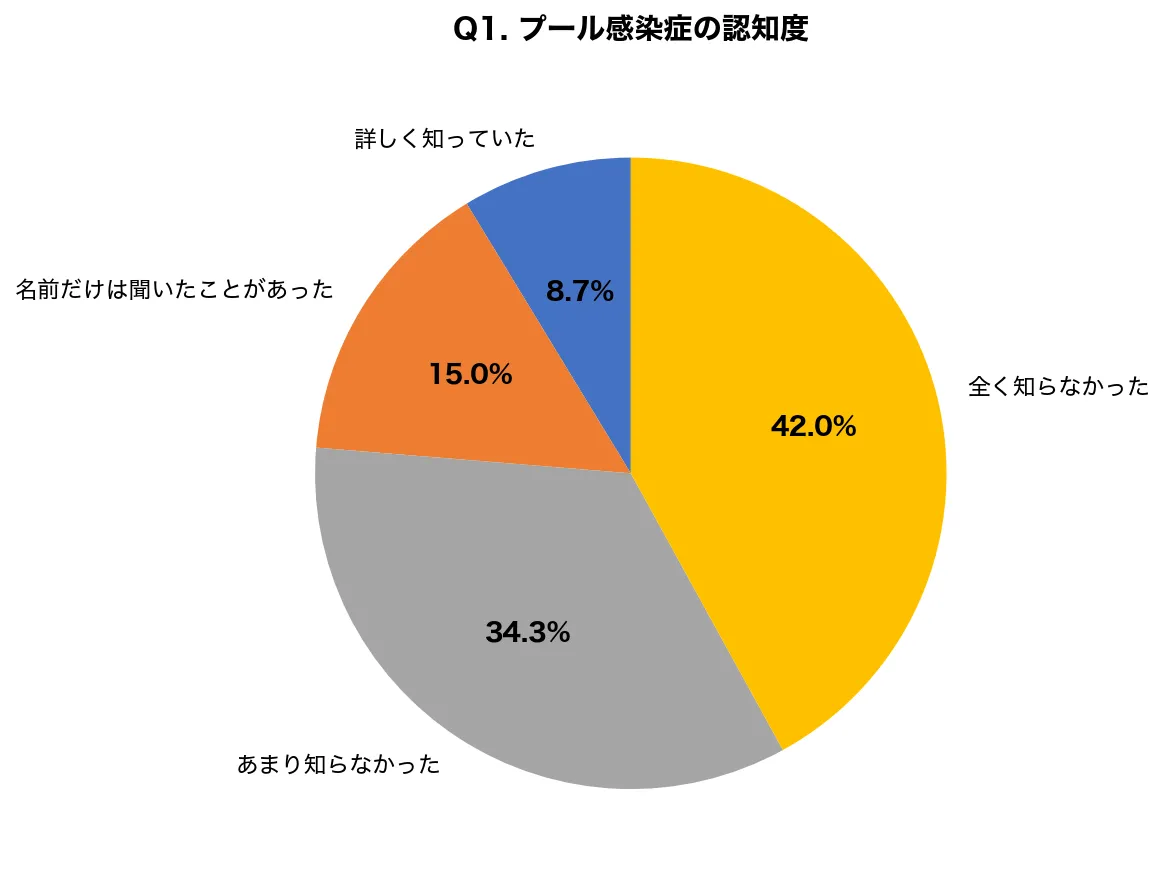
As the summer holiday approaches, a significant portion of parents are unaware of the potential risks their children face when visiting swimming pools. A recent survey conducted by the Icey Clinic, focusing on the awareness of skin infections transmissible in public swimming areas, uncovers alarming statistics that reveal 76.3% of parents lack accurate knowledge about pool-related skin diseases, particularly viral warts and molluscum contagiosum. This lack of awareness poses serious risks for children, especially as they frequently play in such environments during vacation periods.
The Key Findings of the Survey
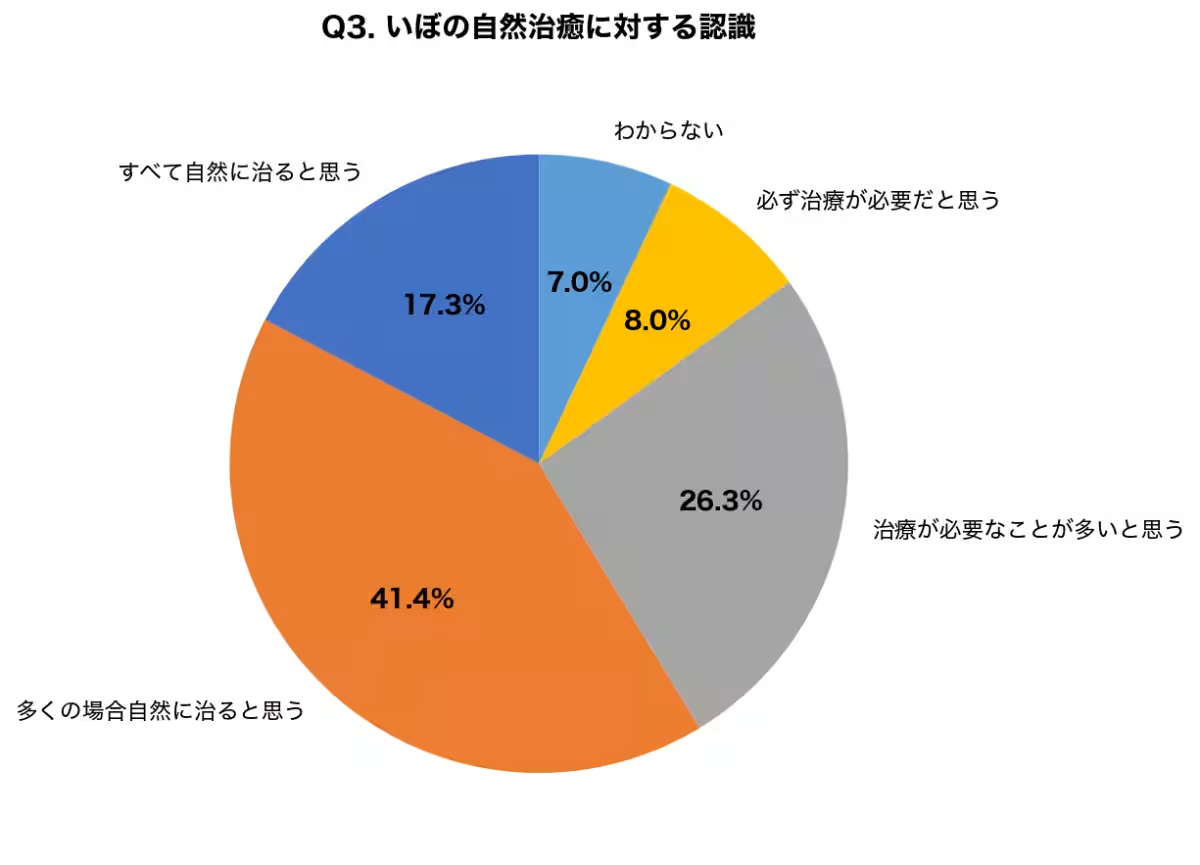
The survey highlighted that the common belief among parents is that children’s warts, particularly viral warts (common warts) and water warts (molluscum contagiosum), can heal naturally. However, this notion can be misleading.
1. Misconception About Natural Healing: 58.7% of parents incorrectly believe that warts will resolve on their own, often overlooking the fact that such conditions can persist for 6 months to over two years and may spread to other parts of the body or to family members during this period.
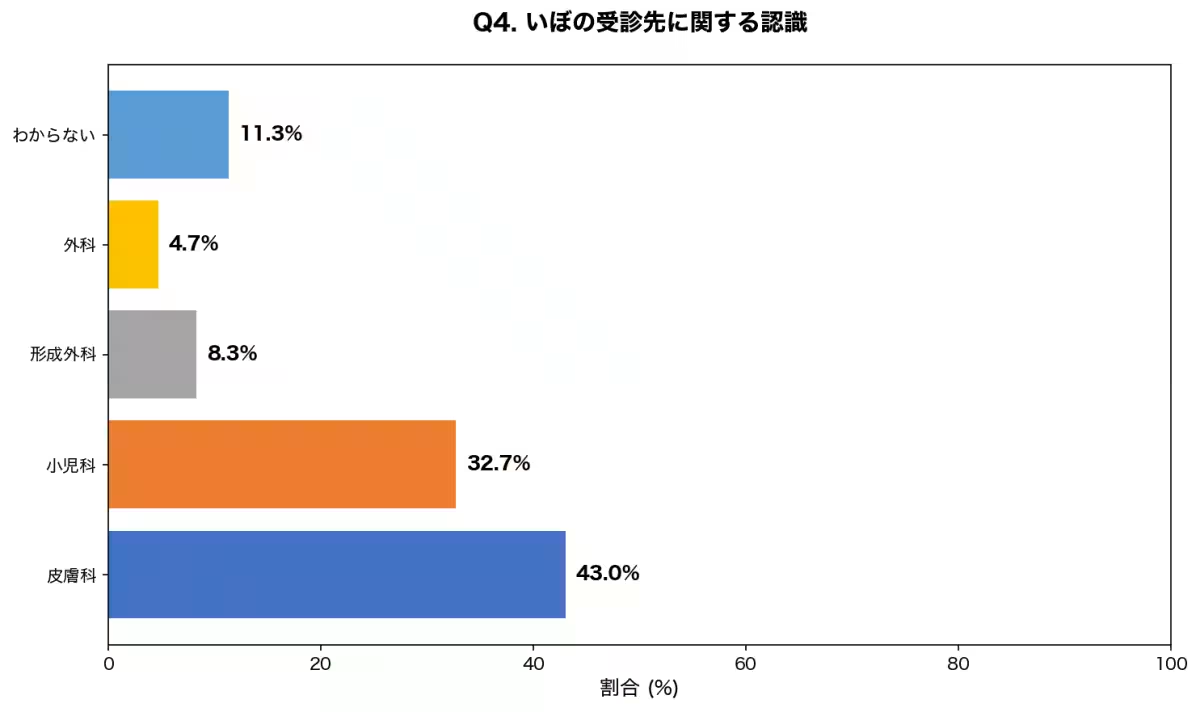
2. Lack of Correct Diagnosis Awareness: Only 43.0% of parents correctly identified dermatology as the appropriate medical field for treating warts, while others suggested general pediatrics, revealing a gap in understanding when it comes to seeking professional help.
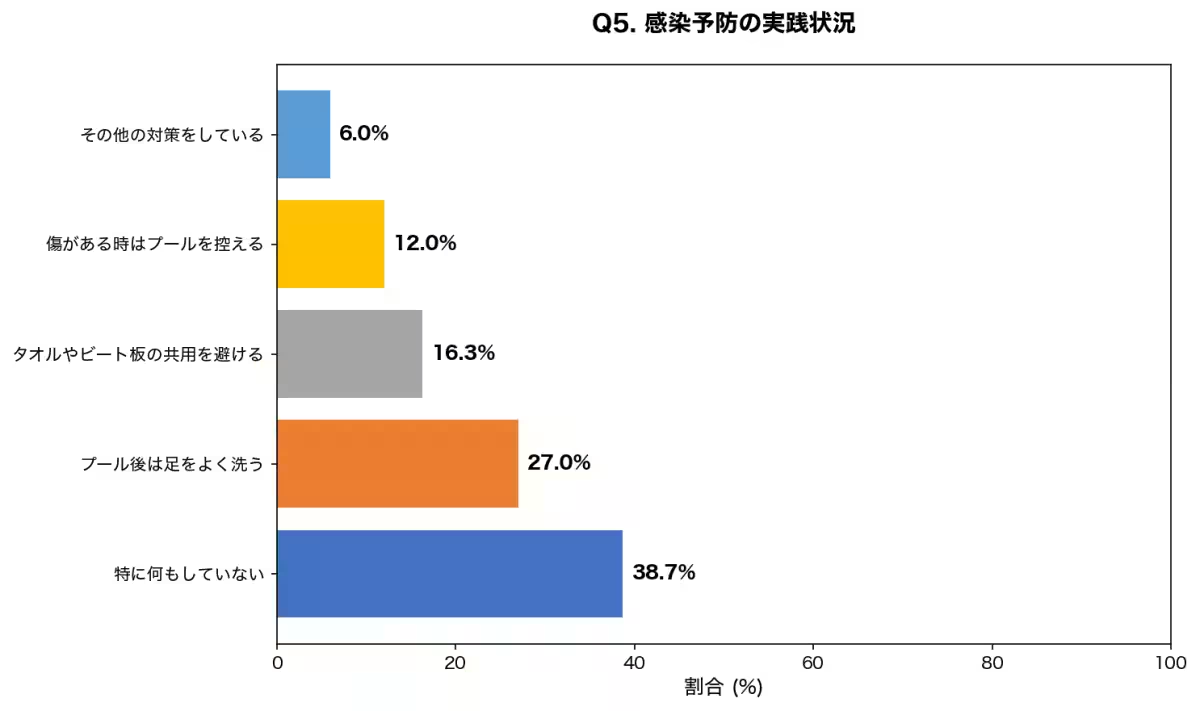
3. Prevention Awareness Deficit: Alarmingly, 38.7% of respondents admitted to not taking any preventive measures to avoid infections at pools, such as ensuring children wash their feet thoroughly after swimming or avoiding sharing personal items like towels and mats.
Understanding Viral and Water Warts
Viral Warts (Common Warts)
These benign skin tumors are caused by human papillomavirus (HPV), which often infects through small cuts or abrasions on the skin. They commonly appear as rough, raised bumps on fingers and the soles of the feet, particularly in communal bathing environments where bare feet are prevalent.
Water Warts (Molluscum Contagiosum)
This skin infection, caused by the molluscum contagiosum virus, manifests as small, shiny bumps typically 1-5mm in size, with a central indentation. These lesions are easily transmitted through direct contact, shared towels, or pool equipment like kickboards.
The Importance of Early Treatment
Many parents may not recognize that delaying treatment can significantly worsen the condition. The traditional approach to treating warts involves cryotherapy, where liquid nitrogen freezes the affected tissue. This method requires multiple sessions every one to two weeks to be effective.
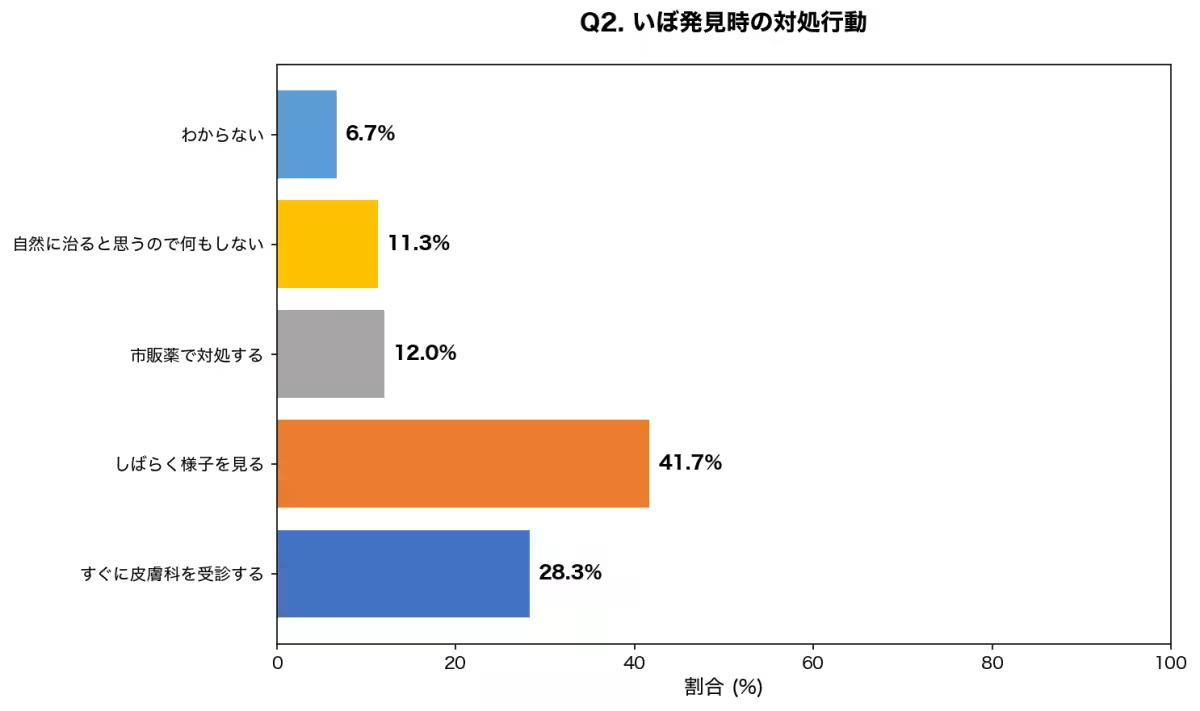
Furthermore, a significant number of parents (41.7%) indicated that they would often choose to monitor the situation rather than seek immediate medical intervention, which could lead to the multiplication of warts or secondary infections.
Insights from Medical Professionals
Dr. Kouta Takakuwa from the Icey Clinic emphasizes the escalating volume of cases seen during the late summer months. According to his experience, while complete prevention of infections in pool environments is challenging, timely intervention can greatly reduce the duration and severity of outbreaks.
He highlights the role of public awareness in minimizing risks: “Parents must understand that while warts can sometimes resolve naturally, the timeline can be extensive. Moreover, during this time, children may inadvertently infect other individuals.”
Recommendations
Parents are encouraged to:
- - Thoroughly wash and dry their children's feet after swimming.
- - Avoid sharing personal items like towels and mats to limit transmission risks.
- - Seek a dermatologist’s advice if any warty growths are noticed on their child's skin.
Conclusion
The results of the Icey Clinic survey indicate a pressing need for improved education regarding pool-related skin infections. Awareness campaigns focused on the risks associated with swimming in public facilities are crucial in fostering a culture of preventative care and proper medical attention. Ensuring parents are equipped with accurate information can aid in protecting children from unnecessary health complications during the summer swimming season.
Topics Health)
【About Using Articles】
You can freely use the title and article content by linking to the page where the article is posted.
※ Images cannot be used.
【About Links】
Links are free to use.