



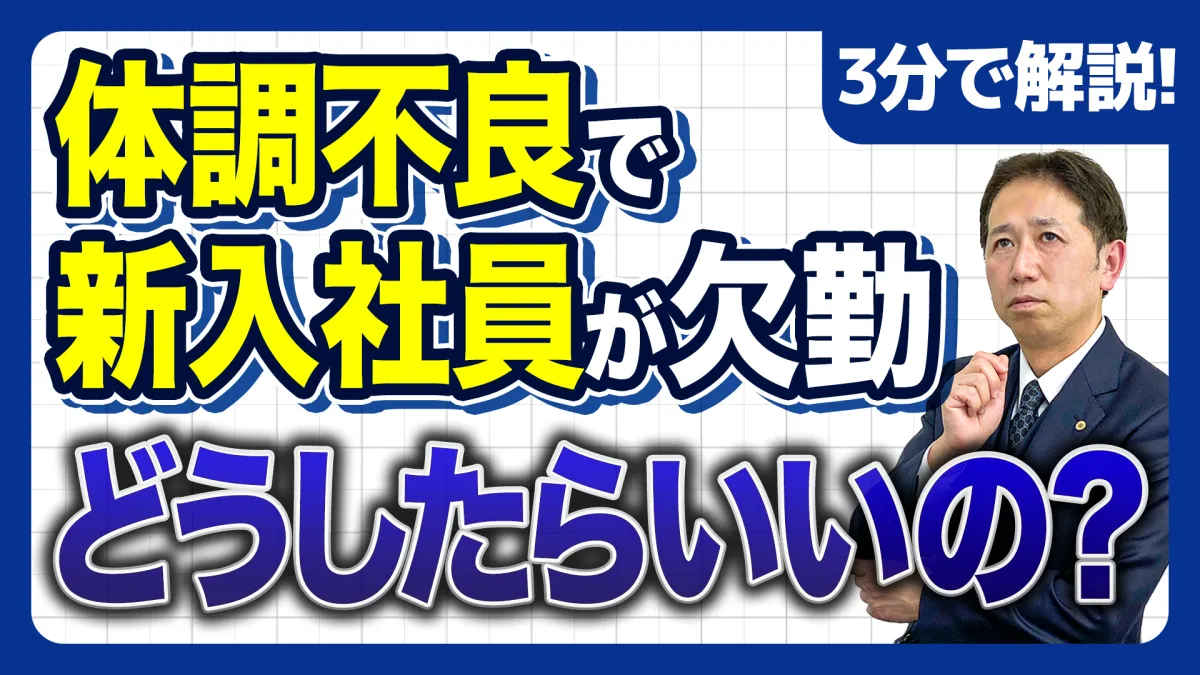
What Companies Should Consider When New Employees Fall Ill in Their First Week
Understanding Employee Health Policies for New Hires
When a new employee falls ill shortly after starting their job, organizations can often find themselves in a challenging situation. The immediate response may not involve reprimanding the individual or expressing disappointment. Instead, it is critical for the company to refer to its employment policies, particularly sections concerning absenteeism, sick leave, and the provision of sickness benefits.
The Importance of Policies
Each organization establishes its own set of guidelines regarding sick leave and related issues. The statutory annual paid leave is typically not available for immediate use, and the specifics of a company's sick leave policy can vary widely. Hence, rather than making decisions based on emotions, HR departments must ensure they have a clear understanding of the rules at play.
Key Questions to Address
As part of addressing this situation, several questions should be considered:
1. What should the company verify first if a new employee calls in sick? The first step is to check relevant company policies to ensure proper procedures are followed.
2. Is annual paid leave available immediately? In most cases, it is not, as it usually requires a certain period of employment.
3. How will salary be affected if the absence is categorized as unpaid? Organizations need to clarify the financial consequences for employees during their sickness.
4. How do sick leave policies differ from one company to another? Understanding these variances is crucial for fair treatment.
5. Are employees eligible for sick leave during their probation period? Many companies extend these benefits even during trial periods, depending on their policies.
6. When is it necessary to implement institutional responses for prolonged absences? Recognizing when management intervention is required is vital for future planning.
7. At what point are sickness benefits applicable? This can vary based on individual circumstances and company policy.
8. What problems can arise from emotional responses from the company? Companies must be aware that emotional reactions can lead to misunderstandings and potential legal challenges.
Employee Support and Guidance
Companies like the CREA Human Resources Development Association strive to provide resources and support for organizations navigating these issues. Conducting regular training seminars equips HR personnel with up-to-date information on handling such sensitive matters in a professional and legally compliant manner.
Training and Seminars
Upcoming lectures from experts such as Jun Ono, a licensed social insurance labor consultant, are scheduled to assist companies in training their staff on labor laws and workplace ethics. With over 400 trainings conducted, Ono emphasizes the importance of practicality in implementing laws in real-world scenarios.
Conclusion
Overall, navigating the complexities of employee health, especially for new hires, requires sensitivity, awareness, and a solid understanding of employment policies. By focusing on these fundamentals and distancing decisions from emotional influences, companies can foster a culture of understanding and responsibility. For more information and engagements, potential participants are encouraged to visit the CREA official site to learn more about their programs and training opportunities.
Official Site: CREA Human Resources Development Association
Topics People & Culture)


【About Using Articles】
You can freely use the title and article content by linking to the page where the article is posted.
※ Images cannot be used.
【About Links】
Links are free to use.