



Understanding Organic Farming Through the Core Food Caravan Online Event
Delving into Organic Agriculture: Core Food Caravan Event
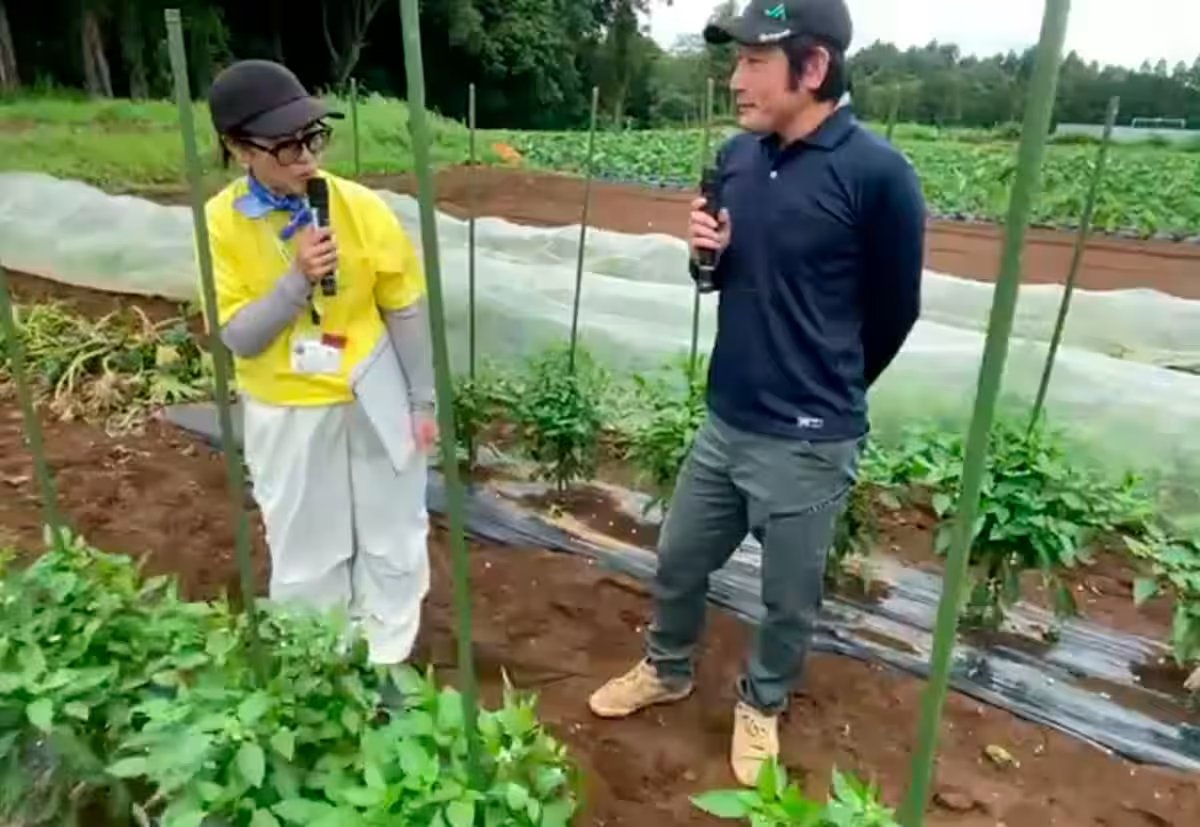
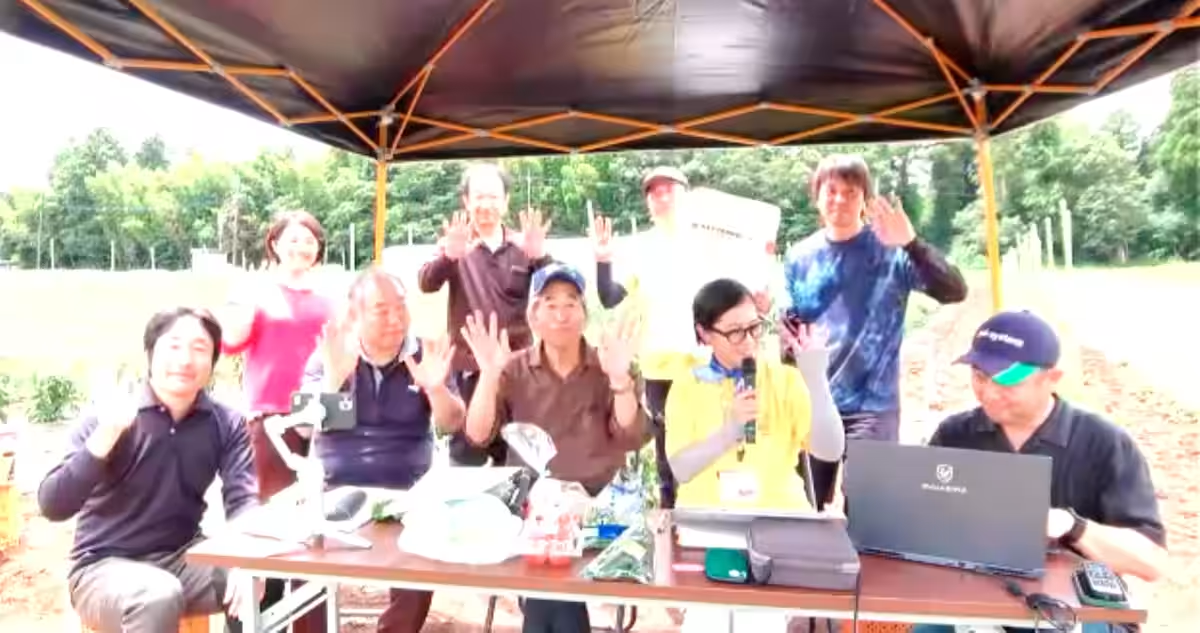
On July 3, 2023, the Pal System Consumers' Cooperative Union, headquartered in Shinjuku, Tokyo, hosted an online learning event titled “Core Food Caravan.” This initiative aimed to deepen understanding of environmentally-friendly agriculture. Broadcasted from the fields of the “Chiba Fudo no Kai,” a direct-production partnership based in Shibayama, Chiba Prefecture, the event attracted around 110 participants, including consumers eager to learn more about sustainable farming practices.
The event highlighted the importance of environmental conservation in agriculture and addressed various challenges facing the Japanese farming industry. Many farmers are grappling with issues such as an aging workforce, abandoned farmland, extreme weather conditions, and rising production costs. Pal System has been conducting the Core Food Caravan since 2020 to foster mutual learning among producers and consumers about their top agricultural brand, Core Food, and its commitment to sustainable practices.
Addressing Challenges in Organic Farming
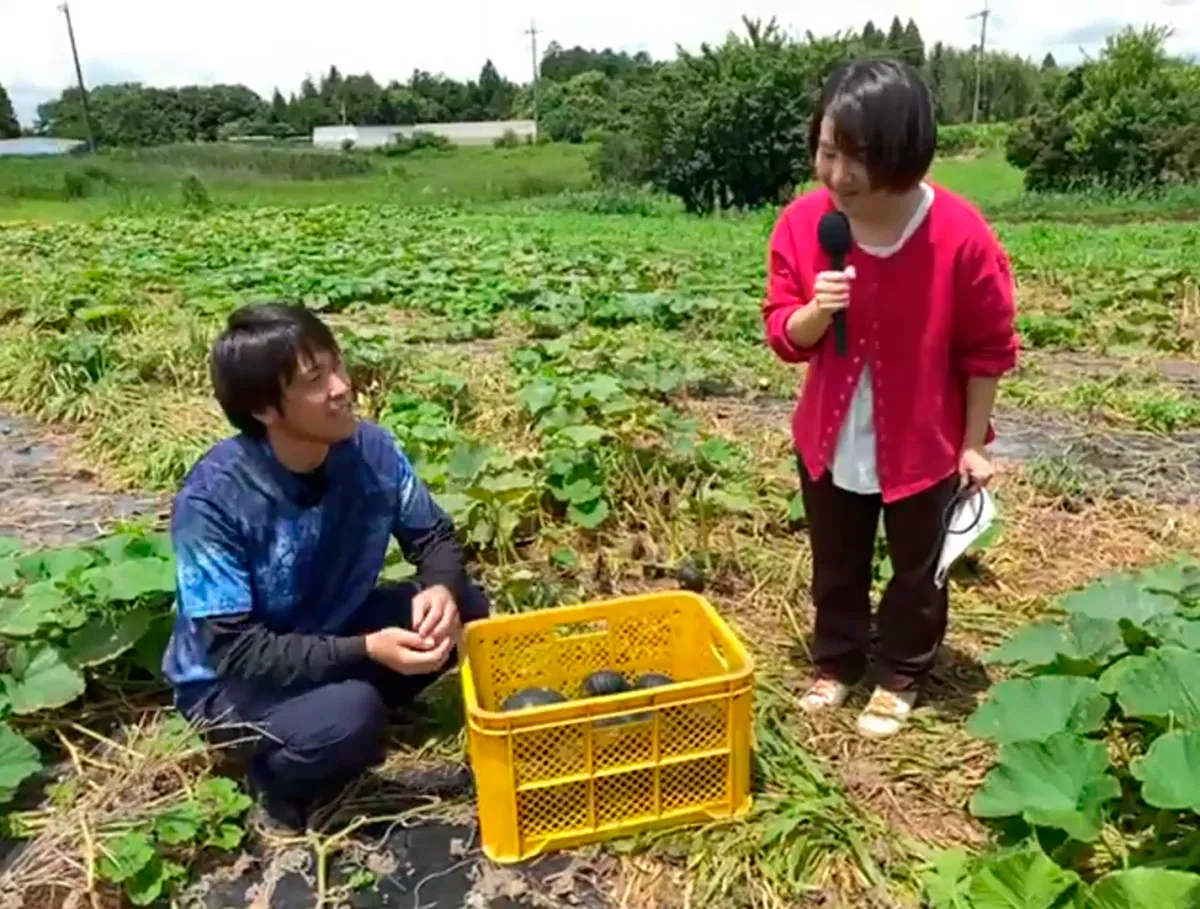
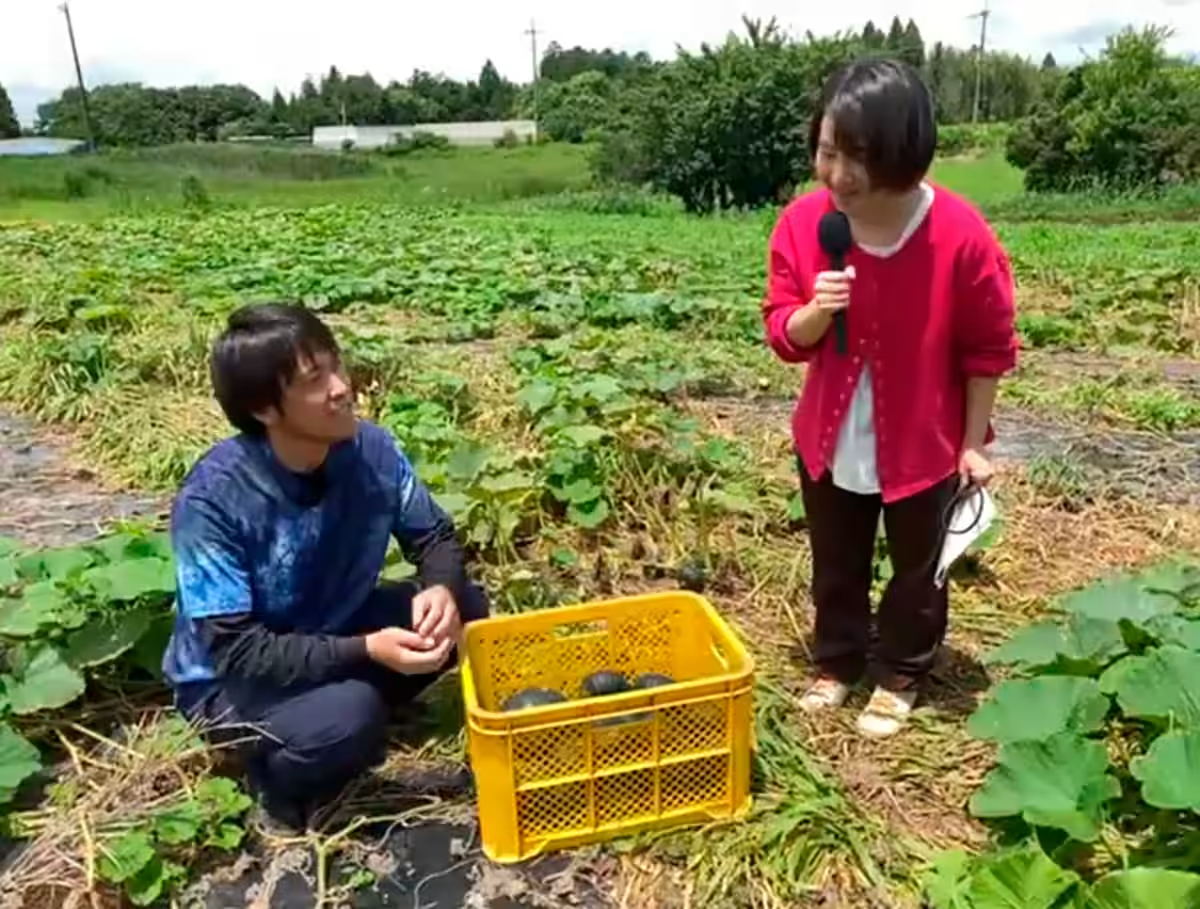
During the event, farmers like Kawachi discussed the impact of high temperatures on their crops, such as sunburned squash. The hardships of organic agriculture were laid bare as various fields, including cooperative farms with Pal System, were spotlighted. While some crops like taro and sweet potatoes thrived, the corn suffered heavily from insect damage, showcasing the difficulties organic farmers continually face.
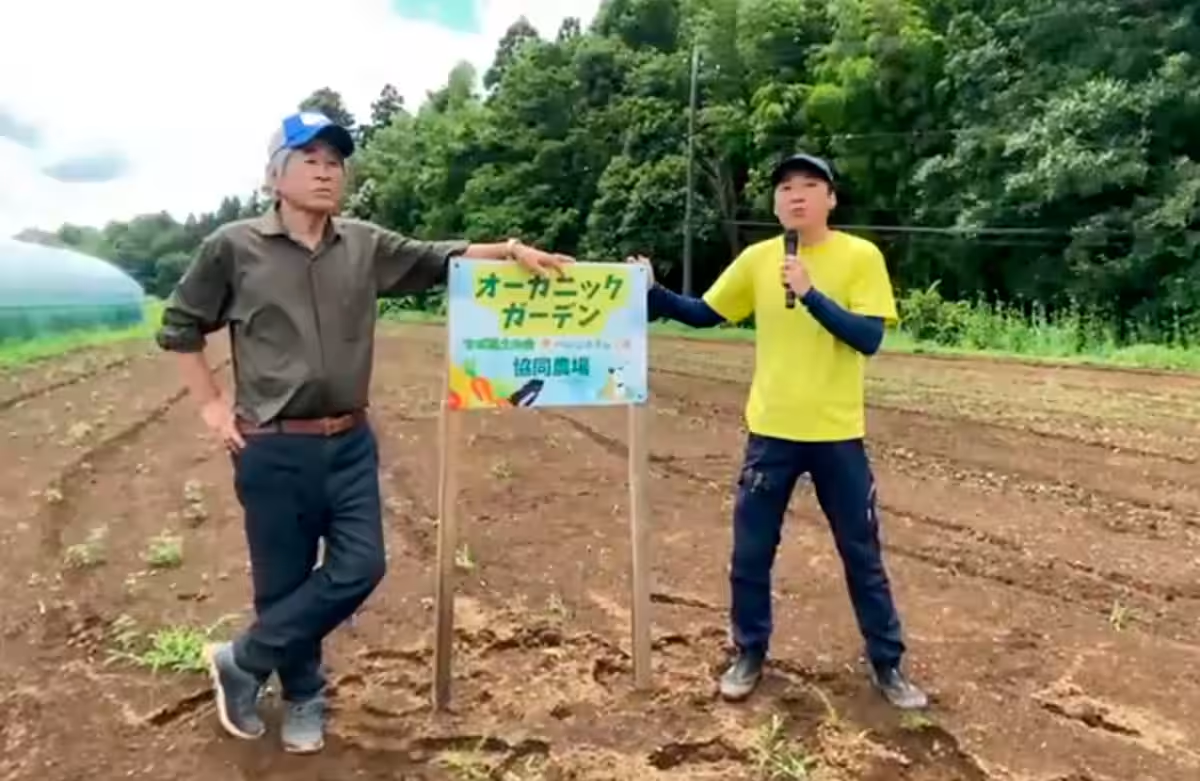
The “Chiba Fudo no Kai” comprises about 50 farmers cultivating around 100 hectares of organically certified fields, producing over 100 types of agricultural products annually. The event showcased live broadcasts from three distinct fields, covering innovations in weed management, the growth status of summer vegetables, and initiatives like the “Organic Garden” aimed at increasing the agricultural population. These discussions also included live Q&A sessions where producers answered questions related to the adverse effects of climate change on crop yields, strategies to prevent heatstroke, and the importance of maintaining a balanced ecosystem without pesticides.
Educating Consumers on Sustainable Practices
The attendees were introduced not only to different agricultural products but also to the realities of farming life. They learned about issues like sunburn on pumpkins, poor growth of organic bell peppers, and the labor-intensive process of manual weeding and pest control adopted to avoid chemical pesticides. By sharing these stories, producers illustrated the value of organic farming and its harmony with the ecosystem, encouraging consumers to consider the impact of their dietary choices on agricultural and environmental issues.
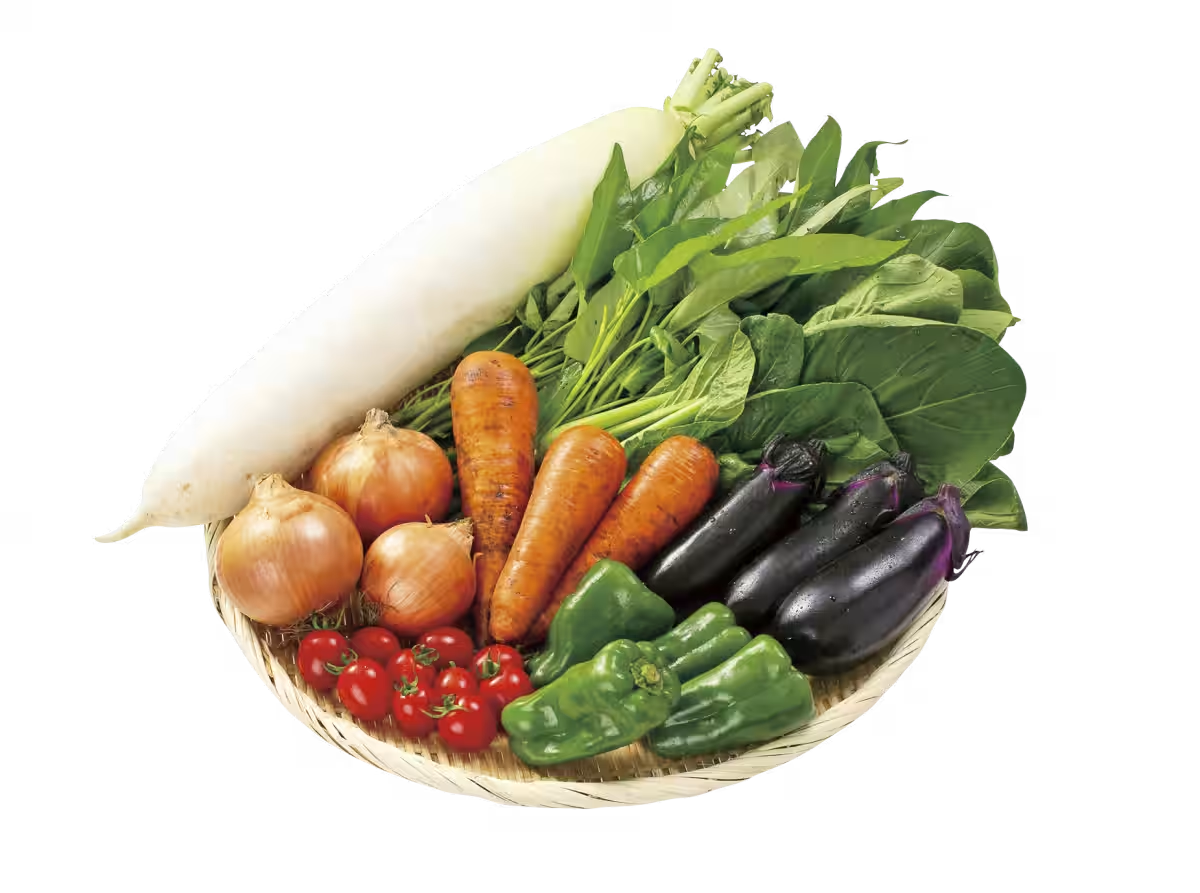
The “Chiba Fudo no Kai” was established in 2007, emerging from opposition to the construction of Narita Airport. Its focus has since shifted to promoting self-sufficiency in agriculture through pesticide-free cultivation. Supported by consumer participation, they introduced the “Assorted Organic Vegetable Set,” which includes eight fresh organic vegetables harvested on the eve or the morning of delivery, along with a message from the producers containing a seasonal recipe.
Bridging the Gap Between Producers and Consumers
Producer Yamashita remarked, “Eating supports the cultivation of production fields and helps protect the environment.” Terauchi, the company president, urged participants to visit the farms and witness the real agricultural challenges firsthand. Feedback from attendees reflected a growing understanding of these issues, with comments such as, “I was able to understand the challenges” and “Seeing the fields and hearing the stories deepened my appreciation for the products.” They recognized that through their purchasing decisions, they could support producers directly.
The next Core Food Caravan is scheduled for fall at JA Saku Asama in Nagano Prefecture, which focuses on organic Nagano koshihikari rice. Pal System continues to foster connections between producers and consumers, creating opportunities for open conversations and nurturing a transparent and engaged agricultural community.
Pal System Consumers' Cooperative Union
Located at 2-2-6 Okubo, Shinjuku, Tokyo, Pal System's cooperative network emphasizes community engagement and sustainable practices, with over 1.77 million members and total business revenue of 268.96 billion yen as of March 2026. Participating consumer cooperatives include Pal System Tokyo, Kanagawa, Chiba, Saitama, and others across Japan, supporting a unified business system to promote organic and local agriculture. For more information, visit Pal System.
Topics Consumer Products & Retail)








【About Using Articles】
You can freely use the title and article content by linking to the page where the article is posted.
※ Images cannot be used.
【About Links】
Links are free to use.