



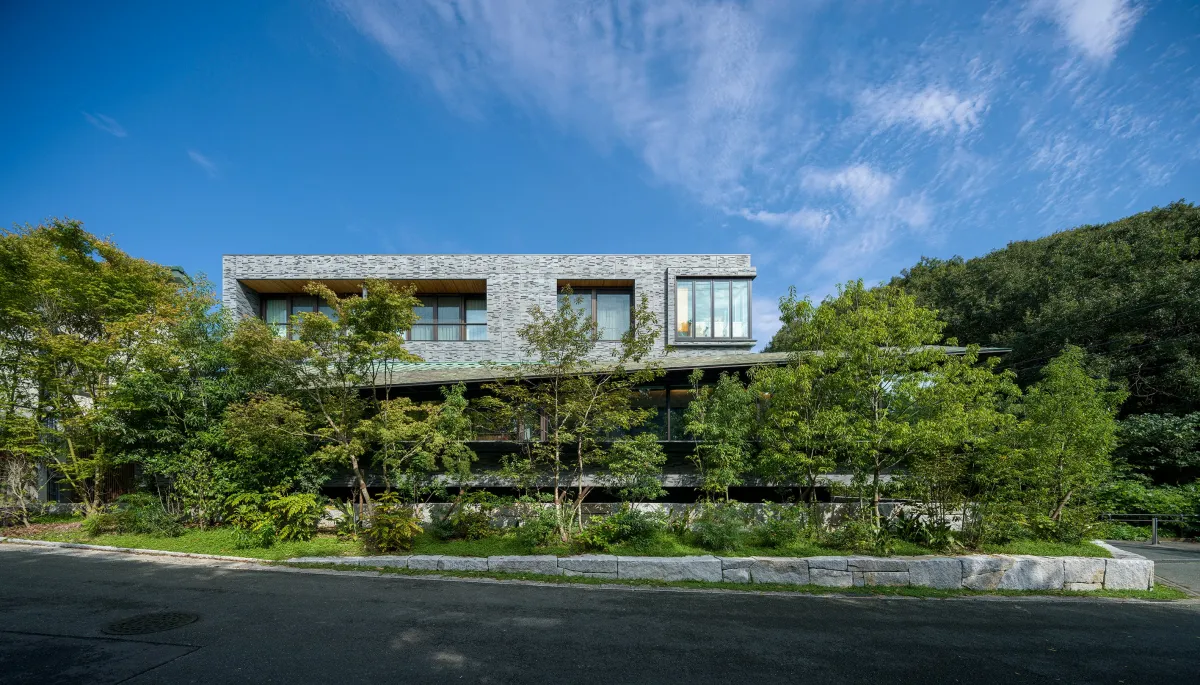
Transforming Waste into Sustainable Building Materials: The BIOCHAR Residence
Transforming Waste into Sustainable Building Materials: The BIOCHAR Residence
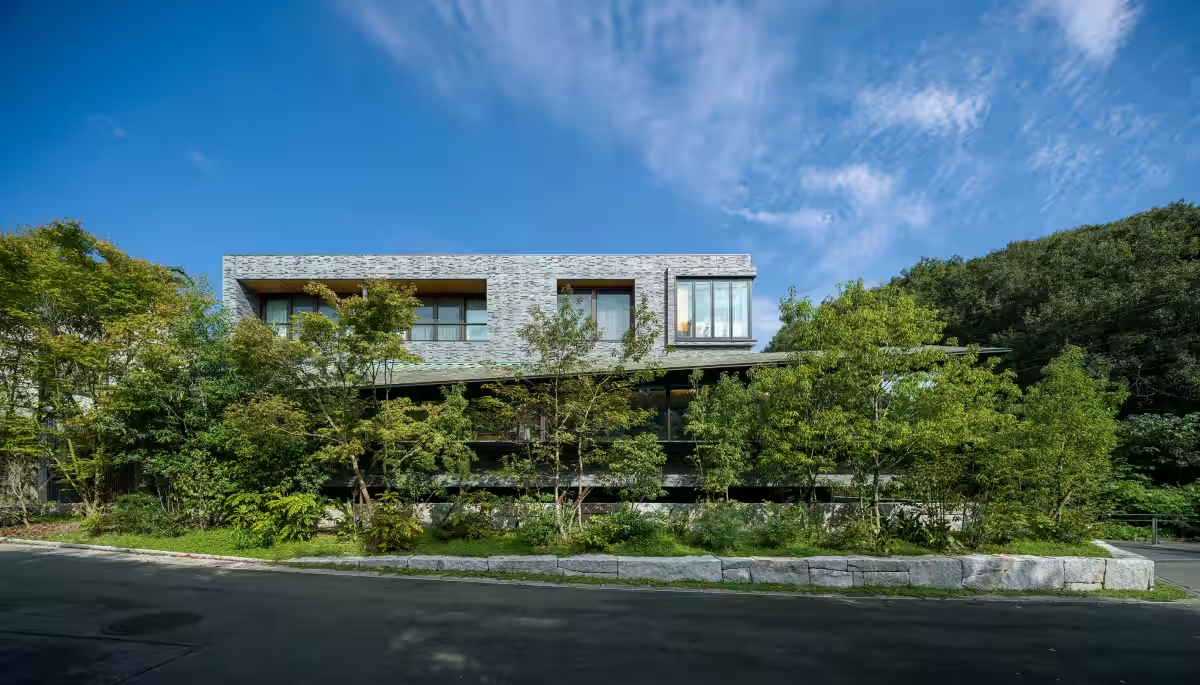
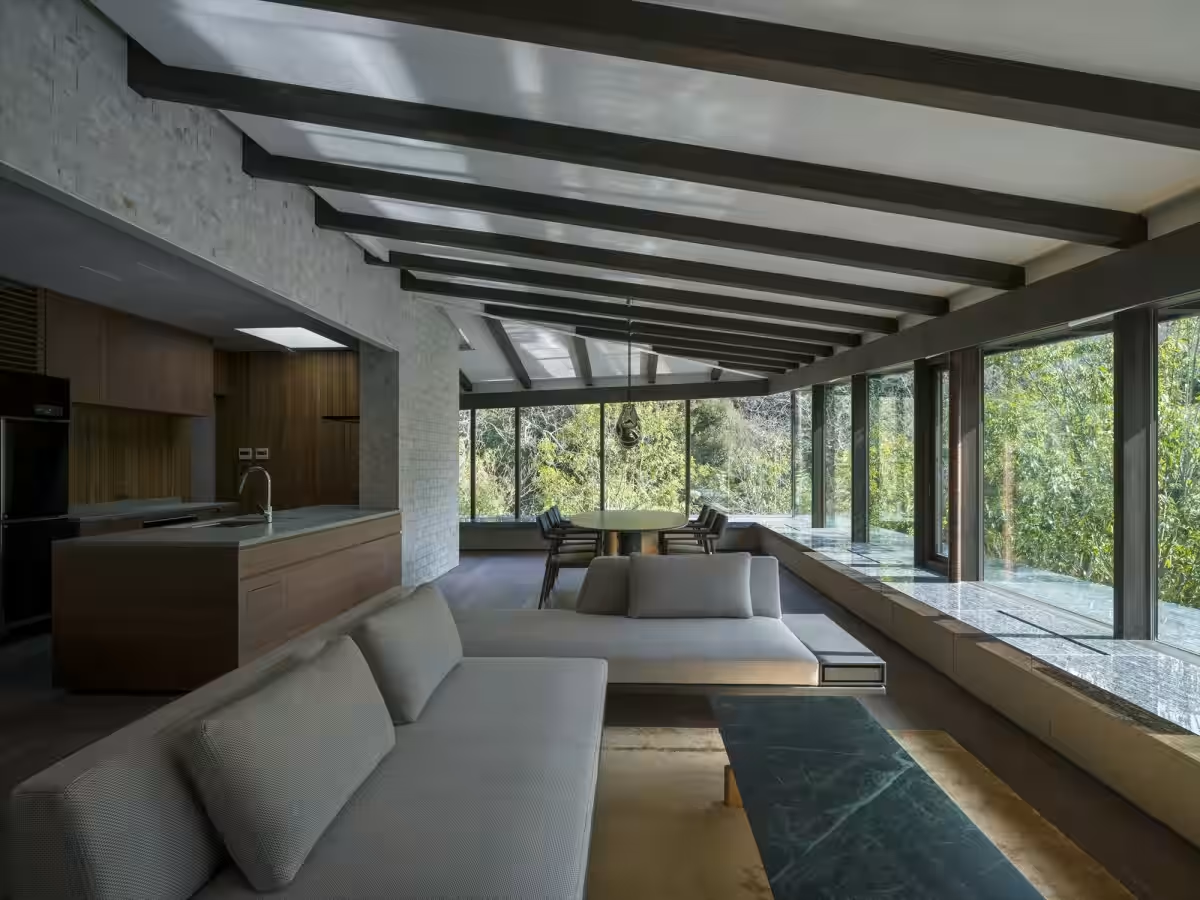
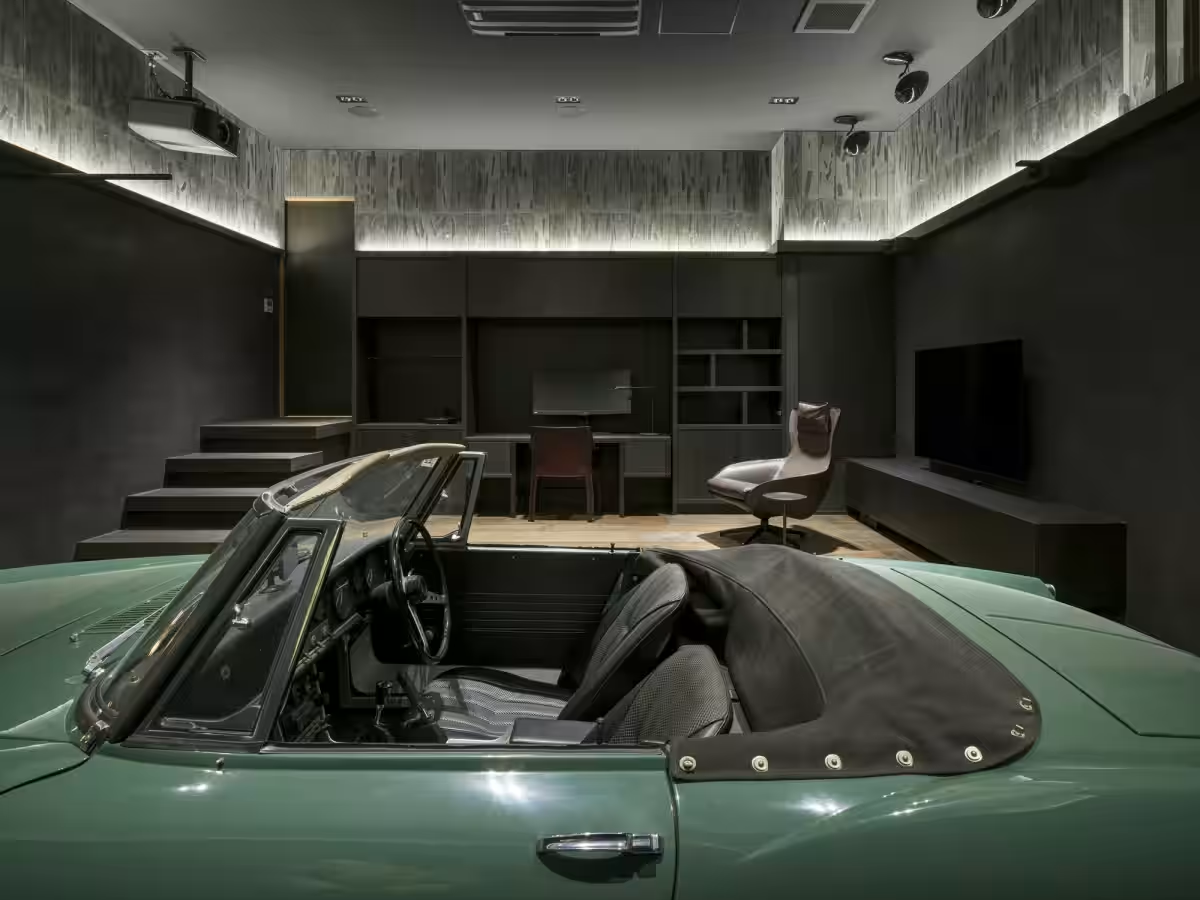
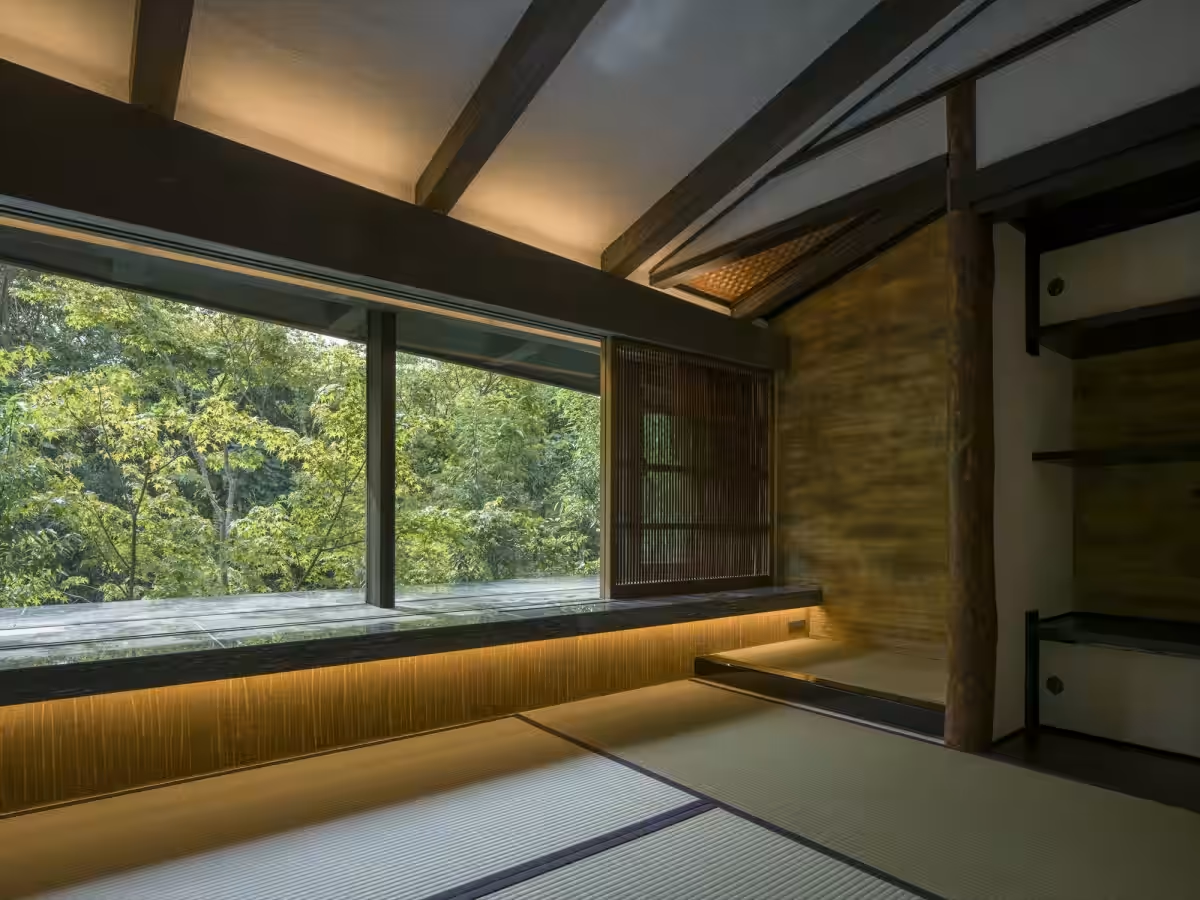
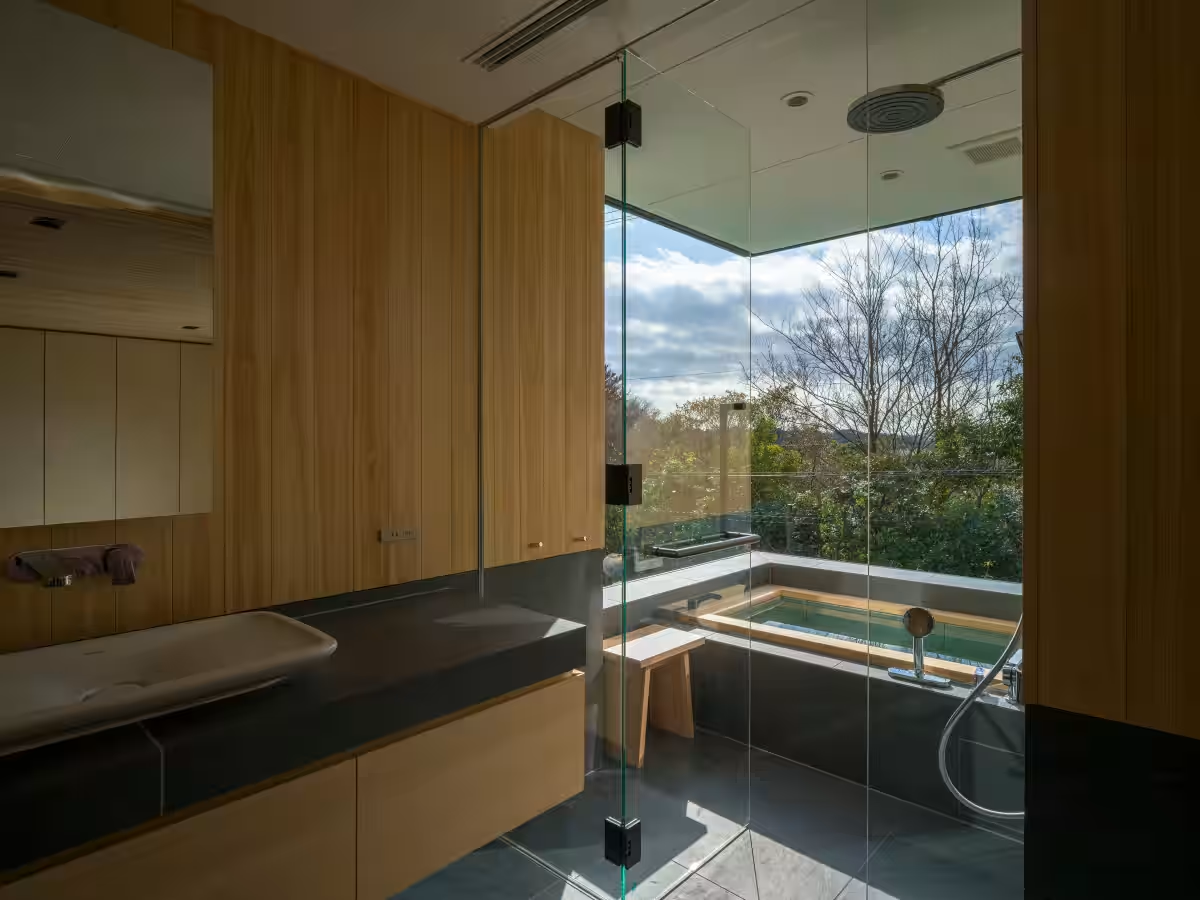
In a remarkable demonstration of environmental innovation, the BIOCHAR residence, designed by ASEI Architectural Office, has turned discarded mandarin tree branches into sustainable building materials that not only purify water but also sequester carbon. Located in Hamamatsu, Japan, this unique project is set to be completed by January 2024 and will be featured in the August 2026 issue of Modern Living, published by Hearst.
The Idea Behind BIOCHAR
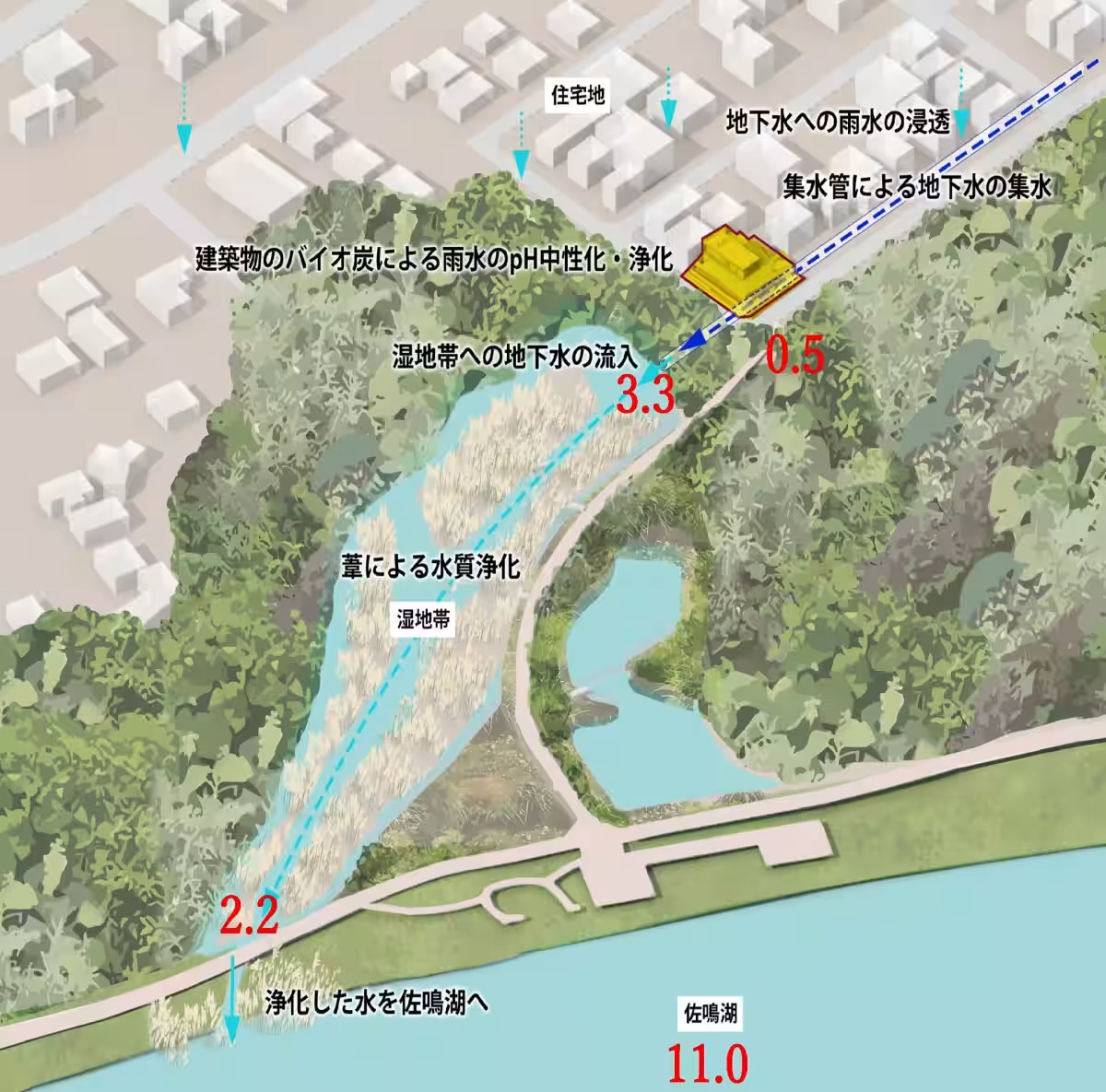
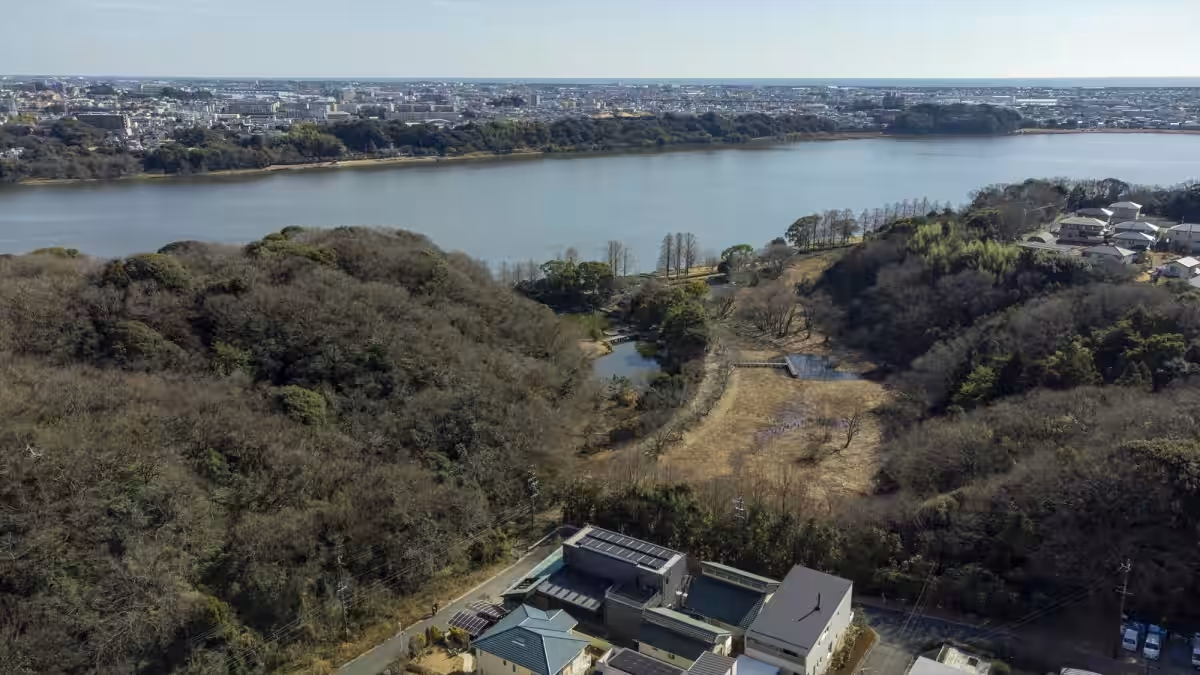
The concept was born from the need to address the environmental issues faced by Lake Sanaru, which historically recorded one of the highest levels of chemical oxygen demand (COD) in Japan. Despite a high sewer connection rate of 94.6%, water quality improvements stalled for a decade due to urban runoff and nutrient leaks from lakebed sediments.
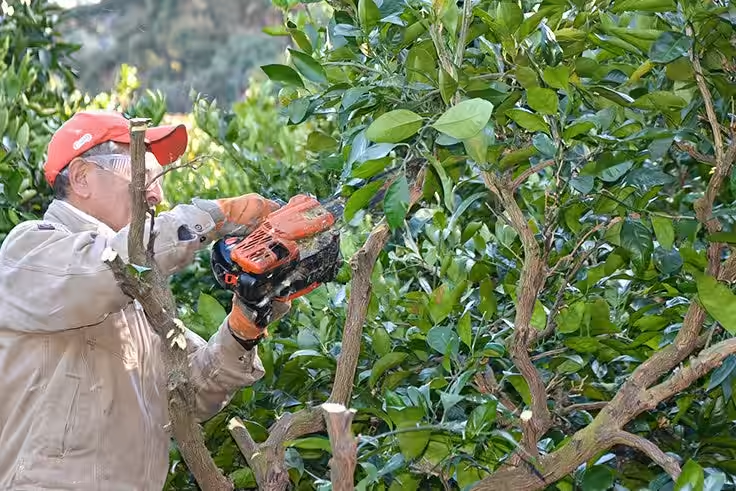
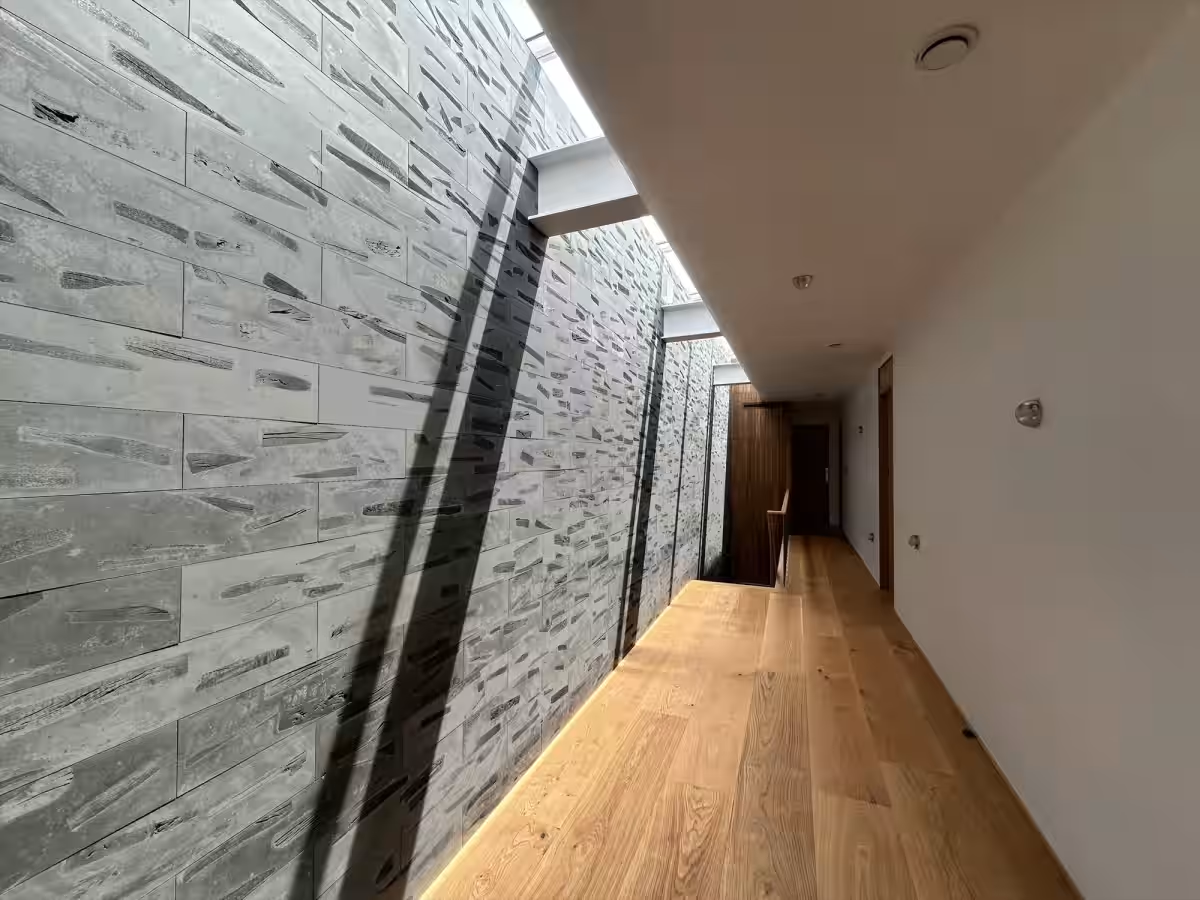
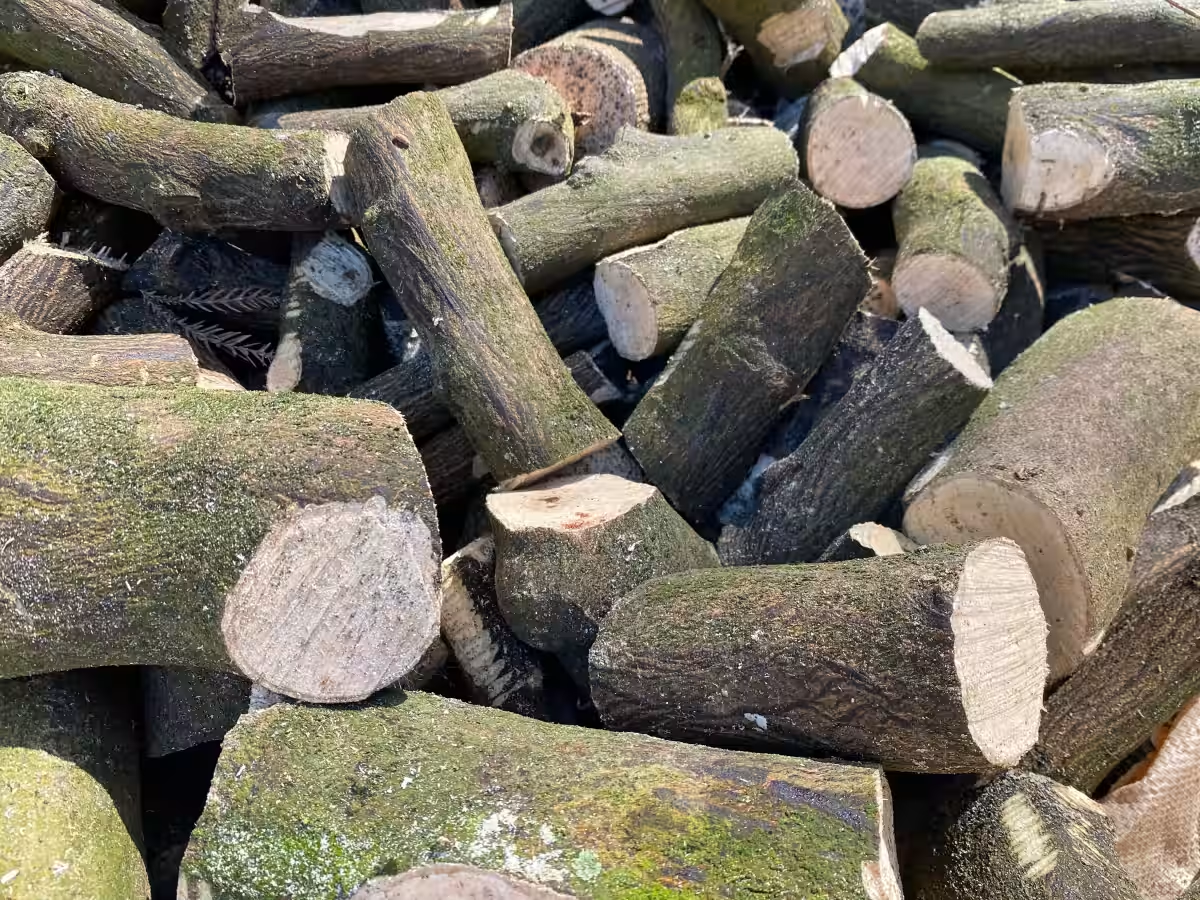
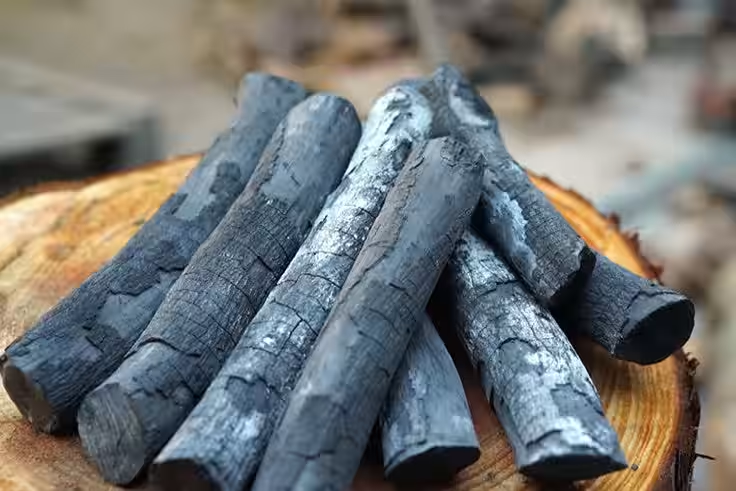
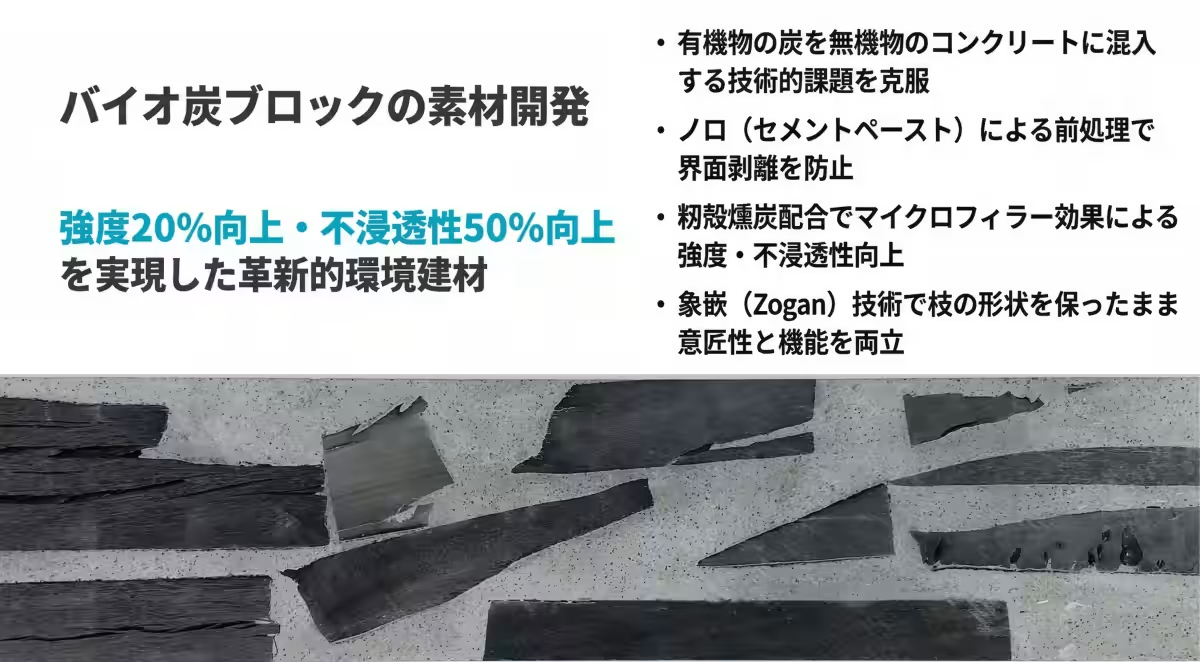
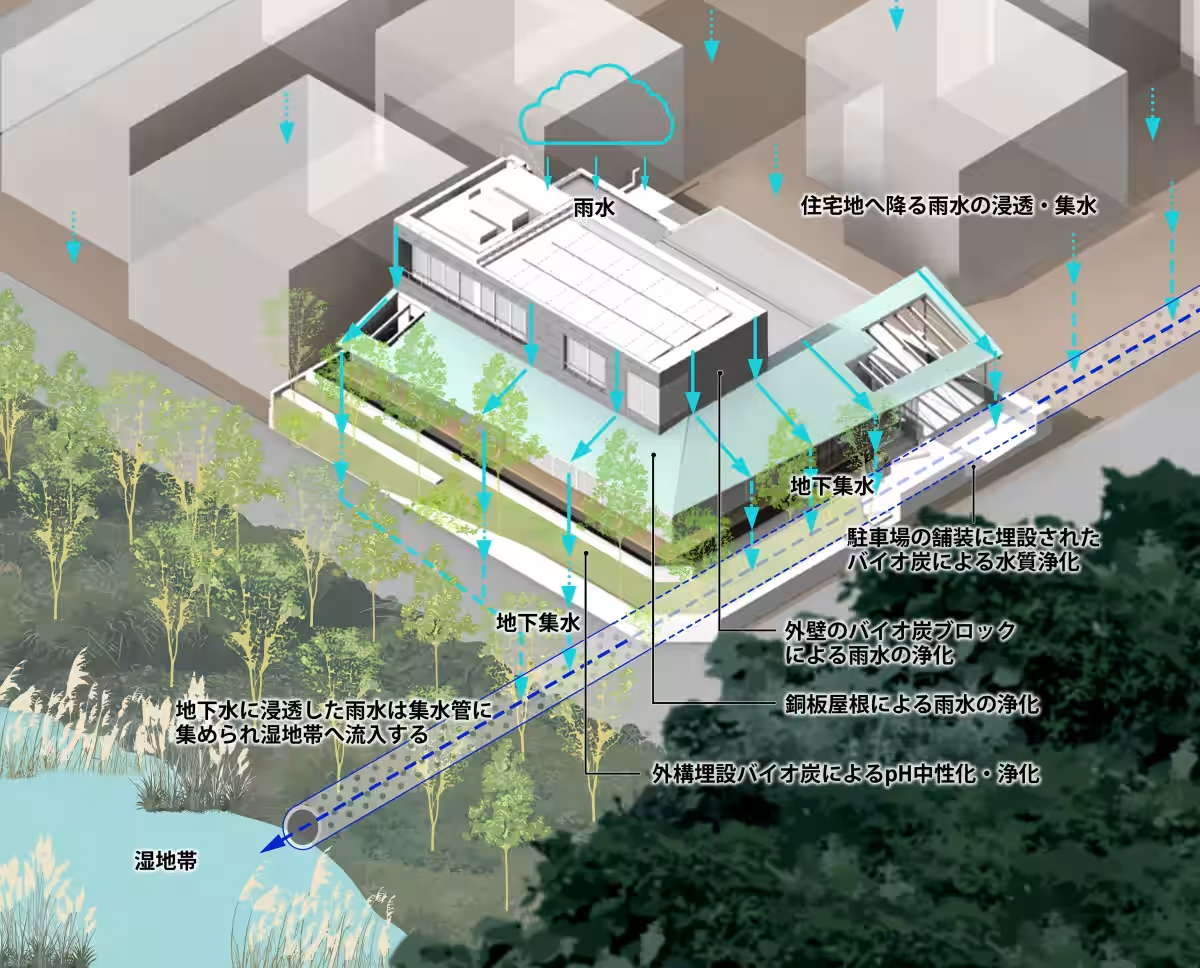
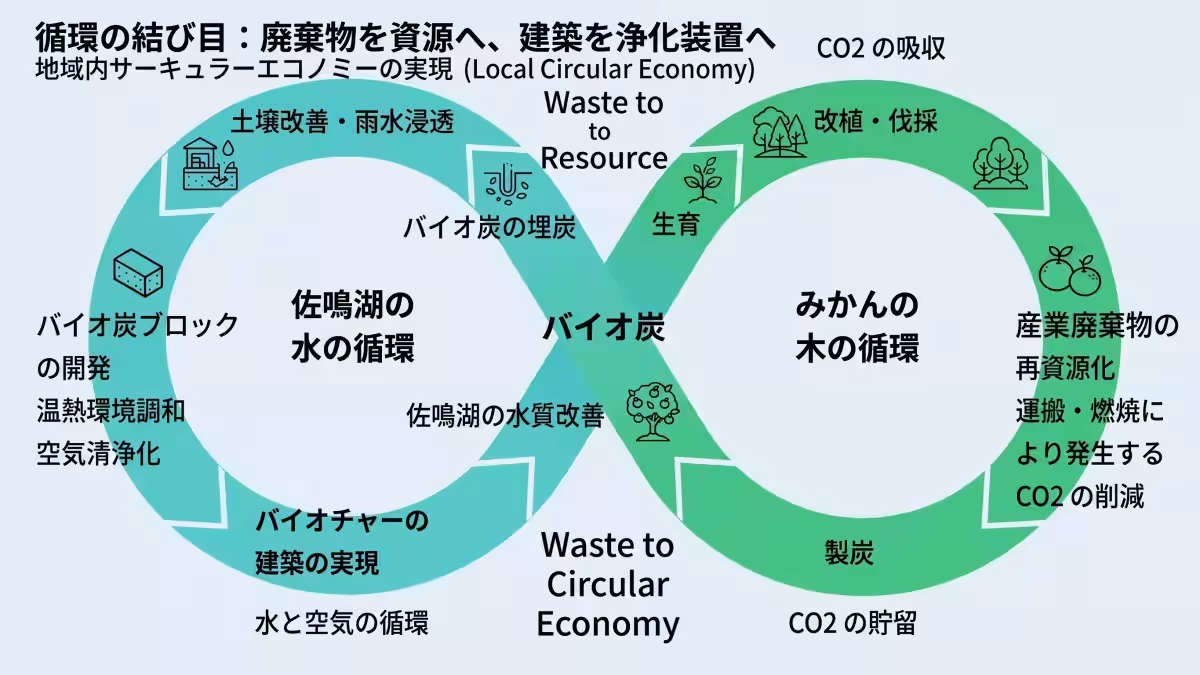
To combat this, ASEI Architectural Office proposed a solution that integrates construction with water purification by transforming a typically discarded resource into a building material: biochar. By carbonizing the branches of mandarin trees, previously deemed industrial waste, they have developed biochar blocks that offer significant ecological benefits.
Key Innovations
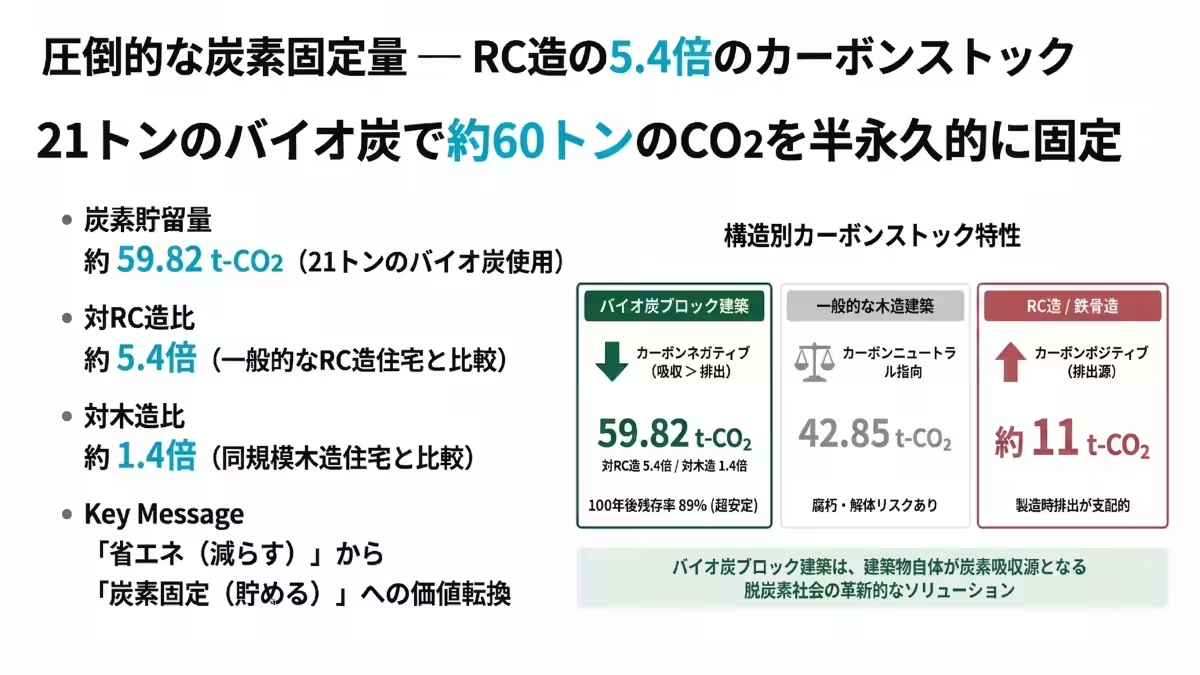
1. Carbon Sequestration: Each residence contributes to carbon storage, with an estimated retention of 59.82 tons of CO2 over time. This figure impressively outperforms conventional residential buildings, storing over 5.4 times more carbon than similar concrete structures.
2. Water Treatment: The site has achieved a water quality COD level of below 0.5 mg/L, significantly purifying water compared to the adjacent lake's level of 11.0 mg/L. This project serves a pivotal role in gradually improving Lake Sanaru's water quality.
3. Wider Impact: The design encourages replication within a broader community, projecting to reduce pollution loads significantly across the surrounding neighborhood, aiming for sustained environmental standards.
The Materials Revolution
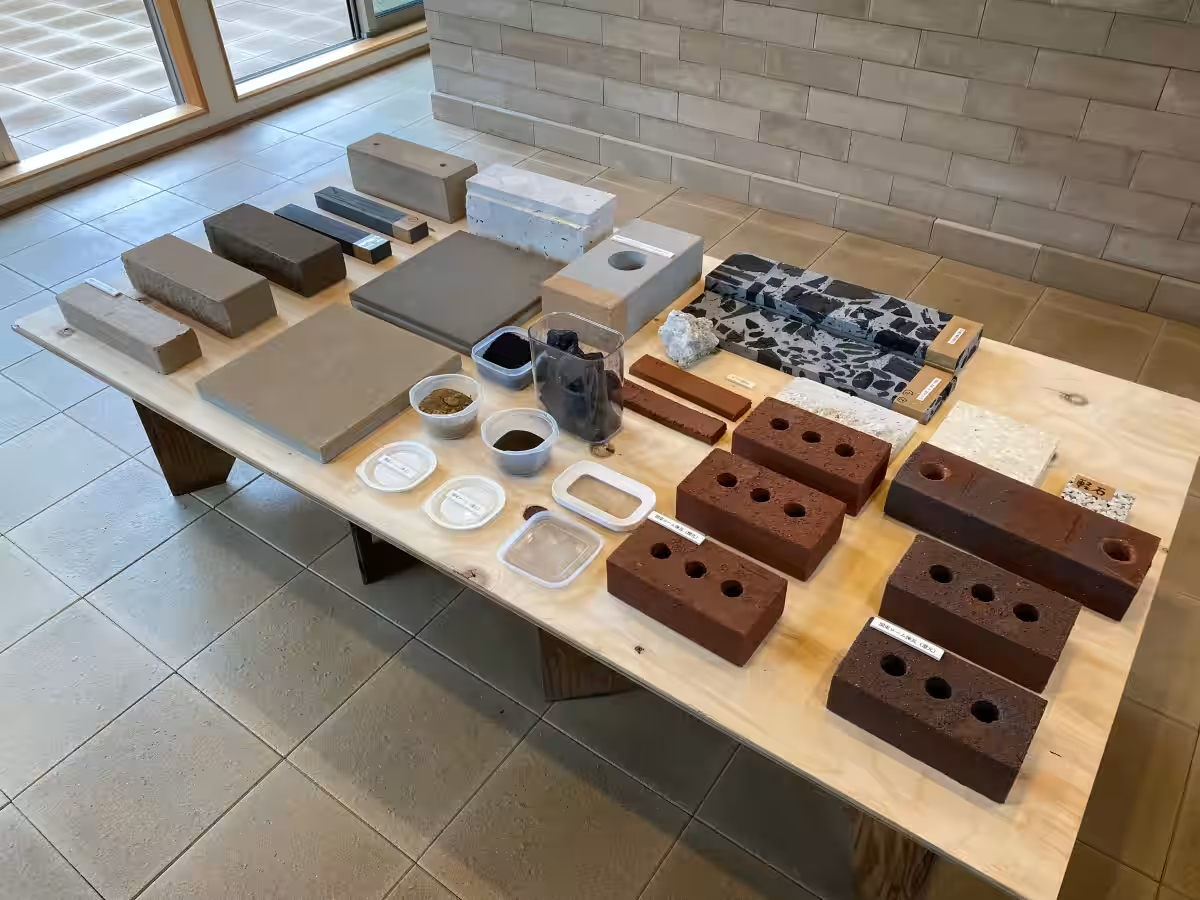
The project utilizes locally sourced mandarin branches that undergo carbonization to create biochar. This innovative method results in high-quality carbon material that boosts structural integrity and improves environmental impacts. The collaboration with local artisans and manufacturers has led to the establishment of production processes that can scale effectively to meet industrial standards.
Throughout its development, the residence faced challenges such as material separation and handling, which required a thoughtful approach to blend carbon materials with concrete. The successful resolution of these challenges has set a precedent for future developments in sustainable building materials, ensuring they meet both aesthetic and functional standards.
Validation Through Data
The efficacy of the BIOCHAR residence has been backed by substantial data. With careful monitoring of water quality and carbon retention rates, the project demonstrates not only the feasibility but also the necessity of integrating environmental restoration within contemporary architectural practices. Comprehensive data collection reinforced the claims of enhanced water quality and carbon sequestration, enabling a holistic approach to environmental restoration.
As more inquiries arise from top-rated companies regarding the development of sustainable materials, ASEI Architectural Office continues its pursuit of innovative architectural solutions. Their ongoing
Topics Consumer Products & Retail)

【About Using Articles】
You can freely use the title and article content by linking to the page where the article is posted.
※ Images cannot be used.
【About Links】
Links are free to use.