



Understanding Why Dental Hygienists Prefer Their Workplaces: Key Factors Revealed
In light of recent trends affecting the dental industry, the Seireikai Medical Corporation has conducted a detailed survey targeting dental hygienists with 2-8 years of experience at the As Yokohama Dental Clinic, located in Kanagawa, Japan. As Japan grapples with labor shortages stemming from low birth rates and an aging population, retaining skilled professionals in healthcare roles, particularly dental hygienists, has become increasingly important.
The role of dental hygienists is crucial in enhancing the quality of life (QOL) for citizens, especially in the context of Japan's aging society. A survey by the Japan Dental Hygienists Association found that nearly 80% of dental hygienists have experienced job separation at some point in their careers.
With shifting social dynamics, the expectations of dental hygienists are evolving. It appears there is a growing emphasis on the workplace atmosphere, opportunities for professional growth, and a healthy work-life balance in addition to salary considerations.
So, what factors contribute to a dental hygienist's desire to remain at their current position? The survey aimed to illustrate the essential elements of an appealing workplace. It sought insights into aspects such as employee training systems, personnel evaluation methods, and opportunities for skill enhancement that impact job satisfaction.
Conducted from July 8 to July 11, 2025, the survey collected responses from 689 dental hygienists who had been employed for 2 to 8 years. The research was facilitated by PRIZMA, a reputable survey company.
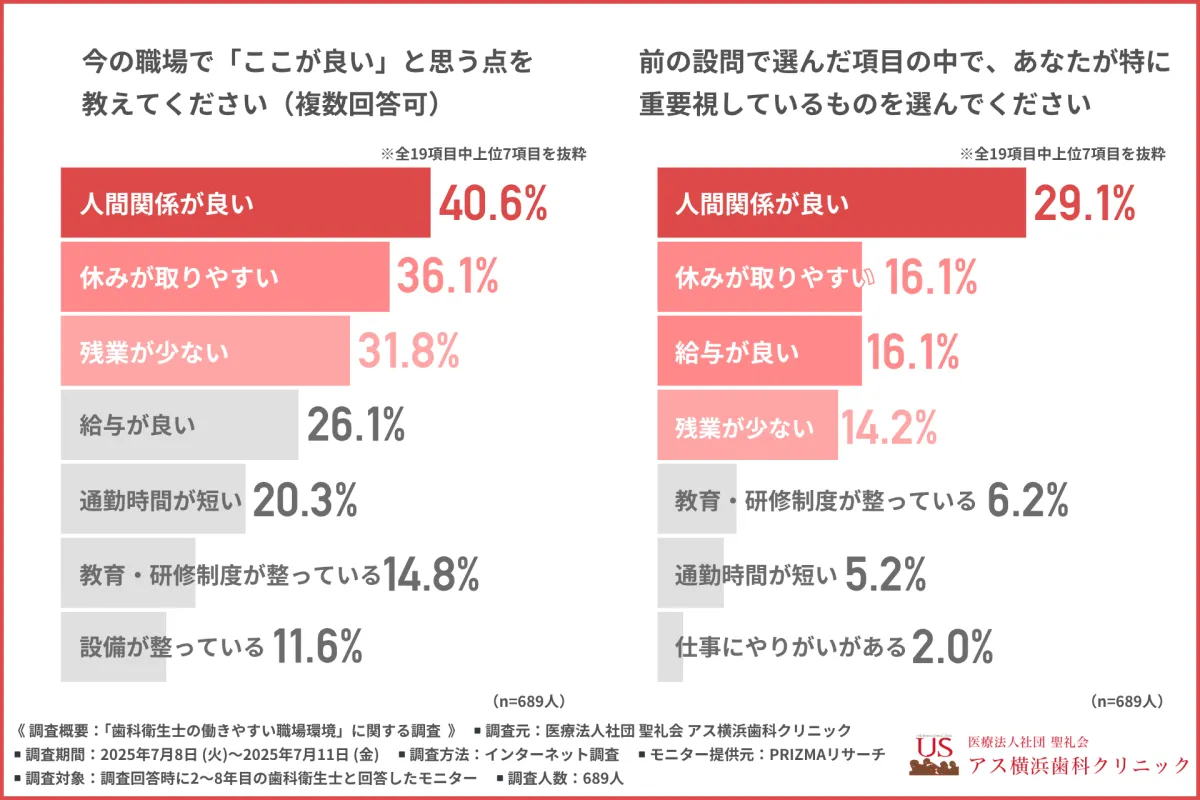
When asked about the positive aspects of their current workplaces, respondents highlighted three top criteria:
1. Interpersonal Relationships (40.6%)
2. Ease of Taking Leave (36.1%)
3. Minimal Overtime (31.8%)
Interestingly, 'good relationships' emerged as the most significant factor. This underscores the importance of teamwork and effective communication, vital components in a healthcare setting. Additionally, significant attention was given to work-life balance through structured time off. An increase in prioritizing restful work conditions reflects a significant shift in workplace values.
In this dialogue, educational frameworks and resources indicated relatively lower priority. This suggests that young dental hygienists might prioritize immediate workplace dynamics over institutional offerings.
When inquiring about the most valued aspects of their workplaces, respondents overwhelmingly pointed to interpersonal relations, suggesting that nearly 30% of them viewed it as the most critical factor. Following this were ease of taking leave, remuneration, and minimal working hours—all indicating that flexibility concerning work arrangements and pay structure are significant to job longevity.
Such statistics reveal a trend wherein younger hygienists place greater importance on relational comfort and flexibility over pure financial incentives.
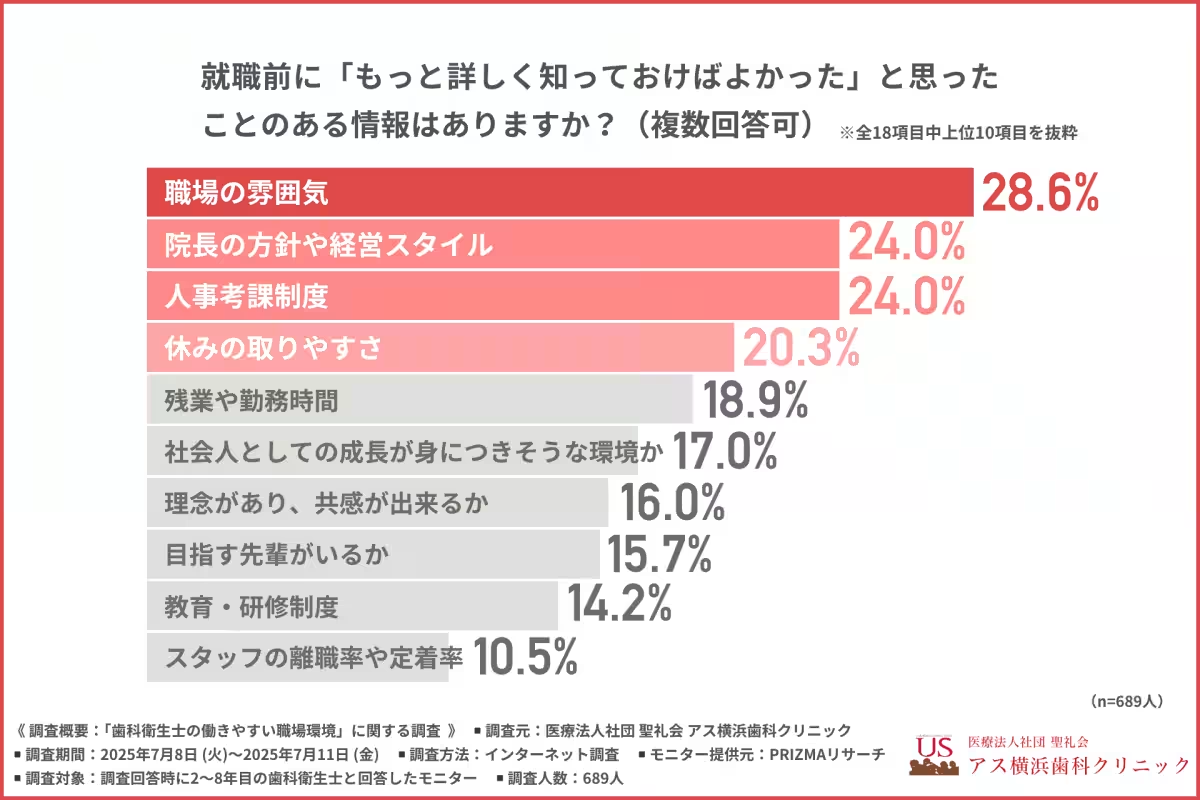
The survey further probed what else dental hygienists wished they had known before joining their current practices. The responses highlighted the following factors as most critical:
1. Workplace Atmosphere (28.6%)
2. Leadership Philosophy (24.0%)
3. Evaluation Methods (24.0%)
4. Leave Policies (20.3%)
These findings pinpoint how workplace ambiance and leadership styles significantly impact job satisfaction and may contribute to stress levels for dental hygienists. Knowledge about these aspects prior to employment can effectively guide prospective employees.
Respondents suggested several strategies for gathering information before employment:
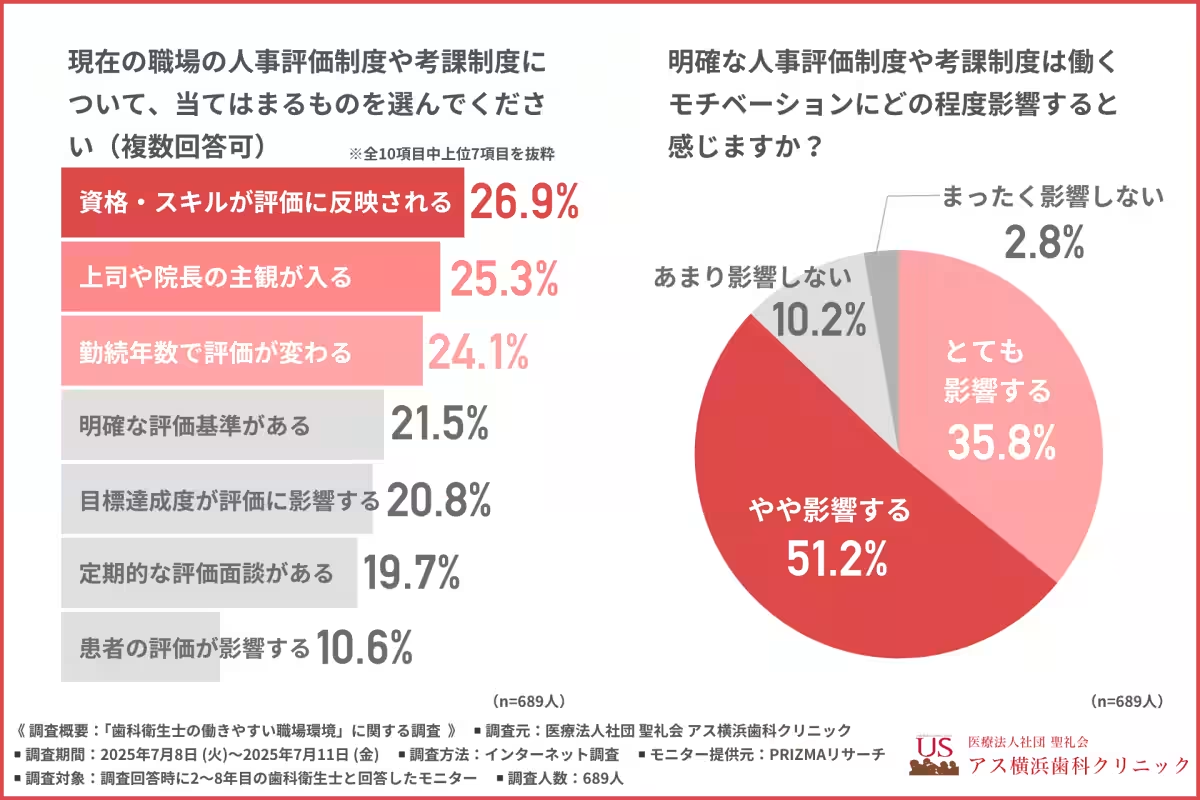
Regarding personnel evaluation and assessment systems, about 26.9% of respondents felt that their qualifications and skills were adequately reflected in their feedback. Conversely, 25.3% expressed concern over subjective evaluations by supervisors, while 24.1% noted that tenure influenced appraisal. This suggests a need for improvement in the objectivity of the criteria used in evaluating performance.
Almost 90% of the respondents recognized that transparent evaluation systems significantly influence motivation and job satisfaction levels. This implies that establishing clear and fair criteria for evaluations remains essential in motivating employees.
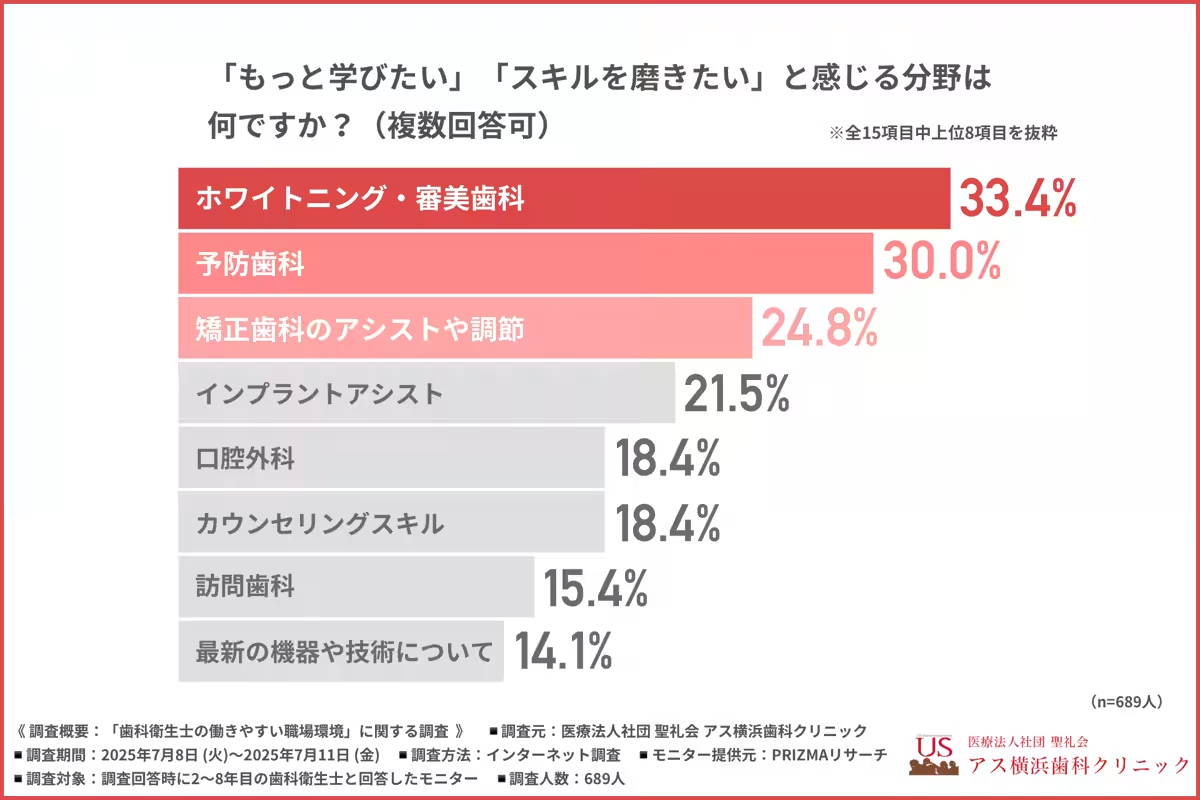
In terms of professional learning desires, young dental hygienists exhibited a keen interest in fields like:
1. Teeth Whitening & Aesthetic Dentistry (33.4%)
2. Preventive Dentistry (30.0%)
3. Orthodontics (Assist & Adjustment) (24.8%)
These numbers highlight a strong inclination towards practical and advanced specialties that directly relate to their daily roles, indicating the desire for balanced skill enhancement.
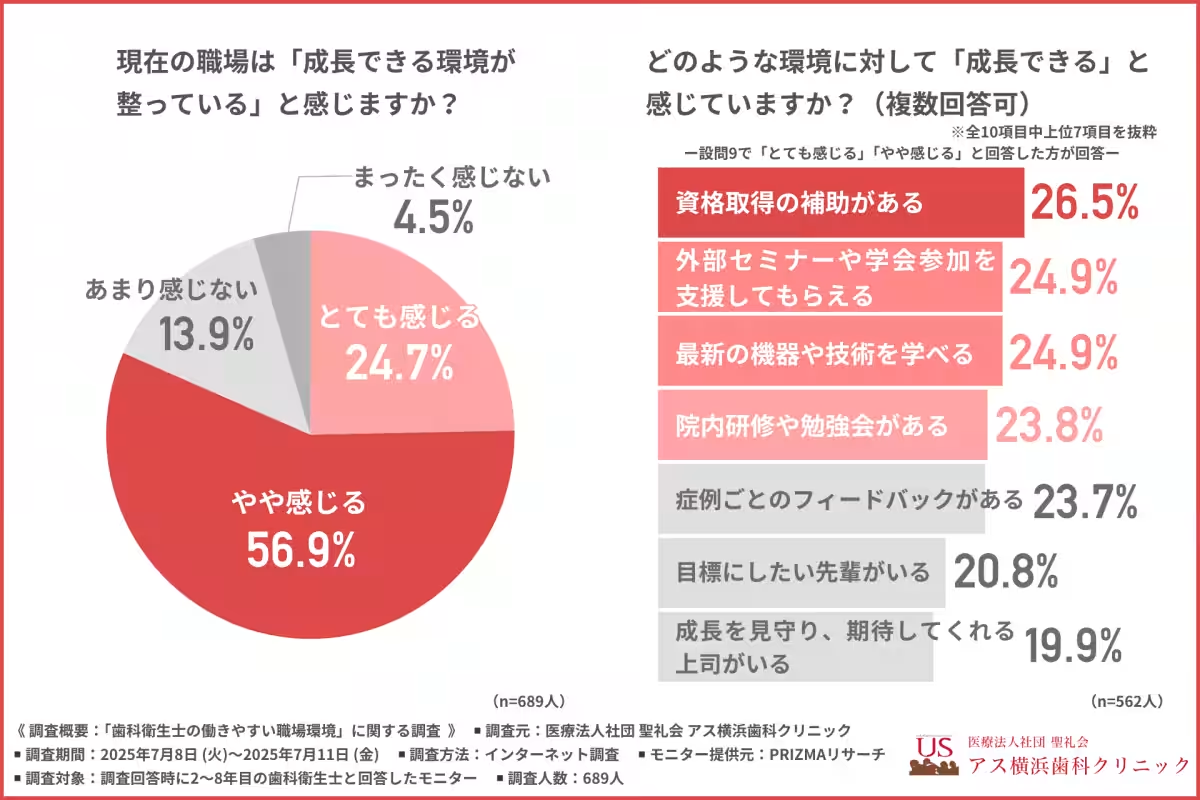
Nearly 80% of surveyed hygienists felt their current workplaces offered growth potential. They particularly valued systems that provide assistance in obtaining qualifications, opportunities for attending seminars, exposure to the latest technologies, and internal training sessions.
The findings from this survey illuminate what young dental hygienists consider vital for enduring workplace commitments. A significant number (over 60%) have remained in their positions for more than three years, suggesting relatively high retention rates. However, addressing the needs of those with less than a year in the workforce remains vital.
The best-rated aspects of current job satisfaction spotlight the importance of healthy interpersonal dynamics, accessibility to leave, and balanced workloads as perceived essential conditions fostering durable employment. These insights reveal a shift away from salary-focused retention towards prioritizing relationship quality and organizational culture.
Finally, the contributing factors to positive workplace environments among young hygienists emerge as a harmonious relationship, transparent evaluations, and supportive growth opportunities. Establishing an environment aligned with these pillars may enhance both recruitment and retention rates in the future.
Seireikai Medical Corporation, the entity behind the survey, reflects on their core belief that work should enhance the lives of its employees and patients alike. By fostering good relationships and transparent evaluations grounded in career development principles, they ensure that employees find fulfillment in their careers.
To learn more about opportunities with Seireikai, visit their recruitment site.

The role of dental hygienists is crucial in enhancing the quality of life (QOL) for citizens, especially in the context of Japan's aging society. A survey by the Japan Dental Hygienists Association found that nearly 80% of dental hygienists have experienced job separation at some point in their careers.
With shifting social dynamics, the expectations of dental hygienists are evolving. It appears there is a growing emphasis on the workplace atmosphere, opportunities for professional growth, and a healthy work-life balance in addition to salary considerations.
So, what factors contribute to a dental hygienist's desire to remain at their current position? The survey aimed to illustrate the essential elements of an appealing workplace. It sought insights into aspects such as employee training systems, personnel evaluation methods, and opportunities for skill enhancement that impact job satisfaction.
Survey Overview
Conducted from July 8 to July 11, 2025, the survey collected responses from 689 dental hygienists who had been employed for 2 to 8 years. The research was facilitated by PRIZMA, a reputable survey company.
Findings on Workplace Satisfaction
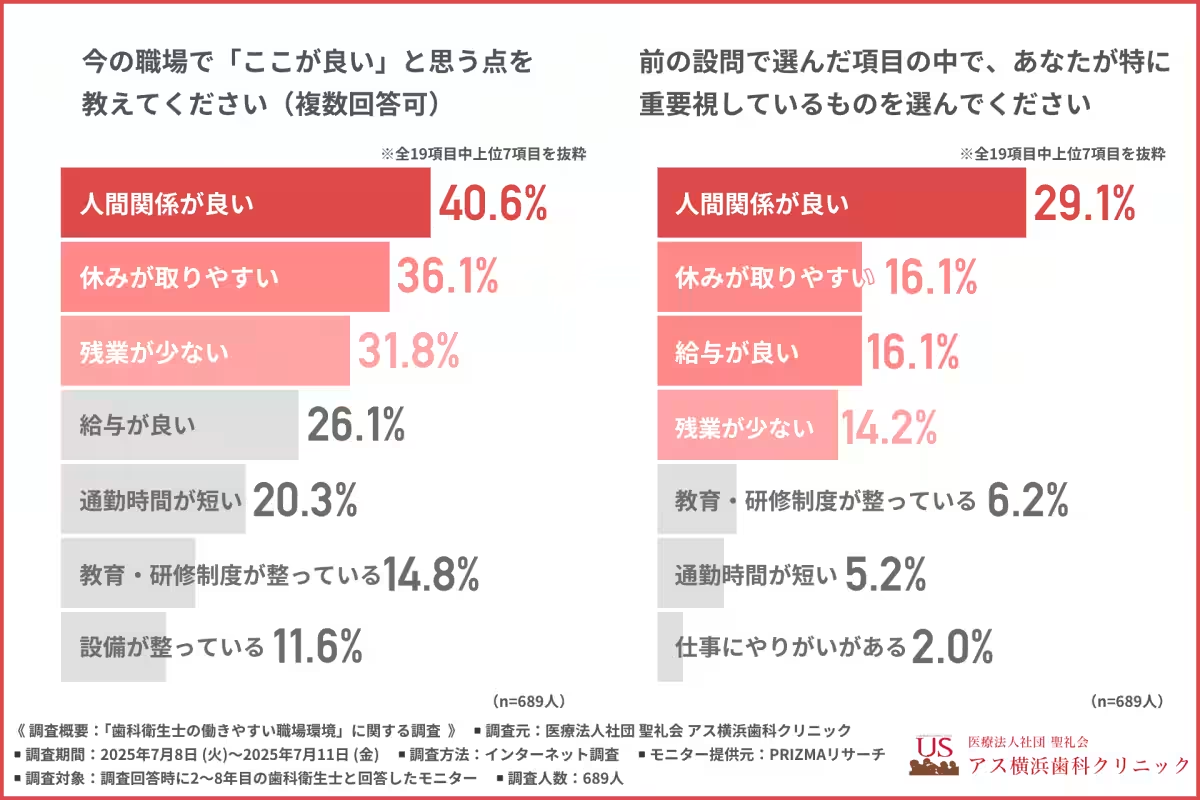
When asked about the positive aspects of their current workplaces, respondents highlighted three top criteria:
1. Interpersonal Relationships (40.6%)
2. Ease of Taking Leave (36.1%)
3. Minimal Overtime (31.8%)
Interestingly, 'good relationships' emerged as the most significant factor. This underscores the importance of teamwork and effective communication, vital components in a healthcare setting. Additionally, significant attention was given to work-life balance through structured time off. An increase in prioritizing restful work conditions reflects a significant shift in workplace values.
In this dialogue, educational frameworks and resources indicated relatively lower priority. This suggests that young dental hygienists might prioritize immediate workplace dynamics over institutional offerings.
Key Influences on Workplace Choices
When inquiring about the most valued aspects of their workplaces, respondents overwhelmingly pointed to interpersonal relations, suggesting that nearly 30% of them viewed it as the most critical factor. Following this were ease of taking leave, remuneration, and minimal working hours—all indicating that flexibility concerning work arrangements and pay structure are significant to job longevity.
Such statistics reveal a trend wherein younger hygienists place greater importance on relational comfort and flexibility over pure financial incentives.
Essential Pre-Employment Insights
The survey further probed what else dental hygienists wished they had known before joining their current practices. The responses highlighted the following factors as most critical:
1. Workplace Atmosphere (28.6%)
2. Leadership Philosophy (24.0%)
3. Evaluation Methods (24.0%)
4. Leave Policies (20.3%)
These findings pinpoint how workplace ambiance and leadership styles significantly impact job satisfaction and may contribute to stress levels for dental hygienists. Knowledge about these aspects prior to employment can effectively guide prospective employees.
Methods to Assess Workplace Dynamics
Respondents suggested several strategies for gathering information before employment:
- - Monitoring social media posts of the organization (20s, Female, Miyagi)
- - Soliciting detailed explanations during interviews (20s, Female, Okayama)
- - Researching past employment experiences via online searches (30s, Female, Miyagi)
- - Visiting as a patient for first-hand insights (40s, Female, Hokkaido)
Evaluation Systems and Their Impact on Motivation
Regarding personnel evaluation and assessment systems, about 26.9% of respondents felt that their qualifications and skills were adequately reflected in their feedback. Conversely, 25.3% expressed concern over subjective evaluations by supervisors, while 24.1% noted that tenure influenced appraisal. This suggests a need for improvement in the objectivity of the criteria used in evaluating performance.
Almost 90% of the respondents recognized that transparent evaluation systems significantly influence motivation and job satisfaction levels. This implies that establishing clear and fair criteria for evaluations remains essential in motivating employees.
Areas of Interest for Professional Development
In terms of professional learning desires, young dental hygienists exhibited a keen interest in fields like:
1. Teeth Whitening & Aesthetic Dentistry (33.4%)
2. Preventive Dentistry (30.0%)
3. Orthodontics (Assist & Adjustment) (24.8%)
These numbers highlight a strong inclination towards practical and advanced specialties that directly relate to their daily roles, indicating the desire for balanced skill enhancement.
Nearly 80% of surveyed hygienists felt their current workplaces offered growth potential. They particularly valued systems that provide assistance in obtaining qualifications, opportunities for attending seminars, exposure to the latest technologies, and internal training sessions.
Concluding Insights
The findings from this survey illuminate what young dental hygienists consider vital for enduring workplace commitments. A significant number (over 60%) have remained in their positions for more than three years, suggesting relatively high retention rates. However, addressing the needs of those with less than a year in the workforce remains vital.
The best-rated aspects of current job satisfaction spotlight the importance of healthy interpersonal dynamics, accessibility to leave, and balanced workloads as perceived essential conditions fostering durable employment. These insights reveal a shift away from salary-focused retention towards prioritizing relationship quality and organizational culture.
Finally, the contributing factors to positive workplace environments among young hygienists emerge as a harmonious relationship, transparent evaluations, and supportive growth opportunities. Establishing an environment aligned with these pillars may enhance both recruitment and retention rates in the future.
Seireikai Medical Corporation, the entity behind the survey, reflects on their core belief that work should enhance the lives of its employees and patients alike. By fostering good relationships and transparent evaluations grounded in career development principles, they ensure that employees find fulfillment in their careers.
To learn more about opportunities with Seireikai, visit their recruitment site.
Topics Health)
【About Using Articles】
You can freely use the title and article content by linking to the page where the article is posted.
※ Images cannot be used.
【About Links】
Links are free to use.