



Discover Insights from Japan's B2B Large Purchase Process: ROI Simulation and Trends
In-Depth Analysis of Japan's B2B Large Purchase Process
In the latest joint research conducted by IDEATECH and former Microsoft executive Hiroyasu Kitagawa, significant insights into Japan's B2B large purchasing landscape have surfaced. The study, focusing on purchases involving annual contract amounts exceeding 5 million yen, included insights from 330 buyers who recently engaged in software, SaaS, or IT infrastructure purchases. It highlights the complexities of decision-making processes in large contracts, including longer deliberation times and inter-departmental conflicts regarding budget allocation.
Key Findings
1. Increased Deliberation Times
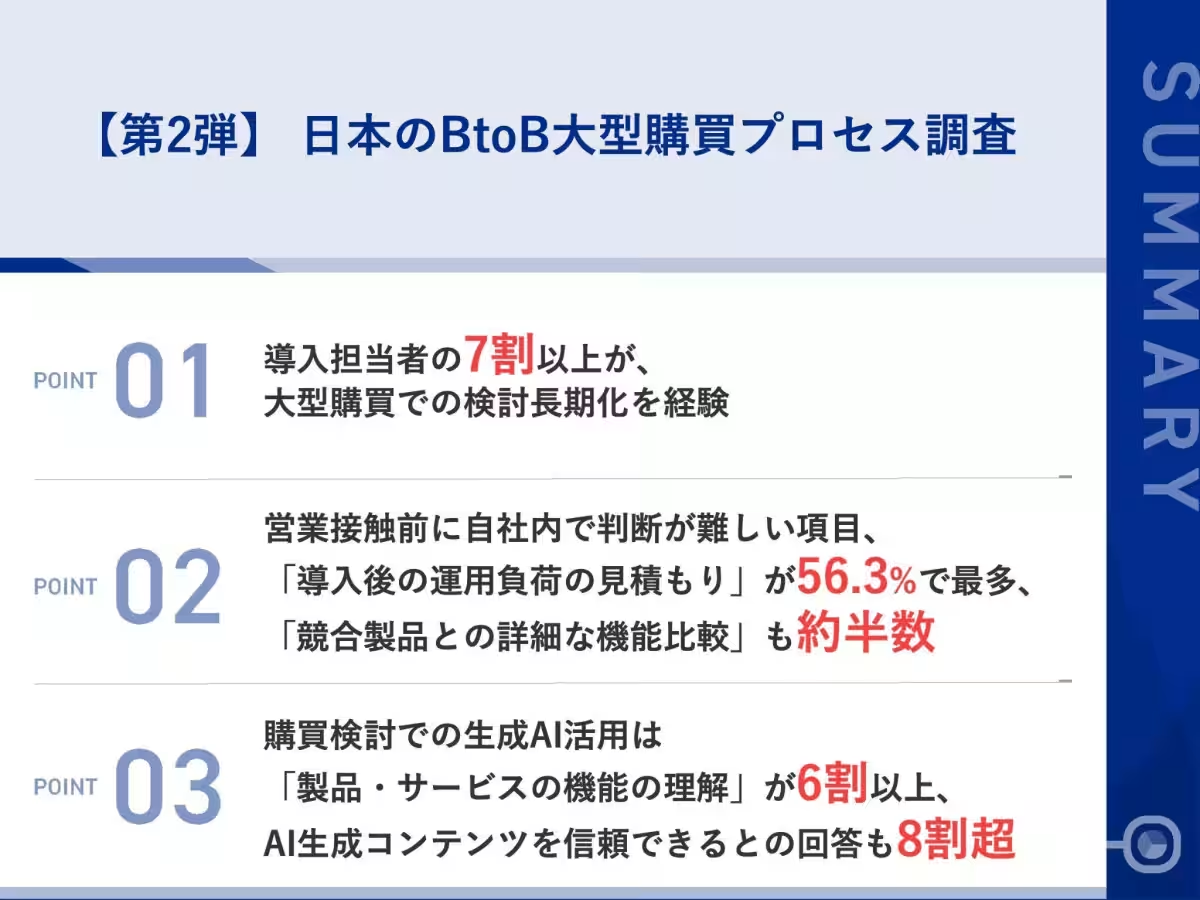
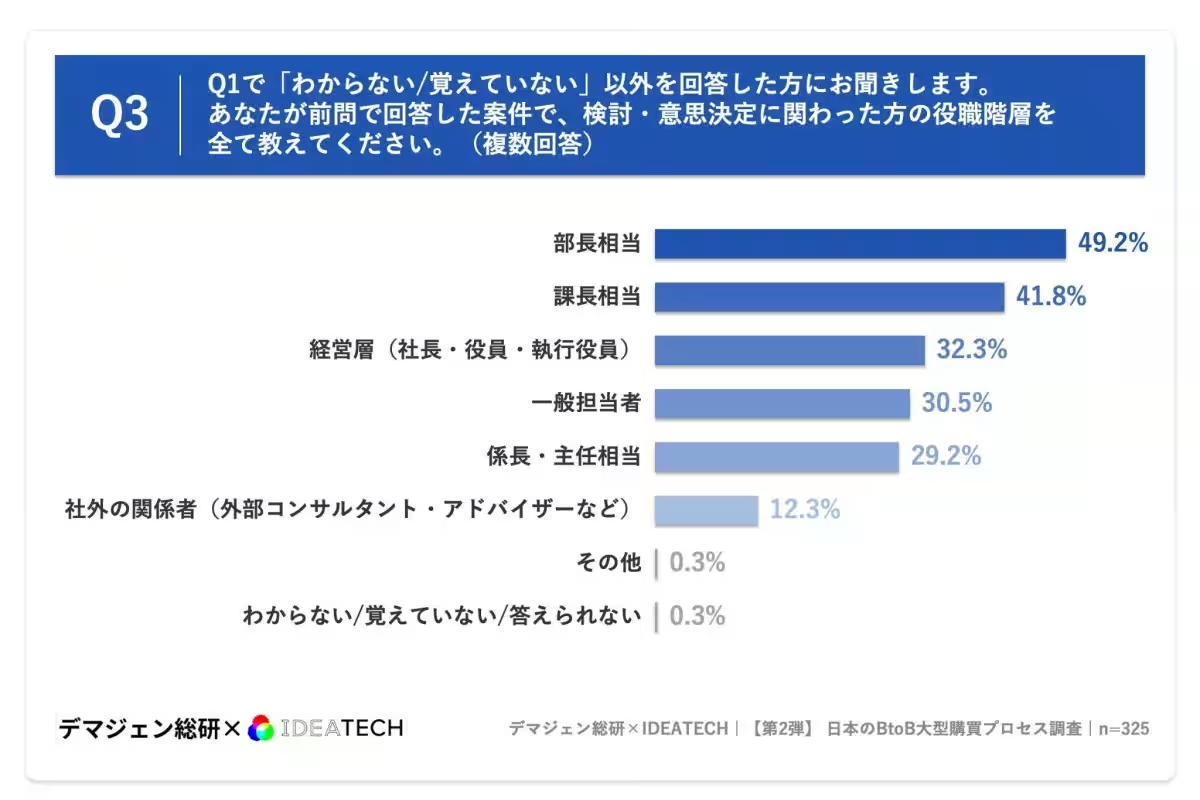
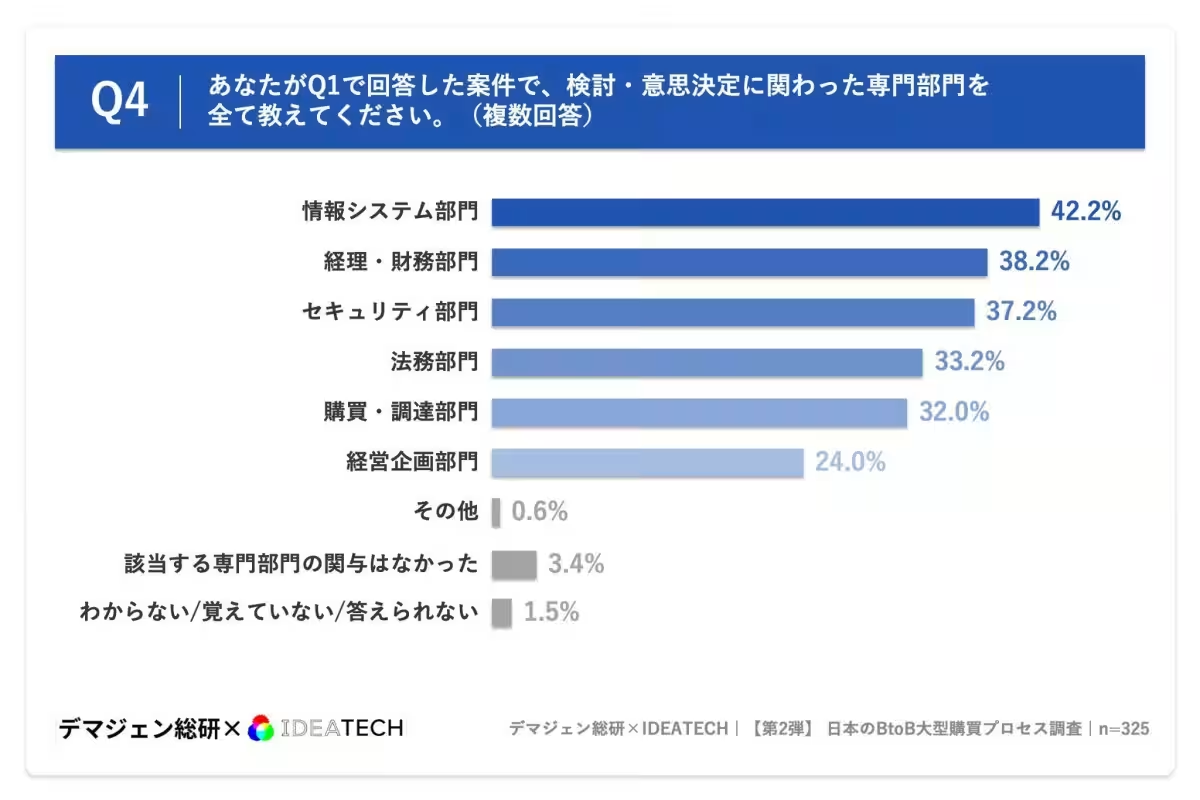
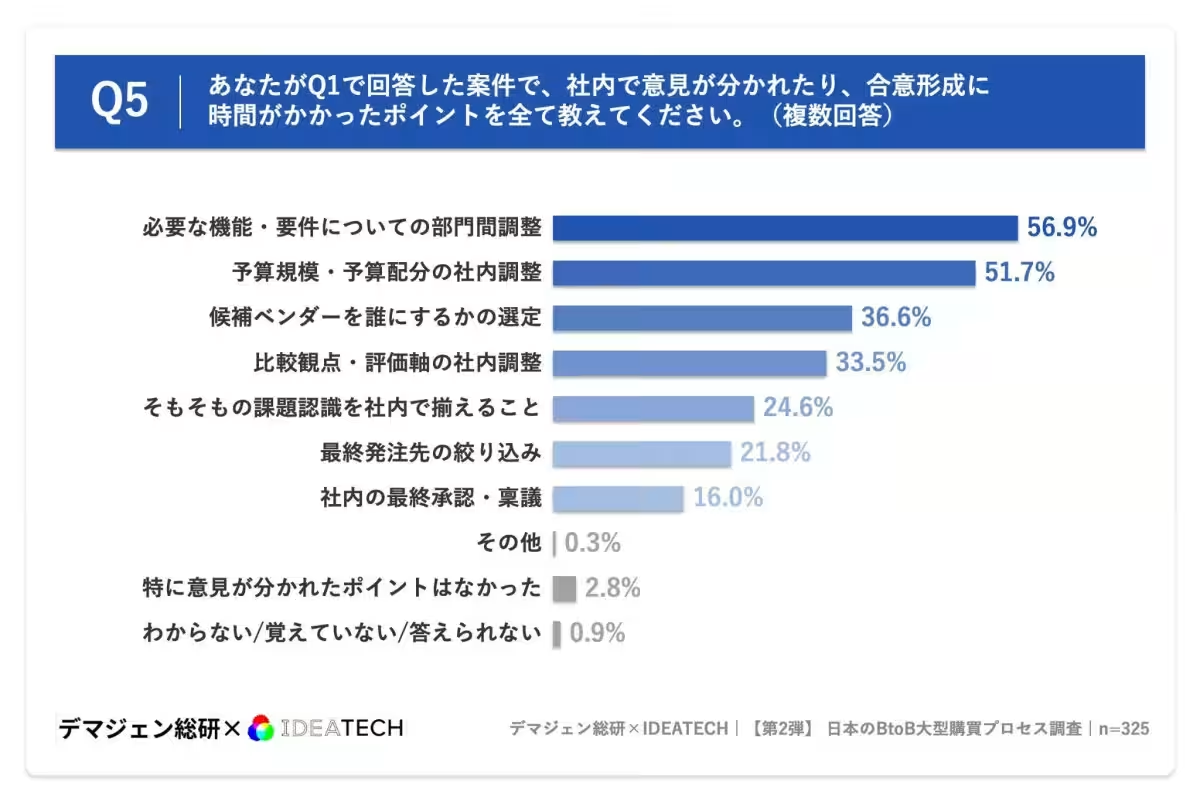
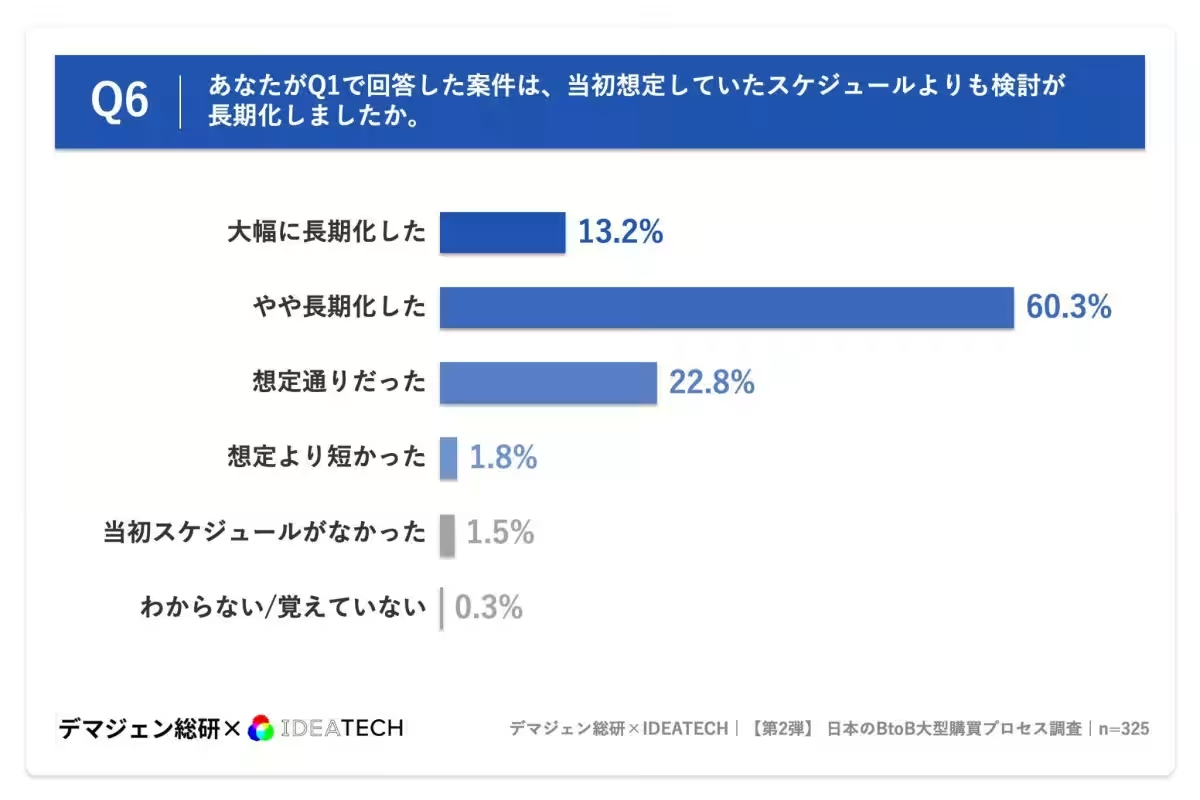
The investigation found that over 70% of respondents said they experienced prolonged deliberation in large purchases. This trend is largely due to complexities in inter-departmental negotiations and the need for consensus across various levels of the organizational structure.
2. Challenging Evaluations Before Sales Interactions
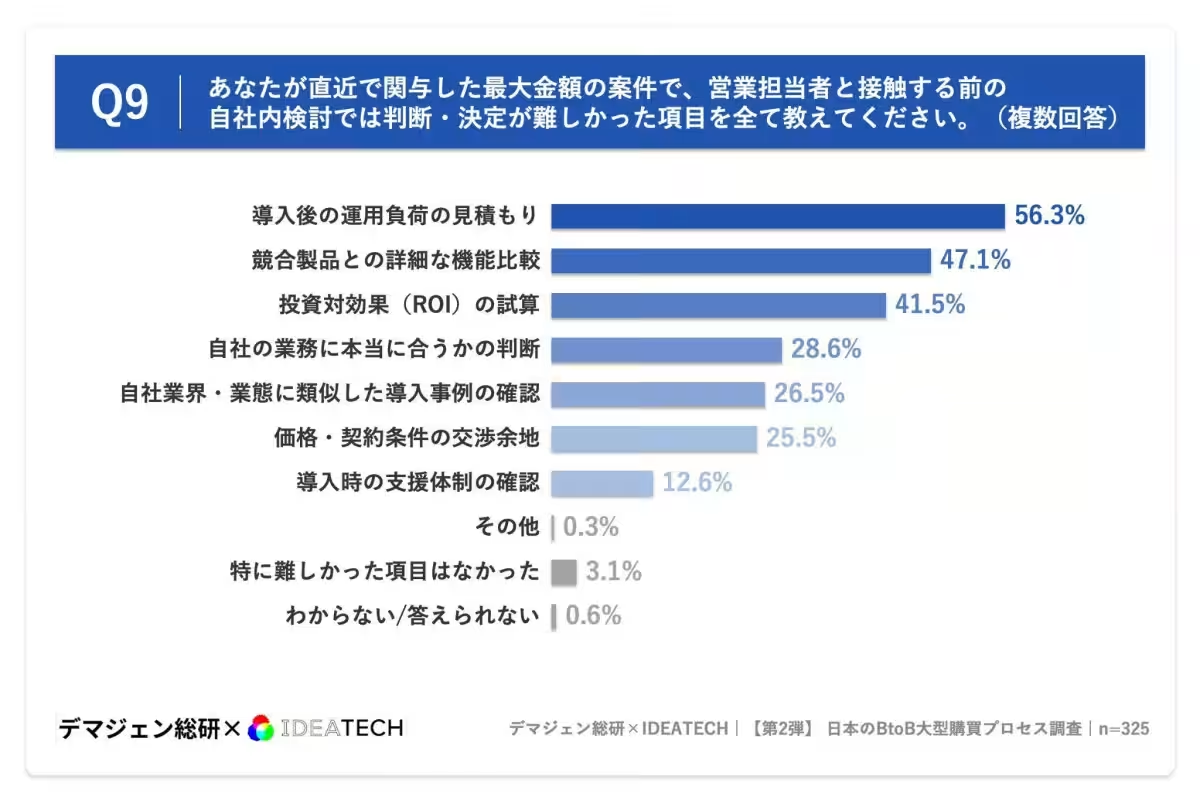
The research indicated that determining operational burdens post-implementation was the most challenging factor prior to contacting sales, with 56.3% of respondents citing this difficulty. Another significant challenge included detailed feature comparisons with competing products, which about half of the respondents also found hard to navigate.
3. The Role of Artificial Intelligence
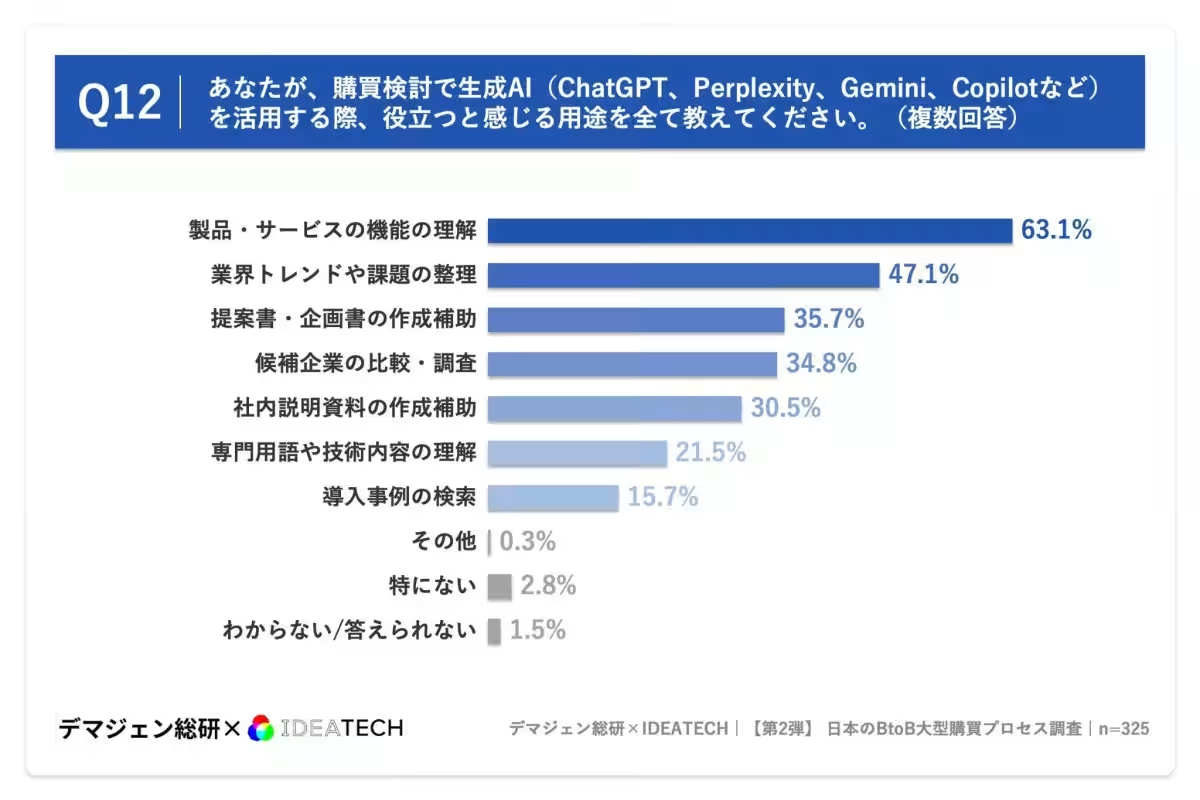
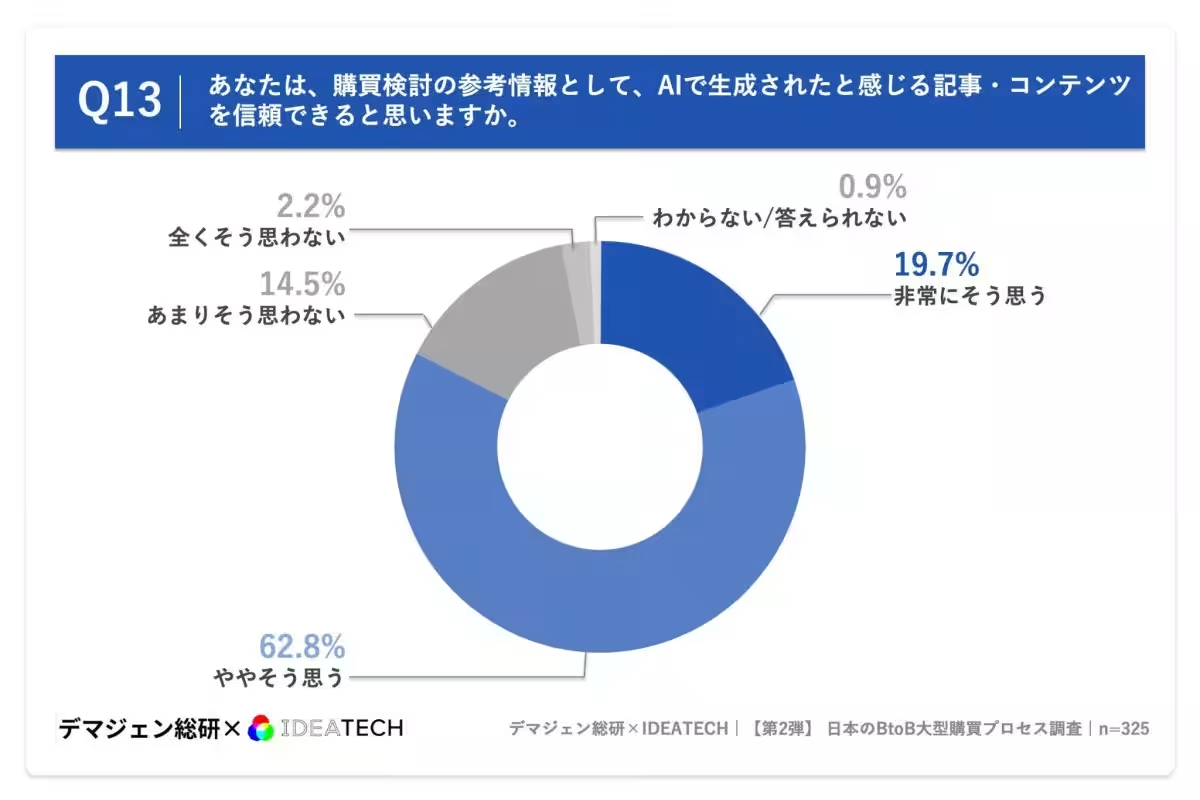
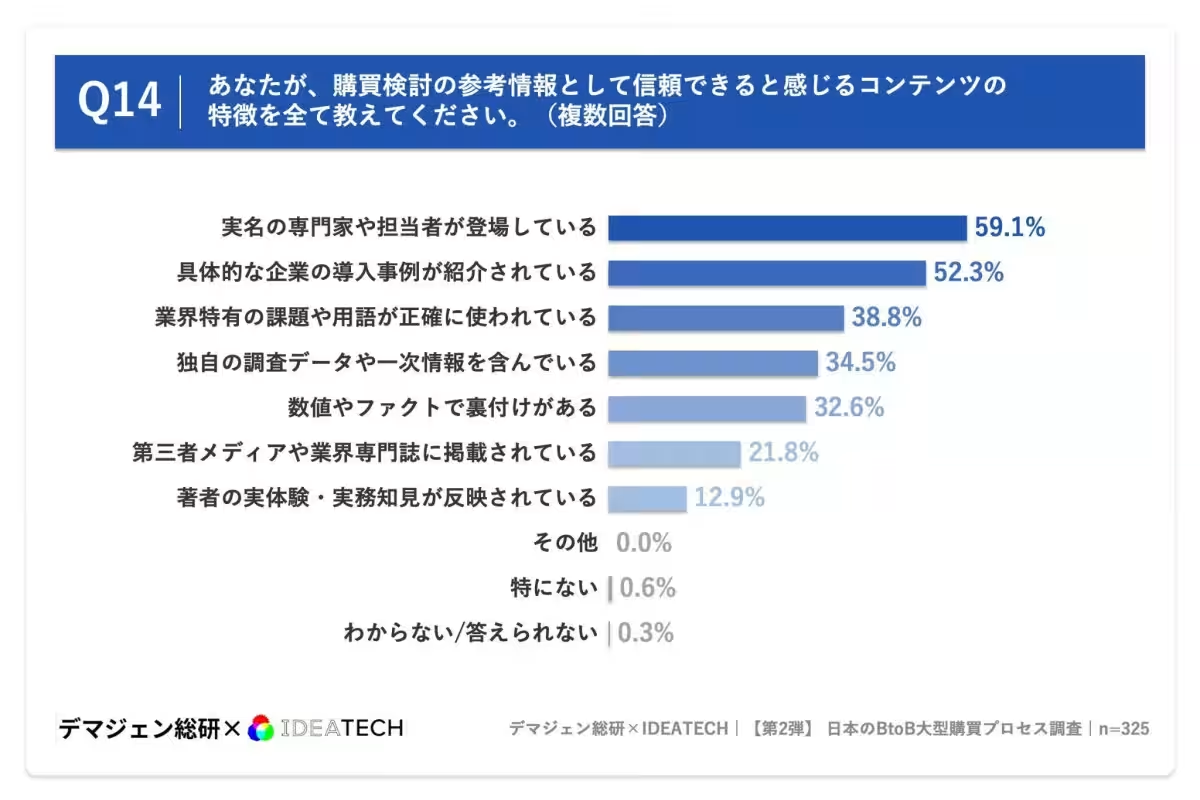
Notably, 63.1% of respondents reported utilizing generative AI tools to grasp product functionalities, and more than 80% expressed a sense of trust in AI-generated content for their purchasing evaluations. This suggests a shift towards integrating AI into the purchasing process, where insightful content generation can aid decision-making.
Detailed Survey Overview
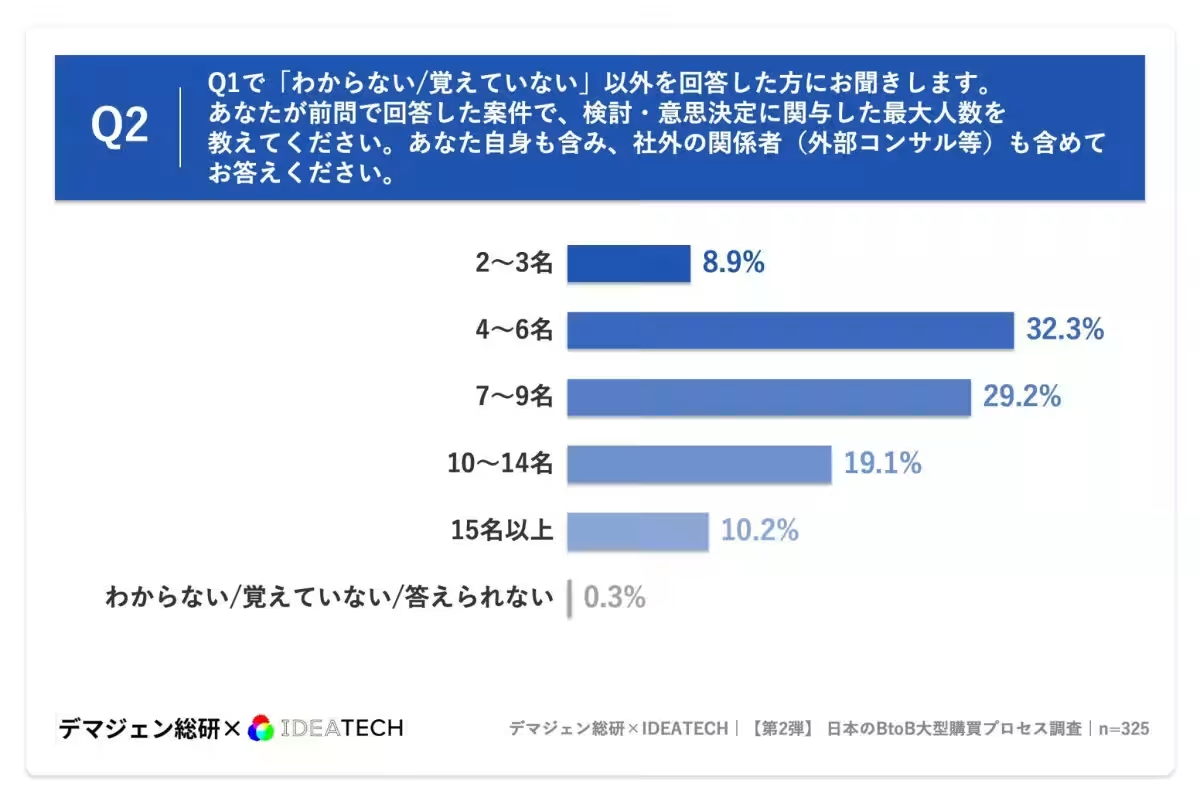
Conducted online from May 25 to 26, 2026, the survey explored the dynamics of large B2B purchases in Japan. The findings reveal that nearly 60% of the large projects involved decision-making teams comprising seven or more members. This points to the growing trend of collective decision-making, where multiple voices contribute to final assessments.
Implications of the Findings
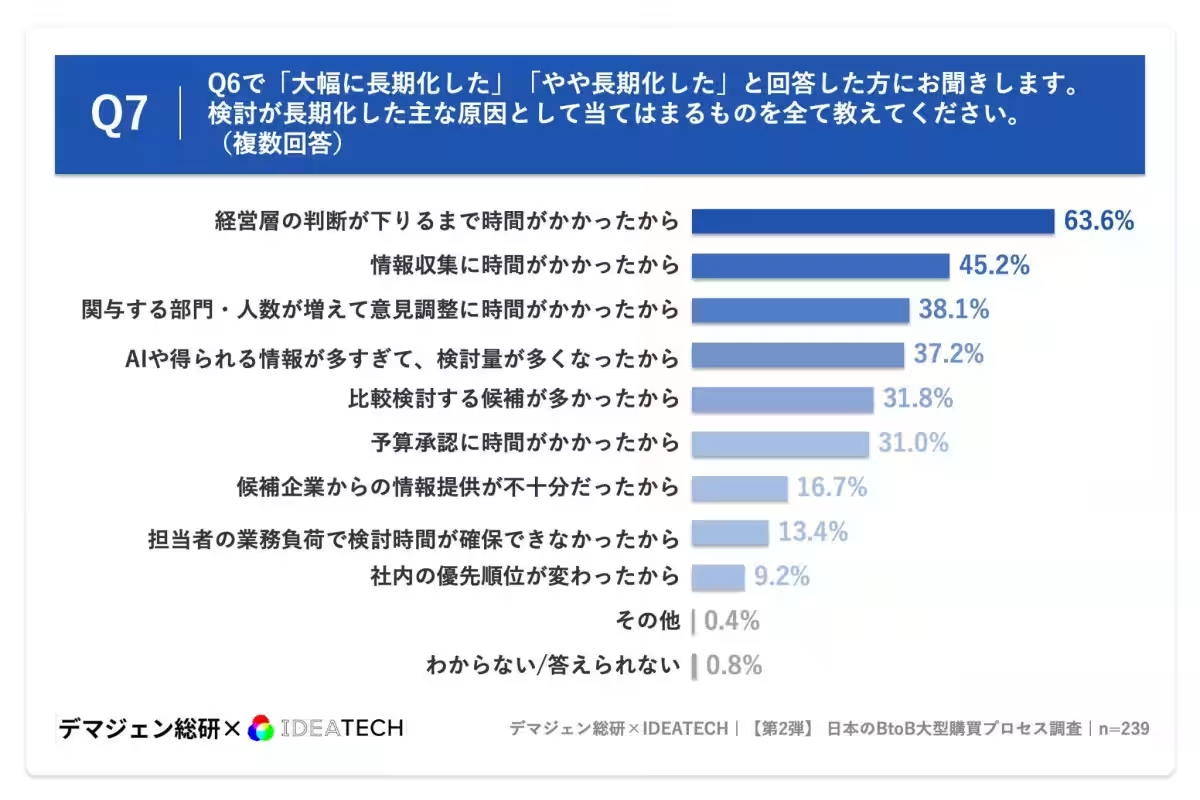
The prevalence of longer sales cycles—more than 73.5% of participants reported extended evaluations—places significant pressure on sales teams to adapt. The prominent delay factor was found to be the waiting period for executive-level decisions, with 63.6% of the respondents identifying this as a critical bottleneck.
Future Recommendations
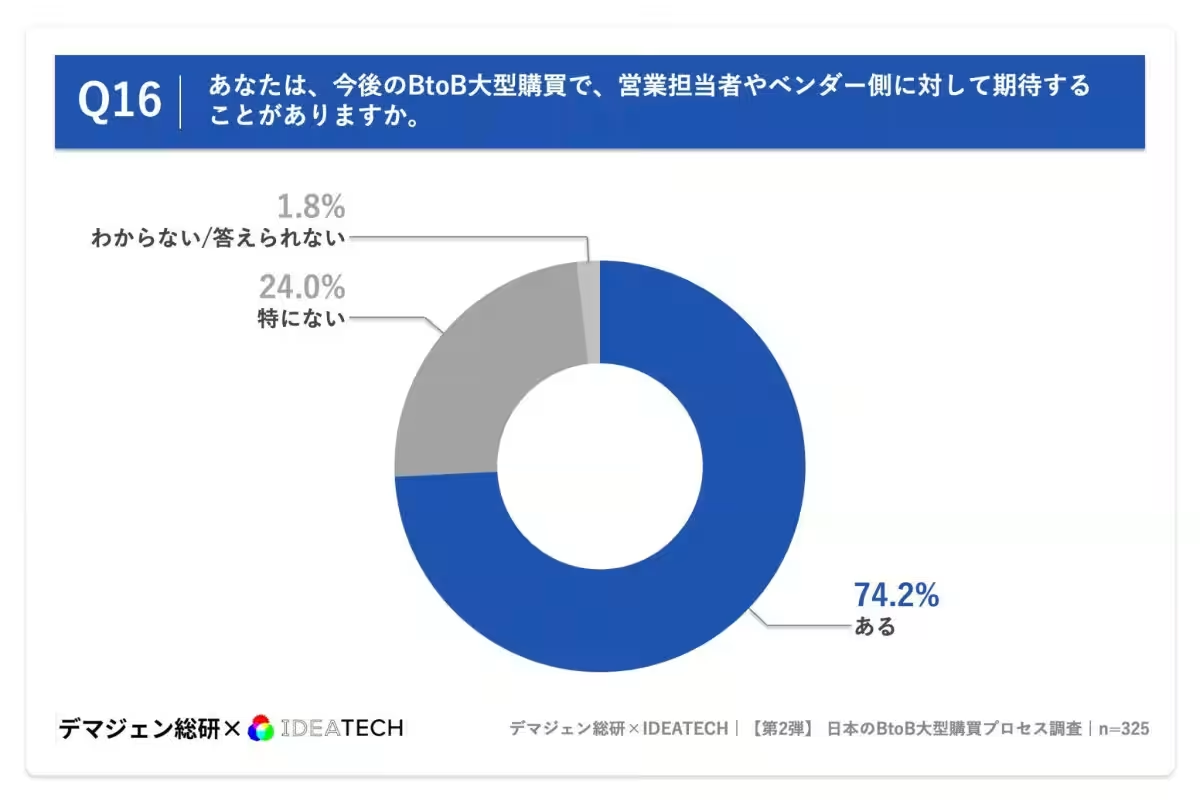
As businesses navigate this complex landscape, the key takeaway is transitioning from merely providing product information to becoming an active participant in the purchasing process. This means offering supportive materials tailored to assist buyers making informed decisions.
Insights from Hiroyasu Kitagawa
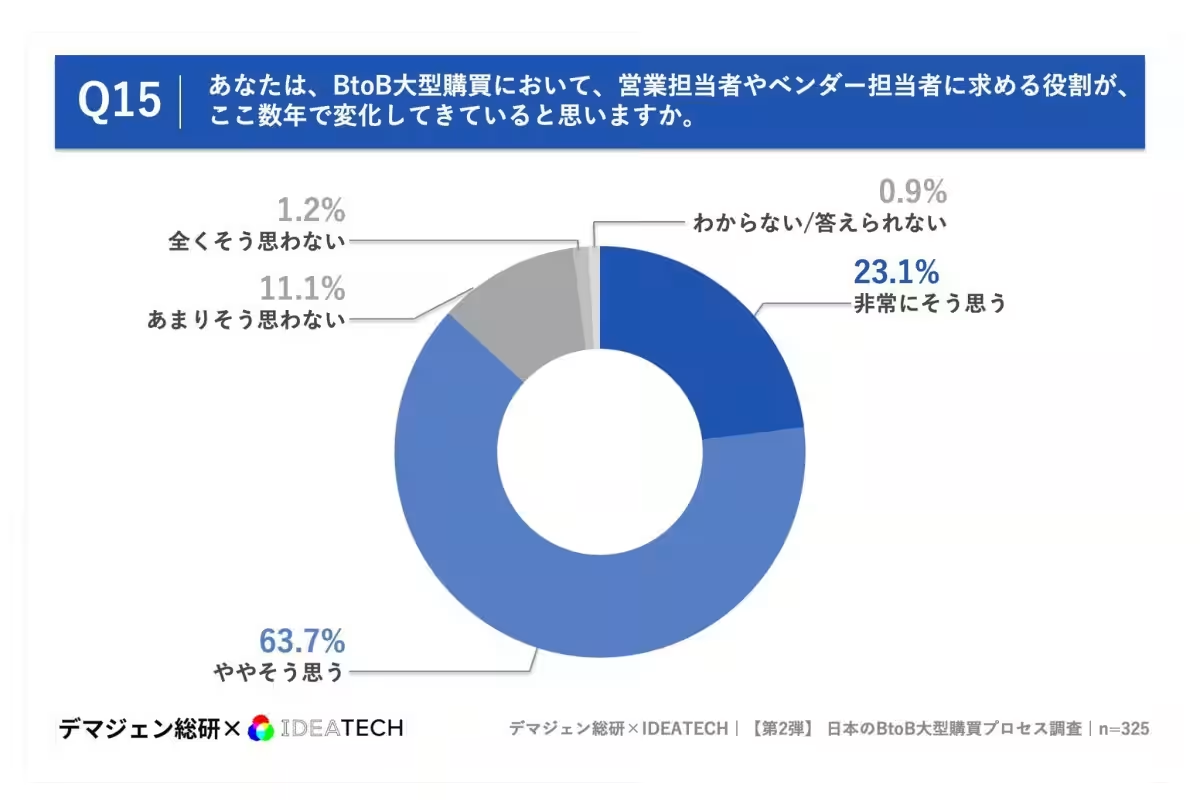
Hiroyasu Kitagawa emphasizes that understanding the underlying needs of clients is crucial. Customers seek effective solutions rather than just products; thus, the sales approach must evolve accordingly. Aligning marketing and sales strategies with buyer enablement initiatives could be a game-changer for fostering smoother decision-making processes.
Conclusion
As the B2B purchasing environment continues to evolve, organizations must ensure they provide clear, actionable insights that facilitate not just sales but also enhance customer experience. By implementing personalized support systems and leveraging AI-generated content, sales teams can effectively guide clients through their purchasing journey.
For a deeper dive into these findings and their implications, download the full report from IDEATECH here.



Topics Business Technology)

【About Using Articles】
You can freely use the title and article content by linking to the page where the article is posted.
※ Images cannot be used.
【About Links】
Links are free to use.