



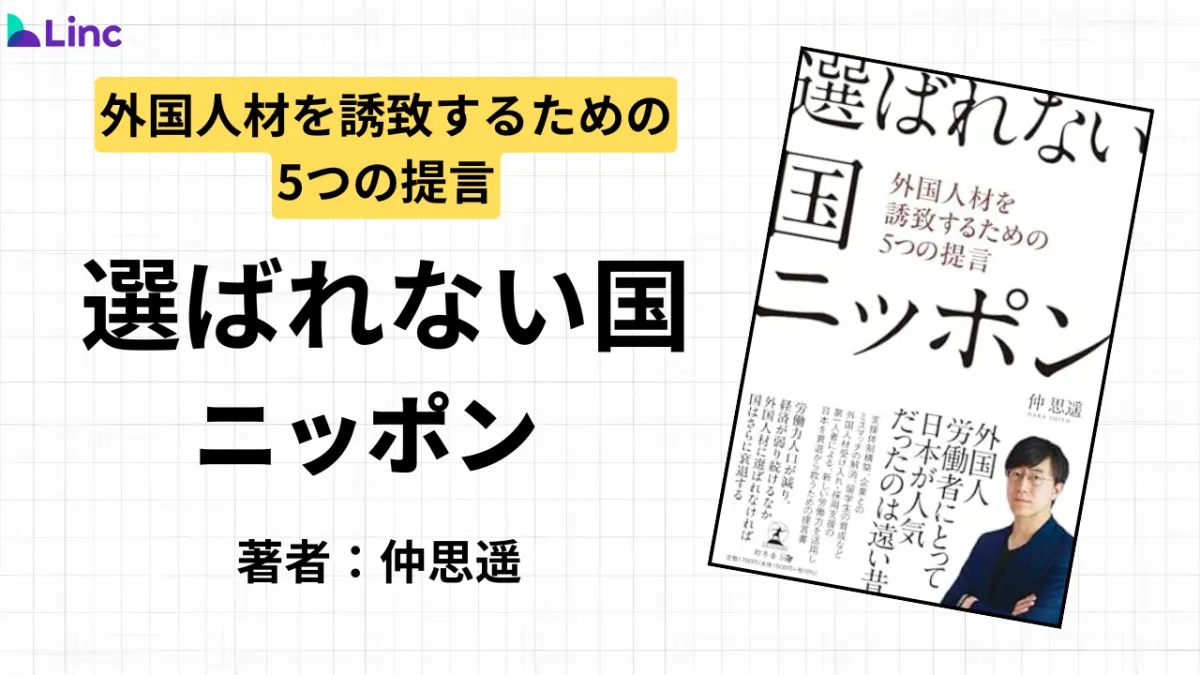
Shio Naka's Debut Book Sheds Light on Japan's Diminished Appeal for Foreign Talent
Shio Naka's Debut Book: Japan's Foreign Talent Dilemma
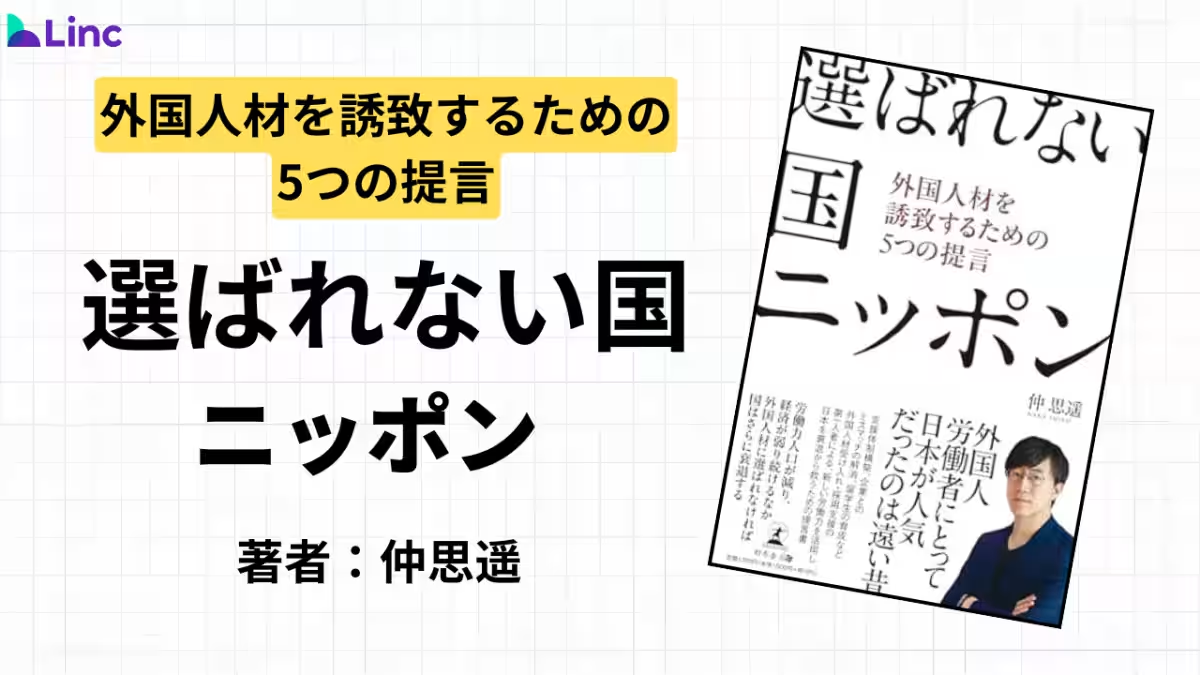
In an era of increasing labor shortages, former investment banker, Shio Naka, has emerged as a thought leader in the realm of foreign talent recruitment with his debut book, "Japan: The Unchosen Country". Published by Gentosha on March 2, 2026, this insightful work provides a stark analysis of Japan's waning appeal for foreign workers. Naka, as the representative director of Linc, which operates the foreign workforce recruitment platform GlobalHub, draws on rich data to emphasize the urgent need for structural changes in Japan's labor market.
The Shift in Recruitment Paradigms
The year 2025 marked a crucial turning point in Japan’s labor market with the announcement of a halt in the acceptance of new foreign workers in the restaurant sector. Gone are the days of simply securing foreign talent in numbers; the focus has shifted to retention and integration. Naka highlights that Japan can no longer afford to be complacent in its recruitment strategies, as retaining skilled workers has become vital for maintaining competitive edge in various industries.
A glaring disparity exists where foreign workers, particularly from countries like Vietnam, are increasingly choosing alternate destinations for employment. In fact, Japan's prominence as a favored destination for foreign workers has been compromised, taking a backseat to other Asian nations like Taiwan.
"Japan was once considered a popular destination for employment, but those days are long gone," is a sentiment Naka encountered during interactions with foreign users of Linc's platform. This eye-opening exchange served as a catalyst for the writing of his book.
Five Proposals to Reverse the Tide
In total, the book consists of six chapters, culminating in five proposals aimed at reviving Japan's status as a desirable location for foreign talent.
Chapter 1: A Crisis of Labor Shortage
Naka begins by detailing the unprecedented labor shortages plaguing Japan, emphasizing that without foreign labor, many industries may simply collapse. This chapter illustrates that discussions surrounding the acceptance of foreign workers have become irrelevant; what is now essential is how to effectively onboard and support these individuals within Japanese society.
Chapter 2: Limitations of Recruitment Policies
Expansion of the specific skills framework to accommodate an additional 820,000 workers does not guarantee their arrival. Naka critiques the bureaucratic complexities Japan faces, detailing how the process serves as a stumbling block for potential recruits, especially when contrasted with more streamlined policies in countries like Taiwan and Singapore.
Chapter 3: Mismatch Between Companies and Foreign Workers
In an insightful examination of recruitment practices, Naka discusses the pitfalls associated with intuitive hiring methods. He advocates for leveraging data and artificial intelligence to create a scientifically-backed scoring system that can ensure better alignment between job seekers and employers. Drawing on examples from his own experiences with Linc’s recruitment system, he argues that resolving these mismatches is crucial for long-term integration.
Chapter 4: Challenges for Foreign Residents
The author discusses the myriad challenges foreign workers face beyond employment, including issues related to housing, healthcare, education, and credit. He posits that addressing these concerns is imperative for Japan to become a nurturing environment for foreign life, as opposed to merely a workplace.
Chapter 5: Embracing a Vision for the Future
Naka emphasizes the significance of developing career pathways for foreign talent. He argues that by facilitating transitions toward long-term residency, Japan can shift the perception of foreign talent from being a temporary solution to becoming valuable, integrated members of society.
Chapter 6: Proposed Policy Changes
Lastly, Naka lays out strategic policy recommendations aimed at simplifying immigration procedures, enhancing communication for foreign workers, and fostering a multicultural society. He shares exemplary cases where collaboration among local government, businesses, and communities prevented the collapse of municipalities.
About the Author
Shio Naka, born in Shenyang, China, arrived in Japan after completing high school and subsequently graduated from Keio University. After working in the investment banking sector at Nomura Securities, he founded Linc in 2016, aiming to create a robust ecosystem that transcends nationality and visa restrictions by utilizing data and technology to support the integration of foreign talent. Naka's personal experiences and insights into Japan's labor policies fuel his passion for addressing the systemic challenges foreign workers face.
About Linc
Linc operates with the mission to maximize the benefits for foreign residents in Japan, employing technology and data to support their recruitment, integration, and daily lives effectively. Its commitment to improving the recruitment landscape aims to create a society in Japan where individuals from all nationalities can pursue their dreams without barriers.
Naka's book, a vital read for anyone invested in Japan's future workforce, is available from Gentosha for 1,760 yen, making it an accessible resource for policymakers, businesses, and interested parties. The need for immediate action has never been clearer as the landscape of foreign recruitment in Japan continues to evolve rapidly.

Topics People & Culture)






【About Using Articles】
You can freely use the title and article content by linking to the page where the article is posted.
※ Images cannot be used.
【About Links】
Links are free to use.