



Comprehensive Guide to Modernizing Logistics Systems Unveiled by SEAOS
Comprehensive Guide to Modernizing Logistics Systems
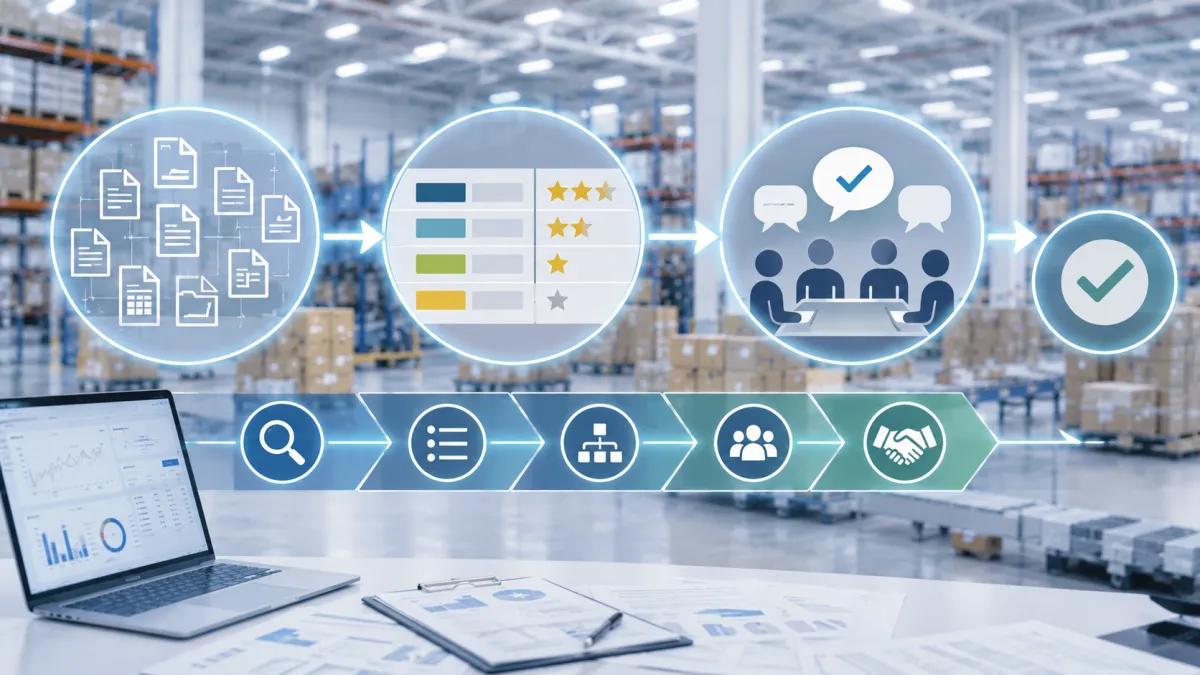
On July 14, 2026, SEAOS Inc., a consulting company specializing in logistics system development and operations support, unveiled its latest white paper titled "Practical Guide to Modernizing Logistics Systems: Safeguarding Unstoppable Operations and Minimizing Risks for Successful Implementation." The document serves as a vital resource aimed at project leaders and decision-makers who are contemplating the overhaul of their warehouse management systems (WMS) and pursuing digital transformation (DX) in logistics.
The white paper addresses the core challenges that many enterprises face when embarking on system upgrades, such as unexpected increases in customization needs and underwhelming post-implementation outcomes. It emphasizes that these issues arise not from the technology itself but from the design and execution of the project, including requirements gathering, consensus-building with stakeholders, and standardization of operations.
To illustrate these points, the guide draws on real-world examples from a large-scale system modernization project executed in just nine months across 13 locations. It identifies three major hurdles that organizations frequently encounter during such transitions: the difficulty in standardizing long-standing optimized operational practices, the pitfalls of overshooting requirements during the definition phase, and the consequences of underestimating these challenges.
Key Insights
1. Three Major Hurdles in System Implementation: The paper delves into how long-term customizations can complicate the standardization of operations and examines the danger of allowing every on-site request to inflate project scope, often leading to significant setbacks.
2. Six Proven Strategies for Success: SEAOS also shares six actionable strategies that successful organizations have implemented. Among these is the compelling "Caravan Method," which facilitates organizational knowledge transfer and enhances efficiencies across multiple locations. This method prioritizes requirement organization based on standardization principles, fostering a collaborative environment where on-site personnel contribute as project members rather than mere end-users.
3. Five Guiding Principles for Logistics System Modernization: Unlike other resources that cater to a specific company, this guide introduces five universal principles applicable across various industries and scales. These principles include avoiding the transfer of existing operations as-is to new systems and ensuring that standardization is a precondition for scalability. The focus shifts from merely achieving system uptime to embedding successful practices within operations that promote advanced data utilization and an aggressive approach towards logistics DX.
The release of this guide is particularly beneficial for executives and leaders within mid-sized to large enterprises, especially those generating revenues between 50 billion and 300 billion yen. It targets those in logistics-intensive sectors such as pharmaceuticals, manufacturing, retail, and distribution, who are undertaking expansive logistics improvements and system transformations.
Strategic Audience
This white paper is tailored for:
- - Executives and directors within management planning and business strategy, tasked with enhancing logistics frameworks as components of broader business growth strategies.
- - Chief Information Officers (CIOs) and Chief Digital Officers (CDOs) navigating legacy system migrations and promoting processes aligned with substantial logistics DX.
- - Division heads responsible for logistics operations who are committed to ensuring project success with minimal disruption at the operational level.
In unveiling this comprehensive guide, SEAOS furthers its commitment to supporting logistics transformation initiatives, providing a blend of strategic insight and practical steps to ensure success across all facets of modernization.
For more detailed information, access the full white paper and discover how to navigate the complexities of logistics system upgrades at SEAOS White Paper.
About SEAOS Inc.
Founded in 2000 and based in Shibuya, Tokyo, SEAOS has spent over 25 years focusing exclusively on the logistics sector. Their philosophy treats logistics not merely as transportation of goods but as a critical area that directly contributes to corporate value. Equipped with specialized teams skilled in both strategic planning and operational execution, SEAOS has successfully assisted numerous companies in tackling significant logistics challenges. They offer a full suite of services from consulting and system development to proprietary robotic solutions and contract logistics operations.
Company Overview
- - Name: SEAOS Inc. (シーオス株式会社)
- - CEO: Satoshi Matsushima
- - Location: 1-18-18 Ebisu, Shibuya-ku, Tokyo, Japan
- - Founded: August 2000
- - Services: Logistics consulting, software development, robotics, operational design support, and more.
Topics Consumer Products & Retail)







【About Using Articles】
You can freely use the title and article content by linking to the page where the article is posted.
※ Images cannot be used.
【About Links】
Links are free to use.