




The Reality of Press Release Metrics: The Need for Result-Oriented Strategies in PR and Marketing
Introduction
The press release is a cornerstone of public relations and marketing strategies for businesses globally. However, a troubling trend has emerged: many organizations prioritize the quantity and speed of press releases over strategic, impactful messaging.
A recent survey conducted by PRIZMA aimed to explore this issue, collecting responses from 1,013 marketing and PR professionals in Japan. The results raise important questions about how press releases are evaluated and how their success is measured.
Survey Results
Many companies view press releases primarily as a tool for building recognition and credibility. Yet, the data reveals that often, releasing content is prioritized over crafting strategic communications.
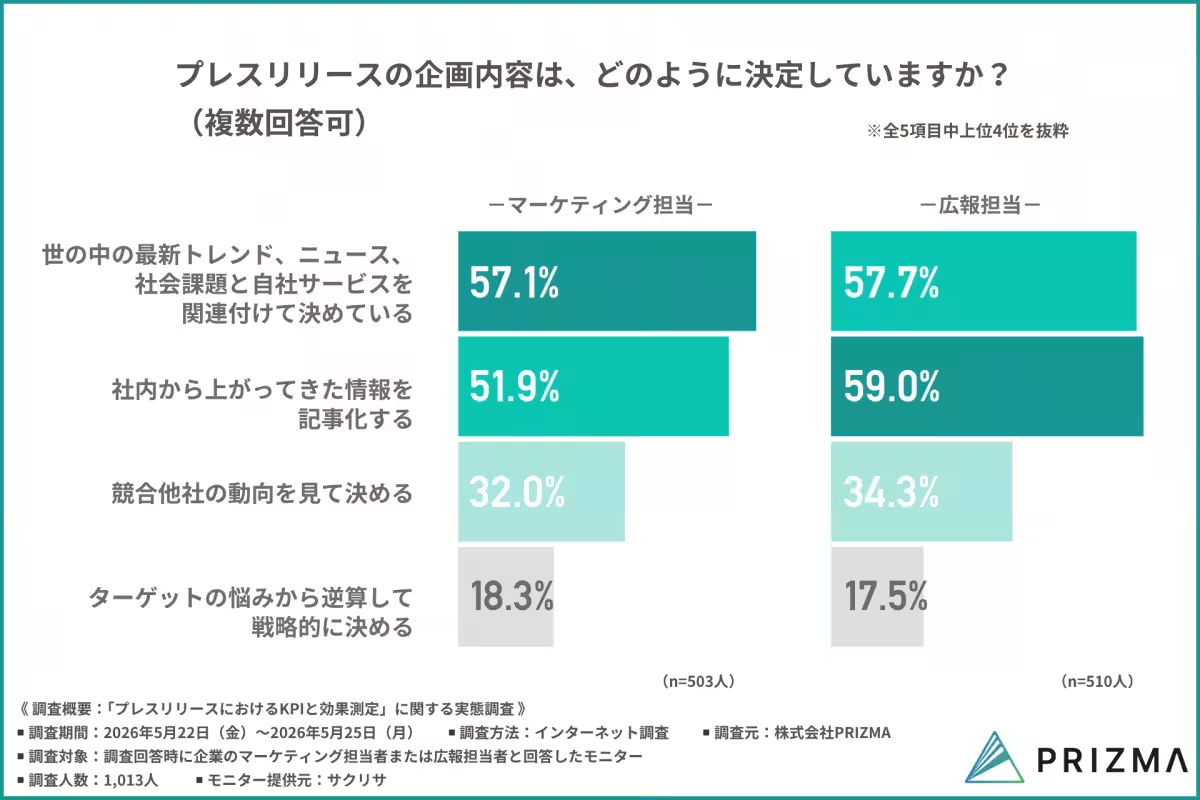
One striking finding from the survey is how many professionals determine the content of their press releases. While only 20% of respondents are using a strategic approach focused on audience concerns, the majority are still operating reactively, publishing information mainly generated from internal sources. 59% of PR professionals say they transform internal information into articles, while 57.1% of marketers align press release topics with current trends and social issues. The point is that this reactive stance limits the potential of press releases to truly resonate with target audiences.
Evaluation Metrics
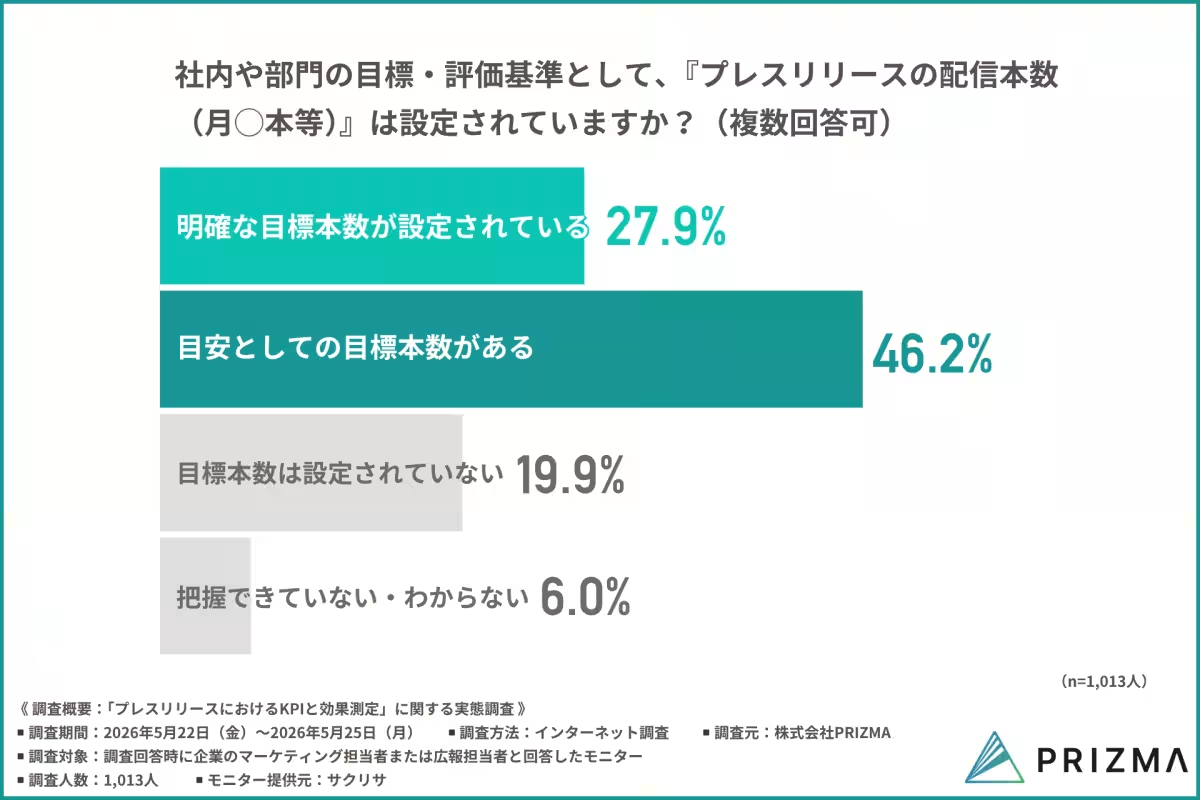
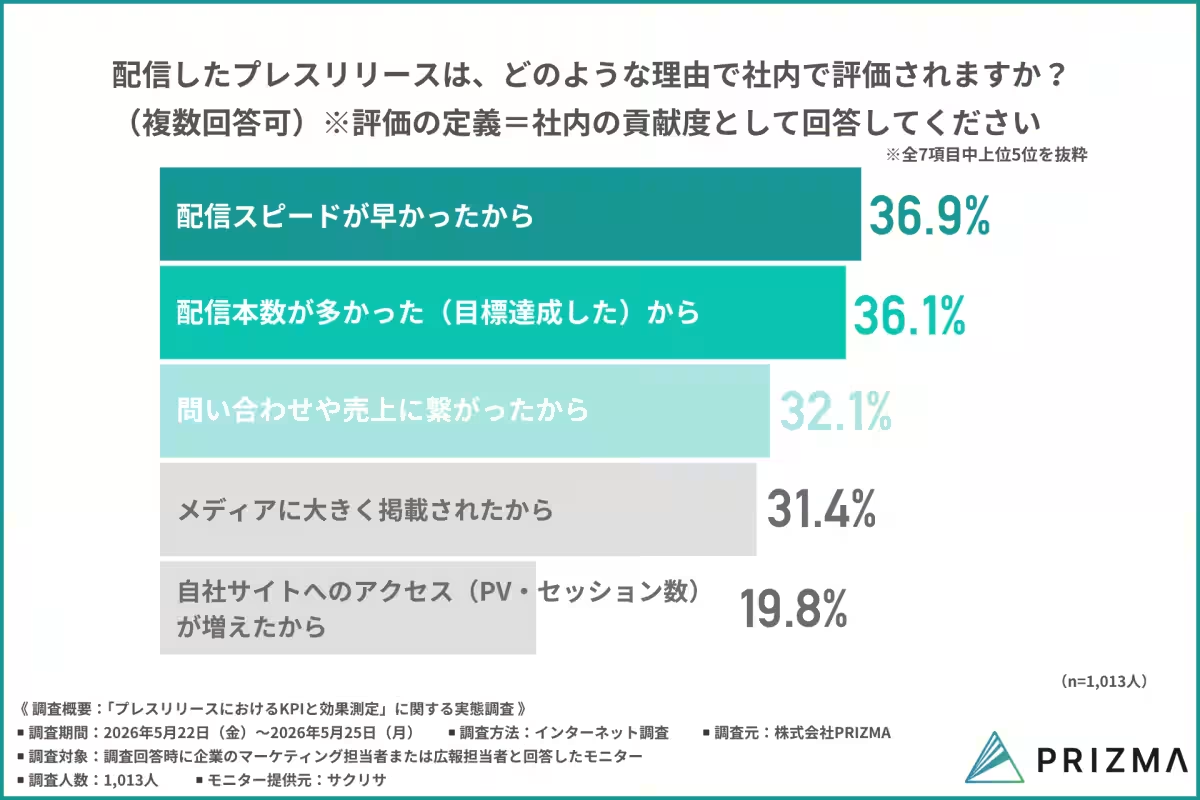
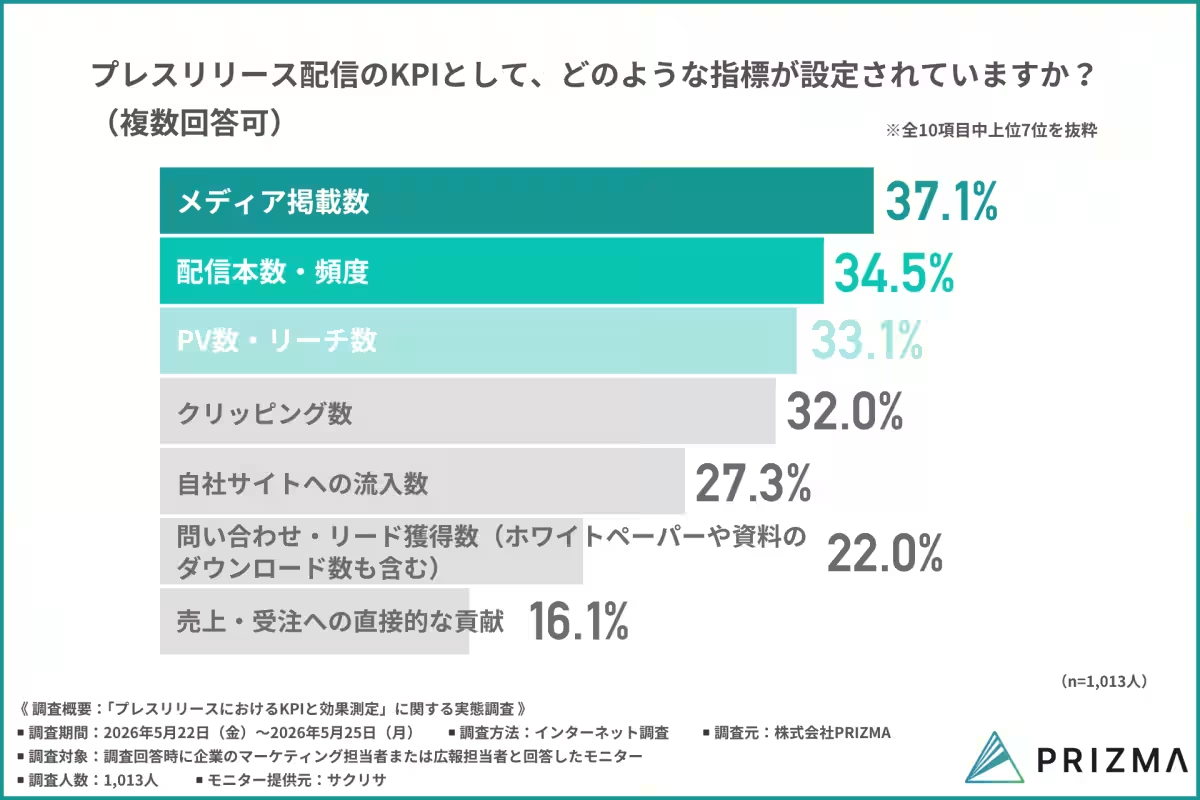
The analysis further dives into how organizations measure success. With approximately 70% of companies using monthly distribution quantities as key performance indicators (KPIs), it is evident that numbers drive internal assessments. When asked how their press releases are evaluated, aspects like speed of dissemination and volume of releases emerged as dominant measures, overshadowing considerations related to impact and business results.
This number-driven focus often leads to press releases being viewed as mere administrative tasks, where efficiency trumps efficacy. Consequently, many feel that while distribution volume may be high, the actual effects on business objectives, such as lead generation or sales improvement, remain unclear.
Exploring True Goals
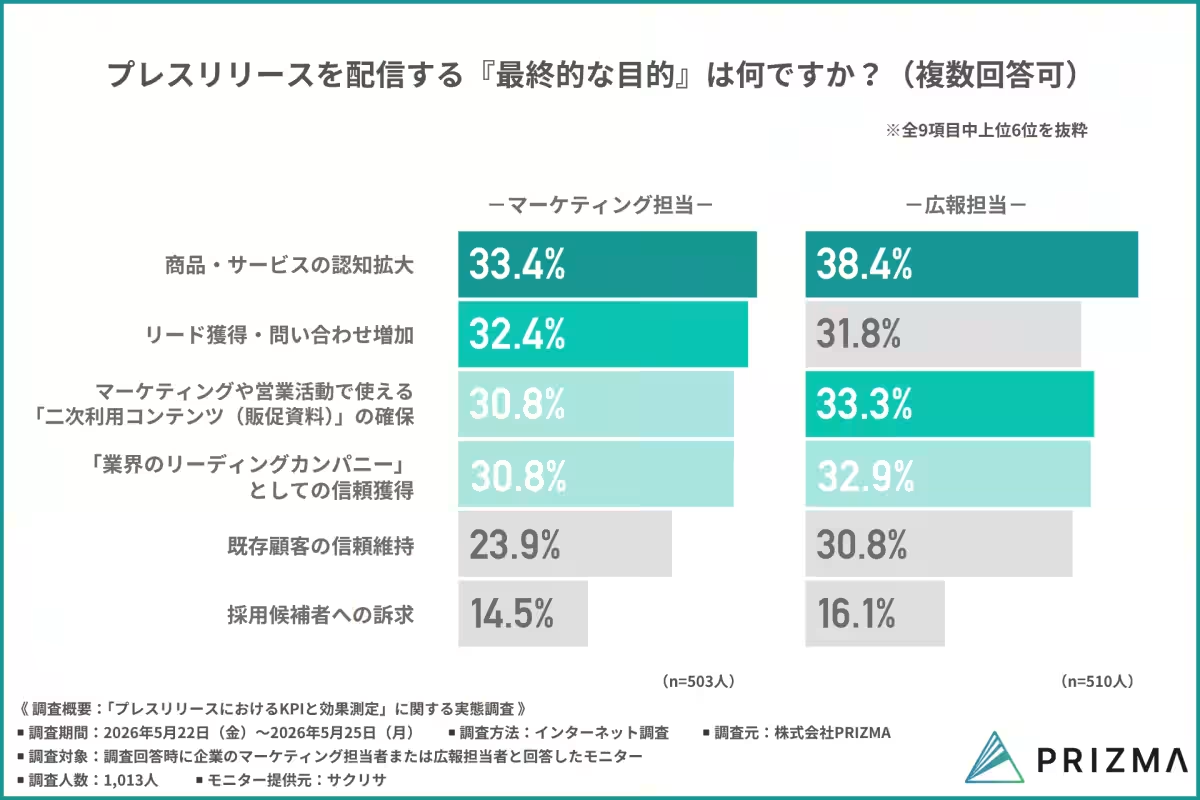
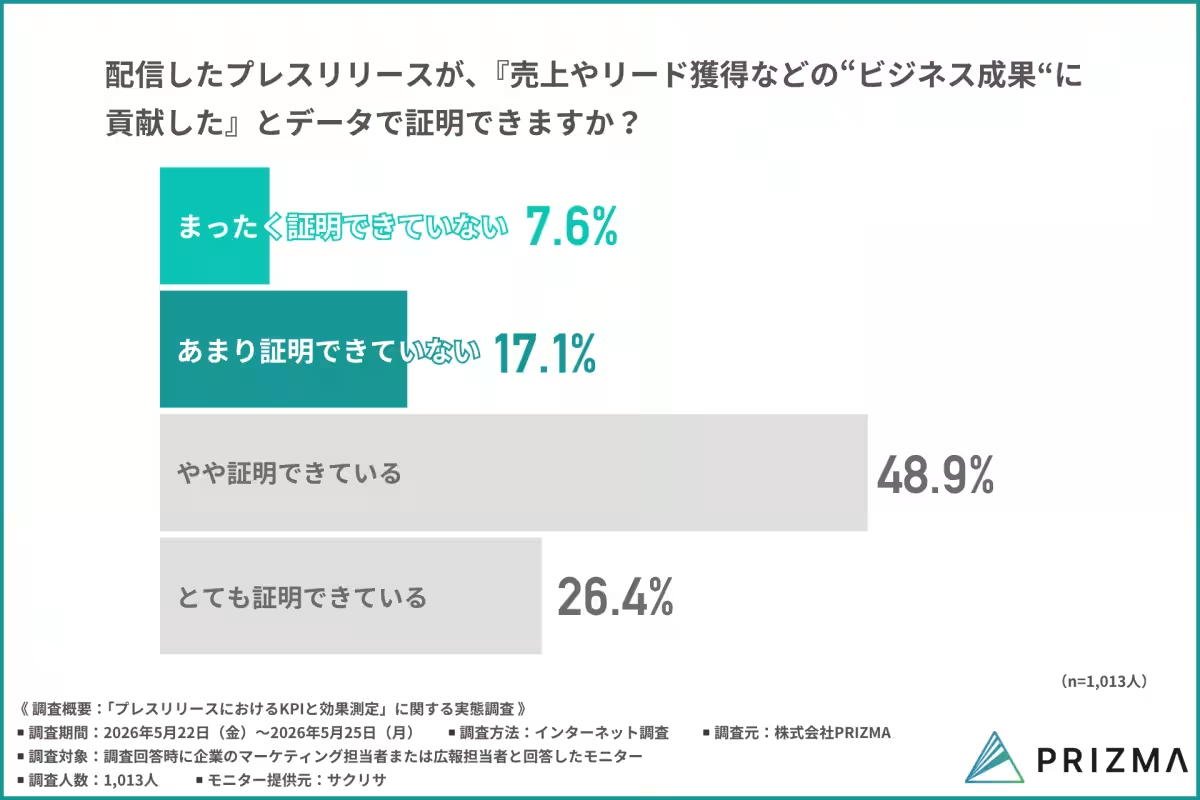
Despite these shortcomings, when survey participants were asked about the ultimate goals behind their press releases, a clear desire for increased brand awareness surfaced. For marketers, generating leads also ranked high, demonstrating an understanding of the press release's potential to fuel business activities. Yet, a notable portion expressed doubts about their ability to prove the direct business impact of press releases. About 25% of respondents admitted that they struggle to validate the connection between their press releases and business success.
The Importance of Reflection
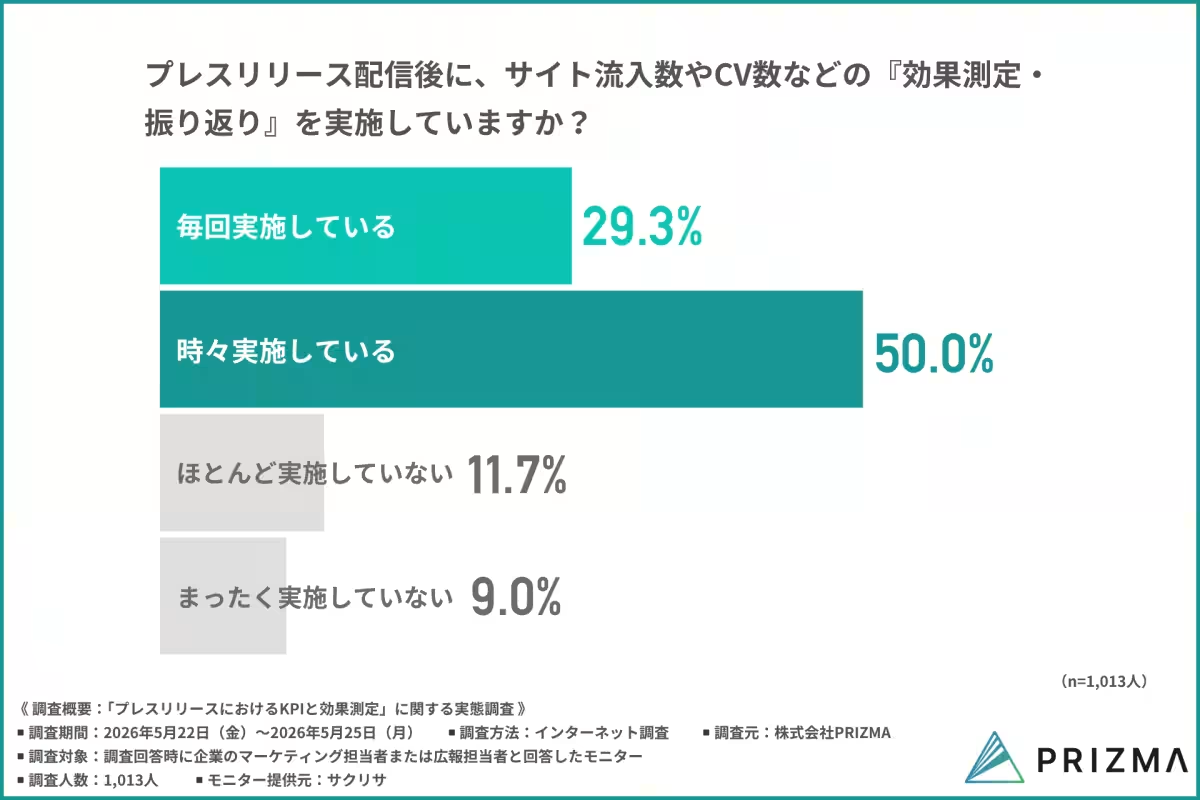
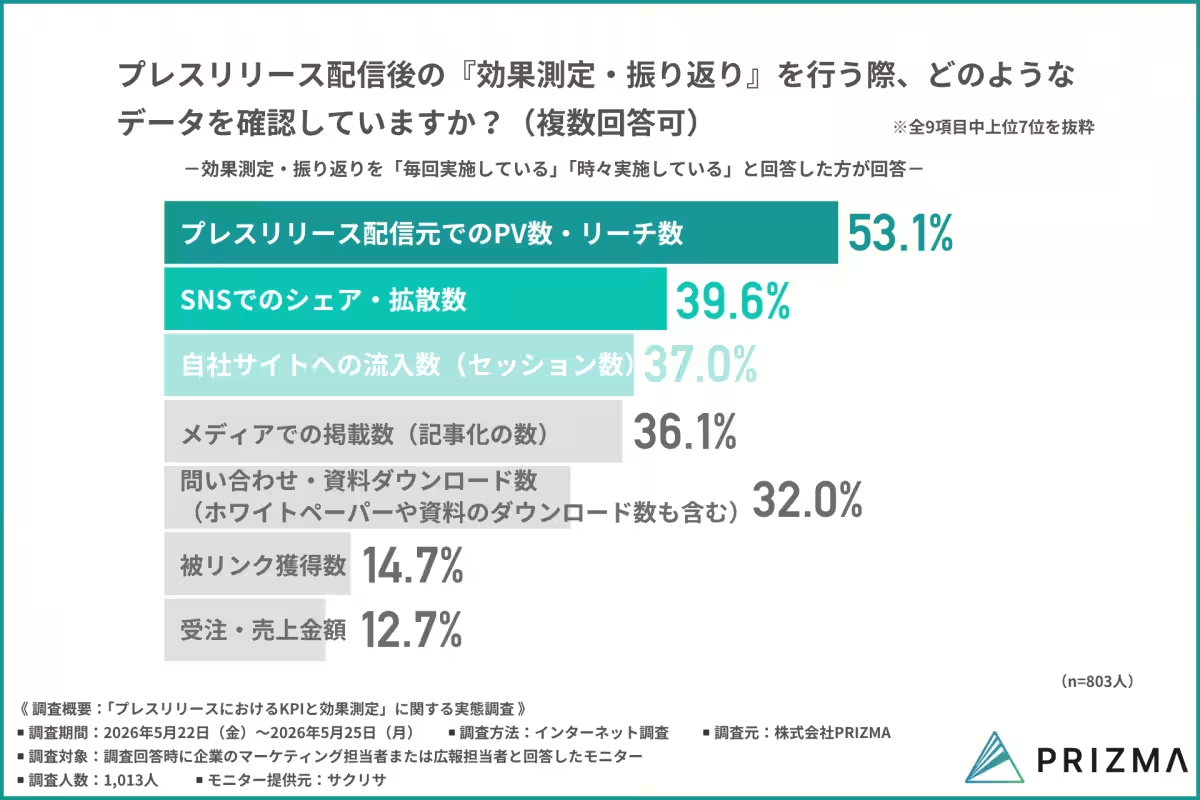
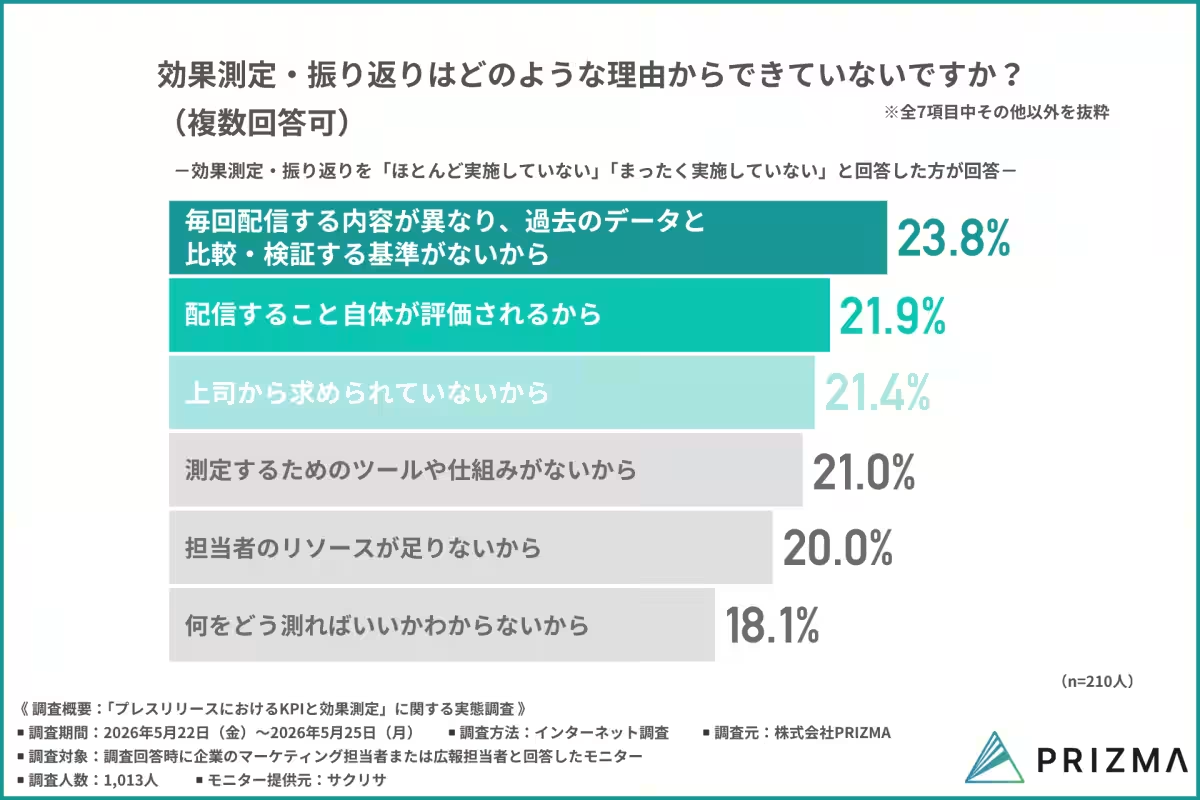
Post-release evaluations and feedback mechanisms are vital to optimizing communication strategies. While about 80% of respondents acknowledge the importance of measuring effects after distribution, around 20% admitted to rarely or never conducting such reviews. This gap indicates that a significant portion of organizations is missing opportunities for learning and adjustment. Most reflection focuses on metrics like PV counts and social media shares, which, while useful, do not directly relate to the primary goals of increasing inquiries or sales.
Addressing the Gaps
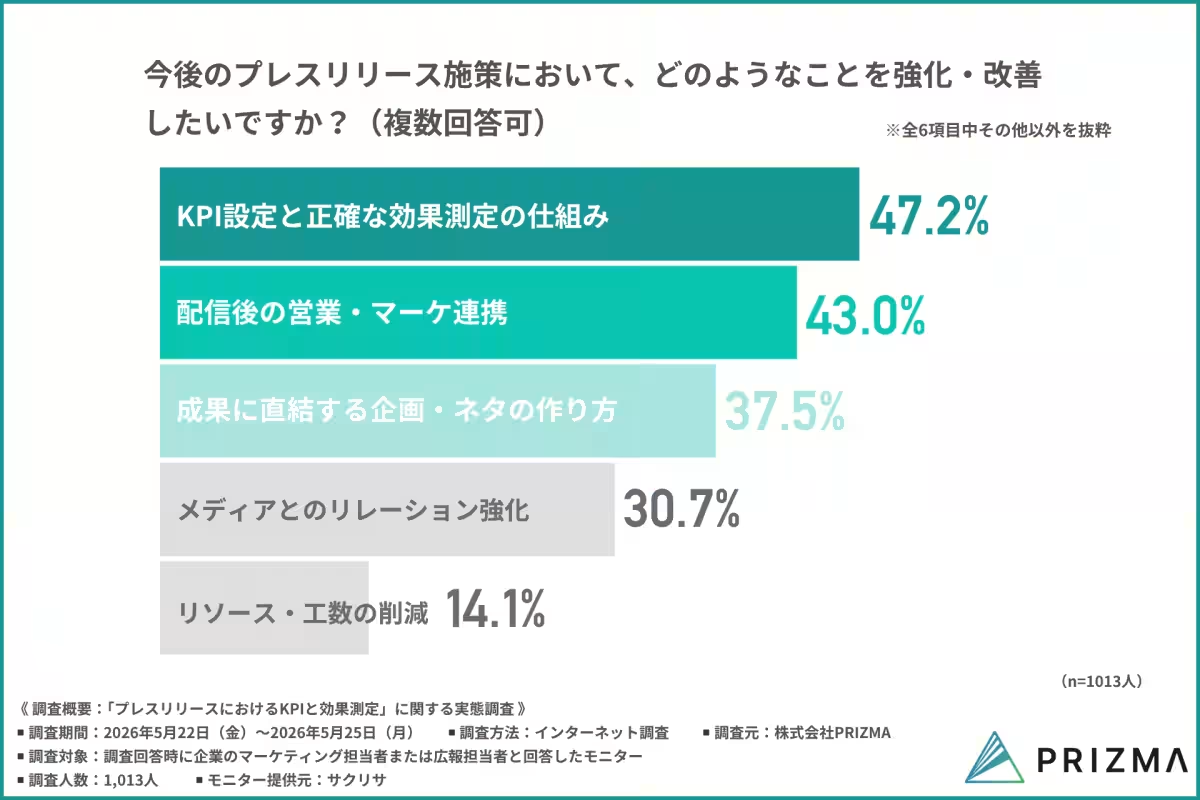
The survey highlights a crucial area of need: effective KPI settings and accurate measurement systems. An astounding 47.2% of professionals expressed a desire to enhance their methodologies for assessing press release performance. This craving for improved metrics underscores the misalignment between current evaluation methods and actual business outcomes.
What can help bridge this gap? Employing skilled external partners to enhance the strategic design and execution of press releases and ensuring that the contents align with business objectives can provide clarity and focus. Using data-driven approaches such as strategically conducting research releases could also facilitate a better measurement framework. Such strategies can enable companies to gather consistent data on various topics, facilitating comparisons that contribute to more effective planning and execution in the future.
Conclusion
In summary, the findings from PRIZMA showcase a disconnection between the intention behind press releases and how they are executed and evaluated within organizations. While the emphasis on meeting certain metrics can drive output, the real objective—connecting press releases to tangible business results—is often lost. It is essential for teams to pivot toward a results-oriented mindset, integrating realistic KPIs that reflect true business performance. By enhancing their strategic approach, PR and marketing professionals can help ensure press releases do not end up as mere formalities but instead become powerful tools for driving organizational success. As we move forward, utilizing insights from data and redefining success criteria will be vital in evolving the practice of press release distribution.



Topics Consumer Products & Retail)
【About Using Articles】
You can freely use the title and article content by linking to the page where the article is posted.
※ Images cannot be used.
【About Links】
Links are free to use.