



Innovative Olfactory VR Game Improves Cognitive Functions in Elderly Individuals
Introduction
In a groundbreaking study, a team of researchers proposed the use of olfactory virtual reality (VR) to improve cognitive functions in elderly individuals. Led by Professor Takamichi Nakamoto from Tokyo Science University, the research involved experts from various fields including psychology and human-computer interaction. Their findings not only highlight a novel rehabilitation method for cognitive memory functions but also contribute significantly to improving the well-being of the aging population.
Significance of Cognitive Function in Aging
As societies around the world age, maintaining and improving cognitive and memory functions becomes paramount for the elderly. This enhancement is not only vital for day-to-day living but also crucial in preventing neurodegenerative diseases such as dementia. Previous studies acknowledged the potential benefits of olfactory stimuli on cognitive function; however, the older methodologies lacked the immersive experiences necessary to achieve substantial engagement and effectiveness.
The Study on Olfactory VR
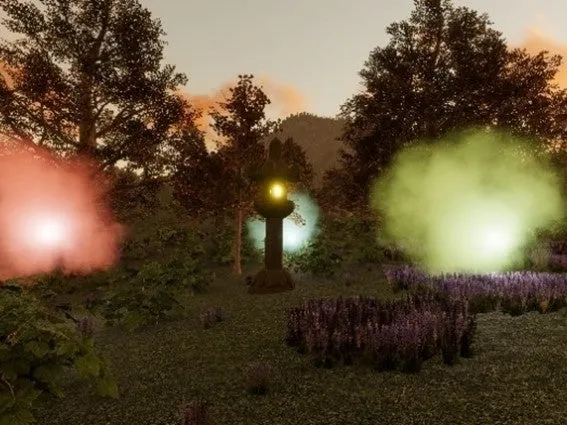
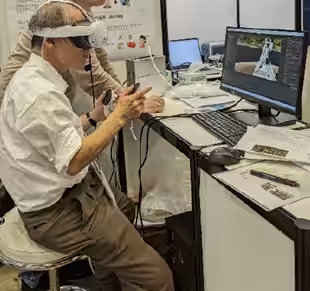
The interdisciplinary research team devised a unique methodology that integrates olfactory stimuli within an engaging VR game environment. This approach allows participants to immerse themselves in a virtual space while experiencing different scents through an olfactory display. The game involves 30 elderly participants whose cognitive functions were evaluated using standardized tests before and after the olfactory VR experience.
During the game, participants were tasked with memorizing a specific scent and subsequently identifying it among several other aromas emitted from various locations within the VR environment. The tests showed a notable improvement in cognitive scores related to memory tasks.
Research Findings
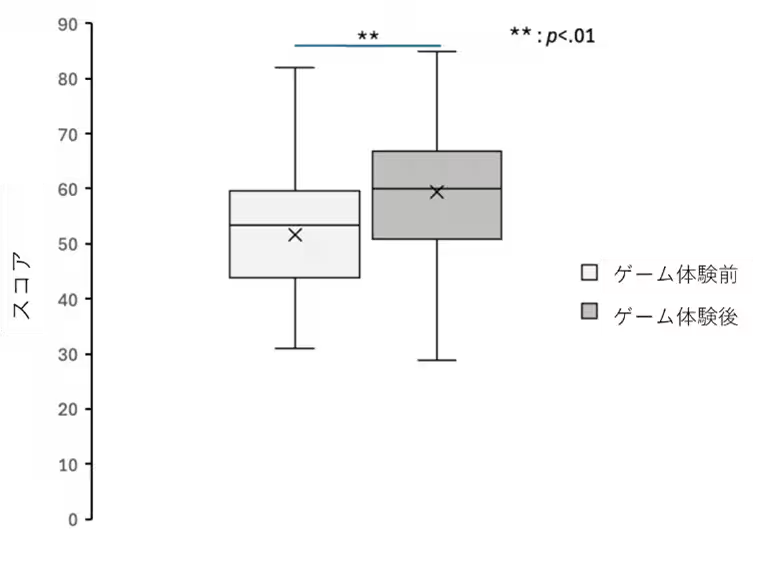
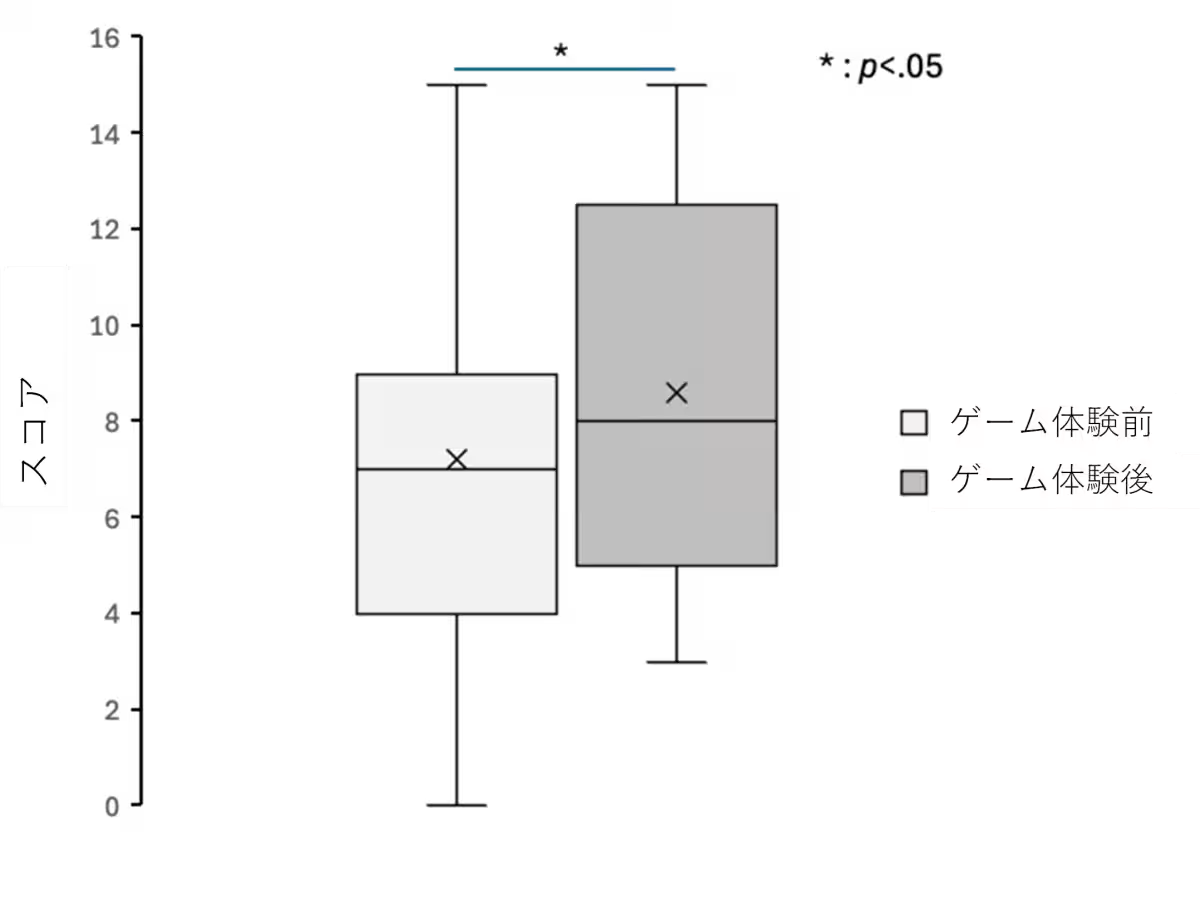
In this study, a preliminary experiment determined that participants could differentiate between three distinct scents effectively, such as combinations of mango, melon, and plum or orange, lavender, and spearmint. Thirty elderly participants aged between 63 and 90 engaged with the olfactory VR game over two sessions, separated by six days. After completing the sessions, cognitive tests demonstrated a significant increase in scores for tasks that required visuospatial processing, specifically in the Hiragana rotation and word spatial memory tasks.
Comparative Results
The results indicated an improved ability to process and recall information associated with visual and olfactory stimuli. Graphical representations of the test scores showed a marked improvement following the VR game sessions, underscoring the efficacy of this innovative rehabilitation method for cognitive enhancement.
Social Impact
The implications of this research are vast. While olfactory VR has typically found applications in the entertainment sector, establishing its use in elderly rehabilitation presents a promising avenue for addressing societal challenges, particularly in the prevention of dementia. With the potential to significantly enhance the quality of life for the aging population, this research paves the way for the development and incorporation of digital scent technologies into therapeutic practices.
Future Directions
Despite the promising results, further investigations are necessary to ascertain long-term effects post-experience, the sustainability of benefits with repeated interfaces, and the proportionate contributions of visual versus olfactory stimuli. Further interdisciplinary collaborations can deepen our understanding of these dynamics and encourage the broader implementation of olfactory VR solutions in cognitive rehabilitation programs.
Conclusion
This pioneering study represents a shift in how we approach the cognitive health of elderly individuals. Through the integration of scent, VR technology, and cognitive exercises, we are opening new doors in the realm of memory rehabilitation. As noted in the publication dated March 28 in Scientific Reports, this innovative approach could fundamentally transform strategies for preventing cognitive decline among older adults.
Research Collaboration
The findings stem from collaborative efforts among various institutions, including Tokyo Science University, Bunkyo Gakuin University, and the University of the Arts London. The research is funded by the Japan Science and Technology Agency, aligning with goals for future societal development.
References
1. Nakamoto, T., Ed. (2025). Digital technologies in olfaction. Elsevier.
2. Nakamoto, T., & Dinh Minh, H. P. (2007). Improvement of olfactory display using solenoid valves. IEEE Virtual Reality Conference.


Topics Health)
【About Using Articles】
You can freely use the title and article content by linking to the page where the article is posted.
※ Images cannot be used.
【About Links】
Links are free to use.