



Influenza Prevention Drugs: A Growing Popularity Alongside Vaccines
Understanding the Rise of Influenza Prevention Drugs
The influenza season of 2025 has kicked off approximately one month earlier than usual, as indicated by reports from the Ministry of Health, Labour and Welfare in Japan. During early October, patient numbers began to rise significantly, leading to areas exceeding warning levels by late October to early November.
Amid these developments, Fit Clinic, located in Shibuya, Tokyo, conducted a survey targeting individuals and families who had utilized influenza prevention medications. The survey aimed to gather insights into the use of these medications in conjunction with vaccines.
Survey Highlights
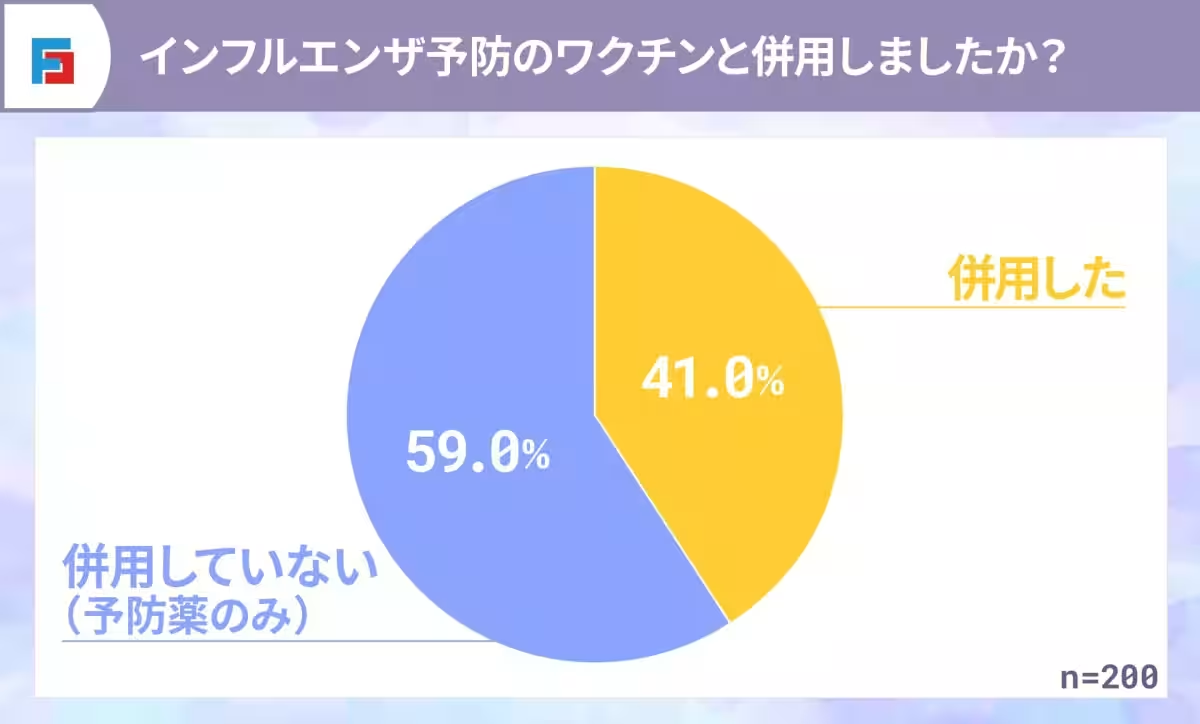
1. Vaccination Combination: About 40% of respondents who used influenza prevention drugs did so in conjunction with vaccination.
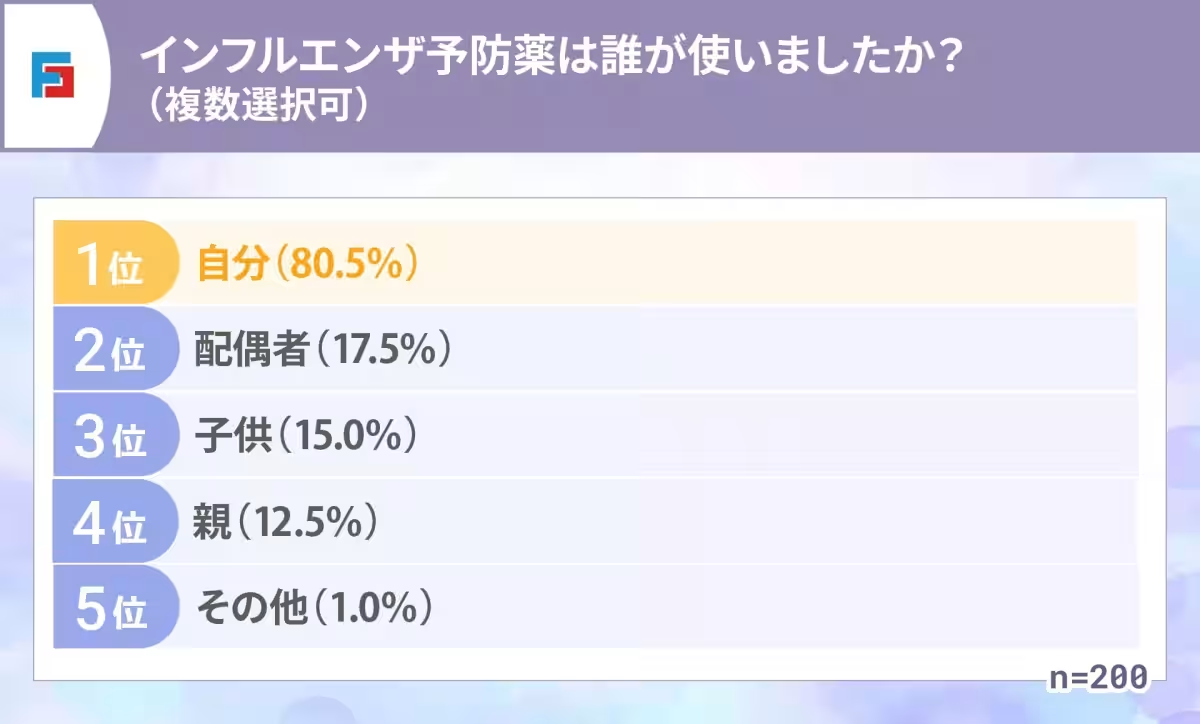
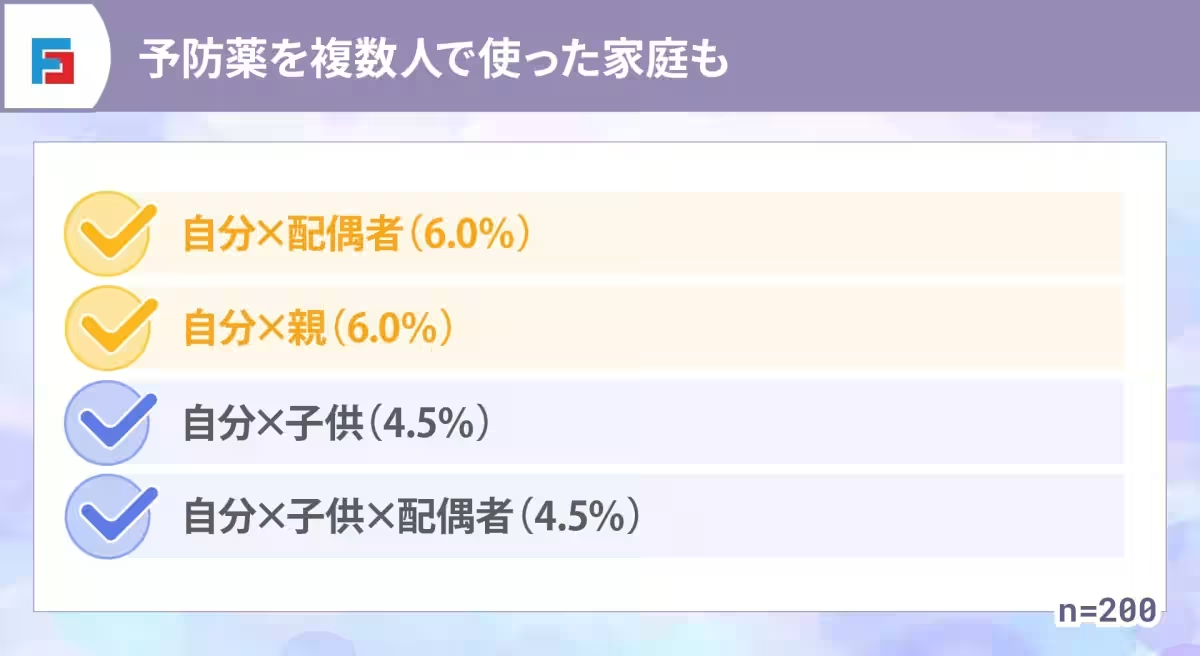
2. Children's Usage: 15% of the users were children, and 4.5% reported that the entire family benefited from these medications.
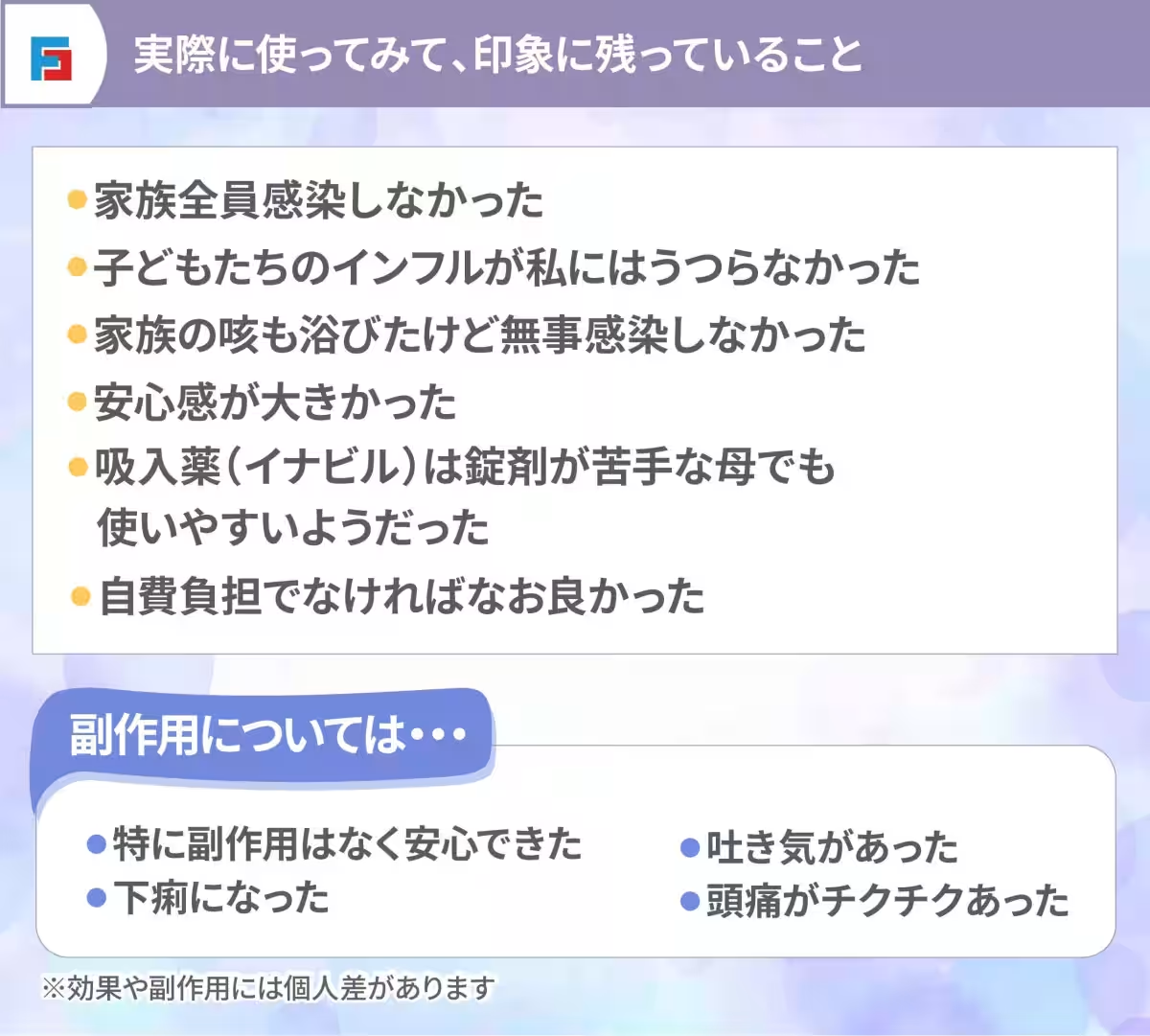
3. Positive Outcomes: Many respondents reported that they did not contract the virus despite exposure.
Details on Usage
The data showed that a significant portion of those using prevention drugs also opted for vaccination. The use of these medications is not viewed as a substitute for vaccines but rather as an additional measure to protect family members when necessary.
Reasons for Using Influenza Prevention Drugs
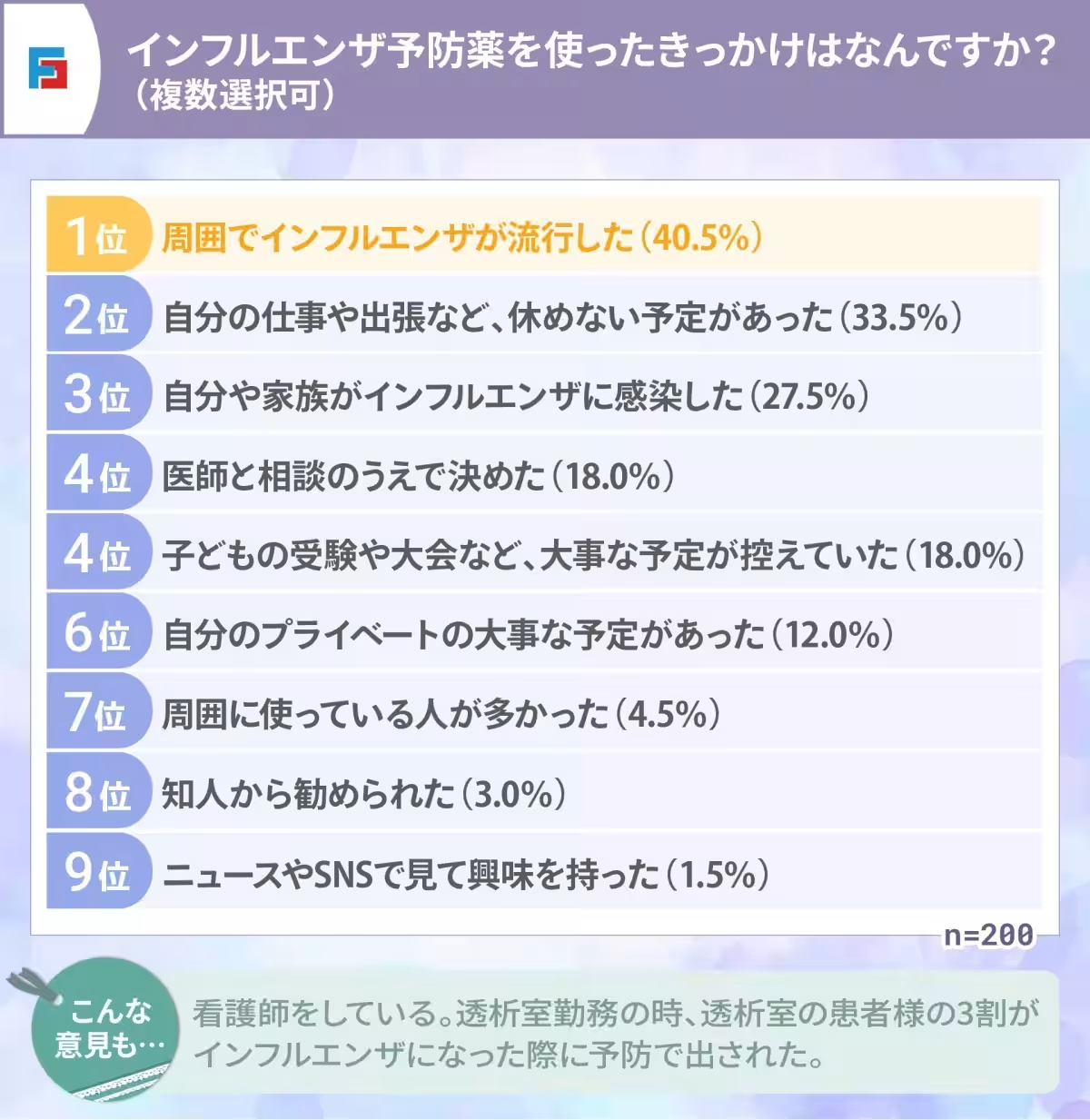
The primary reason cited for using prevention medications was the outbreak of flu within their vicinity. Other significant factors included the need to attend work events or business trips where it was critical not to fall ill, and some had family members who had contracted the flu.
Healthcare professionals are also utilizing these prevention drugs to combat the spread of influenza, with reports indicating that 30% of patients diagnosed with influenza were prescribed medication as a preventive measure.
Popular Medication: Tamiflu
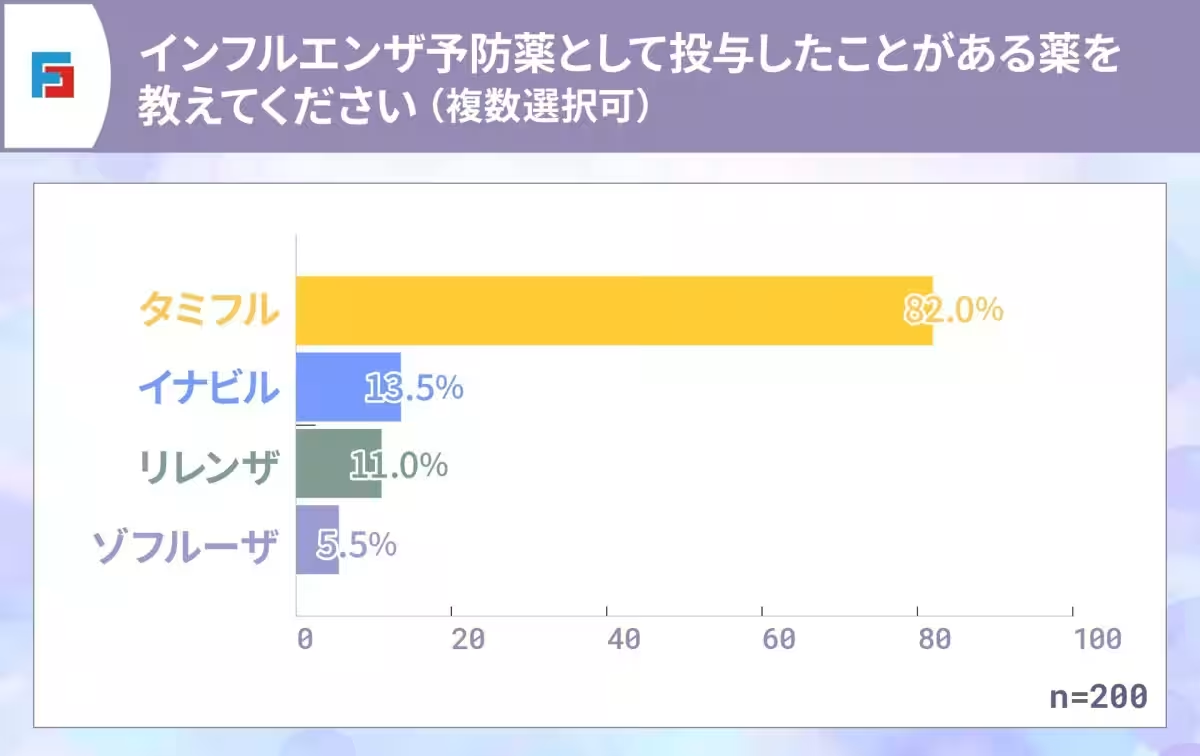
When asked which prevention drugs were used, Tamiflu (Oseltamivir) emerged as the most popular choice due to its ease of use, being taken orally and completing the regimen without complications. Tamiflu has been part of standard treatment protocols for a long period and demonstrates a wealth of evidence supporting its effectiveness in preventive use.
Initial Hesitations and Subsequent Impressions
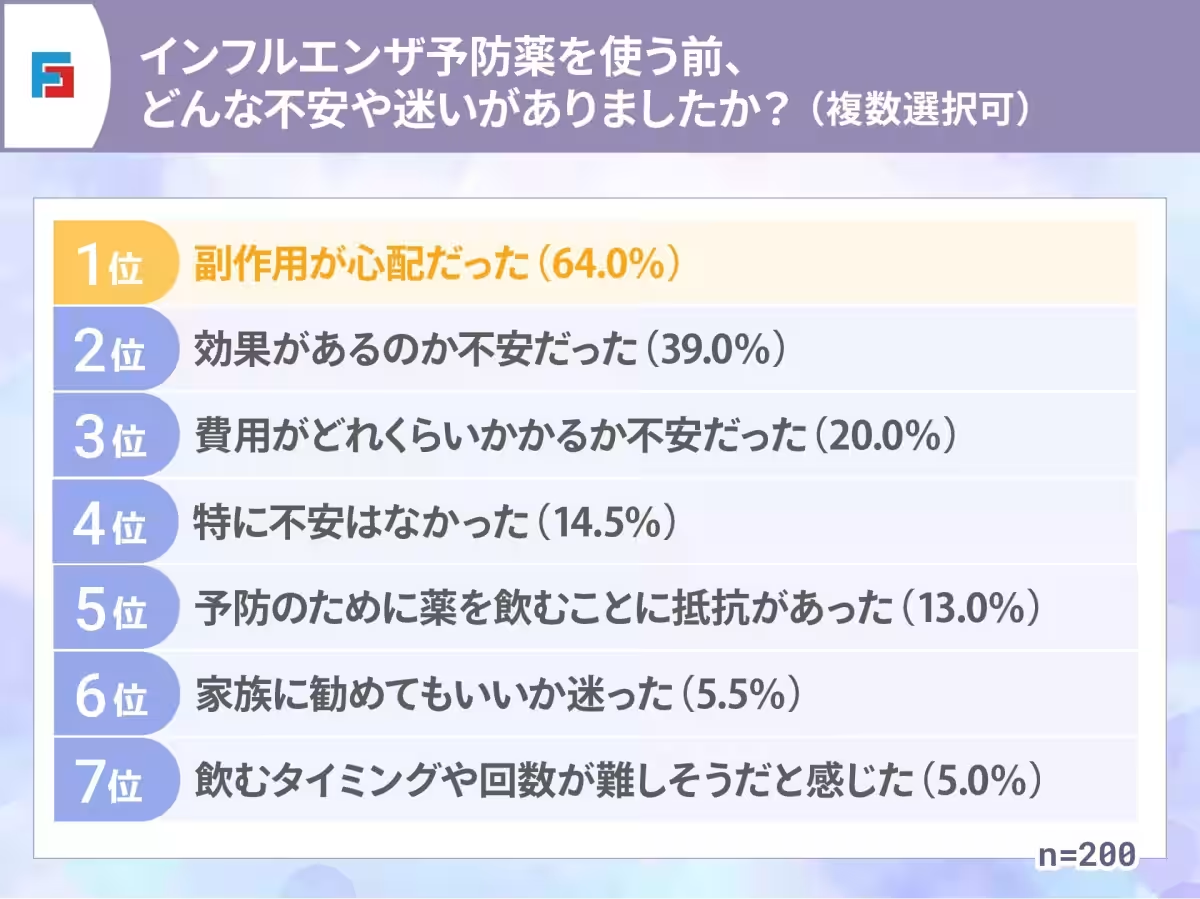
Before using the medication, many respondents expressed concerns about potential side effects, with 64% indicating anxiety regarding side effects. Subsequent feedback post-usage frequently highlighted successful prevention of virus transmission within families.
Reaffirming Basic Preventive Measures
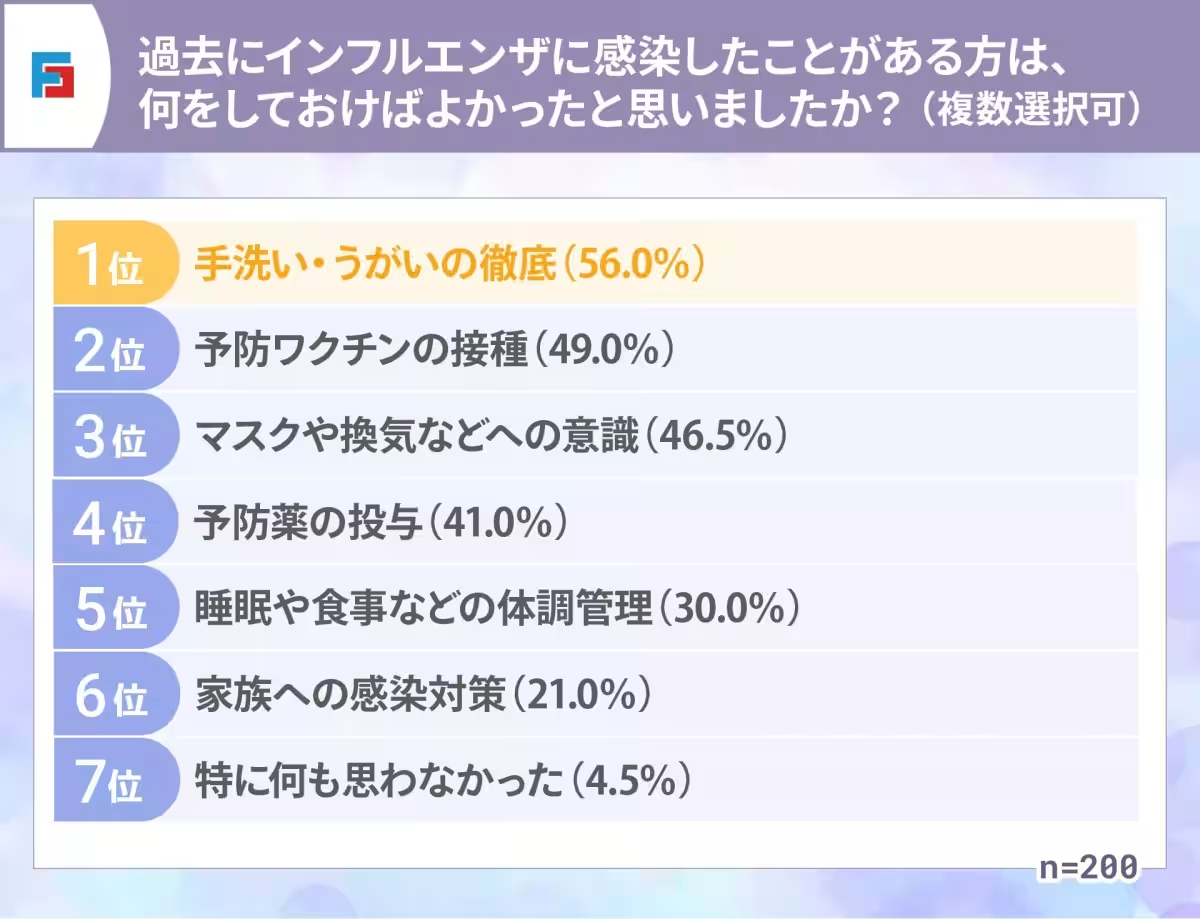
Among those who had experienced influenza, many reflected on the effectiveness of basic preventive measures, such as regular hand washing, getting vaccinated, and practicing good ventilation and mask-wearing habits. Their responses stress the ongoing importance of fundamental infection control practices.
Methods of Acquisition
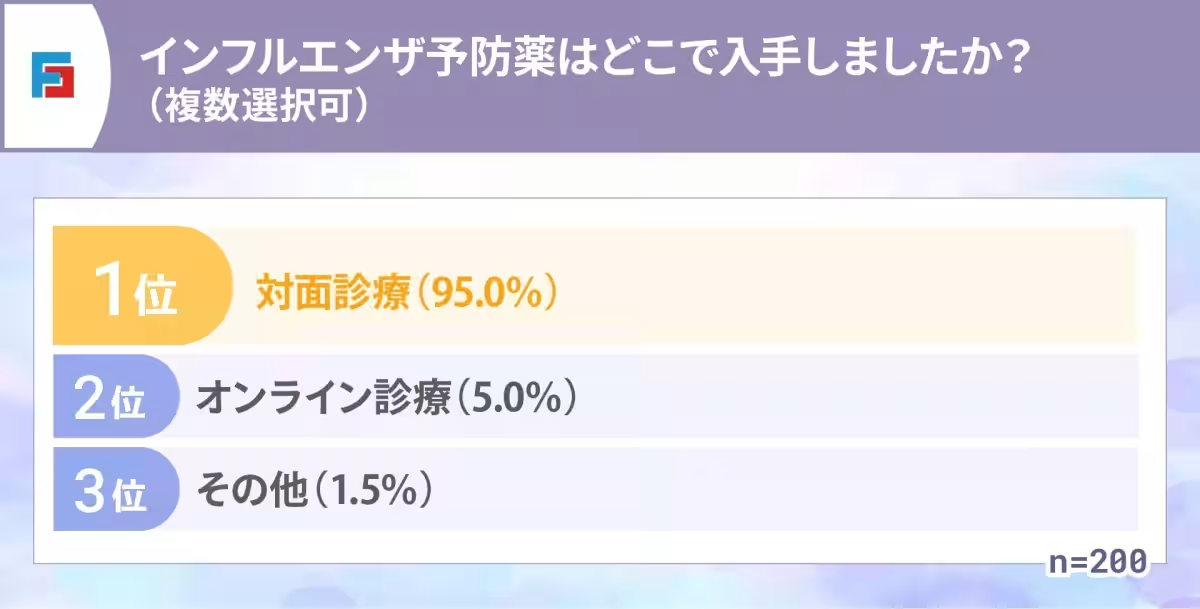
The survey revealed that face-to-face consultations accounted for the majority of drug acquisitions, though there was also a notable fraction of individuals obtaining medications through online consultations, especially in times of heightened demand, such as pre-exam periods.
Future Intentions
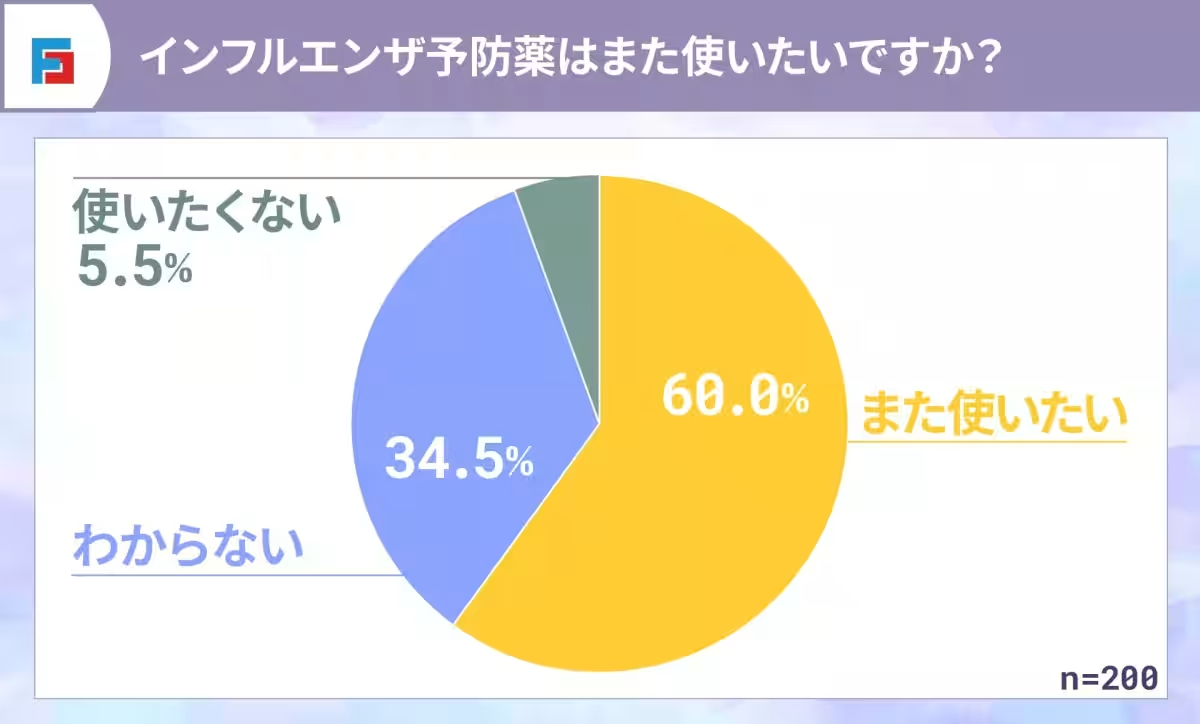
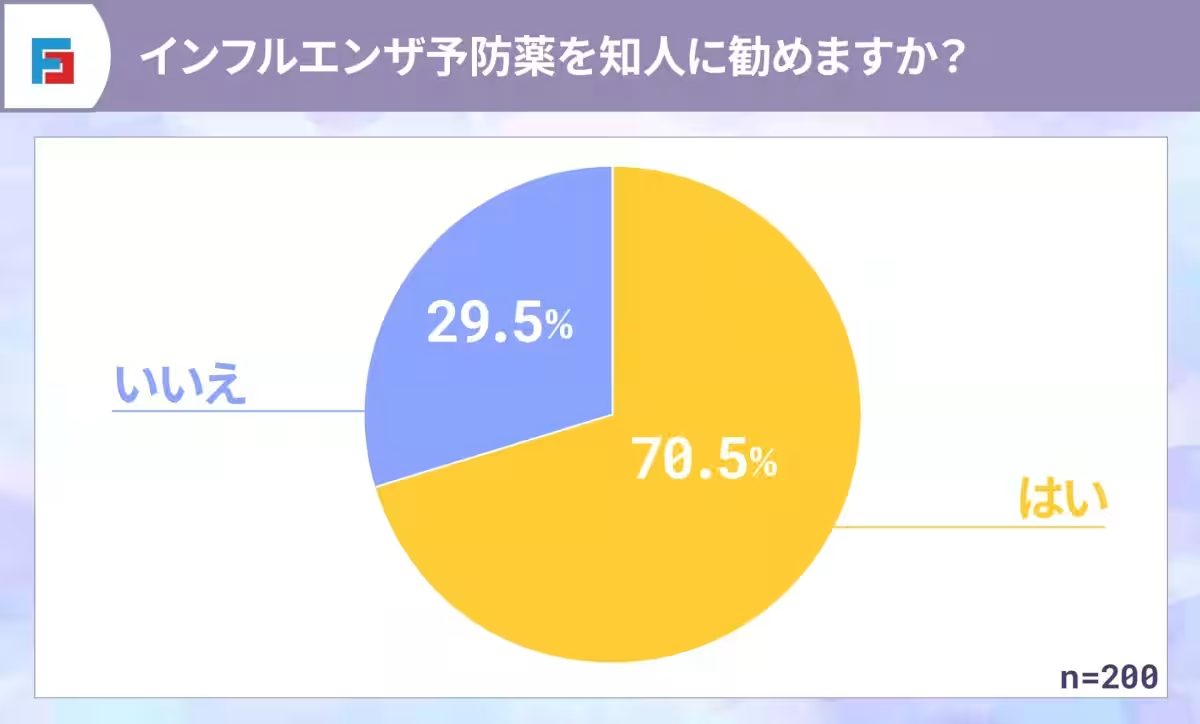
When asked about their willingness to use prevention drugs again, a significant portion expressed interest in doing so, with many also inclined to recommend it to friends or family, highlighting a general satisfaction with the medication's effectiveness.
A Deeper Insight into Influenza Prevention Drugs
Influenza prevention drugs are used primarily to mitigate the onset of illness after close contact with an infected individual. Their role is fundamentally different from vaccines, which aim to create immunity before exposure occurs. Following this understanding, it is evident that utilizing both methods in tandem can enhance protection against influenza.
Conclusion
This survey conducted by Fit Clinic illustrates that influenza prevention medications are increasingly seen as a complementary tool to vaccination, considered vital for safeguarding family health during flu outbreaks. The desire for a deeper understanding and appropriate use of these medications emphasizes the need for ongoing communication with healthcare professionals to ensure the best outcomes.
For more information on influenza prevention, interested individuals are encouraged to consult with healthcare providers for personalized advice on medications and strategies available to them, particularly during peak flu seasons.



Topics Health)
【About Using Articles】
You can freely use the title and article content by linking to the page where the article is posted.
※ Images cannot be used.
【About Links】
Links are free to use.