




Japan's Nutritional Association Highlights Dietary Disparities Among People with Disabilities
Understanding the Dietary Health of People with Disabilities
In an important move to address the nutritional needs of people with disabilities, the Japan Optimal Nutrition Association (JONA) recently conducted a comprehensive survey. Led by Chairman Hiroshi Ito, this initiative aimed to understand the dietary habits, concerns, and overall well-being of individuals with disabilities in Japan. The findings raise significant questions about eating behaviors and health among this demographic.
Survey Overview
The survey comprised two major components: a web-based questionnaire and a focus group discussion.
Web-Based Survey
During two phases in February and May 2026, JONA collected responses from 1,048 individuals with disabilities, representing a diverse range of disabilities including visual, auditory, physical, internal, intellectual, and mental health challenges.
1. February 2026: 533 respondents
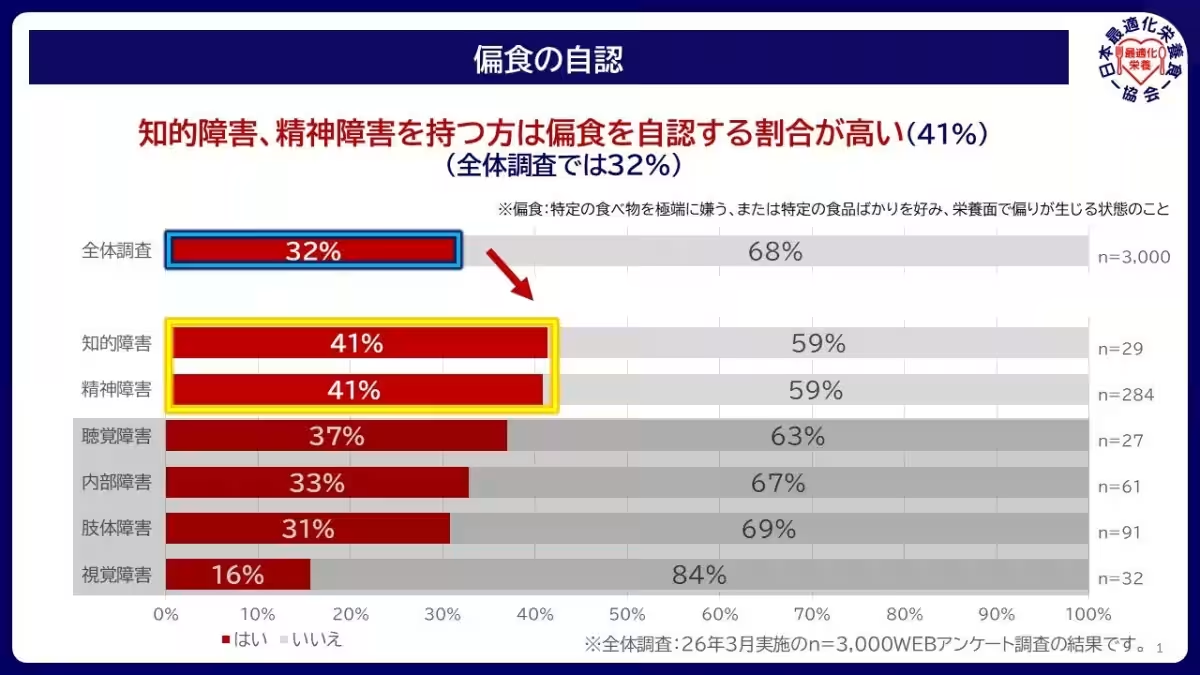
- Main disabilities: Visual: 32; Auditory: 27; Physical: 91; Internal: 61; Intellectual: 29; Mental: 284; Other: 9
2. May 2026: 515 respondents
- Main disabilities: Visual: 72; Auditory: 58; Physical: 112; Internal: 120; Intellectual: 46; Mental: 100; Other: 7
- Note: Internal disabilities involve complications affecting the heart, kidneys, digestive system, and immune functions.
Focus Group Discussion
Held in March 2026, this discussion involved five participants who shared insights about their challenges related to food, nutrition, and daily living. Notably, this aspect was facilitated by Mirairo, Inc., a company dedicated to enhancing accessibility for people with disabilities, which helps shed light on practical, everyday barriers.
Key Findings
The survey revealed several disturbing trends among participants:
1. High Rates of Selective Eating
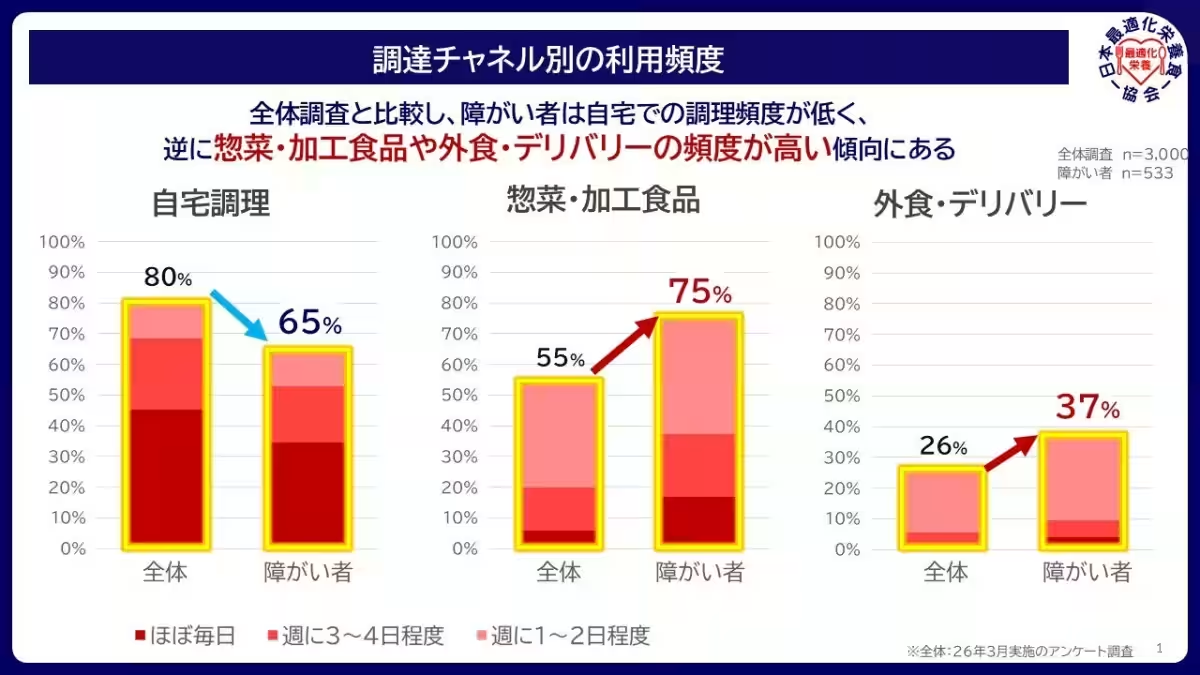
The prevalence of selective eating behaviors was particularly significant among individuals with intellectual and mental disabilities, who reported rates approximately 9 percentage points higher than their peers. Additionally, the reliance on prepared meals and delivery services was markedly pronounced, with an increase in rates by 20 points for convenience foods and 11 points for dining out—highlighting a dependency on external sources for nutrition.
2. Nutritional Anxiety
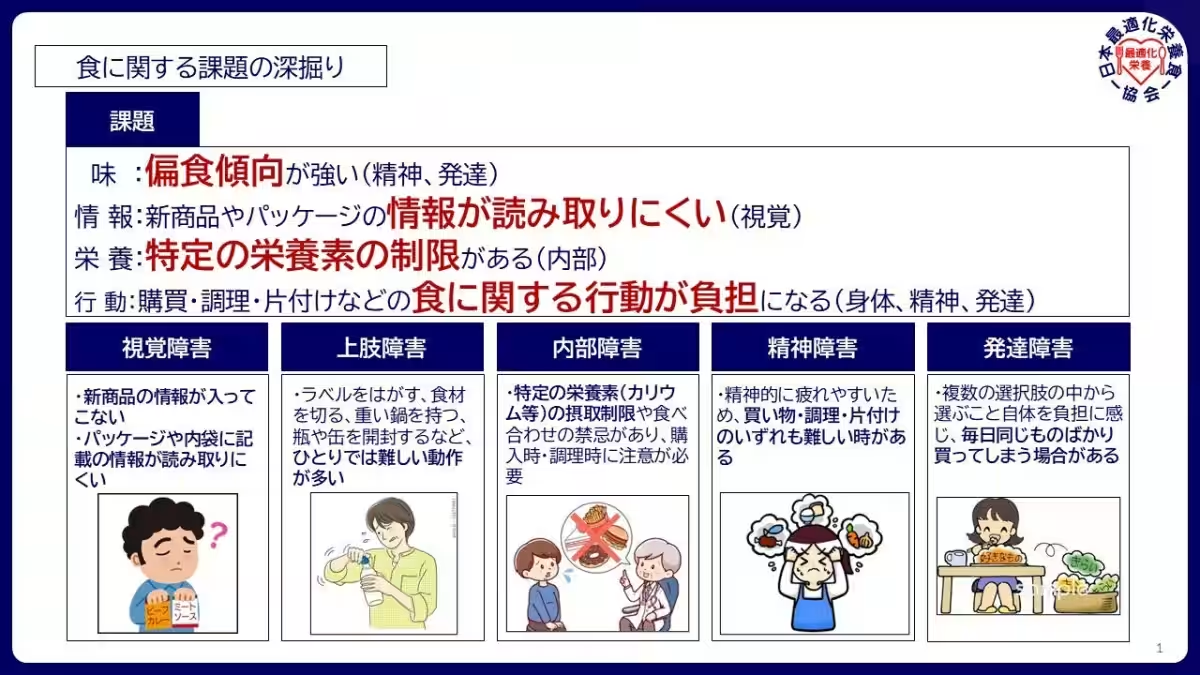
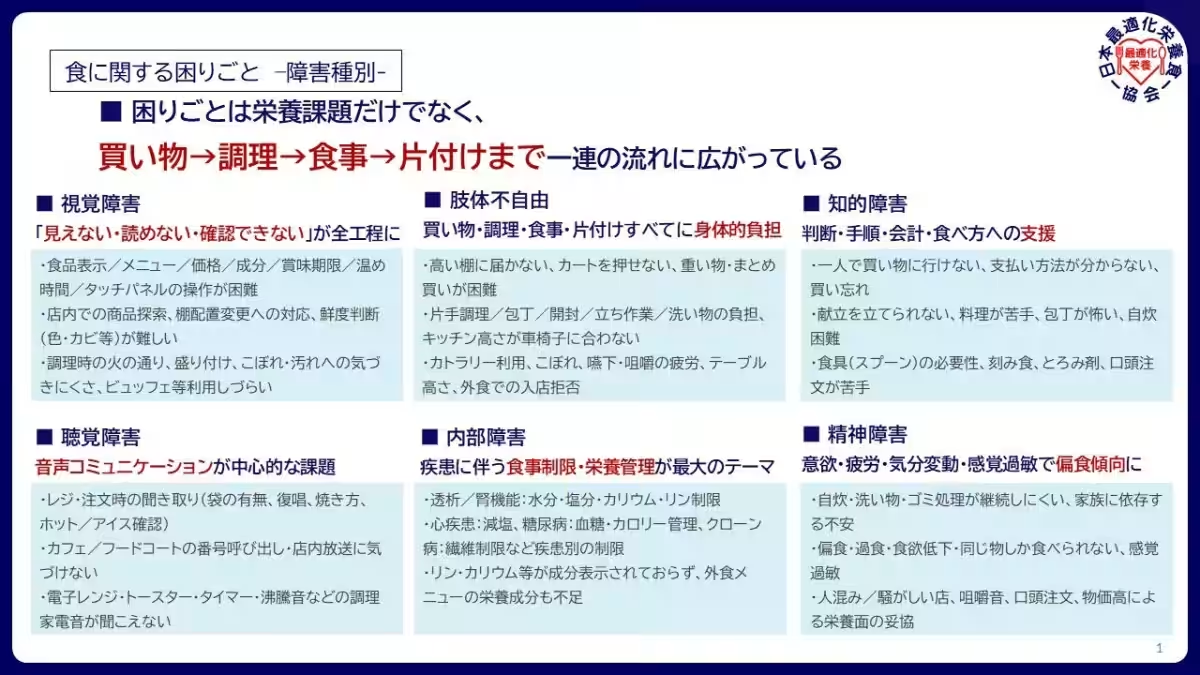
The data indicated a heightened awareness of the nutritional inadequacies among participants, showcasing a clear concern regarding their dietary balance. Many expressed anxiety over the challenge of maintaining healthy eating habits, as factors such as limited cooking skills and mobility issues affected their ability to prepare nutritious meals at home.
3. Well-Being and Satisfaction Levels
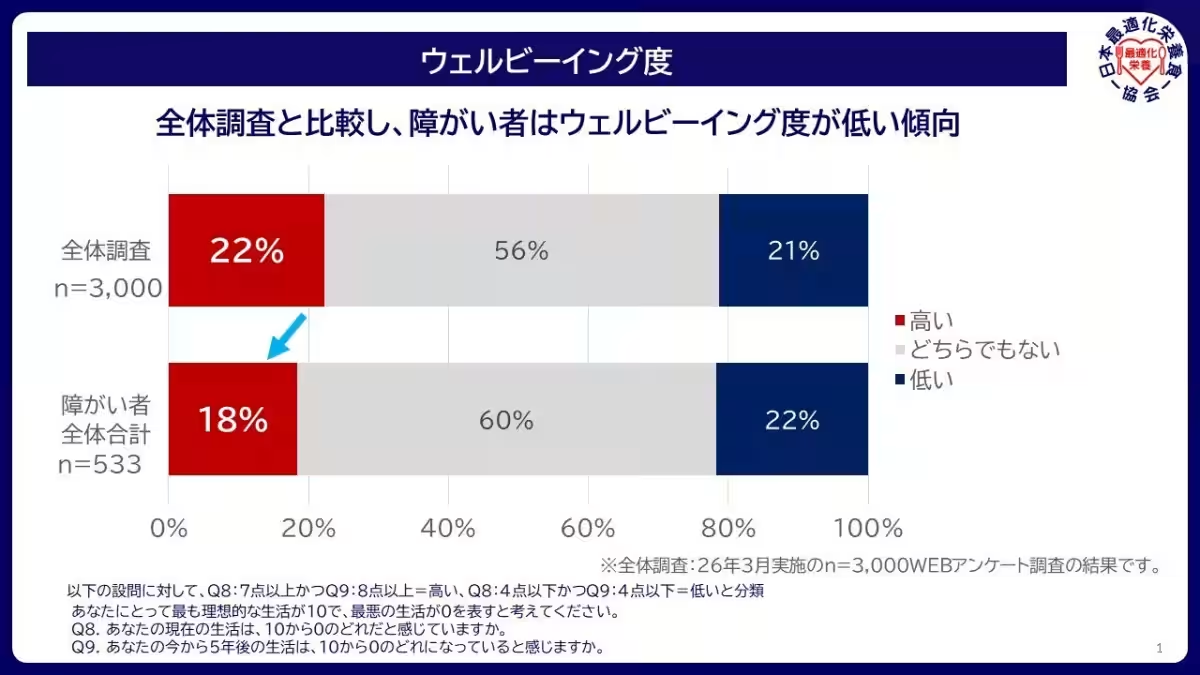
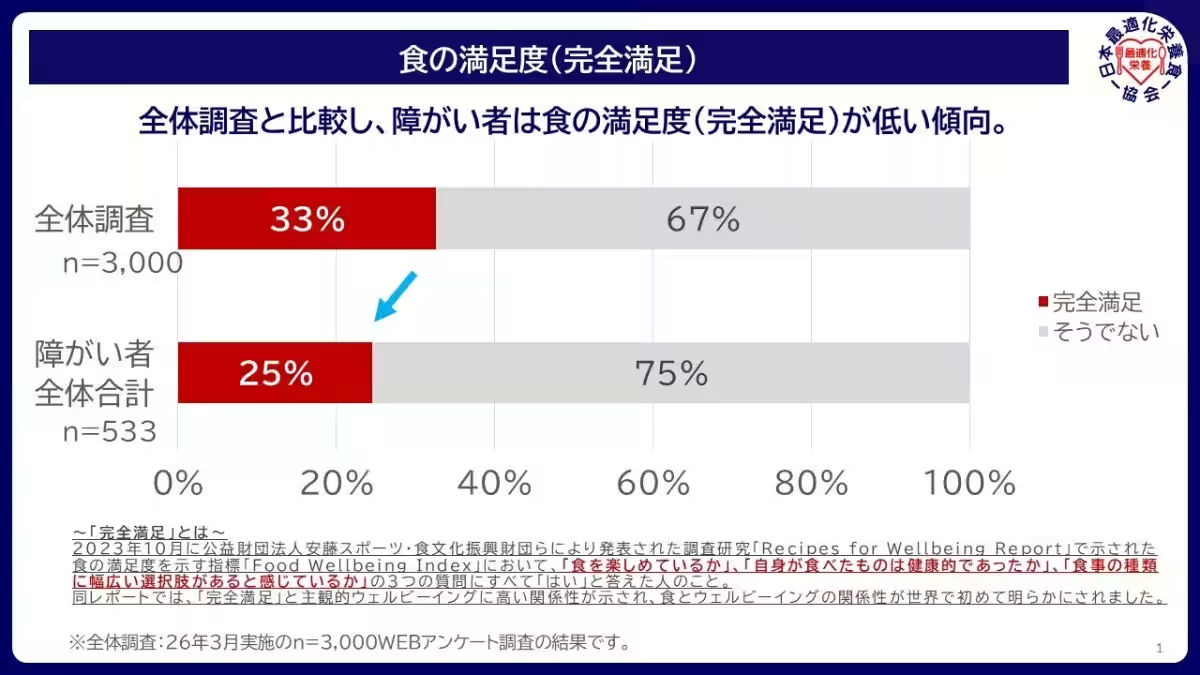
According to the survey, only 18% of individuals with disabilities reported high levels of well-being, which is 4 percentage points lower than the general population average of 22%. Similarly, satisfaction levels regarding food were concerning, with just 25% of participants feeling completely satisfied—8 percentage points below the overall average of 33%.
The survey utilized the Food Wellbeing Index, a measurement developed by the Ando Sports and Gastronomy Foundation in October 2023, which assesses individuals' enjoyment, healthiness, and diversity of their food options.
Expert Insights from JONA
The Japan Optimal Nutrition Association remarked, "Our findings identify that the issues surrounding nutrition extend beyond dietary balance; they encompass the entire experience, from shopping and cooking to dining and cleaning up. These challenges contribute directly to the lowered levels of well-being and food satisfaction."
With an eye on solutions, the association sees promising potential in optimized nutrition foods that are not only balanced nutritionally but also enjoyable and easy to prepare. The association aims to work alongside its member companies to address the identified issues and enhance food options available to individuals with disabilities.
Future Directions
The Role of Optimized Nutrition
Optimized nutrition foods are specially designed to address the unique nutritional challenges faced by these individuals, tailoring nutrient balance to their specific needs. The Japan Optimal Nutrition Association, established to facilitate standards and research in this area, reports a cumulative shipment of over 54 million optimized nutrition meals since the first certification in July 2023.
As the association continues its efforts, it remains committed to fostering well-being among individuals with disabilities through accessible, balanced, and nutritious food options.
Learn more about the Japan Optimal Nutrition Association

Topics Consumer Products & Retail)
【About Using Articles】
You can freely use the title and article content by linking to the page where the article is posted.
※ Images cannot be used.
【About Links】
Links are free to use.