



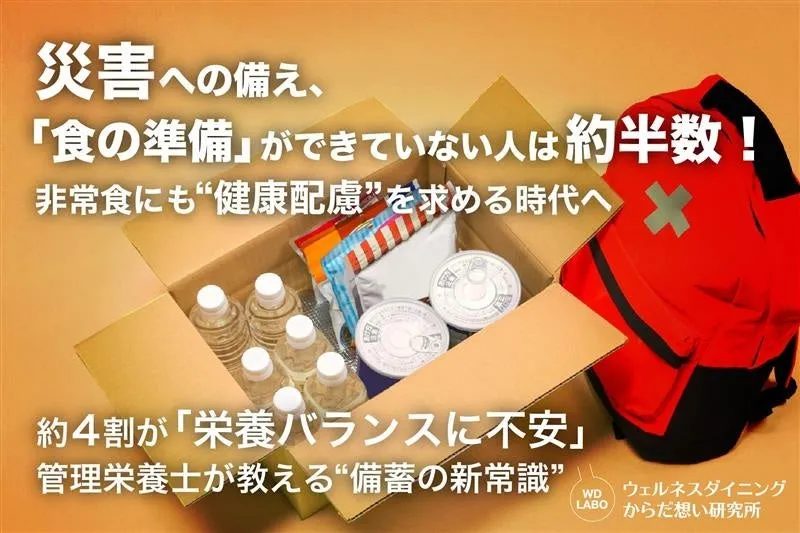
Concerns About Disaster Preparedness: A Study Reveals Food Supply Gaps
Disaster Preparedness: A Growing Concern in Japan
In a recent survey conducted by Wellness Dining, approximately half of respondents admitted they had no disaster preparedness supplies in place. This alarming discovery unveils a significant gap between awareness and action regarding food supplies in times of crisis. The survey focused on individuals aged 25 to 65 across Japan, aiming to assess their awareness of disaster supplies and food-related concerns.
Key Findings of the Survey
1. Half of the Respondents Unprepared
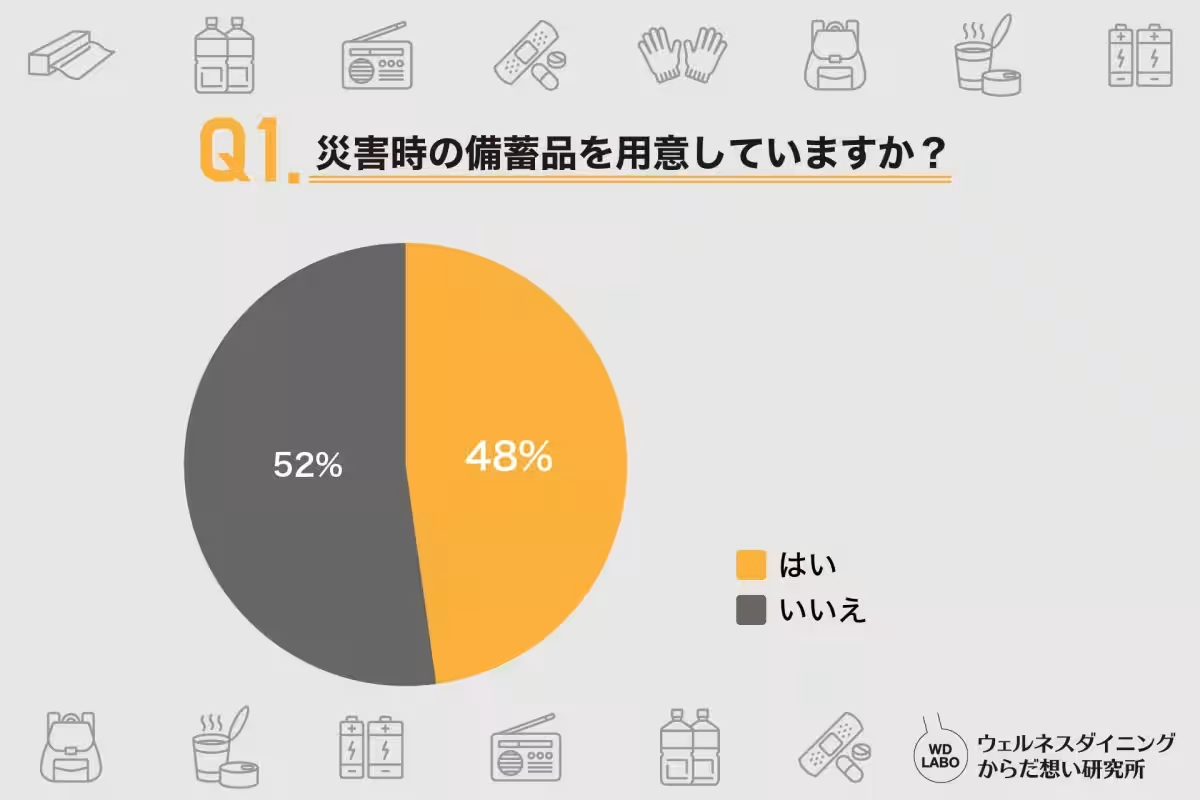
- It was reported that 52% of those surveyed did not have any disaster supplies prepared. This statistic raises urgent questions about the public’s readiness for natural disasters, which have been increasingly prevalent across the nation.
2. Limited Supply Duration
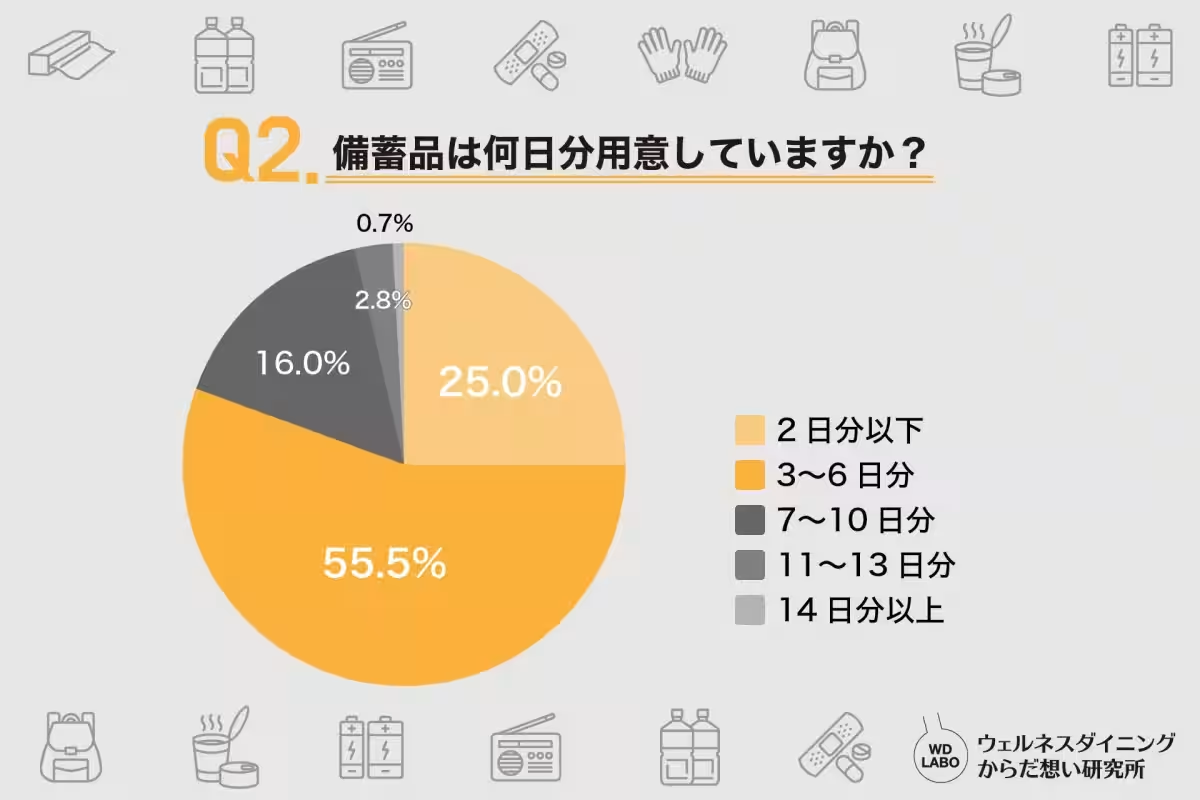
- Among those who do have supplies, 55.6% indicated they only have enough for 3 to 6 days. This points to a concerning short-term focus, with about 19% having supplies sufficient for more than a week. Considering the potential duration of disasters, this is far from adequate.
3. Food Security Concerns
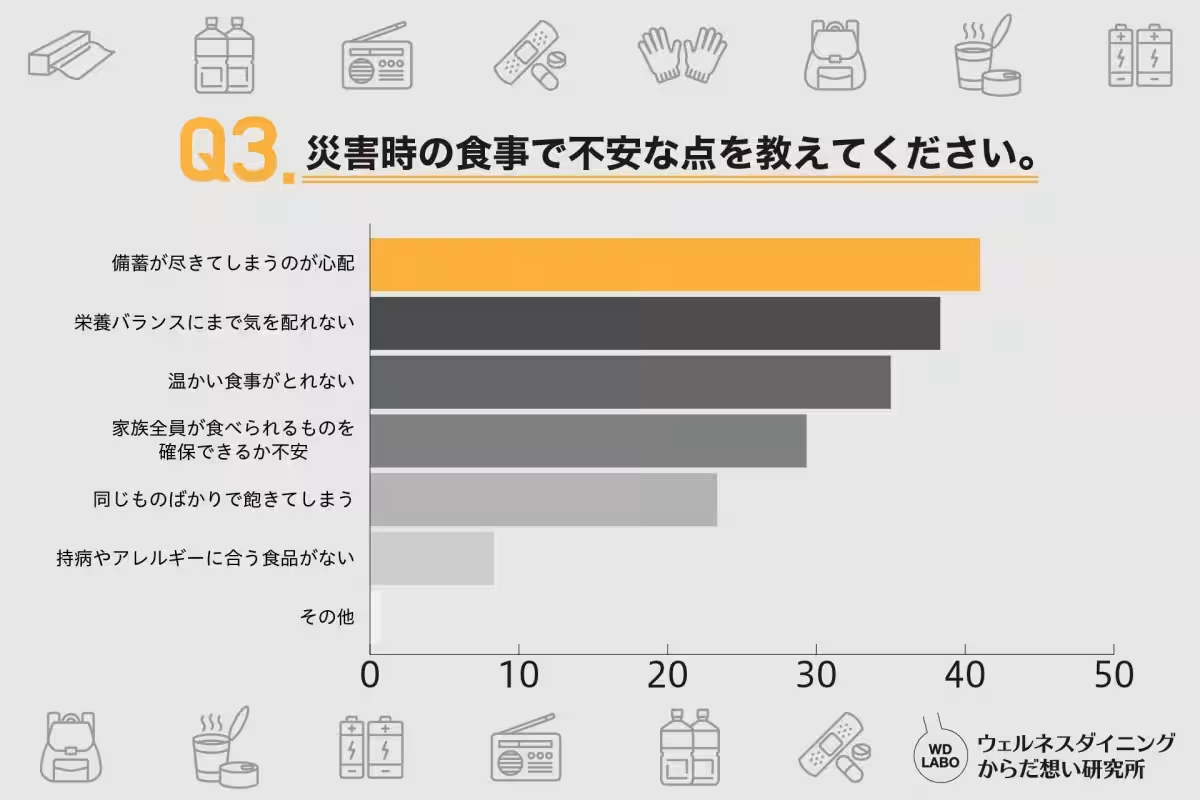
- Respondents expressed significant worries regarding their food situation during emergencies: 41% feared running out of supplies, 38.3% were concerned about maintaining a balanced diet, and 35% were anxious about not being able to receive warm meals. Additionally, 29.3% worried about securing food that meets the dietary restrictions of all family members, highlighting a need for tailored responses to individual health issues and allergies.
4. Expectations from Emergency Foods
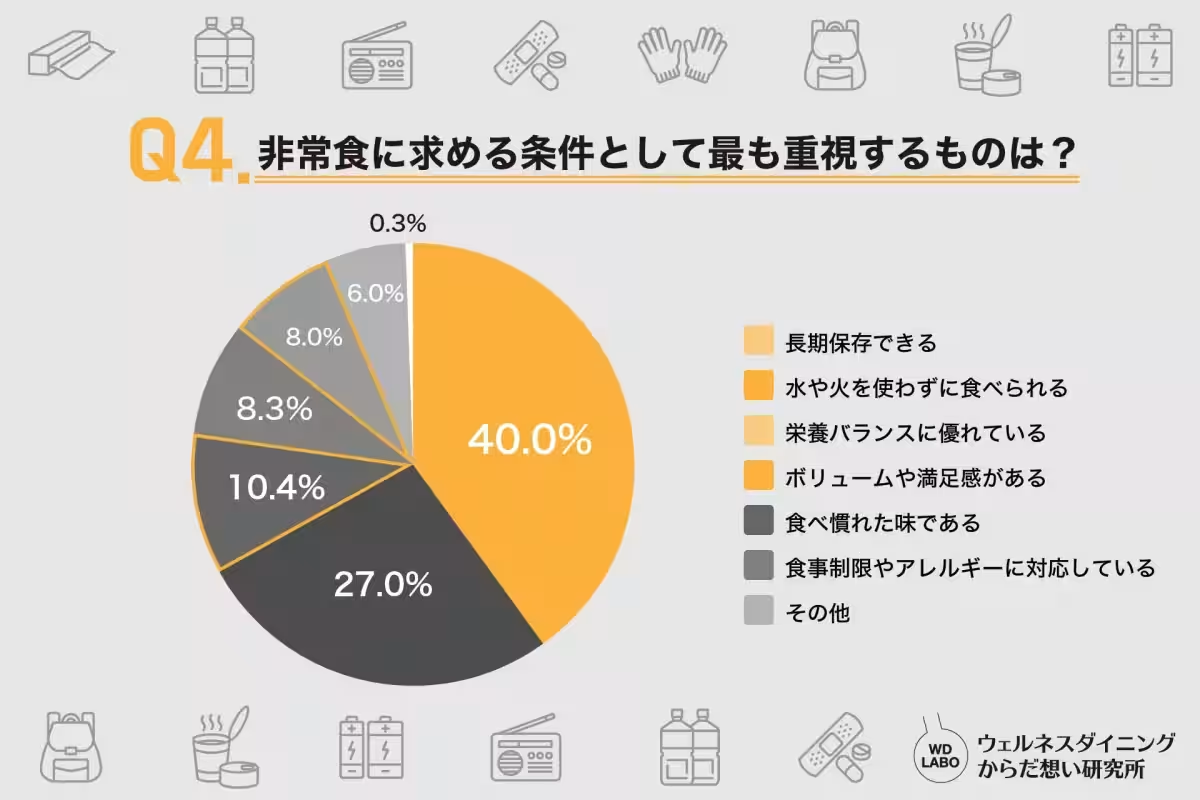
- When it comes to requirements for emergency food, 40% valued the ability to store food long-term, while 27% prioritized food that can be consumed without water or heating. Furthermore, there was a notable interest in food that offers nutritional balance and caters to dietary restrictions, showcasing a shift towards emphasizing health even amid crisis.
5. Rolling Stock Awareness
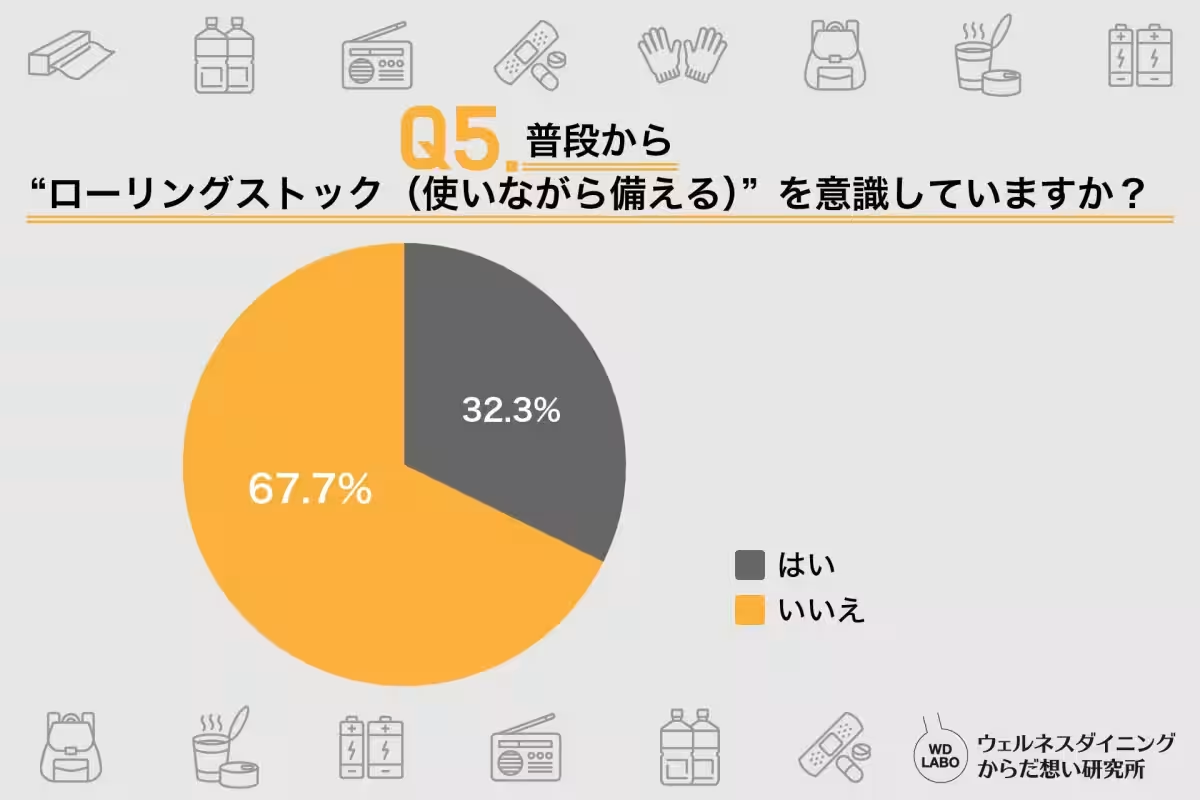
- Surprisingly, only 32.3% of participants actively practiced a rolling stock system — a method of using and replenishing supply on a regular basis. This highlights a lack of integration of emergency preparedness into daily life, suggesting that many are not fully engaged in ensuring their food supplies are both adequate and readily available.
Bridging the Preparedness Gap
The survey reveals a concerning gap between the public’s acknowledgment of disaster preparedness and their actual readiness. While interest in food preparedness is growing, the reality is far less encouraging. Questions such as “How much should one prepare?” and “Can warm food be provided?” remain paramount. The individual circumstances of families—including health conditions and dietary restrictions—complicate decision-making when it comes to effective disaster supply planning.
Disaster planning cannot be a one-size-fits-all approach. It involves understanding personal needs and what assures a sense of safety for oneself and one’s loved ones. Recognizing that there isn’t a universally correct answer when it comes to disaster preparedness is crucial for effective individual planning.
In conclusion, this survey serves as a vital reminder of the importance of reevaluating one’s disaster preparedness strategy, particularly regarding food supplies. The goal is not merely to stockpile food but rather to thoughtfully consider what will encourage wellness and security during tense times.
About Wellness Dining
Based in Sumida, Tokyo, Wellness Dining aims to support healthy eating through specialized meal delivery services that cater to dietary needs and ensure that clients can enjoy their meals regardless of health constraints. The company emphasizes not just the sale of meals but also fosters a supportive environment where nutritional counseling is a priority with the ambition of becoming the leading provider of nutritional advice in Japan.
For more information about Wellness Dining, please visit their website: Wellness Dining
Topics Health)
【About Using Articles】
You can freely use the title and article content by linking to the page where the article is posted.
※ Images cannot be used.
【About Links】
Links are free to use.