



Over 80% of Marine Sports Participants Experience Back Pain! Investigating the Challenges Faced by Enthusiasts
The Hidden Challenge of Marine Sports: Back Pain
A recent survey conducted by Nonaka Back Pain Clinic has unveiled a striking fact: 80% of marine sports enthusiasts report experiencing back pain. This statistic highlights not just the joys of activities like surfing, stand-up paddleboarding, and snorkeling, but also the unseen toll they take on our bodies.
The Study Overview
The Nonaka Back Pain Clinic, with locations in Osaka and Tokyo, undertook a comprehensive study from August 29 to September 1, 2025. Targeting individuals aged 20 to 60 who engage in marine sports at least once a year and have experienced back pain, the survey aimed to understand the correlation between ocean activities and back-related issues. A total of 1,022 participants shared their experiences.
Survey Findings
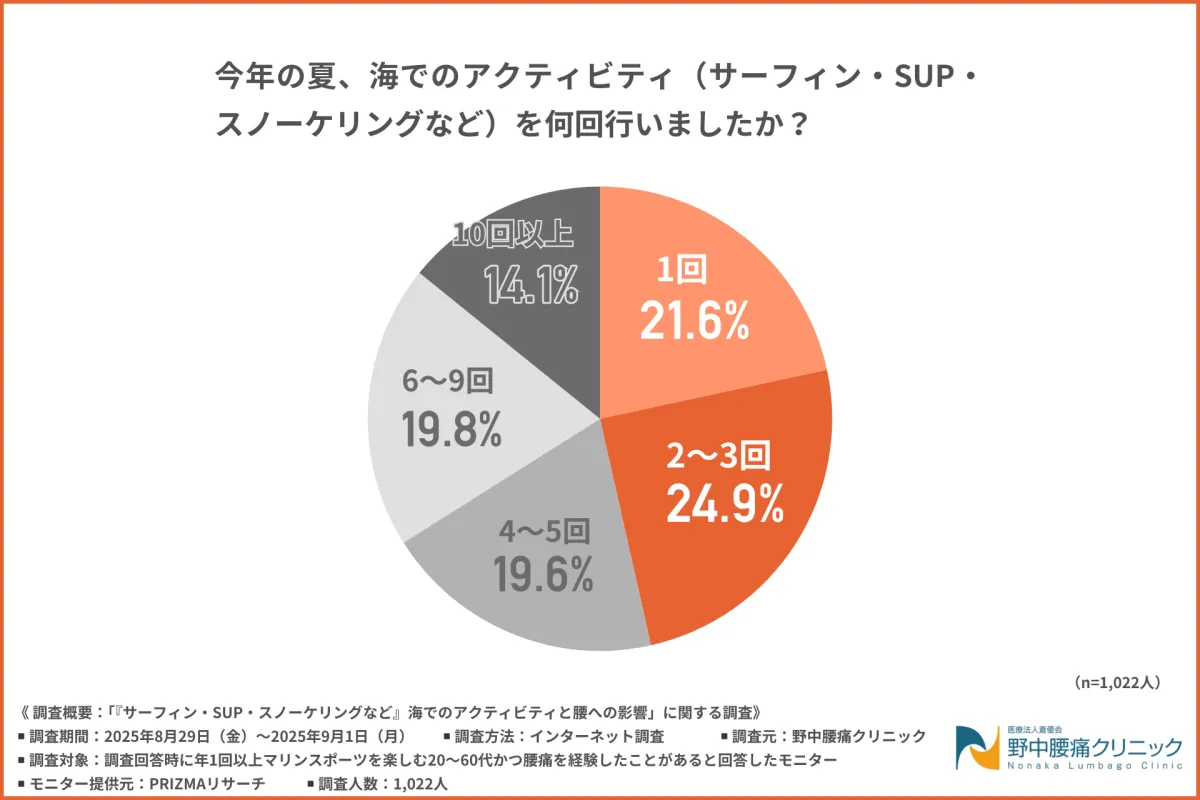
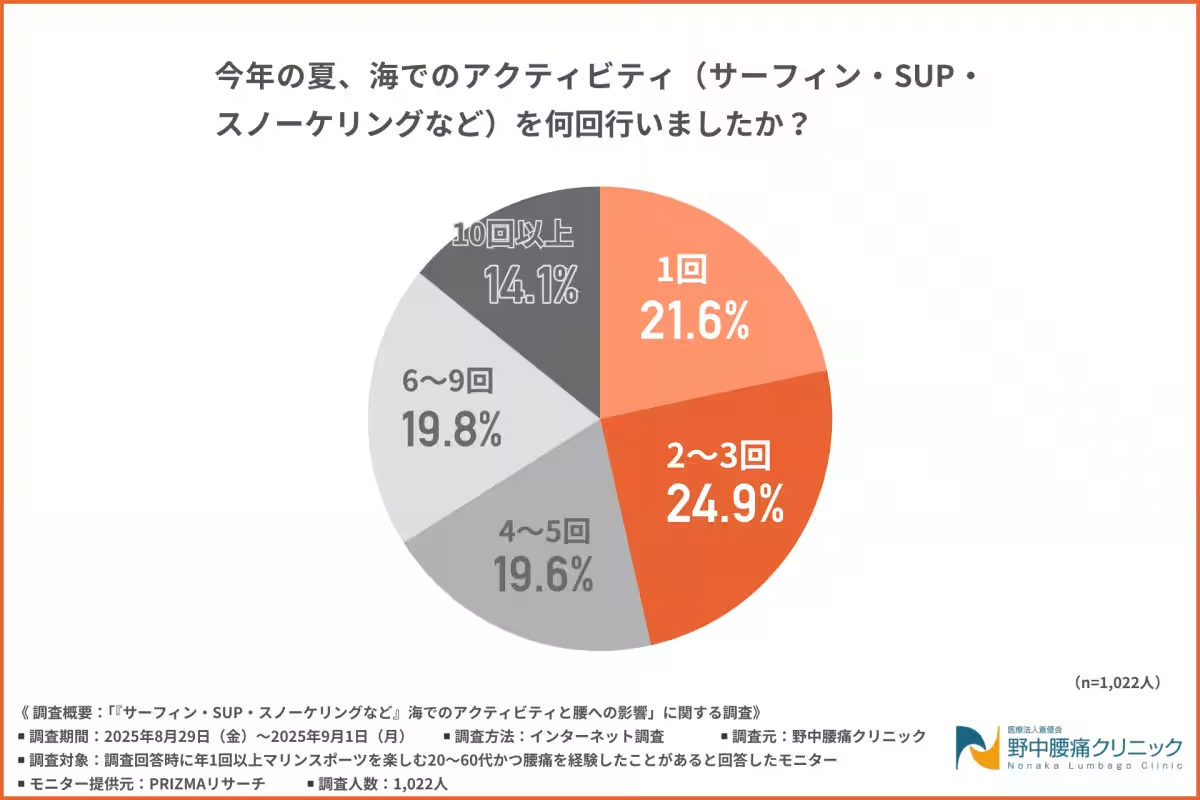
According to the responses, the majority of participants enjoyed marine activities during the summer. Here’s a breakdown of how many times they engaged in these activities:
- - 1 time: 21.6%
- - 2-3 times: 24.9%
- - 4-5 times: 19.6%
- - 6-9 times: 19.8%
- - 10 times or more: 14.1%
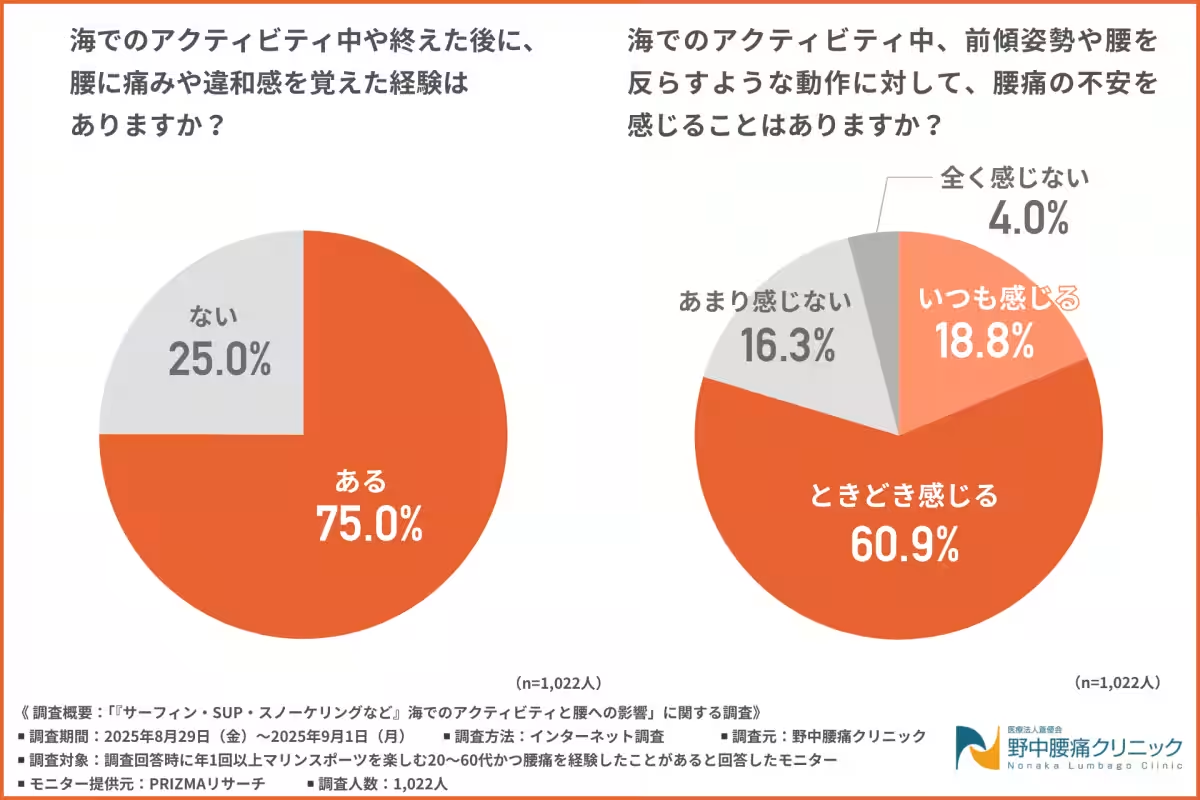
Notably, about 75% of respondents indicated that they have experienced back pain or discomfort post-activity. This emphasizes the physical demands marine sports place on our bodies, particularly the spine.
Common Concerns
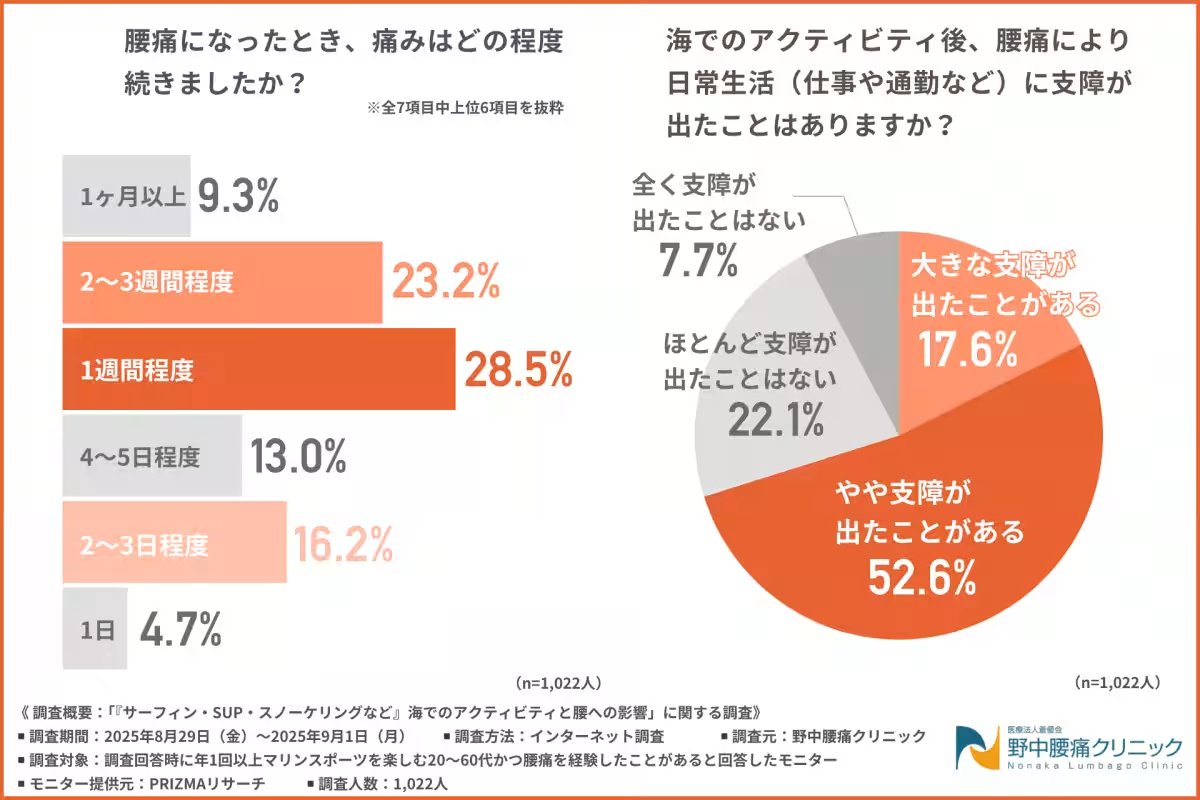
When asked about their awareness of back pain during marine activities, a staggering 80% of participants indicated that they frequently or occasionally feel back pain during movements that require bending or arching. This level of discomfort is particularly concerning, as more than a third reported that pain persists for upwards of a week.
Impact on Daily Life
The implications of these back problems extend beyond the water. About 70% of respondents admitted to experiencing daily life disruptions due to back pain. This includes:
- - Significant disruptions (17.6%): needing to take time off work or visit a doctor.
- - Mild disruptions (52.6%): struggling to focus at work or finding certain movements painful.
Such findings underscore how marine sports, while enjoyable, can severely affect one's quality of life.
Prevention and Care
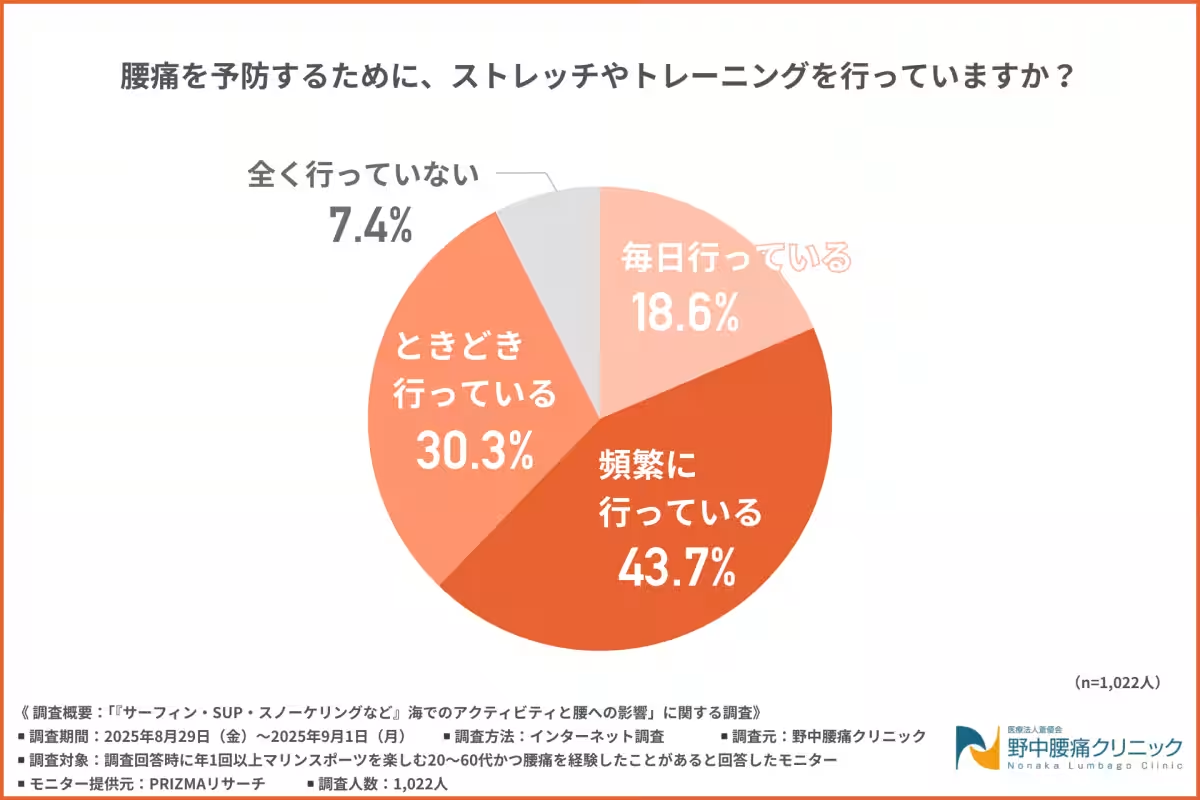
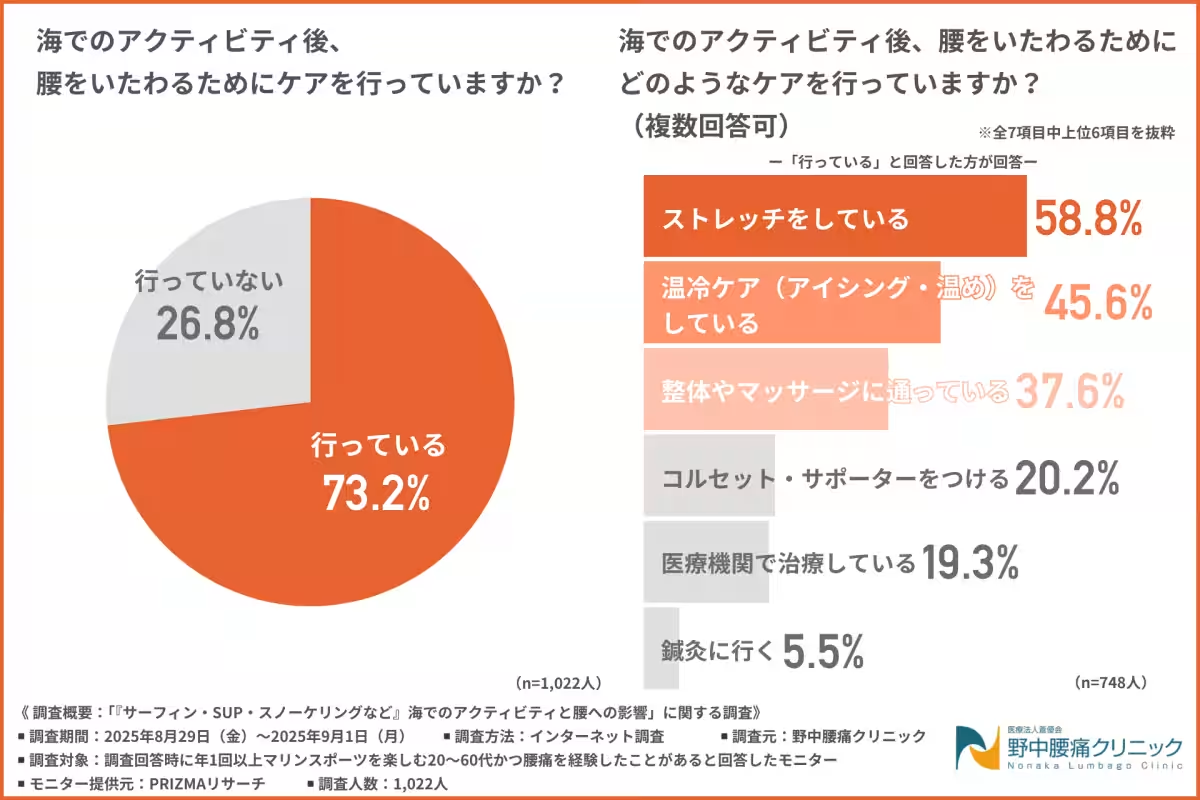
In light of these challenges, approximately 90% of participants reported engaging in preventive measures like stretching and training aimed at reducing the risk of back pain. Among these, around 73.2% focus on active recovery strategies after engaging in marine sports. The most popular methods include:
- - Stretching: 58.8%
- - Cold and heat therapy: 45.6%
- - Chiropractic or massage therapy: 37.6%
Taking Precautions
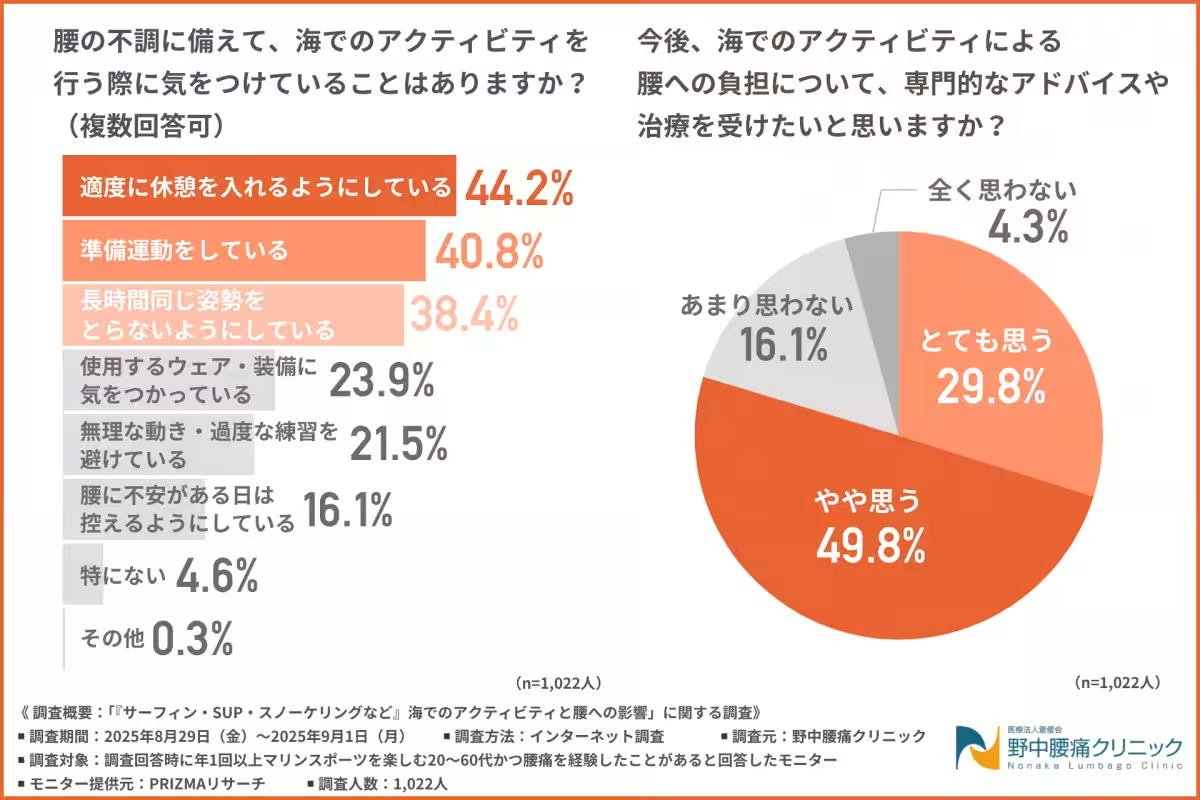
Furthermore, participants cited precautionary measures when engaging in marine sports, including taking regular breaks (44.2%), warming up (40.8%), and avoiding prolonged periods of the same posture (38.4%). This suggests a growing awareness of the physical toll these activities can take.
The Call for Expert Advice
When asked if they feel the need for professional advice or treatment regarding back pain from marine activities, nearly 80% of participants responded positively. This strong inclination toward seeking professional help highlights an urgent need for guidelines and support for those engaged in marine sports.
Conclusion: Balancing Fun with Safety
This investigation sheds light on the dual nature of marine sports—the thrill they provide alongside the serious consideration of their impact on back health. With a significant percentage of participants acknowledging the pain, there's an evident necessity for preventive strategies and potential medical intervention.
If you are actively participating in marine sports and dealing with back issues, consider reaching out to Nonaka Back Pain Clinic. Their specialized, non-surgical treatments are designed to support effective recovery and sustainable participation in the activities you love.
For further details, visit their official website at Nonaka Back Pain Clinic.

Topics Health)

【About Using Articles】
You can freely use the title and article content by linking to the page where the article is posted.
※ Images cannot be used.
【About Links】
Links are free to use.