



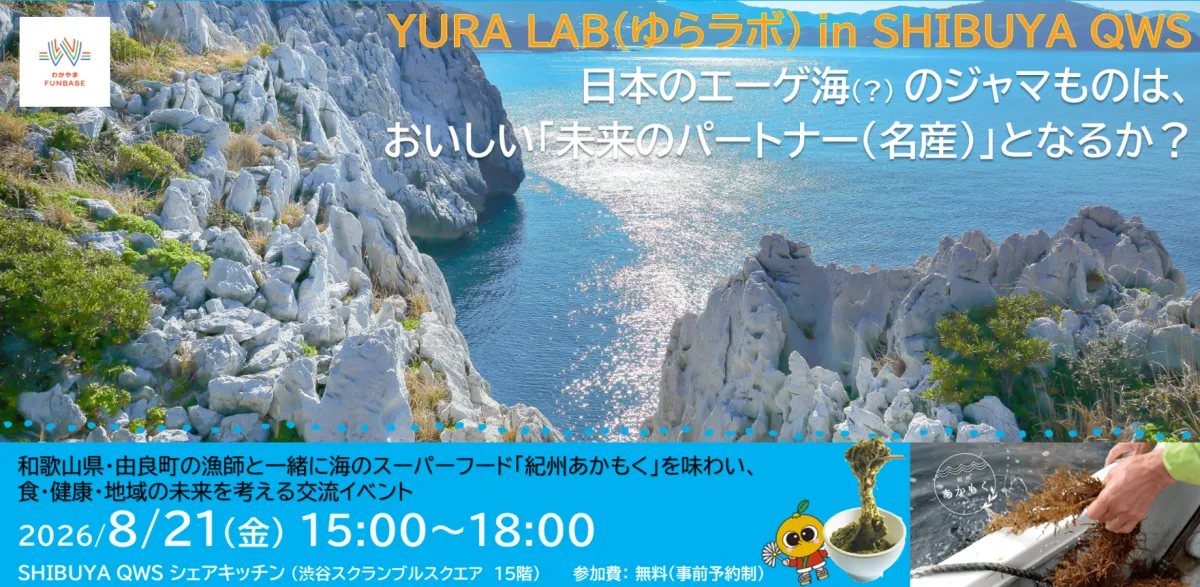
Innovative Event Unveils New Potential of Wakayama's Seaweed ‘Akamoku’
Exploring New Horizons for Akamoku: A Seaweed with Potential
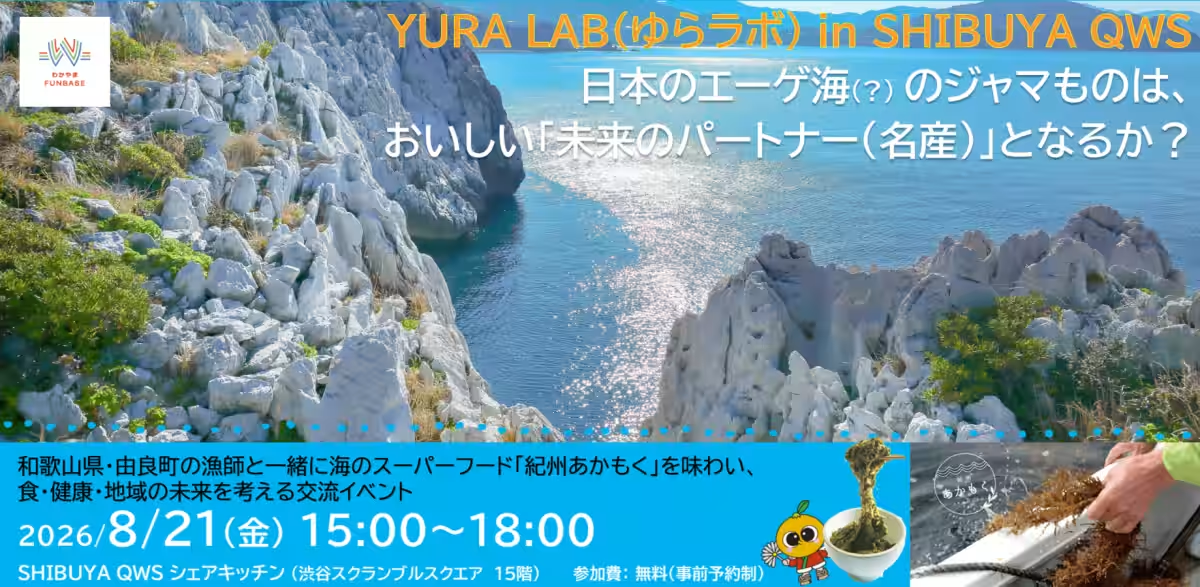
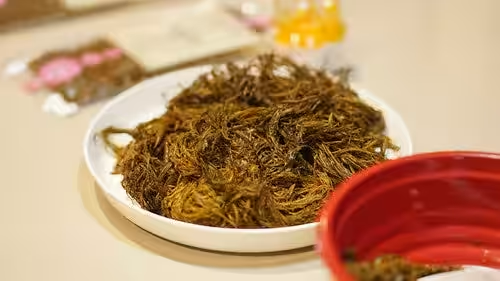
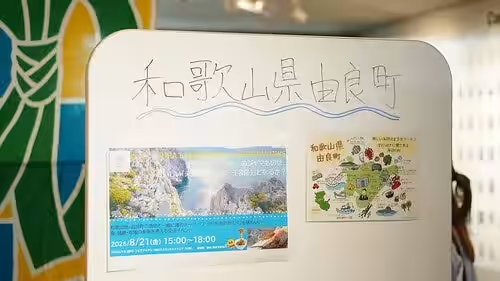
In recent years, innovative culinary practices have sparked the imagination of chefs and food enthusiasts alike. A notable event took place on August 21, 2026, hosted by Wakayama Prefecture's Yura Town and SHIBUYA QWS in Tokyo, where approximately thirty creators, chefs, and businesses gathered to rethink the use of the local seaweed, ‘Akamoku.’ Once considered a nuisance to fishermen, Akamoku is now being celebrated for its outstanding nutritional properties, positioning it as a sustainable superfood.
The Journey from Nuisance to Treasure
Nestled in the central part of Wakayama Prefecture, Yura Town is blessed with stunning coastal views and a thriving fishery. Historically, Akamoku, known locally as ‘Jama-moku,’ tangled with fishing nets, earning the undesirable reputation of a pest amongst local fishermen. Yet, a passionate initiative began to transform this perceived burden into a community asset. Researchers found that Akamoku is rich in minerals, dietary fiber, and fucoidan, boasting a unique texture that makes it particularly enjoyable.
The fishermen’s commitment to processing and marketing Akamoku culminated in the creation of the regional brand ‘Kishu Akamoku,’ and it is now cherished as a local delicacy known as Akamoku Don. Furthermore, in partnership with Kinki University, a skincare line ‘Acura’ was launched, tapping into the natural beauty benefits of Akamoku. With the aim of elevating this unique product’s profile on city dining tables, the recent event at SHIBUYA QWS encouraged participants to brainstorm novel consumption methods and marketing strategies for Akamoku.
Designing Future Possibilities
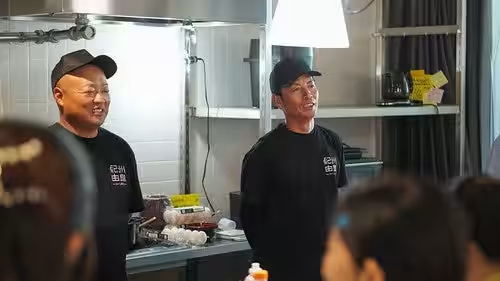
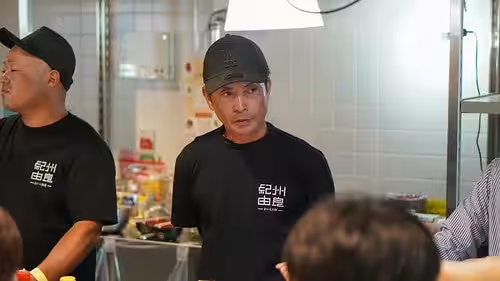
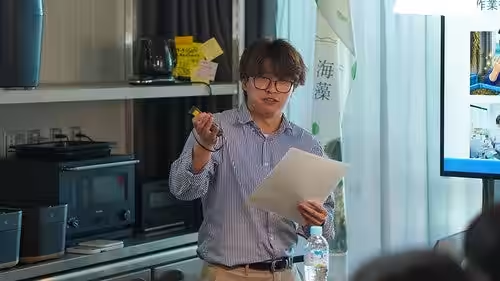
The event featured two main segments. The first segment involved an informative session where key figures from the Kishu Akamoku Association shared their journey and expertise. Makun Ichikawa, a prominent fisherman, and Hiro Hamada, a skilled diver, elaborated on the rigorous, labor-intensive process of harvesting and processing Akamoku, emphasizing its sustainable significance despite its low recognition in urban areas.
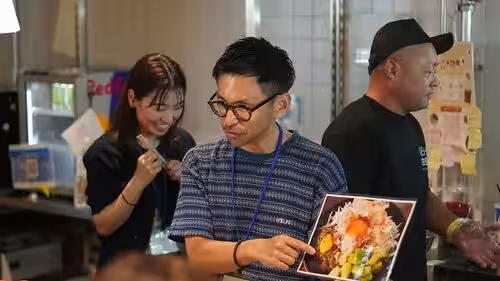
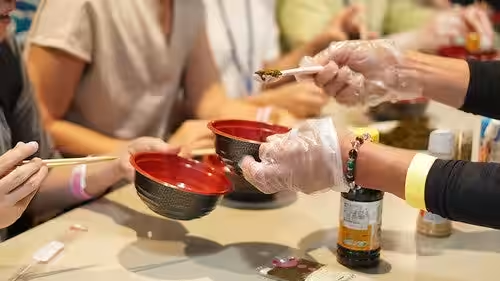
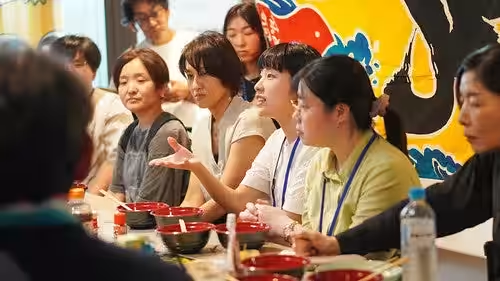
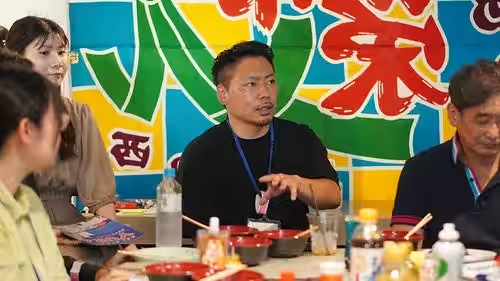
The second segment was a hands-on workshop held in SHARE KITCHEN at QWS, where participants tasted Akamoku prepared with various condiments including traditional ponzu and unique blends like sesame oil and steak sauce. The dialogue ignited vibrant ideas such as creating a ‘Tsumega Mikan Akamoku Ponzu’ which would utilize surplus citrus from the area, promoting sustainable product development by minimizing waste.
Participants also devised unconventional promotional strategies, for example, collaborating with a guerilla cooking group to create a pop-up diner experience featuring Akamoku dishes served directly in urban spaces, embedding the concept of fresh, urban dining into the fabric of city life. Home meal kits featuring Akamoku combined with local fish were suggested to simplify access to these healthy ingredients.
As the discussions progressed, an array of concepts emerged, beckoning future culinary trends. Suggestions ranged from leveraging Akamoku’s texture in saucy winter soups to developing local-style tempura and creating hearty vegan dumplings. A culinary exploration led to potential new dishes and varied routes of product availability.
The Impact of Collaboration
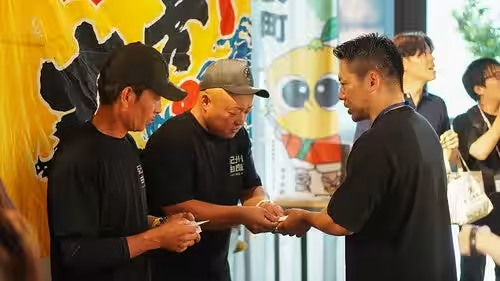
The event wound down with an informal networking session allowing participants to engage in rich dialogue with the fishermen and share insights about the future of both Yura’s fishing practices and the direction for Akamoku products. Feedback showcased appreciation for Akamoku’s versatility not only in the classroom of culinary arts but also as a community emblem promising to shine in the eyes of consumers.
Makun Ichikawa emphasized the collaborative spirit fostered through the event: “My understanding of serving Akamoku has shifted drastically; simplicity has been highlighted today. The insights on new dishes provide exciting avenues for our future product developments.”
Additionally, QWS Community Manager Takao Yoneyama acknowledged this endeavor as indicative of a dynamic convergence between traditional resources and modern marketing needs. “Events like these help us unlock hidden potential within local ingredients,” he mentioned, reinforcing the crucial role of collaboration in unveiling community treasures.
Conclusion
Moving forward, the ideas generated during the workshops will be further refined by the Yura Town Industrial Promotion Division and the Kishu Akamoku Association, advancing product development towards a sustainable future. With concerted efforts, ‘Akamo-kun’ is poised to rise from the depths of obscurity and take a prominent place in the cuisine and culture of Japan while preserving the rich heritage of Yura Town.
This is not merely about reviving a forgotten seaweed; it's about synergizing community identity and culinary innovation, propelling Yura Town into the spotlight of Japanese gastronomy.
For more inquiries regarding Wakayama Prefecture and the Kishu Akamoku Association, visit their official websites to explore the ongoing journey of transformation in local flavours and sustainable practices.
Topics Consumer Products & Retail)








【About Using Articles】
You can freely use the title and article content by linking to the page where the article is posted.
※ Images cannot be used.
【About Links】
Links are free to use.