



The Rising Risk of Electrical Accidents at Solar Power Plants Due to Typhoons: A Wake-Up Call
The Increasing Threat of Electrical Accidents at Solar Power Plants Due to Typhoon Activity
As natural disasters become more frequent, electrical accidents at solar power plants during typhoons have emerged as a significant concern. A recent report from the National Institute of Advanced Industrial Science and Technology (NITE) reveals that for every three electrical accidents at solar energy facilities caused by typhoons, one incident resulted in damage to third-party properties. This damaging trend highlights the urgent need for proper safety measures and preparedness in the face of increasingly unpredictable weather patterns.
Understanding the Statistics
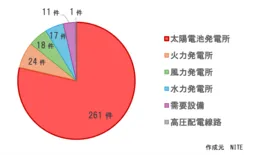
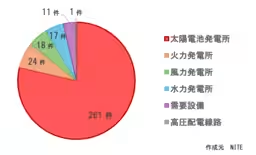
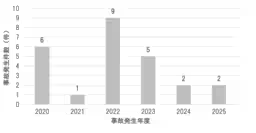
Data collected from 2020 to 2025 indicate that there were 332 recorded electrical accidents attributed to natural disasters, with an overwhelming 261 incidents occurring at solar power plants. This disproportionate figure can be explained by the outdoor nature of solar installations and their susceptibility to adverse weather.
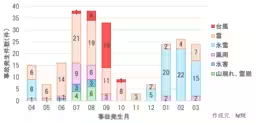
Interestingly, while the overall proportion of typhoon-related incidents is not alarmingly high, the month of September has emerged as a peak period for such events. This means solar power plant operators must remain particularly vigilant during this time to prevent potential disasters.
Increased Risk of Third-Party Damage
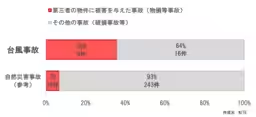
NITE's analysis shows that within typhoon-related electrical accidents, a striking 36% resulted in damage to neighboring properties due to factors like solar panel debris or landslides. In contrast, overall natural disaster-related electrical accidents historically yield a much lower percentage of third-party damages, suggesting that typhoons pose a unique and critical risk.
Recent Typhoon Accident Case Studies
To illustrate the real-world implications of typhoon-related accidents, here are some notable incidents:
1. Damage to Rooftop Solar Panels
In September 2025, strong winds tore off several solar panels from a rooftop installation, causing significant damage and cable disconnections. Regular inspections had occurred; however, the severity of the winds exceeded expectations.
2. Tornadic Winds Causing Destruction
In August 2024, a tornado during a typhoon caused multiple solar panels and their mounting structures to be swept away. This incident highlighted the extreme force of winds associated with such weather events.
3. Panels Flying Off Site
In August 2023, two solar panels were dislodged by high winds from their installation site. One panel was reported to have flown into a nearby river. Experts suggested that improper attachment likely contributed to the panel's detachment.
4. Flooding and Fire Accidents
In September 2022, unexpected heavy rainfall during a typhoon led to flash flooding and subsequent fire incidents at a solar plant, due to water submerging critical electrical equipment. This incident underscores the potential hazards from both flooding and the failure of equipment under extreme conditions.
NITE's Ongoing Inspections and Findings
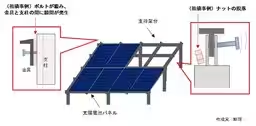
Since 2021, NITE has been actively conducting inspections of solar power plants to ensure compliance with electrical safety regulations. Recent findings from these inspections have revealed concerning issues related to typhoon preparedness, including faulty panel fixtures, loose bolts, and gaps in the installation that could allow damage.
To mitigate risks from typhoons, operators are strongly urged to improve their safety protocols. Essential pre-typhoon measures include:
- - Regular inspections and tightening of panel fixtures and mounts.
- - Establishing emergency contact systems and operational guidelines.
- - Ensuring effective drainage systems are in place to prevent flooding.
Post-Typhoon Protocols
After encountering a typhoon, timely inspections of all solar installations are critical to assess for any damage proactively. Operators should always prioritize the safety of themselves and their staff, ensuring thorough checks before restoring operations.
Moreover, establishing a post-incident remediation strategy and improving the design of mounting systems can also enhance resilience against future weather events.
Conclusion
The alarming rise in electrical accidents related to solar power plants during typhoons serves as a vital reminder for the industry. Operators must stay educated about risks and remain diligent in the pursuit of robust safety measures to protect not only their assets but also neighboring communities. Continuous improvements and preparedness for natural disaster scenarios will ultimately lead to safer installations and greater public confidence in solar energy’s promise.
Topics Energy)
【About Using Articles】
You can freely use the title and article content by linking to the page where the article is posted.
※ Images cannot be used.
【About Links】
Links are free to use.