



Is Mother's Day a True Tradition? Insights from Recent Survey Reveal Surprising Stats
Is Mother's Day a True Tradition?
Every year in May, people around the world celebrate Mother's Day, often marked by the giving of carnations and heartfelt messages of gratitude. However, how this day is observed can vary widely based on various factors, including age and lifestyle. A recent survey conducted by For-It Co., the developers of the affiliate platform afb, sought to explore these differences.
About the Survey
The survey involved 500 individuals aged 20 to 60 from across the country, collecting data on how they celebrate Mother's Day. The study was conducted using online research methods on March 2, 2026, and included questions that aimed to assess both the givers and receivers of Mother's Day gestures.
Respondent Demographics:
- - Recipient Side: Women aged 20 to 69 with children
- - Giver Side: Men and women aged 10 to 59
Survey Findings: Annual Participation Rates
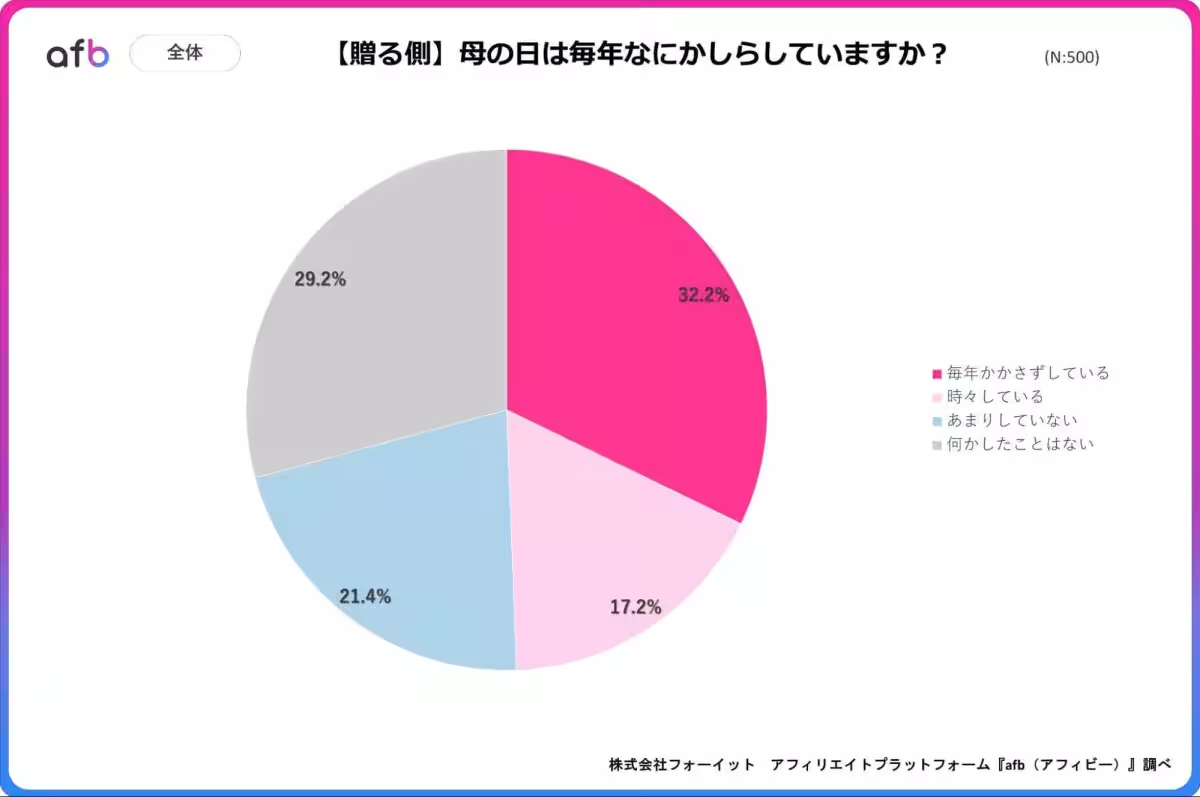
When respondents were asked, "Do you do anything for Mother's Day every year?" a notable 32.2% confirmed they participate regularly, while 29.2% admitted to never having done anything. In contrast, 21.4% stated that they occasionally acknowledge the day.
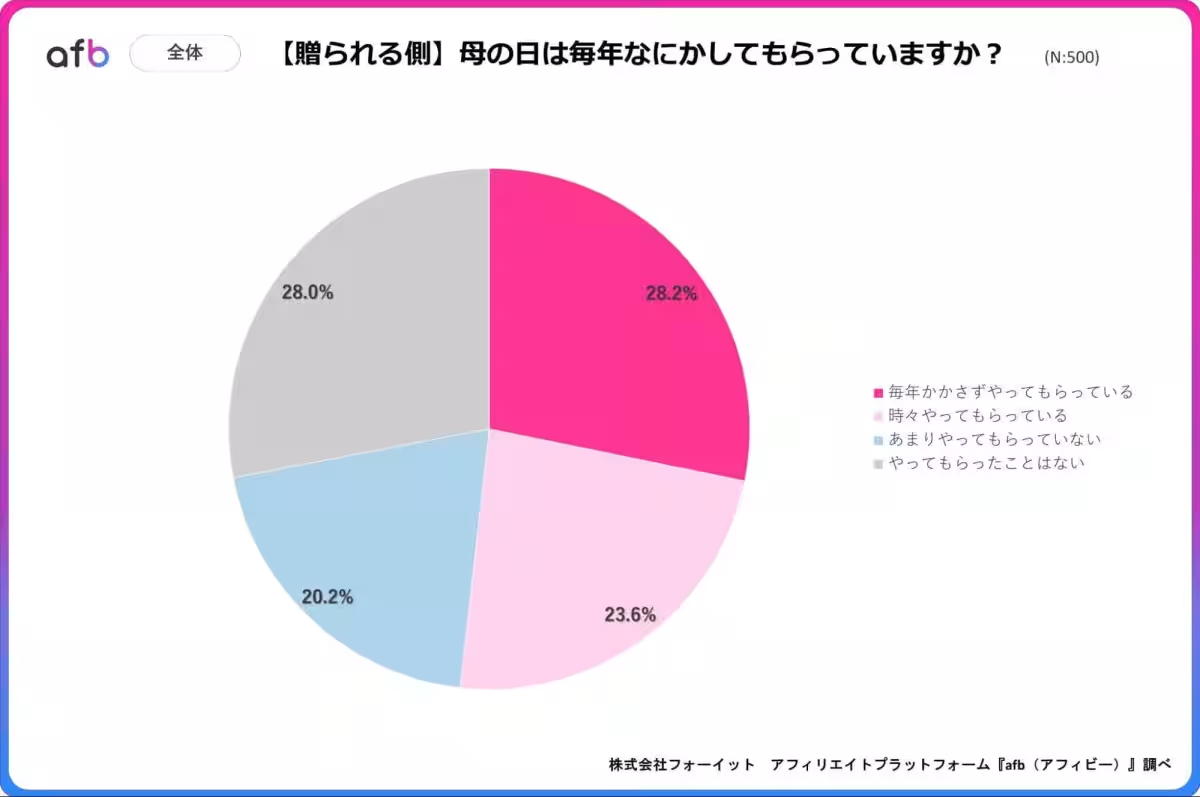
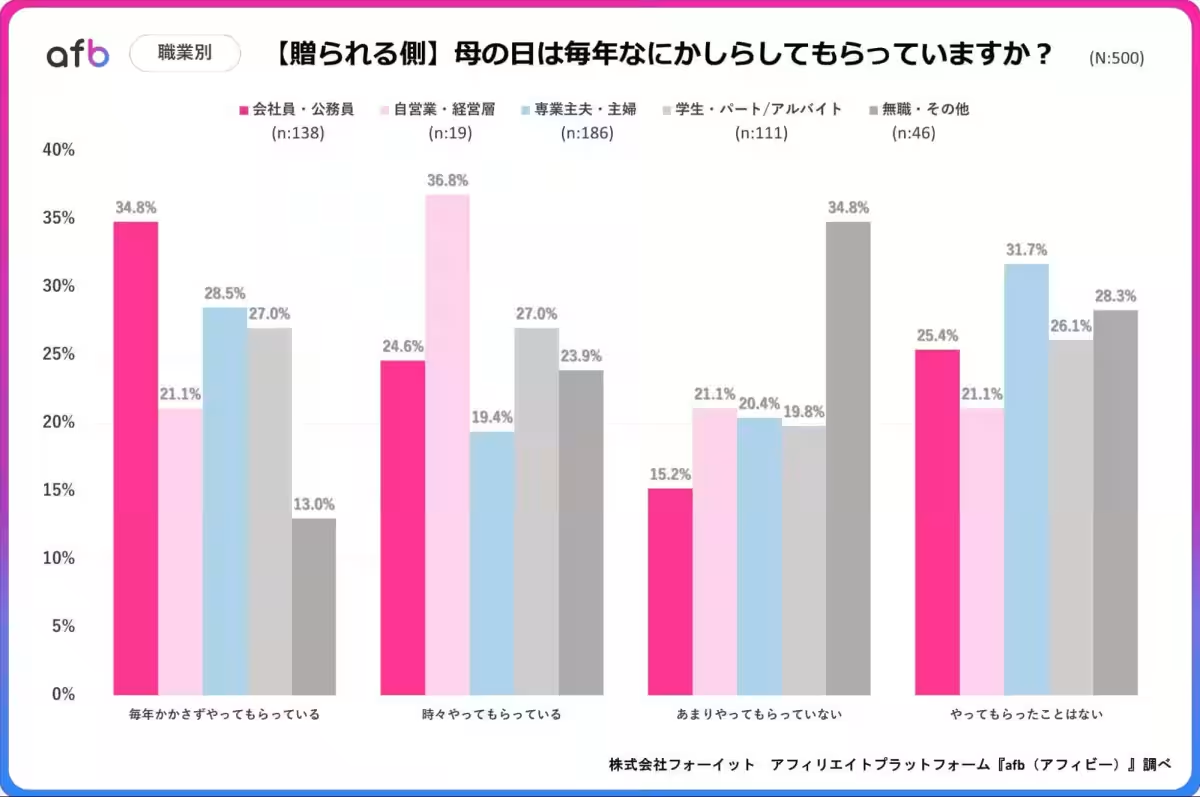
On the other hand, when the same question was posed to mothers about receiving gestures, 28.2% reported that they are consistently celebrated while 28.0% indicated they have never received any recognition for Mother's Day. This suggests a disconnect between expectation and reality, with a sizable portion of individuals remaining uninvolved in this yearly tradition.
Age and Participation Trends
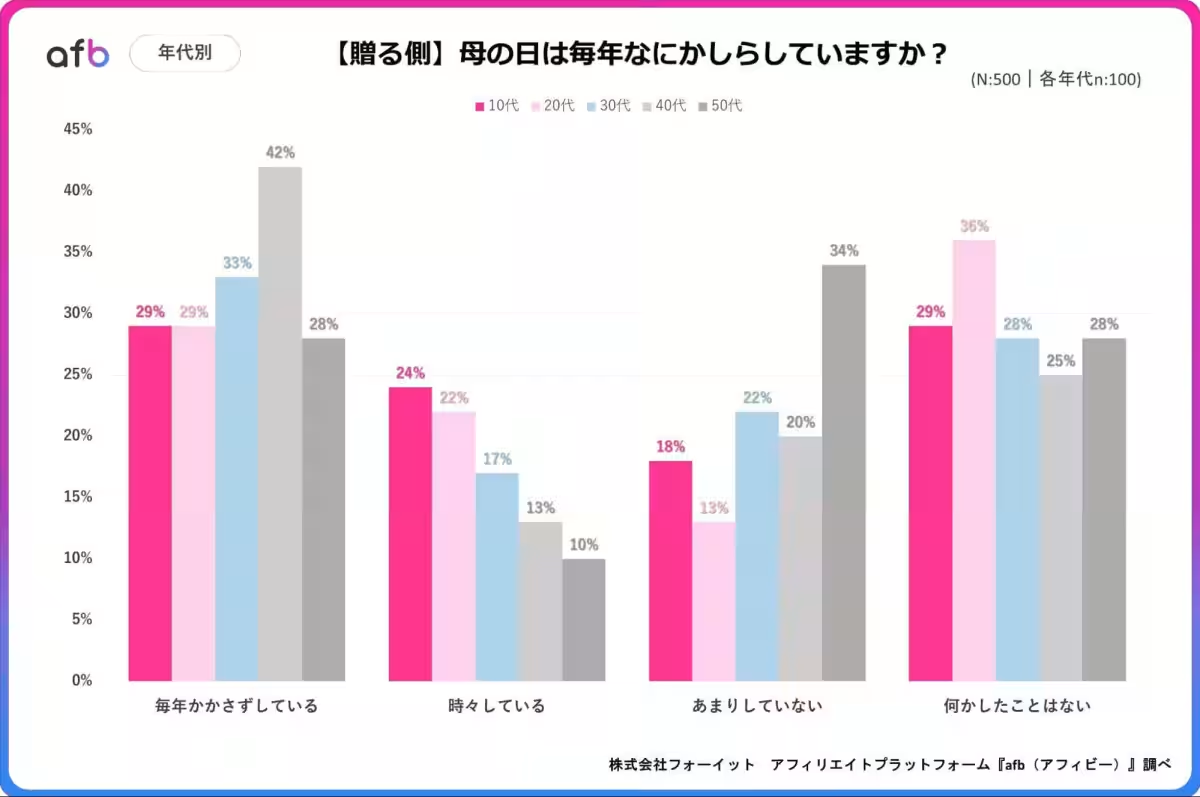
The survey further highlighted generational differences in participation. Among the givers, those aged 40 to 50 displayed the highest rates of consistent celebration, particularly in their 50s, where participation reached 42%. This trend likely reflects their heightened appreciation for their own parents and the financial and temporal resources available to them. Conversely, those in their 20s reported higher instances of irregular participation or total inactivity.
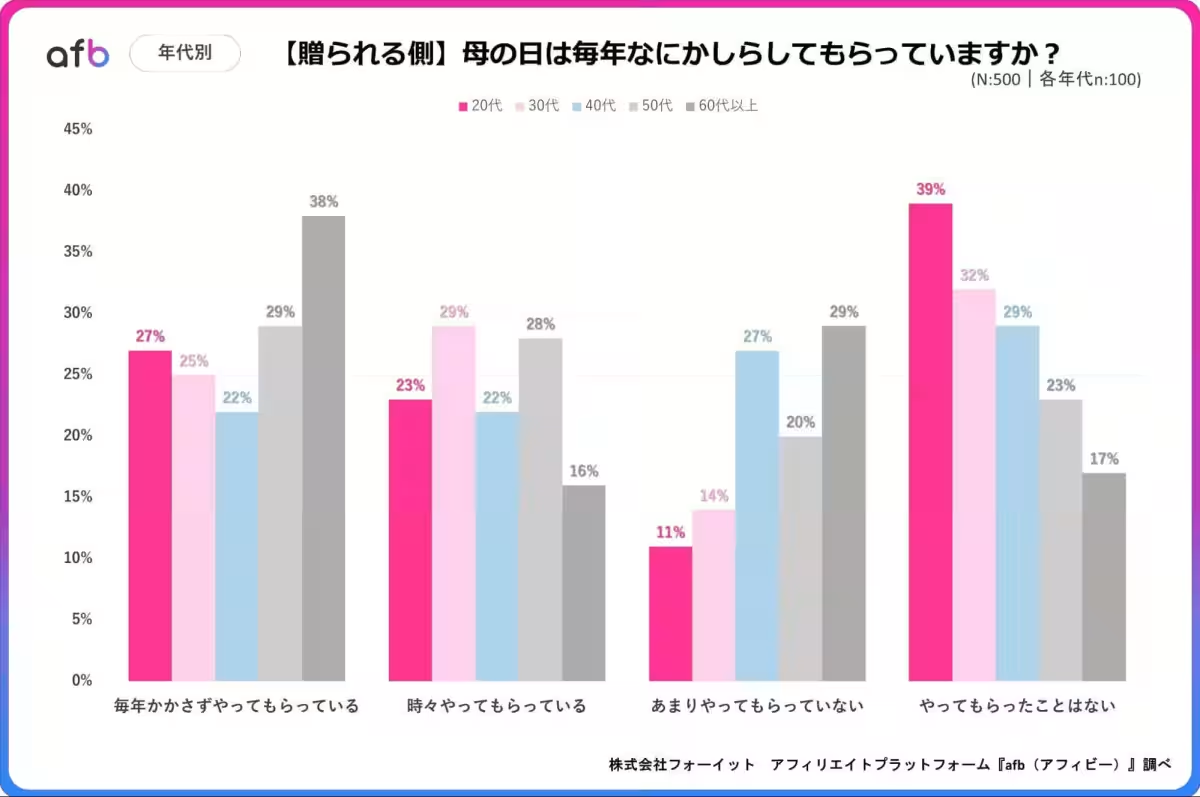
For the receivers, mothers aged 60 and above noted an increase in consistent acknowledgment of Mother's Day, rising to 38%. The shift suggests that as children enter adult life, their understanding and observance of the holiday evolve, enhancing their recognition of their mothers.
Marriage Status and Celebration Involvement
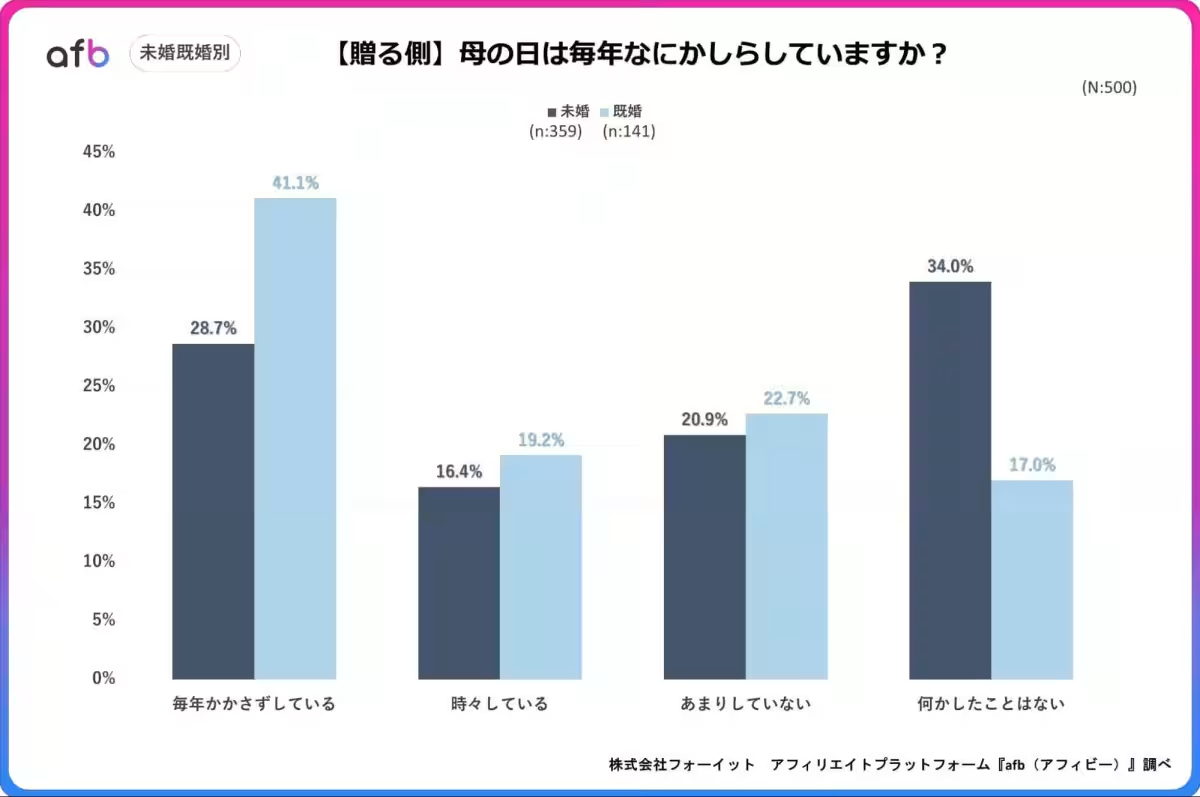
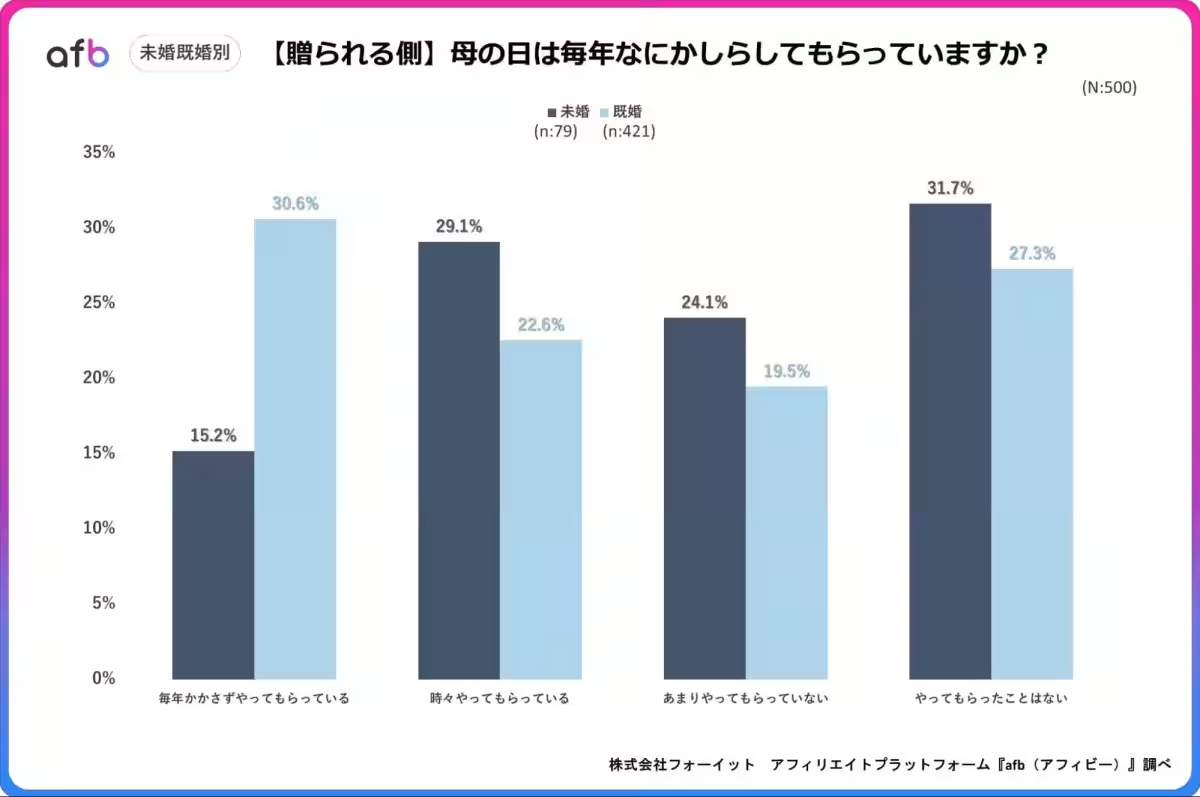
The survey results indicated stark contrasts based on marital status. For givers, a significant 41.1% of married individuals confirmed they celebrate every year, compared to their unmarried counterparts, where 34.0% reported never participating at all. This disparity suggests that marriage creates a stronger inclination towards recognizing familial traditions, especially when children are involved. Unmarried individuals often miss out on these familial celebrations, given their lifestyle choices or living arrangements. For mothers, 30.6% of those married reported being consistently acknowledged on Mother's Day, a figure notably higher than that of their unmarried peers.
Employment Status Impact
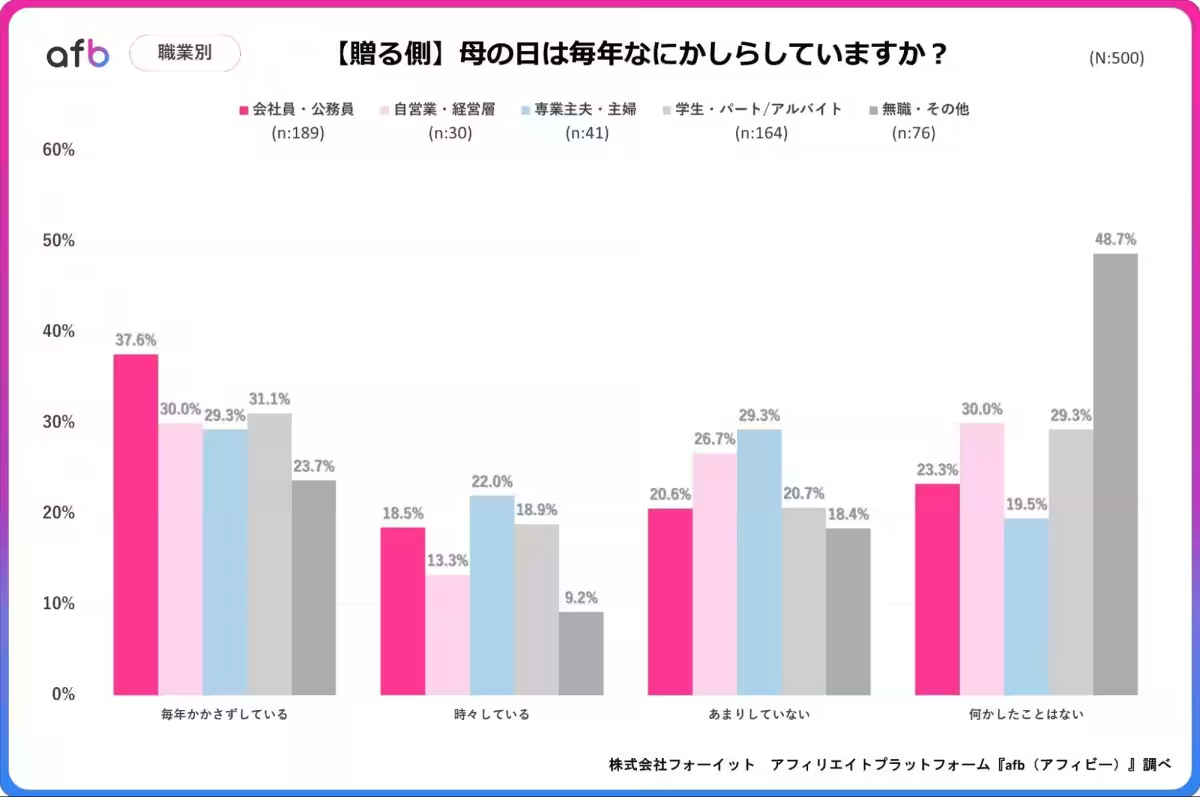
Exploring the respondents' employment status revealed further insights. Among givers, 37.6% of employees claimed consistent celebration. In contrast, those unemployed or studying exhibited a significantly higher rate of non-participation, with nearly 48.7% declaring they have never engaged in Mother's Day activities at all. The reasons behind this could relate to financial constraints or the prioritization of family-centered events in their lives.
Conclusion
Overall, the survey paints a vivid picture of how Mother's Day is observed across various demographics. What emerges is a clear pattern: as individuals mature, their roles often transition from being givers to receivers, reflecting a natural evolution in family dynamics as life circumstances change. The insights gathered underscore the need for greater engagement and appreciation among the younger generation, while also highlighting the importance of familial ties that promote traditions like Mother's Day.

Topics People & Culture)
【About Using Articles】
You can freely use the title and article content by linking to the page where the article is posted.
※ Images cannot be used.
【About Links】
Links are free to use.