



Japan Green Investment Corp. Supports Solar Power Project by Shizen Energy
Japan Green Investment Corp. Supports Solar Power Project by Shizen Energy
In a notable step towards sustainability, the Japan Green Investment Corporation for Carbon Neutrality (JICN), led by President Yoshihiko Taniyoshi, has officially decided to support a solar power initiative spearheaded by Shizen Energy Corporation. The initiative, focusing on a solar power project specifically tailored for certain demand stakeholders, marks a significant move in the push for cleaner energy sources.
Overview of the Support
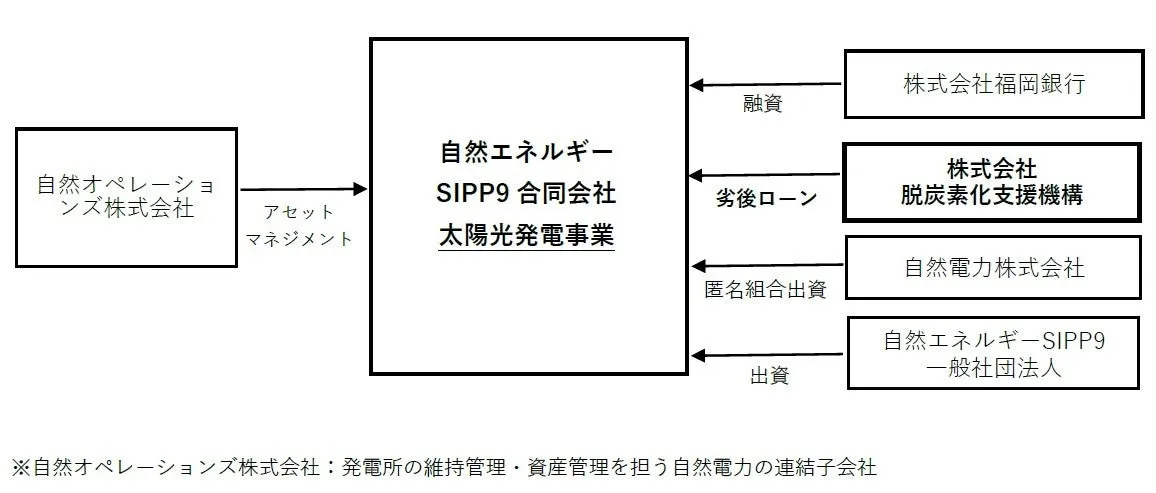
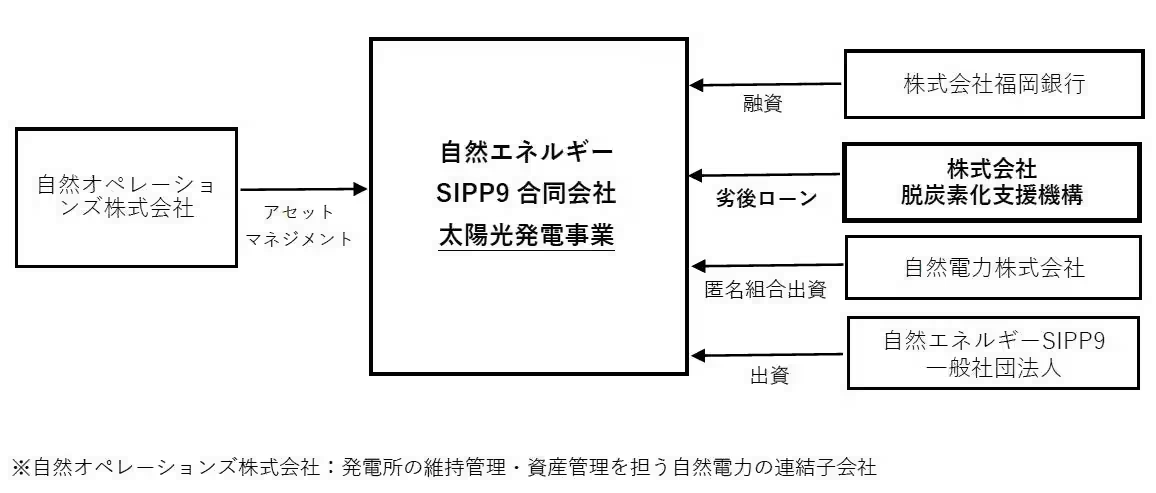
The JICN has provided a subordinated loan to fund this solar power project, with a total loan amount of 869 million yen. This financial backing demonstrates JICN’s commitment to fostering renewable energy solutions that contribute to the reduction of greenhouse gas emissions (GHG).
About Shizen Energy
Founded in June 2011, Shizen Energy, headquartered in Fukuoka City, is dedicated to the development and operation of renewable energy power plants. The company, represented by a trio of executives—Ken Iso, Kenji Kawato, and Masaya Hasegawa—has positioned itself as a leader in the renewable energy sector in Japan.
The solar power project aims to capitalize on land previously used for golf courses, repurposing it efficiently for energy generation. The initiative is designed to provide environmental values based on long-term contracts with specific demand stakeholders, promoting a sustainable, circular economy.
Environmental and Economic Significance
GHG Emission Reduction
The project will be located on a site that has transitioned from a golf course, which is crucial in minimizing both scenic and environmental impacts. By utilizing this land for solar energy production, the project is set to reduce dependence on traditional power sources, thus significantly cutting GHG emissions in the process.
Support Beyond FIT
What sets this endeavor apart is its independence from the fixed-price purchase system (FIT), a model that encourages increased adoption of renewable energy solutions. As such projects proliferate, they will likely lead to further expansion of renewable energy generation, reducing reliance on imported fossil fuels and thereby enhancing Japan's energy security.
Community and Regional Impact
The support from JICN also aligns with the regional financial landscape, spearheaded by Fukuoka Bank. By collaborating with local financial institutions, JICN aims to broaden the reach and scalability of similar renewable energy projects, leveraging long-term power purchase agreements. This collaboration promotes a robust landscape for future renewable energy financing, an essential aspect for nurturing subsequent projects and expanding the sector.
Also, as this project unfolds, JICN remains committed to maintaining transparency and collaboration with various stakeholders. JICN's mission is rooted in promoting diverse financing opportunities for various carbon-neutral projects, gathering important insights, and encouraging human resource development among industry players.
Looking Forward
As JICN continues to build partnerships and supply funding for a variety of projects aligned with carbon neutrality goals, the importance of transitioning to sustainable practices becomes increasingly evident. The solar power project led by Shizen Energy is a daily reminder of the collective effort required to ensure a thriving, sustainable future, both environmentally and economically. By marrying ecological needs with economic viability, this initiative not only represents a step forward in renewable energy production but also signifies the potential for a greener nation.
In conclusion, the advancements made by JICN and Shizen Energy herald a new era in Japan’s renewable energy landscape, showcasing the critical synergies between corporate responsibility, environmental stewardship, and innovative financing solutions.

Topics Energy)
【About Using Articles】
You can freely use the title and article content by linking to the page where the article is posted.
※ Images cannot be used.
【About Links】
Links are free to use.