



Nearly Half of New Car Buyers Prefer Cash Payments, Trends Show Divergence in Choices Below Income Thresholds
Insights on New Car Purchases and Payment Preferences
In a recent study conducted by Kuruka, which surveyed 1,076 participants who bought new cars within the last three years, interesting patterns emerged regarding payment preferences based on income levels. The findings suggest that while almost half of the buyers across income brackets ideally prefer cash payments, those earning below 5 million yen often find themselves relying on loans significantly more than they would like.
Cash Payments: A Common Ideal
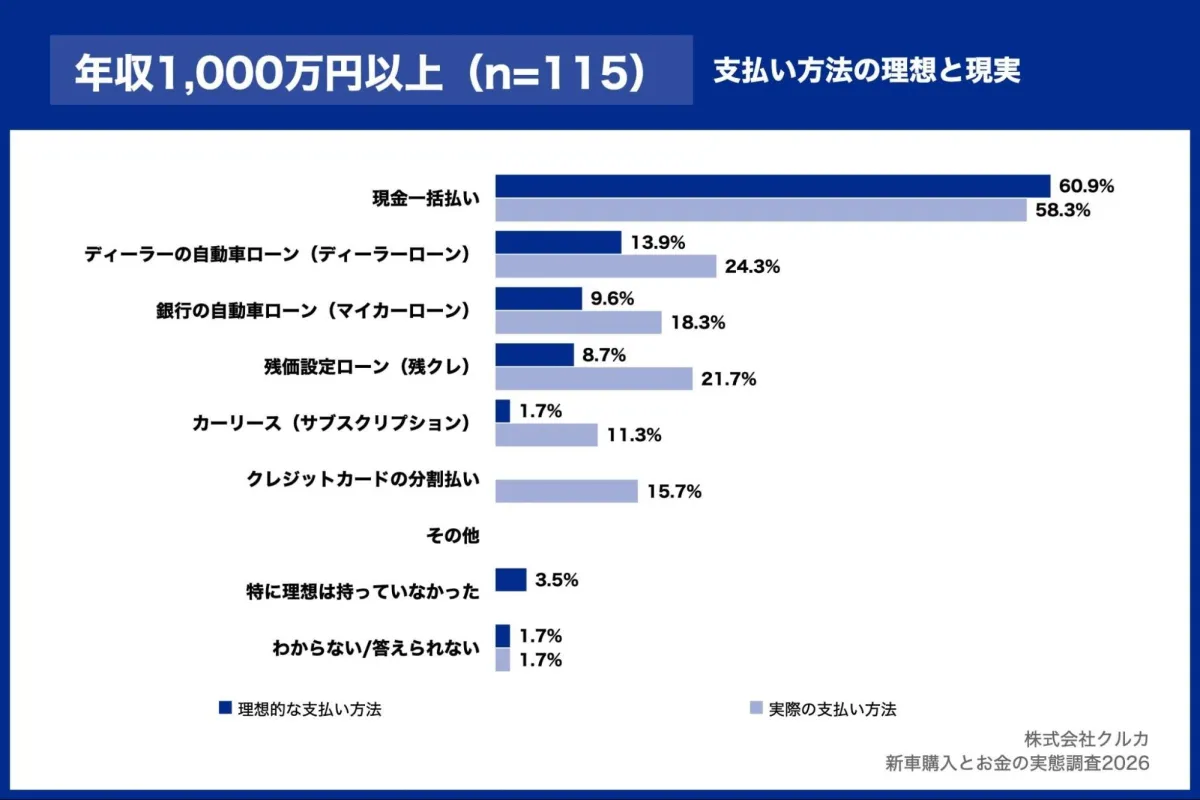
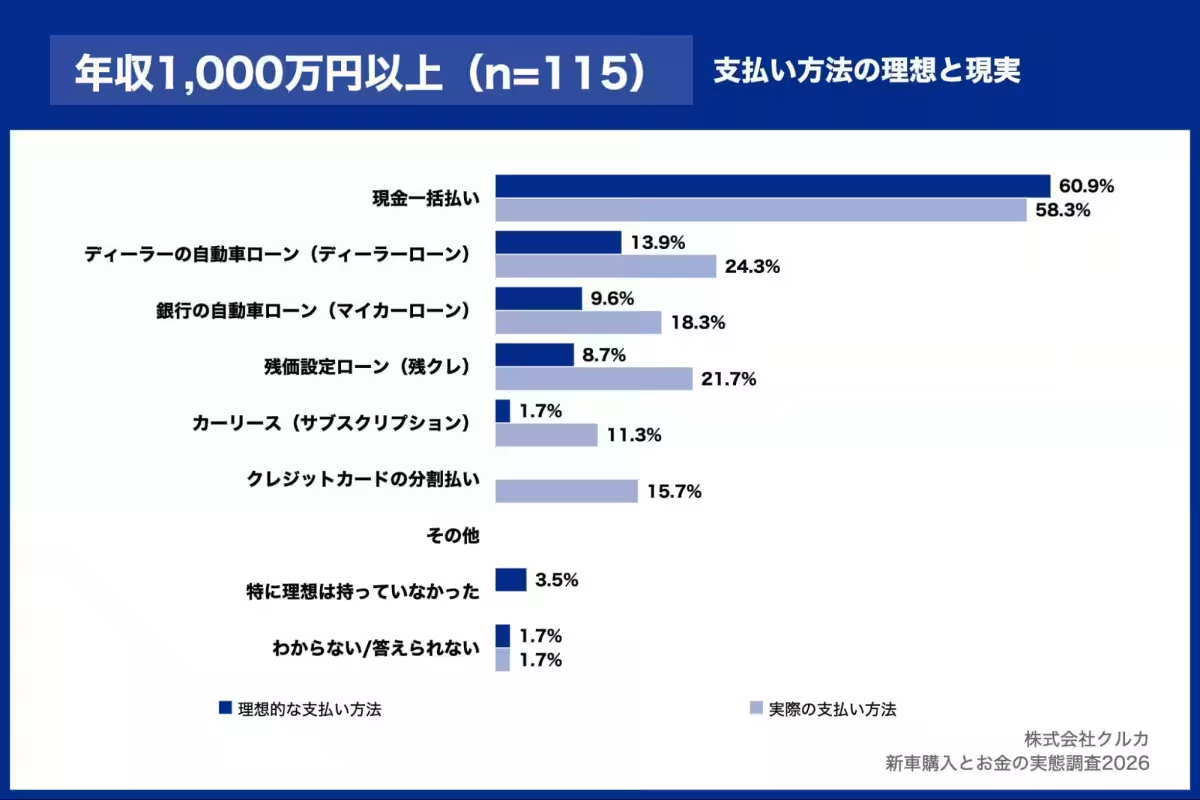
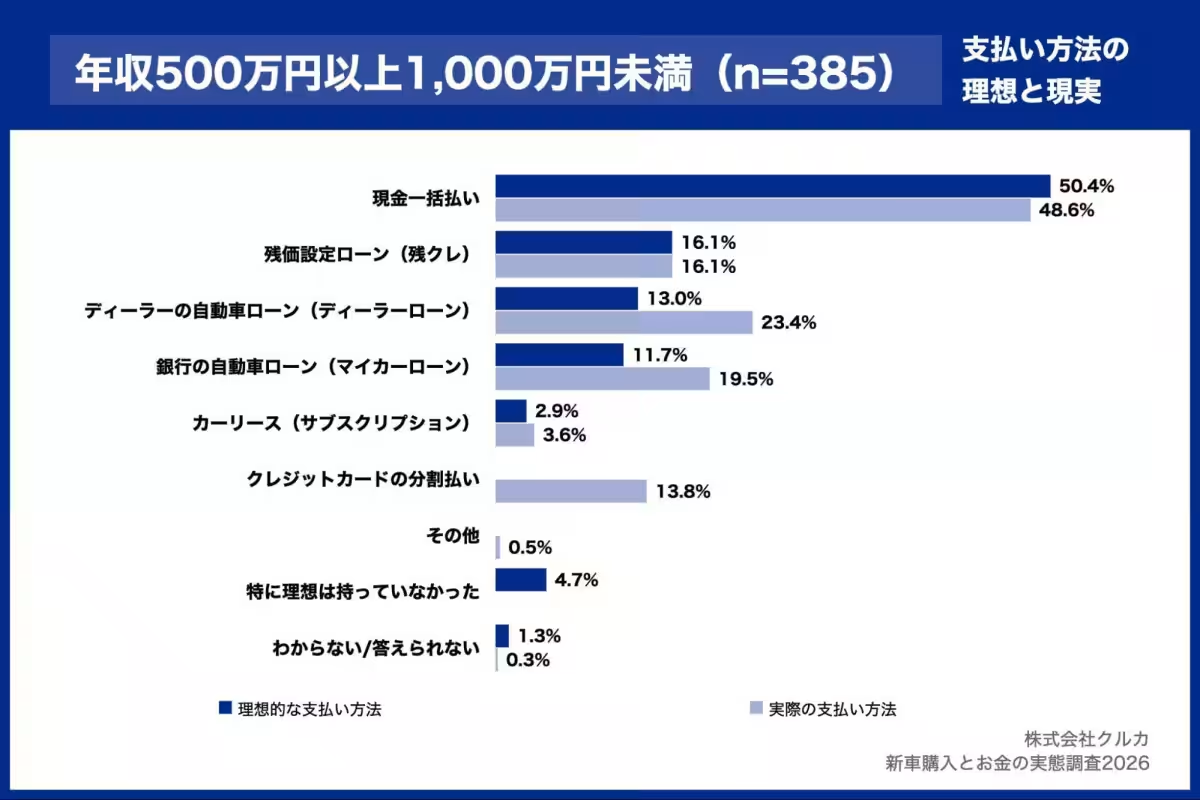
The survey highlights that 46.3% of individuals earning less than 5 million yen preferred cash payments, while the preference increased to 50.4% among those earning between 5 million and 10 million yen, and further to 60.9% for those making above 10 million yen. This trend indicates that as income increases, so does the inclination towards cash transactions, reflecting a desire to avoid debt.
However, the reality for lower-income buyers is starkly different. The actual usage of bank and dealership loans exceeded their ideal by a notable margin, indicating financial constraints heavily influence their choices. Specifically, the rate for bank loans was 22.8%, exceeding the 16% they'd ideally prefer by 6.8 percentage points, while dealership loans also exceeded their ideal by 6.5 percentage points.
Key Factors Influencing Payment Choices
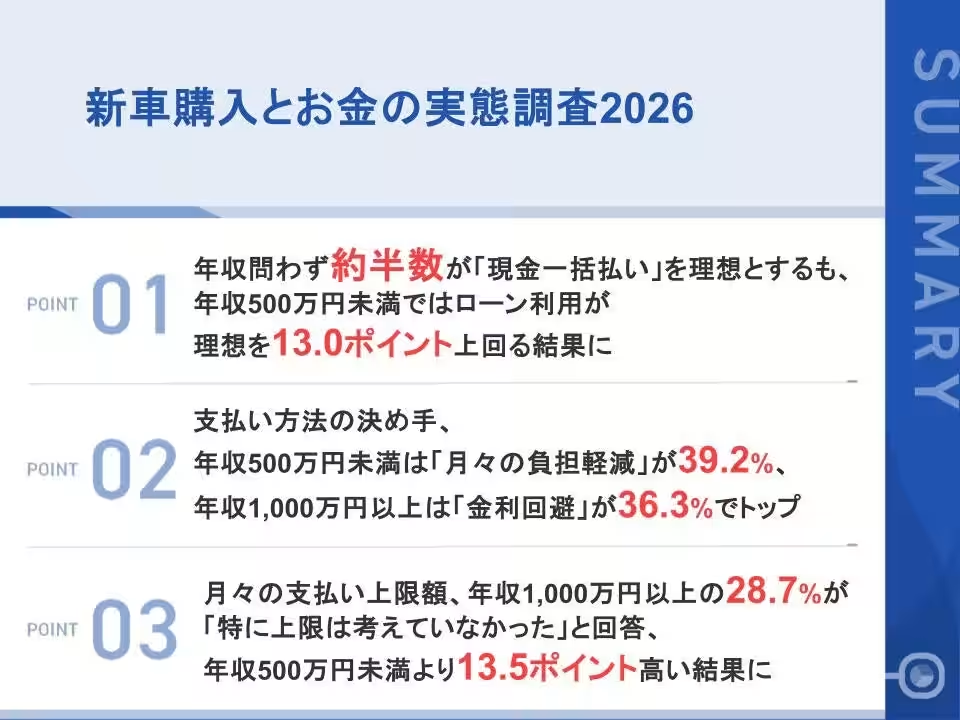
Crucial reasons for payment choices varied significantly across income brackets. Among respondents earning less than 5 million yen, 39.2% cited wanting to minimize monthly payments, while those in the higher income bracket (1 million yen and above) prioritized avoiding interest costs, with 36.3% identifying it as their main concern.
This would suggest that while lower-income individuals primarily focus on affordability, those with higher earnings are more strategic, considering the total cost of the purchase. Additionally, a notable trend is seen in the willingness to maintain liquid funds; as income rises, the percentage of respondents wanting to retain cash for future investments increases from 20.4% in the lower income bracket to a striking 32.7% among those earning above 10 million yen.
Upper Limits on Monthly Payments
The study also addressed how much buyers feel comfortable paying monthly. For those earning less than 5 million yen, the most popular payment tier was between 20,000 and 30,000 yen, while 28.7% of those earning over 10 million yen stated that they had no particular upper limit in mind, showing a vastly different financial landscape.
The results paint a picture of stark contrasts between those with different income levels, where nearly 60% of low-income buyers are focused on keeping payments under 40,000 yen, while high-income individuals exhibit a more carefree approach towards monthly expenses. This indicates not only different financial strategies but also varying burdens associated with purchasing decisions.
Conclusion: Navigating New Car Purchases
Overall, the Kuruka survey indicates that income disparities significantly impact car purchasing decisions. While the ideal choice for many remains a cash payment, the real-world implications of financial limitations create a necessary reliance on loans for lower-income buyers. As such, potential car buyers should not only consider their preferred payment method but also fully analyze the total costs involved, including monthly burdens and interest rates to create a sustainable purchasing plan.
This report is part of a series; the next installment will delve into the relationship between down payments and buyer anxiety across various income brackets.
For those interested in leasing options, Kuruka offers new car leases that require no down payment, no bonus payments, and cover maintenance costs, promoting a financially manageable way to enjoy a new vehicle.
More About Kuruka
Founded in August 2019, Kuruka specializes in car leasing and provides flexible payment options that allow consumers to navigate their budgets effectively. For more details, visit Kuruka's website.



Topics Consumer Products & Retail)
【About Using Articles】
You can freely use the title and article content by linking to the page where the article is posted.
※ Images cannot be used.
【About Links】
Links are free to use.