



National Survey Reveals Your Oral Age May Exceed Your Real Age by Over 12 Years
Understanding Oral Age: A Recent National Survey
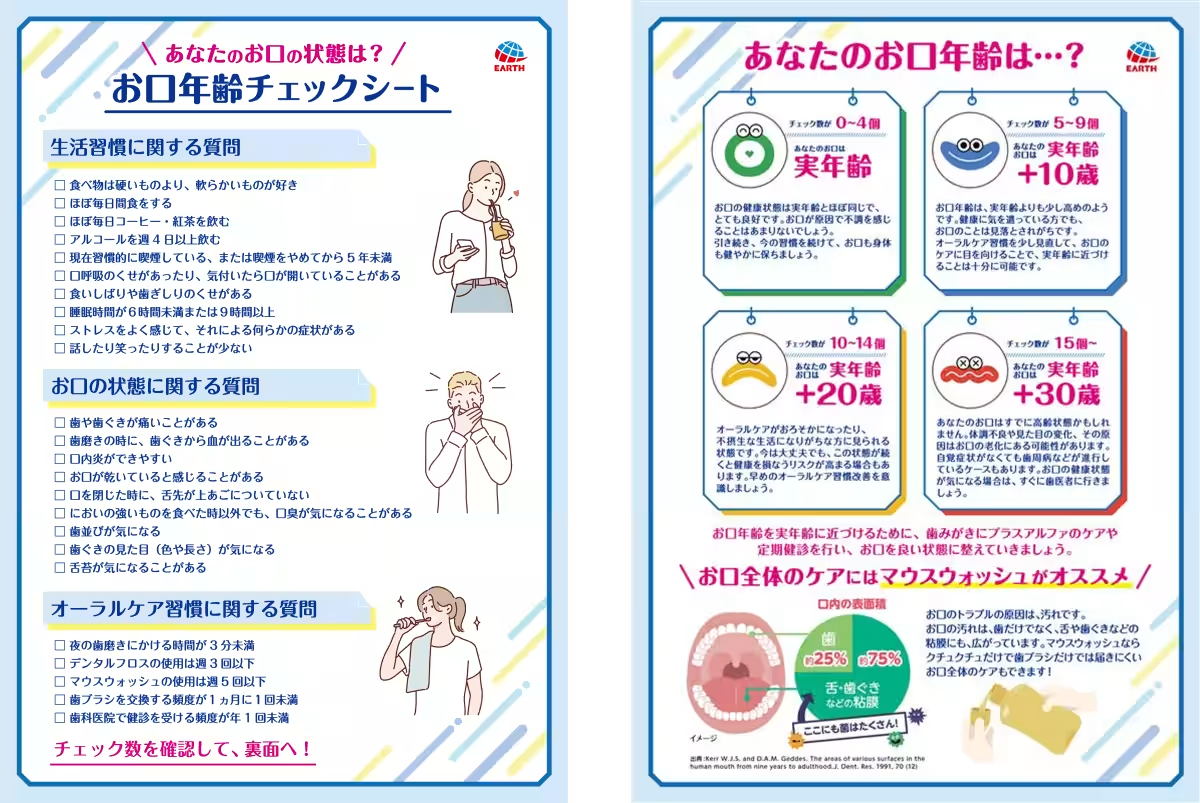
Earth Pharmaceuticals, headquartered in Chiyoda, Tokyo, has unveiled the results of a comprehensive survey that sheds light on the alarming trend of oral health in Japan. Utilizing their unique metric called "oral age," which is derived from dental and oral health indicators along with lifestyle habits, the survey focused on individuals aged 20 to 60 across 47 prefectures. In total, 3,500 participants contributed to this extensive study.
Key Findings
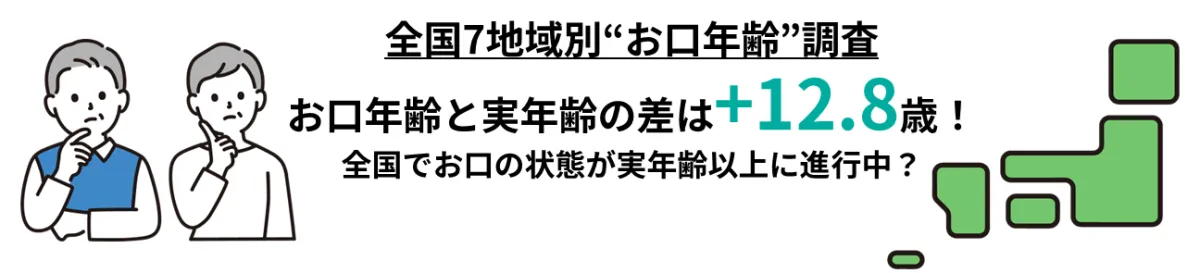
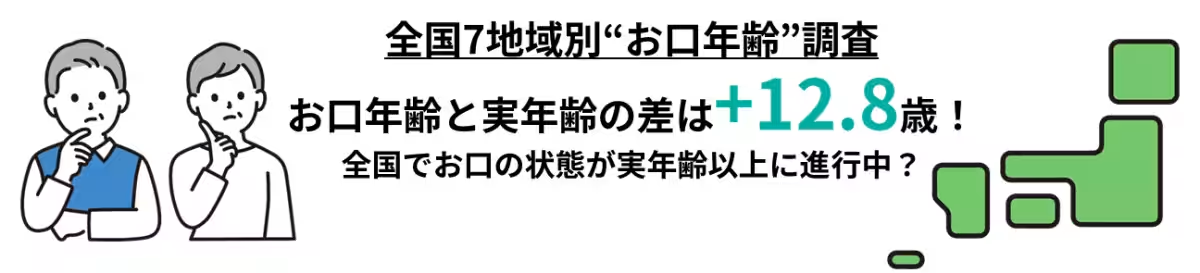
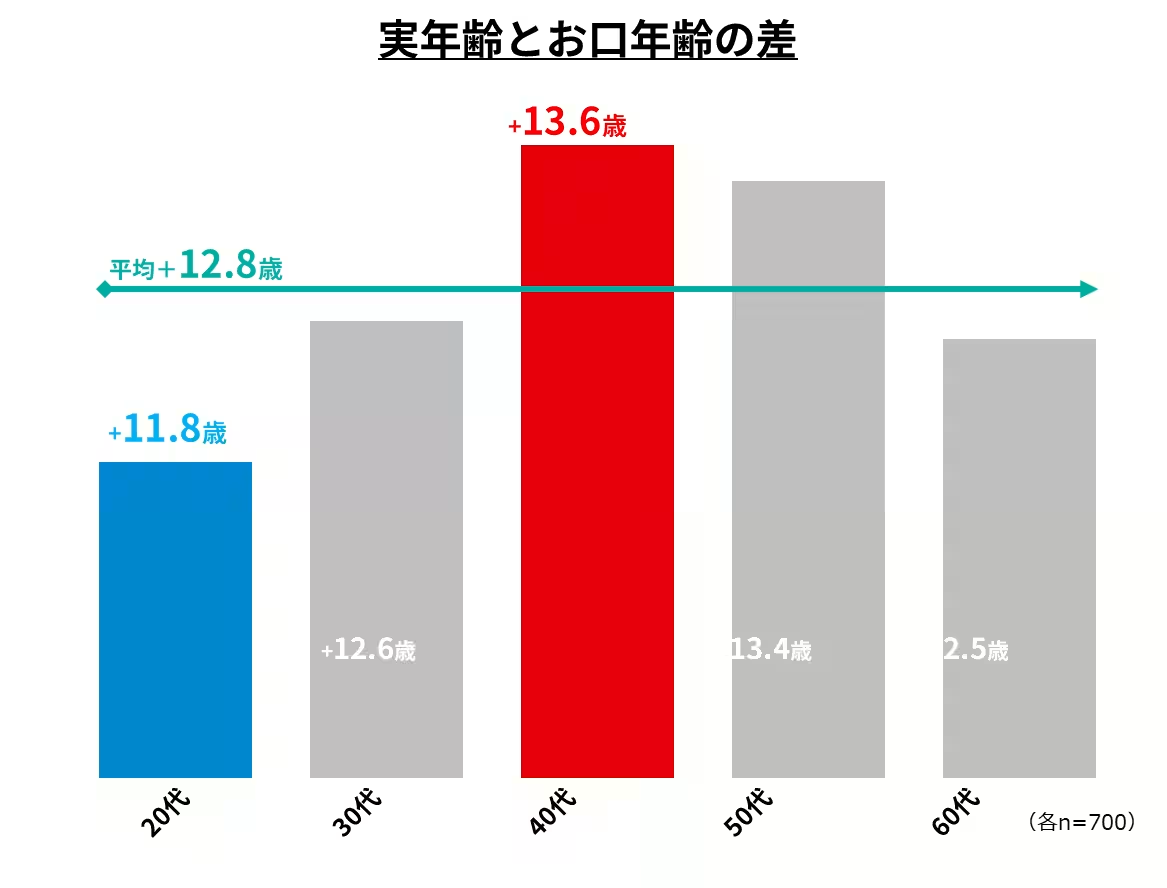
The groundbreaking results revealed that the average oral age in Japan is 12.8 years older than participants' actual ages. This disparity suggests that the state of oral health across the country is progressing beyond what one would expect based on chronological age. Notably, individuals in their 40s exhibited the highest average oral age, which was 13.6 years beyond their actual ages, indicating specific lifestyle factors that may contribute to this trend.
snacking habits and Oral Age
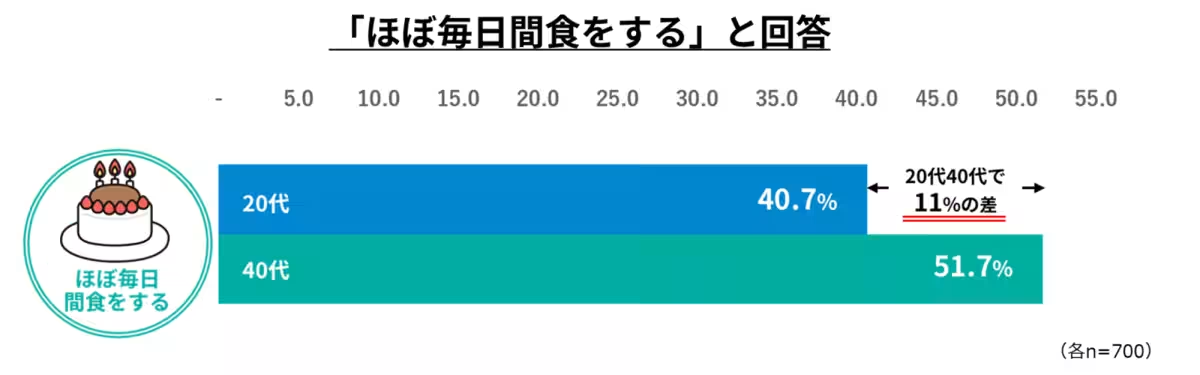
An intriguing aspect of the research was the correlation between snacking frequency and increased oral age. Among respondents in their 40s, nearly 51.7% claimed to snack almost every day, versus only 40.7% in the 20s. This stark difference in eating habits raises red flags regarding the necessity for more vigilant oral care as the frequency of snacking can heavily influence dental health. Such daily habits seem to contribute significantly to the disparity in oral age, prompting further examination of dietary patterns concerning oral hygiene.
Regional Differences
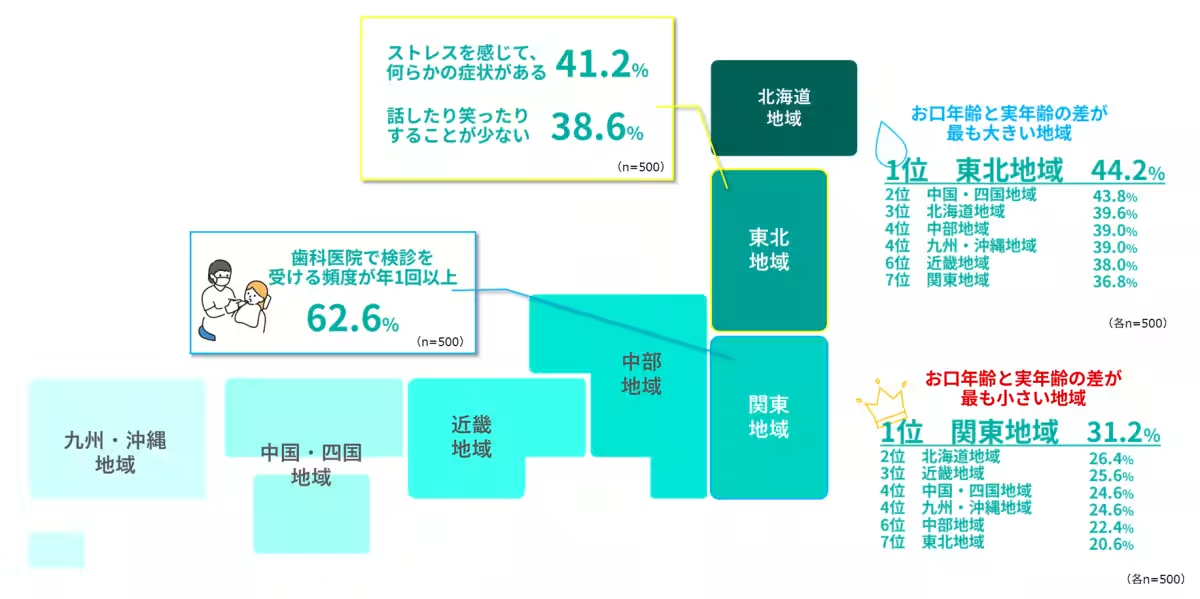
The survey also highlighted regional disparities. The Tohoku region exhibited the largest gap in oral age, with 44.2% of participants showing an oral age that was 20 years older than their actual age. In contrast, the Kanto region had the smallest difference, where 31.2% reported a minimal gap. The data suggested that frequency of dental check-ups might correlate to these variations; 62.6% from Kanto responded that they visit dental clinics at least once a year, compared to only 51.6% from Tohoku.
Lifestyle Factors and Work from Home Dynamics
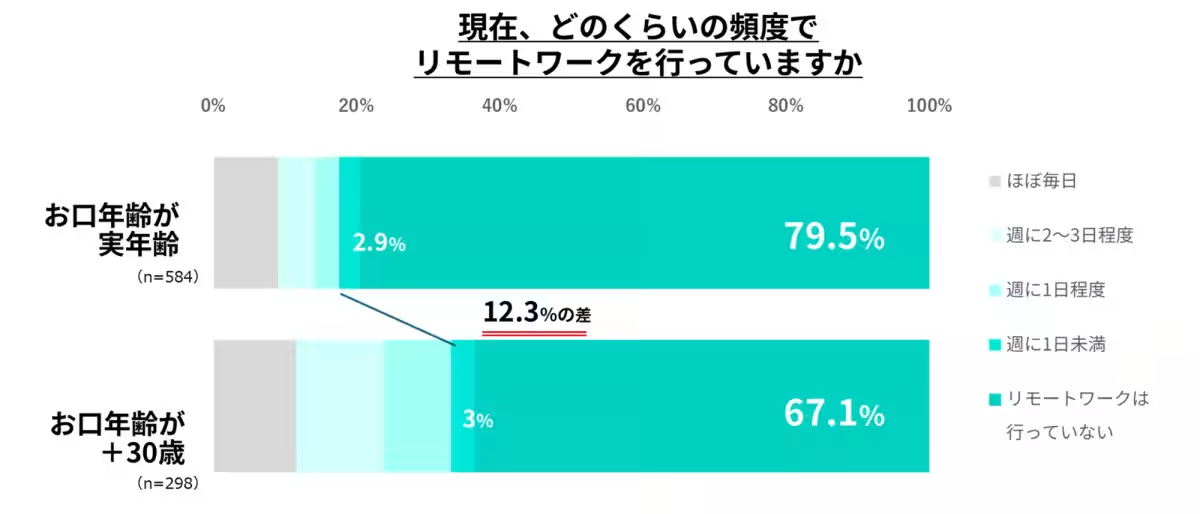
Interestingly, the study also indicated a connection between remote work lifestyles and oral health. An overwhelming 82.4% of participants who reported a closer alignment of their oral age to their real age worked remotely less than once a week. Those with a significantly older oral age often committed to longer periods of indoor lifestyles, thus affecting their overall well-being and dental health.
The Importance of Regular Oral Care
Dr. Mari Nojiri, a preventive dentistry expert, underscored that maintaining oral health requires daily diligence. She emphasized the need for meticulous oral care practices beyond simple brushing. Regular dental visits for professional care and check-ups combined with proper mouth hygiene are essential for sustaining the body's overall health.
Education on Oral Health
Dr. Nojiri is committed to educating the public about oral health through various outreach efforts, including seminars and media appearances. Her message is clear: keeping your mouth clean contributes significantly to overall health, impacting everything from self-esteem to general well-being.
Conclusion
In summary, this national survey has revealed alarming trends regarding oral health in Japan, with many individuals unaware of the potential risks associated with neglecting their dental hygiene. The findings urge a reassessment of lifestyle habits, particularly the importance of oral care practices like limiting snacks and maintaining regular dental visits. Armed with this knowledge, individuals can take proactive steps towards achieving a healthier oral age.
Survey Overview
- - Title: Survey on Oral Age
- - Participants: Men and women aged 20 to 60 nationwide
- - Survey Period: September 3-5, 2025
- - Sample Size: 3,500
- - Methodology: Internet survey

Topics Health)
【About Using Articles】
You can freely use the title and article content by linking to the page where the article is posted.
※ Images cannot be used.
【About Links】
Links are free to use.