



The Growing Pressure on Producers: A Call for Consumer Understanding Amid Rising Costs
The Growing Pressure on Producers: A Call for Consumer Understanding Amid Rising Costs
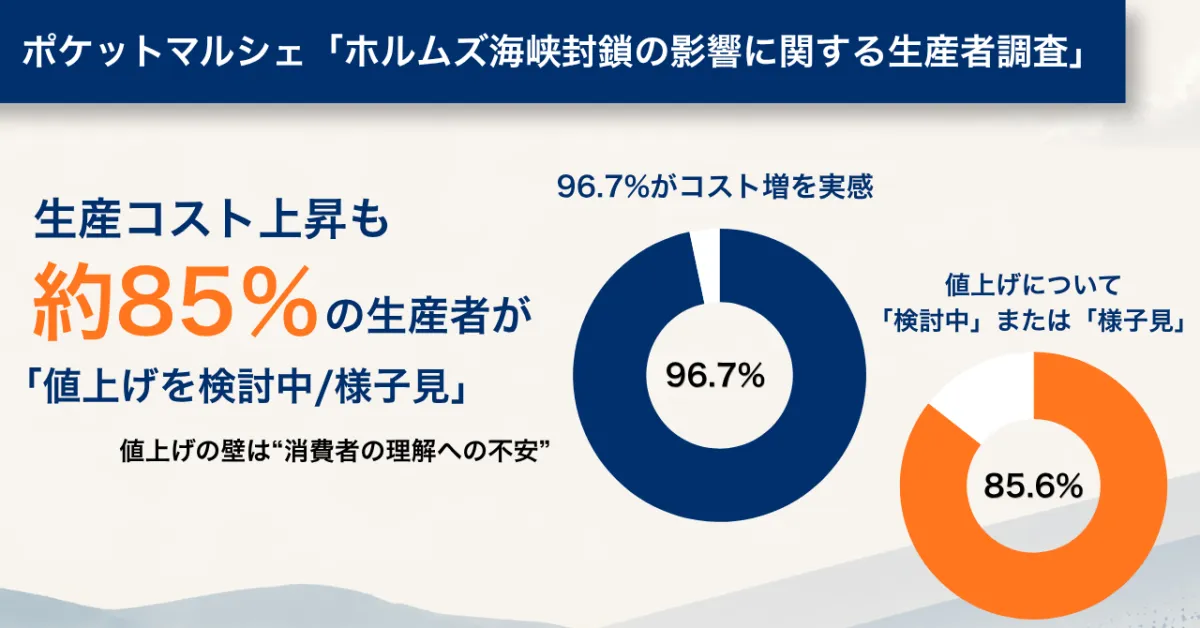
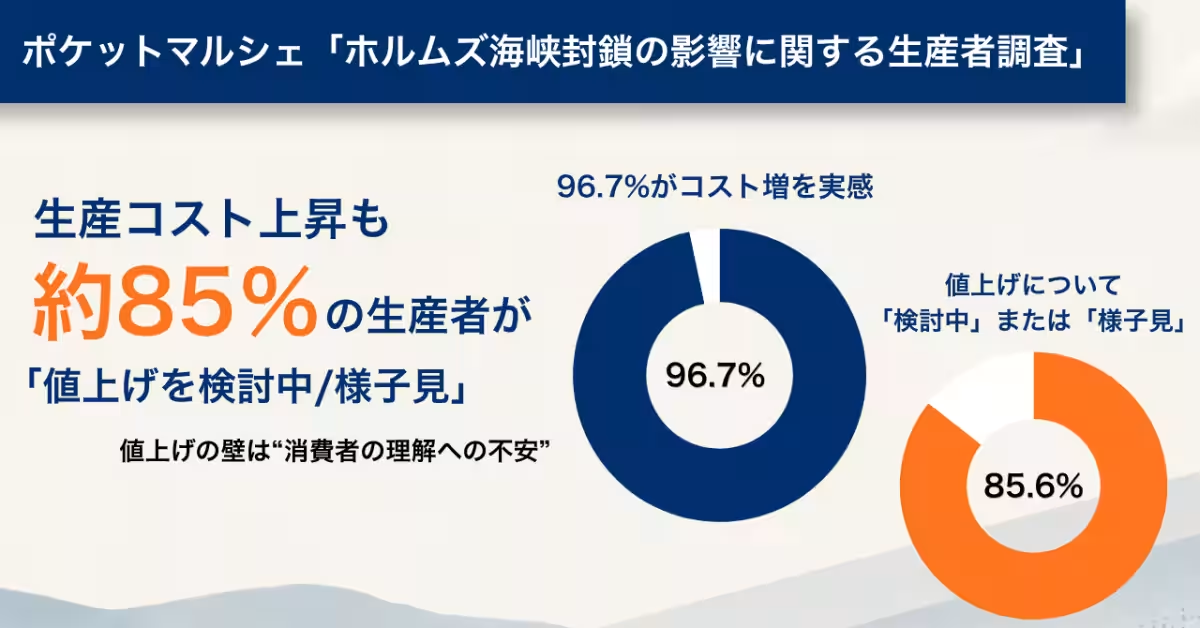
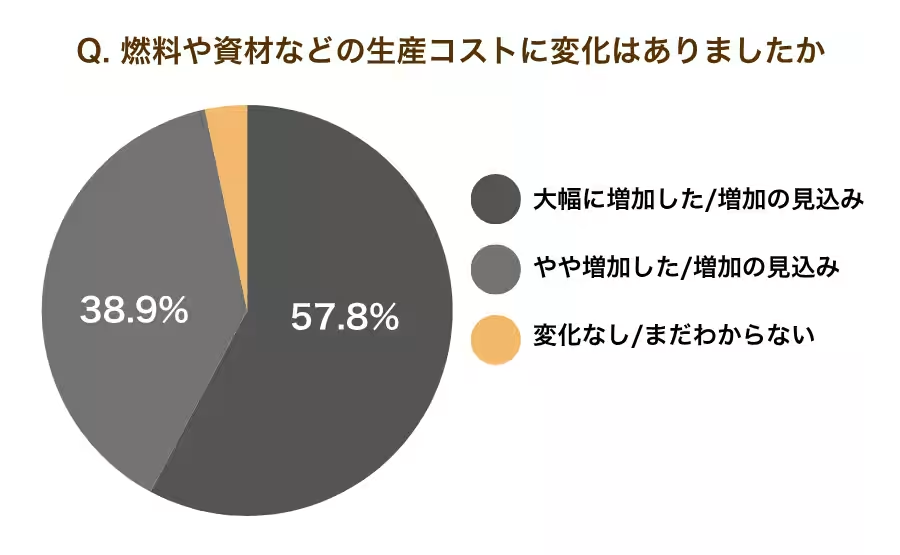
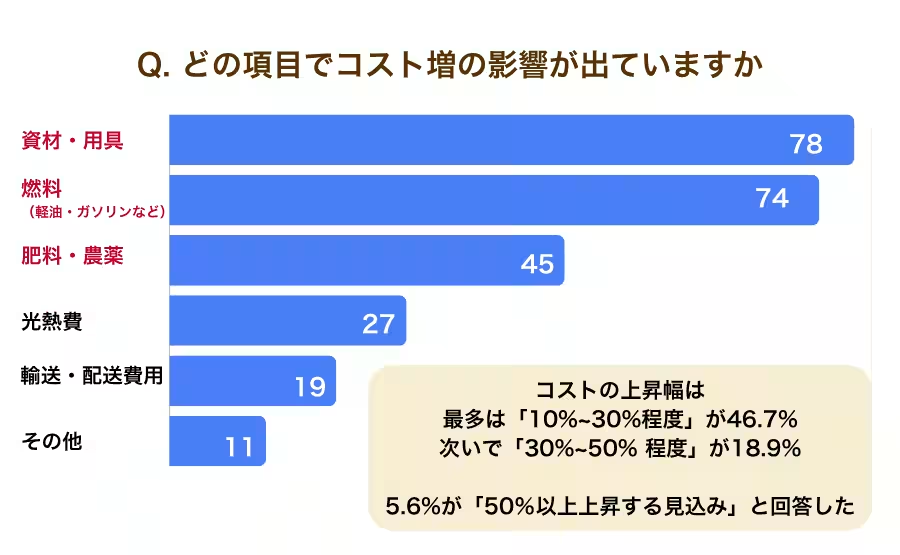
In recent months, the agricultural sector has faced unprecedented challenges, primarily driven by rising production costs. According to a recent survey conducted by Amekaze Taiyo Co., Ltd., which operates the popular direct-to-consumer app "Pocket Marche," about 96.7% of producers reported experiencing an increase in production expenses.
Producers' Financial Struggles
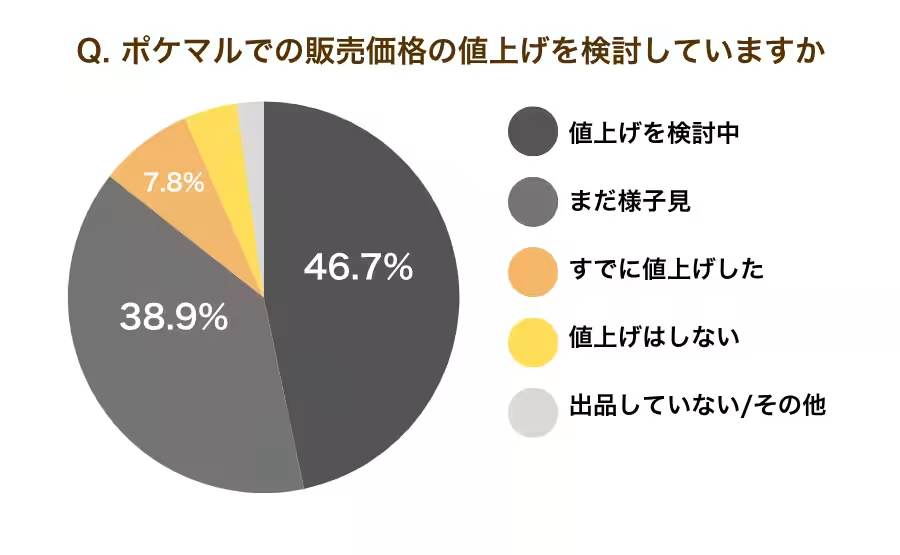
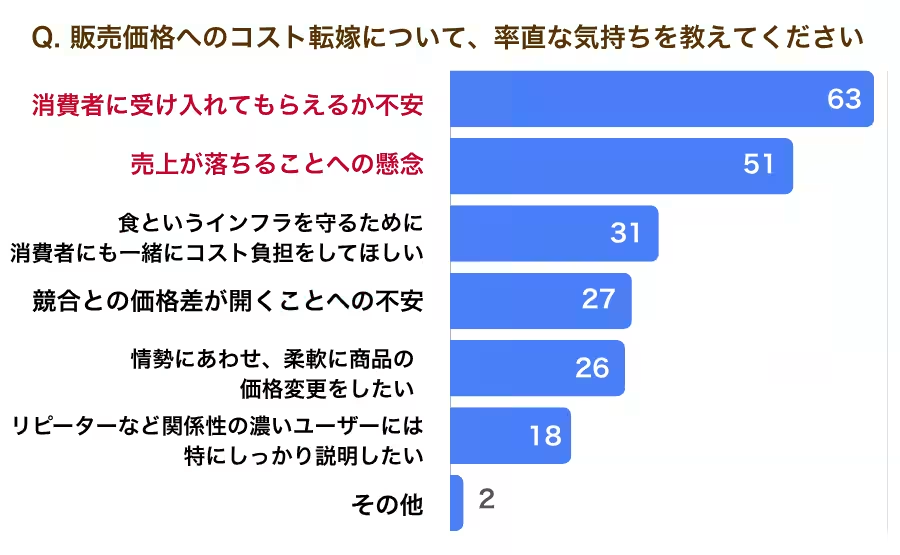
The escalating costs of essential materials, fuel, and agricultural supplies are taking a toll on producers, with almost 86% of them indicating that they are either considering price hikes or are on the fence about doing so. Despite the pressing need to adjust their prices to keep pace with rising costs, many producers express apprehension about how consumers will react. Statements such as, "Will consumers accept the increase?" and "Could this lead to a decrease in sales?" have emerged from their shared sentiments.
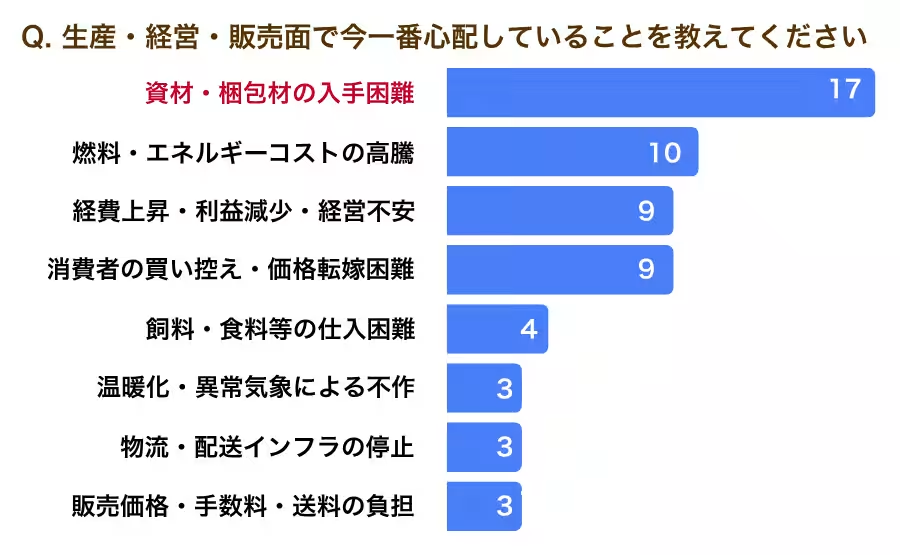
Furthermore, the survey revealed that not only are costs rising, but the availability of essential materials like agricultural plastic, packaging, and fuel is becoming increasingly challenging. Producers face delays in the arrival of these critical supplies, further complicating their operations. In specific fishing sectors, uncertainties regarding the arrival of juvenile fish have also been reported.
Insights from the Survey
Cost Impact
- - A notable 46.7% of respondents reported cost increases of around 10-30%, while 18.9% cited increases of 30-50%. Some indicated that the rise exceeds 50%, underscoring the severity of the situation.
- - Despite these alarming statistics, a vast majority, constituting 85.6% of the producers, feel unable to pass these cost increases onto consumers at this time.
Consumer Relations: A Double-Edged Sword
The survey highlighted a primary concern hindering price adjustments: the fear of consumer disapproval. The acknowledged relationship between pricing strategies and consumer perception indicates that producers are not only dealing with increasing costs but also navigating the complexities of consumer willingness to accept price adjustments.
Supply Chain Challenges
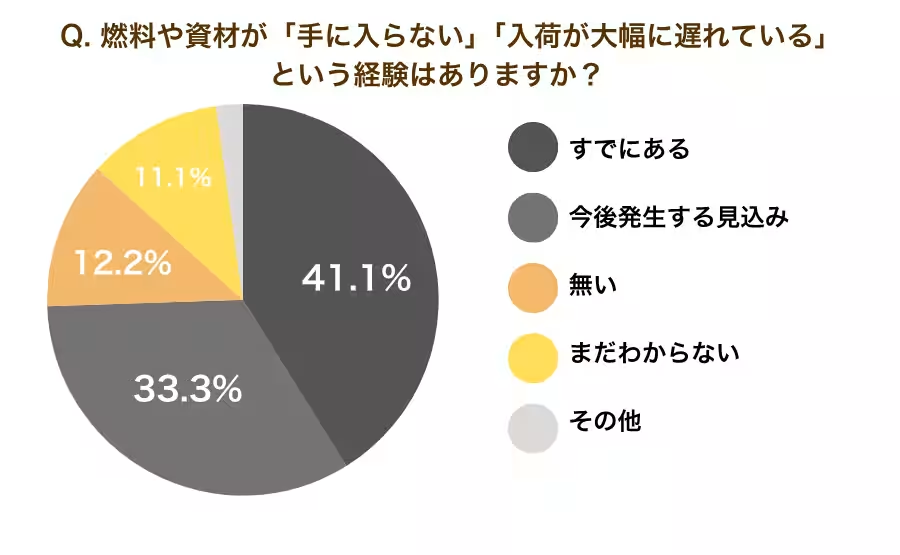
Producers reported that the issues extend beyond mere financial burdens—there is a real concern over the ability to obtain necessary materials. A significant 41.1% of respondents indicated that they are struggling to acquire fuel or materials, or that their delivery times have significantly lagged.
The situation has reached a crisis point in certain fishing industries in Miyazaki Prefecture, where transport vessels for juvenile fish have trouble securing fuel supplies, leading to uncertainty regarding when shipments will arrive. Comments from producers resonate deeply—many feel as though they are on the brink of collapse, facing a potential stop in production or shipping at any moment.
Call for Understanding
Producers are increasingly vocal about their need for consumers to comprehend the reality of rising costs. They express a desperate plea for understanding and patience, fearing that continued inability to adjust prices could further compress their margins and threaten their operational viability.
Statements collected from the producers reveal a troubling yet necessary message:
- - Costs for materials and fuel have skyrocketed by 30% to 50%, and the transition of these costs into retail prices is proving immensely challenging.
- - They acknowledge the need to adjust their prices due to increased raw material and labor costs but struggle to communicate this necessity to consumers.
- - A number of products are now unable to be manufactured or shipped due to these constraints.
- - Producers empathize with consumer burdens but insist that their struggles are equally significant.
In essence, they are urging consumers to grasp the reality behind the constraints that are pushing them towards potential price increases.
An Ongoing Dialogue
In response to the results of this survey, Pocket Marche will facilitate an online discussion forum aimed at bridging the gap between producers and consumers. The goal is to address the implications of the escalating costs impacting production due to the current geopolitical climate, particularly focusing on the ramifications of the situation in the Strait of Hormuz. The session is to be led by Amekaze Taiyo’s President, Hiroshi Takahashi, alongside four producers from the platform.
As producers continue to navigate these challenging times, mitigating the impacts of rising costs and ensuring steady supply chains are paramount to the ongoing health of Japan's food supply system. It remains essential for the dialogue between producers and consumers to evolve, fostering a mutual understanding that supports sustainable agricultural practices and the economy at large.
For further inquiries, please register for our upcoming discussion forum scheduled on May 11, where we will unpack these pressing issues affecting production and pricing in the agricultural landscape.
Conclusion
The tension between rising production costs and consumer pricing acceptance invites a critical conversation that needs to be had. As economic factors outside anyone’s control shift, understanding and collaboration become necessary for both consumers and producers alike. Pocket Marche remains committed to serving as a bridge between these groups, advocating for transparency and empathy in the ongoing discussion about food production costs and consumer interactions.
Topics Consumer Products & Retail)
【About Using Articles】
You can freely use the title and article content by linking to the page where the article is posted.
※ Images cannot be used.
【About Links】
Links are free to use.