




Awareness Survey Highlights Men's Concerns Over Appearance Changes During Cancer Treatment
Introduction
A recent awareness survey conducted by Aderans Co., Ltd., a global wellness company based in Shinagawa, Tokyo, focused on the concerns related to appearance changes in men undergoing cancer treatment. The survey gathered responses from 412 men aged 30 to 69 who had experienced cancer. The objective was to understand their anxiety regarding physical changes, particularly hair loss, triggered by treatment and the current state of appearance care among these individuals.
Key Findings
Anxiety Over Appearance Changes
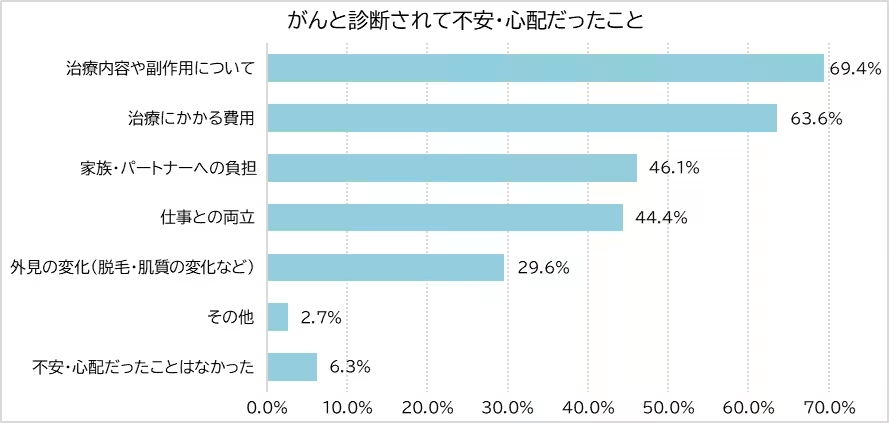
Around one in three surveyed men expressed anxiety about changes in appearance following their cancer diagnosis. The survey revealed that 29.6% of the respondents were worried primarily about external changes such as hair loss and skin alterations. Other significant concerns included the implications of treatment methods, side effects, and financial burdens, which were at 69.4% and 63.6% respectively. More than 40% specifically highlighted worries regarding the impact of their conditions on family members and their work-life, illustrating that the ramifications of a cancer diagnosis extend beyond individual health.
Hair Loss as the Main Source of Distress
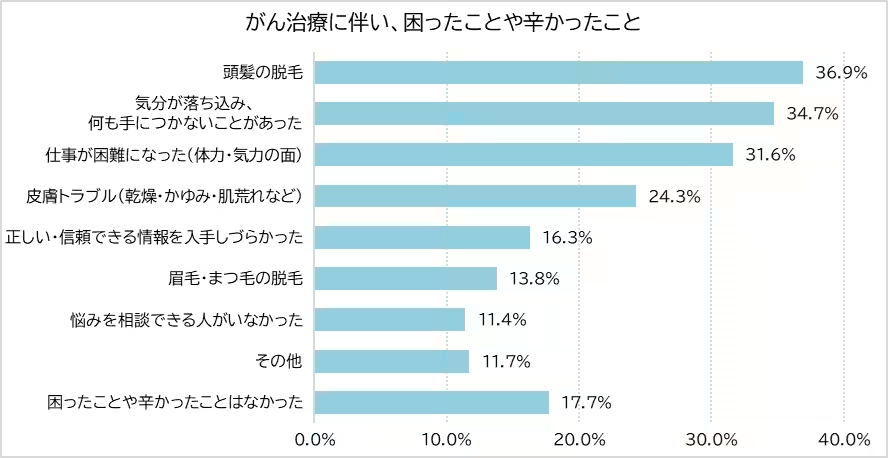
Among the challenges faced during treatment, hair loss was a leading issue cited by 36.9% of participants. The emotional fallout from this change was evident, with 34.7% admitting that it led to feelings of depression and a lack of motivation, affecting their overall lifestyle and work.
Psychological and Behavioral Changes
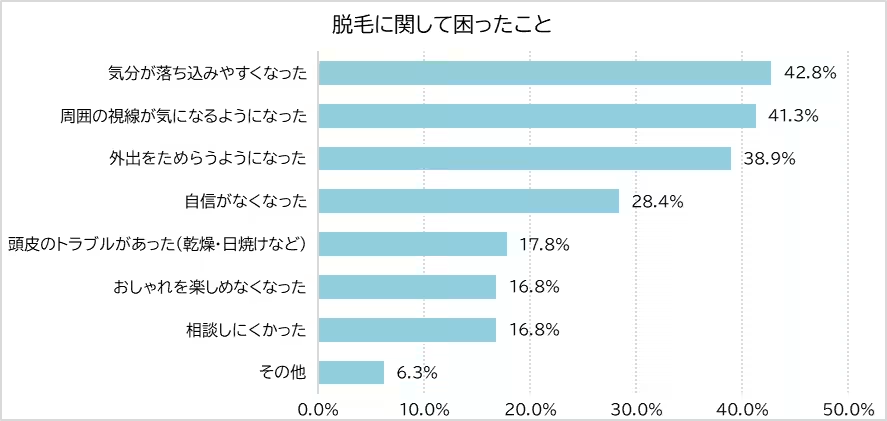
The survey found that nearly 40% of respondents reported psychological or behavioral changes due to hair loss, with 42.8% feeling more prone to mood swings and 41.3% becoming increasingly self-conscious due to perceived criticisms from others. Such feelings often led to avoidance of social situations, indicating that hair loss significantly influences both behavior and mental health.
Coping Mechanisms and Support
Adoption of Care Items
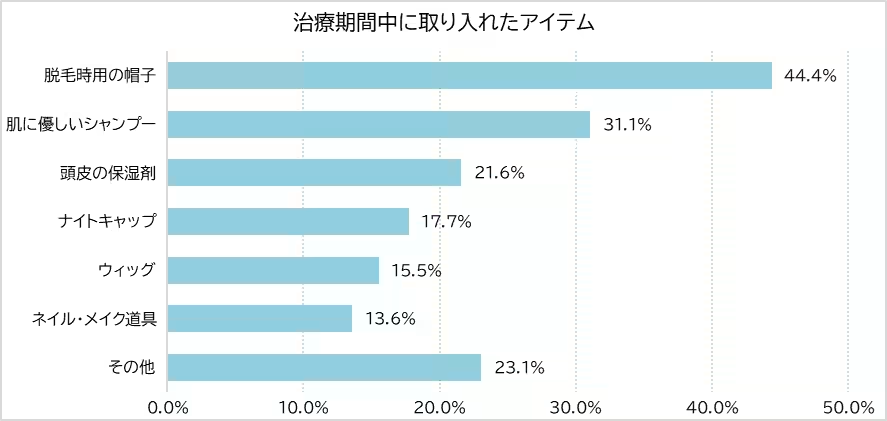
To mitigate the distress associated with appearance changes, many participants adopted various care items during treatment. The most common product was a wig, preferred by 44.4% of respondents. Other notable items included gentle shampoos and scalp moisturizers, indicating a focus on comfort and suitability for sensitive skin and scalps became important during this time.
Importance of Usability and Material Preference
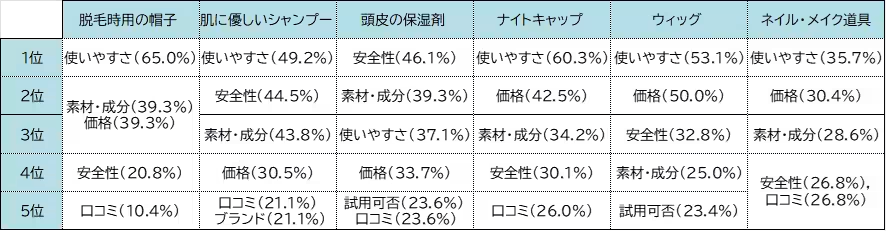
When selecting care items, the usability was paramount, particularly for wigs and hats. Over half of the respondents emphasized ease of use, while safety and material quality were also significant considerations, particularly for products that would come into direct contact with the skin.
Addressing Public Perception
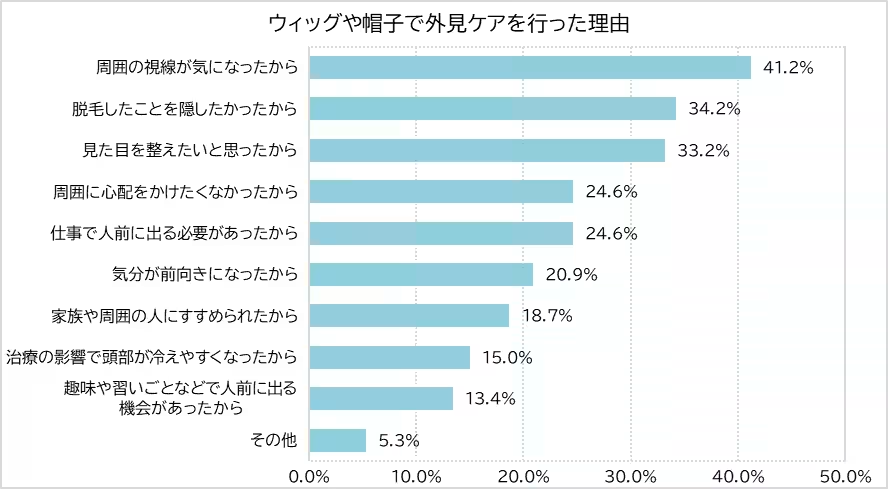
A substantial 41.2% noted that they engaged in appearance care due to concerns about how they were perceived by others, illustrating the societal pressures faced by individuals undergoing treatment. Many men reported that external care not only cascaded into physical appearance enhancements but also facilitated a better state of mind, as confirmed by 20.9% who stated this helped restore their confidence.
Conclusion
This survey sheds light on the often-overlooked challenges faced by men undergoing cancer treatment, particularly regarding the emotional impact of physical changes. Aderans has long been committed to addressing these issues through its specialized hair salons and product lines designed for men experiencing treatment-related hair loss. With nearly 34 locations across Japan, these salons provide tailored services, including wigs and scalp treatments, fostering self-esteem and well-being. Aderans continues to innovate and create products based on patient feedback, reinforcing their commitment to supporting every individual's journey through health challenges.


Topics Health)
【About Using Articles】
You can freely use the title and article content by linking to the page where the article is posted.
※ Images cannot be used.
【About Links】
Links are free to use.