




Exploring the 'Universal Nursery System' in Tokyo: Two Years of Early Implementation Insights
Insights from the Early Implementation of the 'Universal Nursery System'
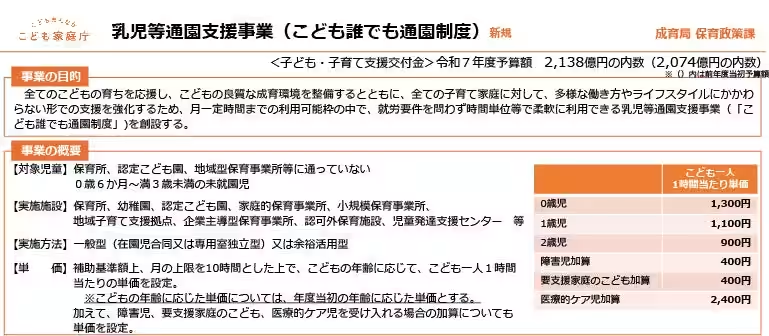
The 'Universal Nursery System,' led by the Child and Family Agency, is set to launch in April 2026, providing all children access to daycare without regard to their parents' employment status. The system has been trialed at Pico Nursery Kuga-yama in Suginami, Tokyo, starting in 2024, where demand has already revealed some interesting trends and challenges.
Early Implementation Data
During the preliminary phase, an extensive number of parents showed interest in the program. In 2024, there were 31 applicants for 15 spots, and in 2025, this number was 30 applicants for the same capacity, highlighting a nearly twofold demand for available spaces. Many parents have shared their experiences, emphasizing how this program helps them juggle personal and professional commitments while ensuring their children receive early socialization opportunities.
One parent noted, "While I am on maternity leave and cannot use daycare for my first child, I frequently utilize the program for my newborn to foster quality time with both children. It has been incredibly helpful."
The Benefits and Drawbacks
While the system boasts substantial social advantages, it also uncovers operational challenges experienced on the ground.
Benefits:
1. Enhanced Social Skills: Regular interaction with peers helps children develop socialization skills early in life.
2. Individual Attention: Caregivers can attend to each child's unique developmental needs.
3. Reduced Parenting Burden: This system alleviates the feelings of isolation often felt by parents, offering them reassurance amid their responsibilities.
4. Supportive Environment: Creates a sense of security for aspiring parents, potentially encouraging them to expand their families.
Drawbacks:
1. Increased Burden on Staff: With more children comes a greater workload, including safety concerns, communication with parents, and intricate administrative tasks.
2. Potential Decline in Quality of Care: The focus on new admissions can sometimes dilute the quality of care provided to existing students.
3. Staff Shortages: The already strenuous situation surrounding the recruitment of childcare workers is exacerbated.
4. Regional Disparities: Inconsistencies regarding available slots across different regions can leave many parents feeling anxious about their childcare options.
A childcare worker commented on the benefits of the program, stating, "Regular interactions with children and their families help build stronger relationships, enabling us to provide more tailored support. However, without adequate resources and facilities, achieving these advantages becomes challenging. The complexity of the national system increases our administrative workload, detracting from valuable time spent with children."
About the 'Universal Nursery System'
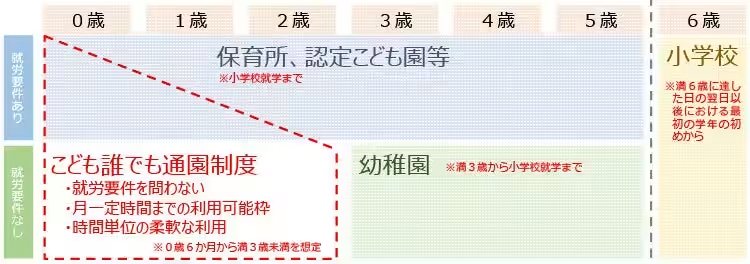
The system allows children under three years old to access daycare services on a flexible basis, regardless of their parents' employment status. Its creation aims to nurture children's development, establish quality growth environments, and enhance support for parenting families, catering to diverse working styles and lifestyles.
Starting as a trial program in 2024, there have been 17 facilities willing to participate, but numerous challenges remain, with Pico Nursery being the only institution in Suginami implementing it. The nursery is actively creating resources and increasing staff capacity to meet the demands placed on it.
Current State and Future Prospects
The 'Universal Nursery System' is expected to undergo further development and implementation across Japan. The system identifies urgent needs for reform in how resources are allocated and highlighting the acute necessity for substantial improvements in compensation for childcare workers. Only by addressing these significant workforce challenges can the system hope to sustain itself effectively.
As we work to establish an environment conducive to raising children, it's essential to address concerns surrounding growing workloads within childcare settings. The program’s high demand reflects a need for support that benefits both children and their parents alike. However, with chronic staffing shortages posing a critical hurdle, the implementation of this system at a national level remains challenging.
To ensure the success of this initiative, it’s vital to increase funding for childcare facilities and improve working conditions. We welcome further exploration into the experiences of programs like ours, particularly regarding the treatment and compensation of childcare workers, to create a more supportive environment for all involved.
- ---




Topics People & Culture)
【About Using Articles】
You can freely use the title and article content by linking to the page where the article is posted.
※ Images cannot be used.
【About Links】
Links are free to use.