



The Rising Cost of Living: A Nutritional Crisis for Families with Children
Understanding the Impact of Rising Food Prices on Family Nutrition
Introduction
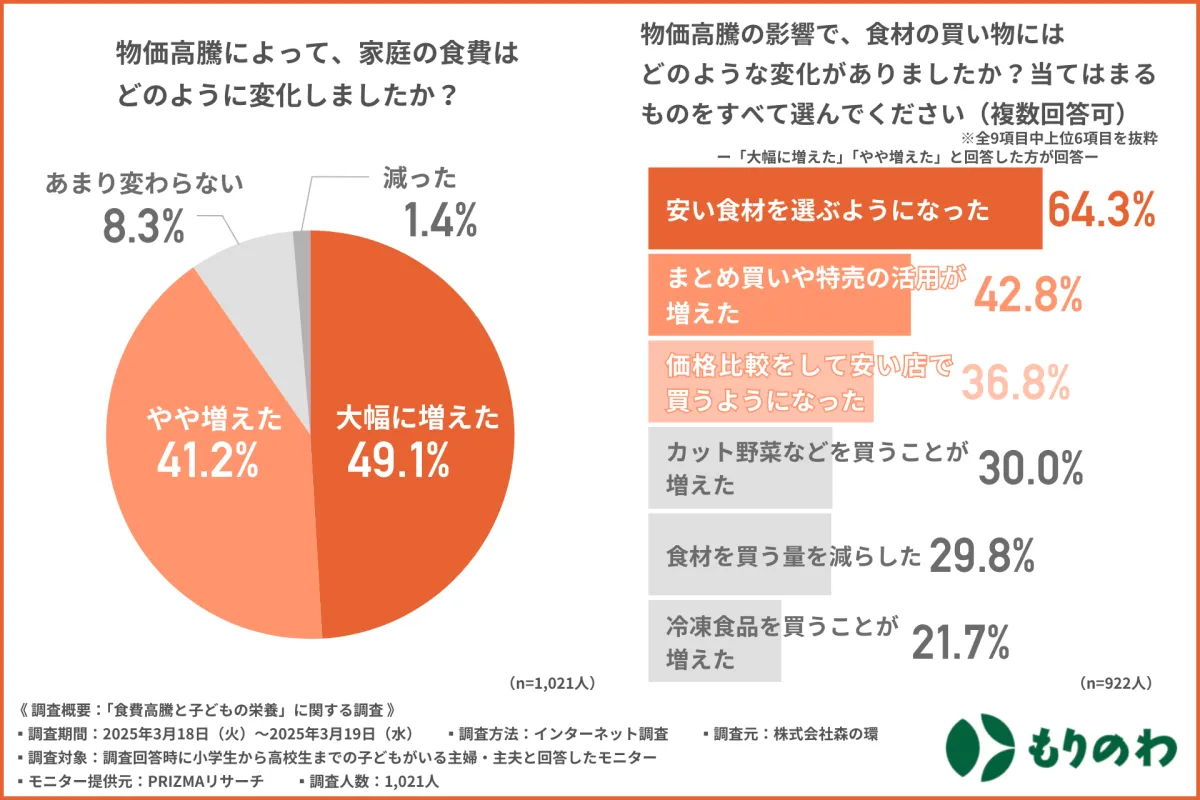
In recent years, families across the globe have felt the weight of soaring food prices. A recent survey conducted by Morinowa Co., Ltd., a company based in Takaoka City, Toyama Prefecture, revealed that more than 90% of households with children are experiencing the pinch of rising living costs, particularly concerning grocery expenses. As families strive to provide balanced meals for their children, the challenges they face regarding nutrition become increasingly clear.
Key Findings of the Survey
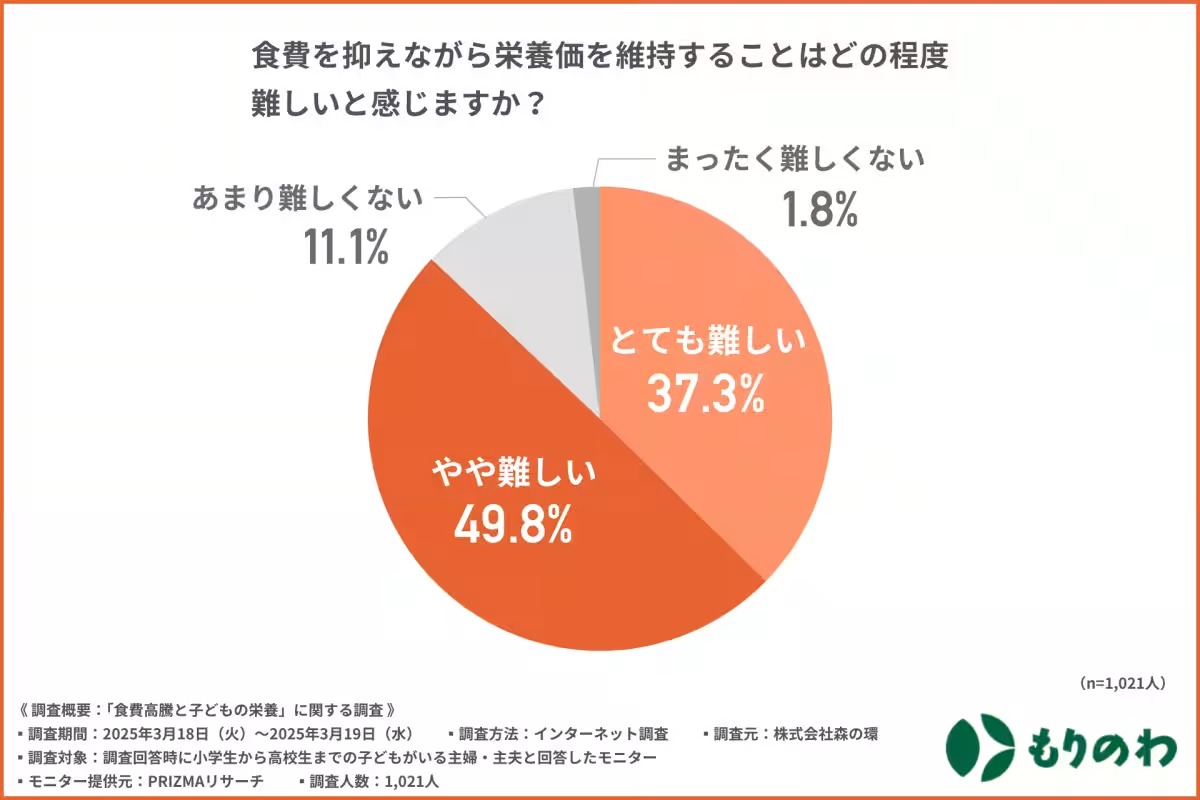
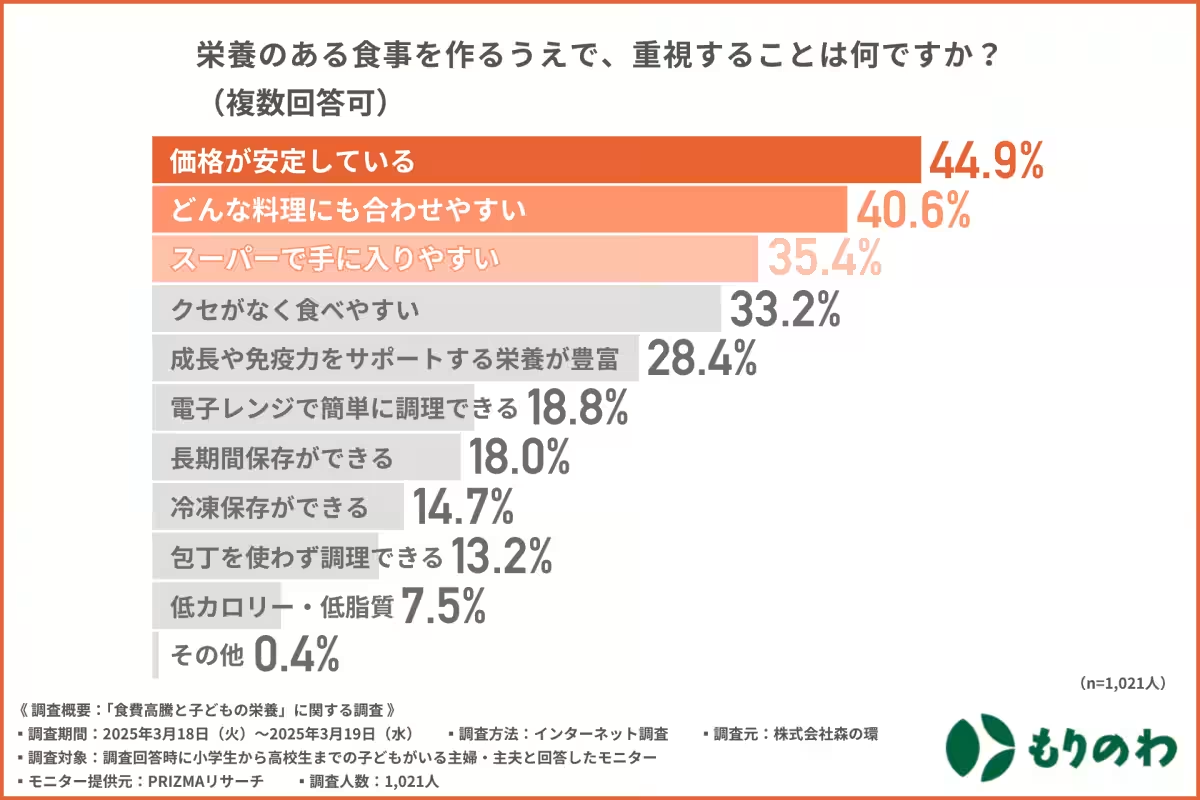
Conducted from March 18 to 19, 2025, the survey targeted parents and guardians of elementary to high school children and included 1,021 respondents. Key insights showed that 90% of respondents feel their grocery bills have risen, with nearly half noting a significant increase. Respondents reported adapting their purchasing behaviors, such as selecting cheaper ingredients (64.3%) and increasing bulk purchasing or taking advantage of sales (42.8%). Despite these cost-cutting strategies, nearly 90% of respondents expressed difficulty in maintaining nutritional balance while managing tightened budgets.
The Nutritional Dilemma
The survey importantly highlighted that while families are aware of the need to curb costs, many parents struggle to ensure their children receive the essential nutrients they require for growth. The survey revealed that about 37.3% of participants find it 'very difficult' to maintain nutritional standards while on a budget, while another 49.8% stated it is 'somewhat difficult'. This dilemma raises concerns regarding children's health and growth in such financially constrained environments.
Children's Food Preferences and Challenges
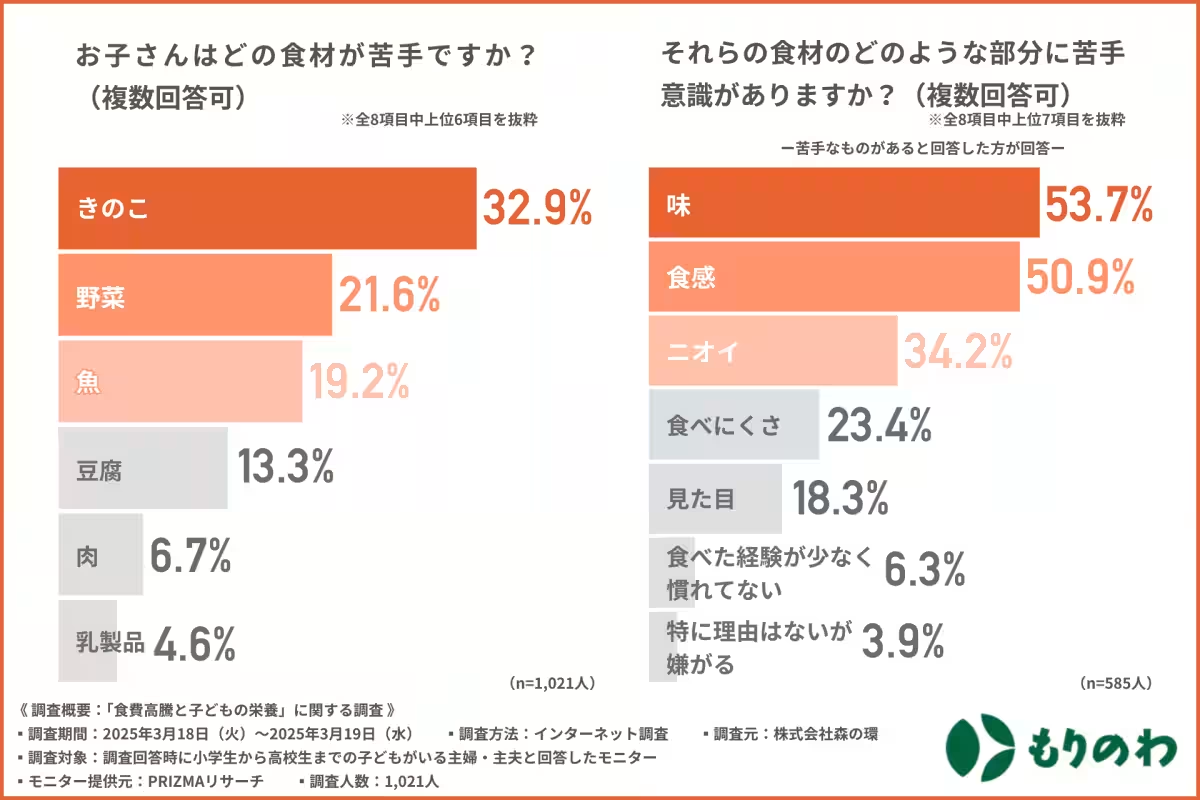
Diving deeper, the survey addressed specific foods that children typically dislike. The most common aversions included mushrooms (32.9% of parents reported), along with vegetables (21.6%) and fish (19.2%). These foods are rich in vital nutrients, making their unpopularity a barrier to achieving a well-rounded diet. Parents noted the main reasons for food dislikes were taste (53.7%), texture (50.9%), and smell (34.2%).
Creative Strategies to Encourage Healthy Eating
To counteract these challenges, parents have devised several strategies to encourage their children to try these healthy foods. Some have found success by presenting these foods alongside favorites or using preferred seasonings. Others have resorted to mixing disliked items into dishes or serving them in a more appealing format, such as soups.
Essential Nutrients and Parents' Concerns
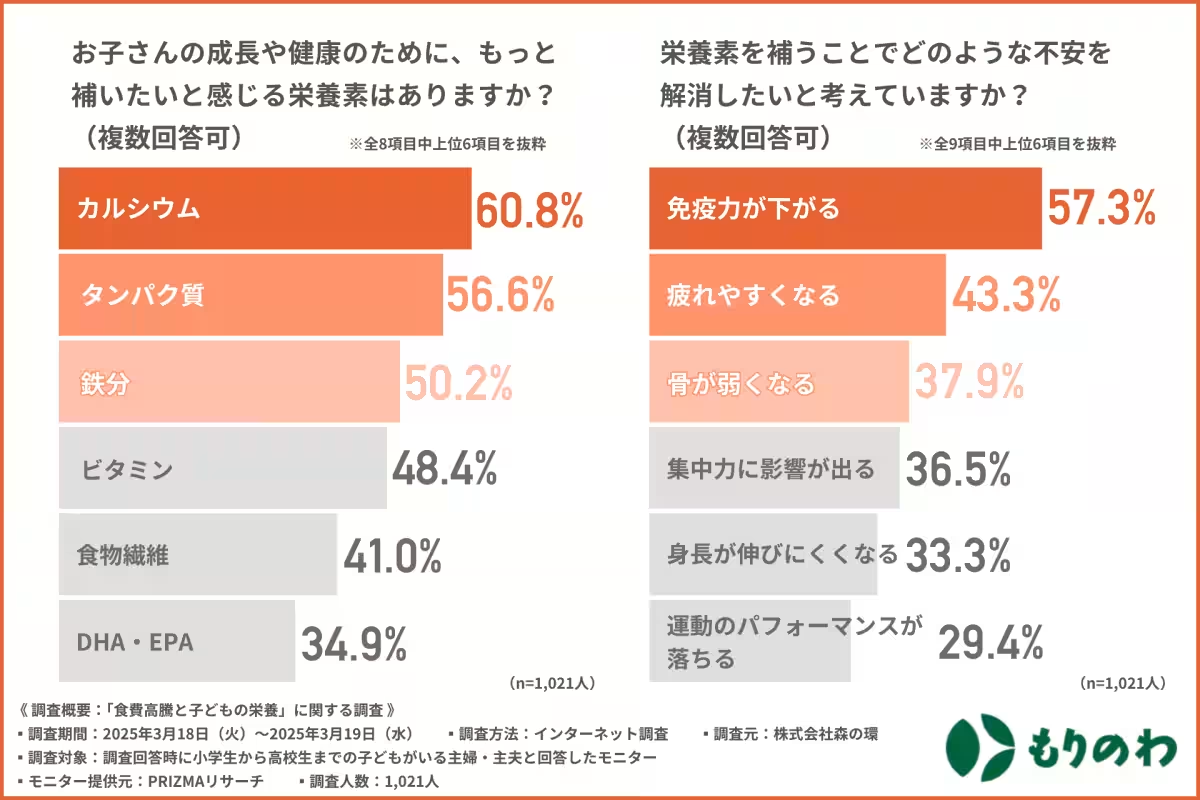
In addressing nutrition, the survey asked parents which nutrients they felt were lacking. The consensus affirmed that calcium (60.8%), protein (56.6%), and iron (50.2%) were vital for supporting their children’s health. Notably, preventing a decline in immunity was the greatest concern for parents, as 57.3% reported fearing their children’s immunity may weaken due to inadequate nutrient intake, followed by the worries of fatigue and weakened bones.
The Balancing Act of Nutrition and Cost
Parents have voiced their struggles in providing nutritious meals. The predominant concern isn't just about finding time to cook but also about ensuring meals meet the nutritional requirements while remaining affordable. The survey indicated that a majority of parents (58.1%) found considering a balanced diet labor-intensive, compounded by a lack of diverse recipes and the effort needed to prepare meals consistently.
Closing Thoughts: Navigating Through the Crisis
The survey results from Morinowa underline a pressing issue: the rising cost of living has made providing nutritional meals for children increasingly difficult for families. While many families are creatively adjusting their shopping habits, they continue to face the significant challenge of maintaining nutrition amidst financial constraints. This situation calls for innovative solutions and support systems that can bridge the gap between economic and nutritional demands, ensuring that children receive the essential nutrients they require for healthy development.
Introducing Hanabiratake: The Superfood Solution
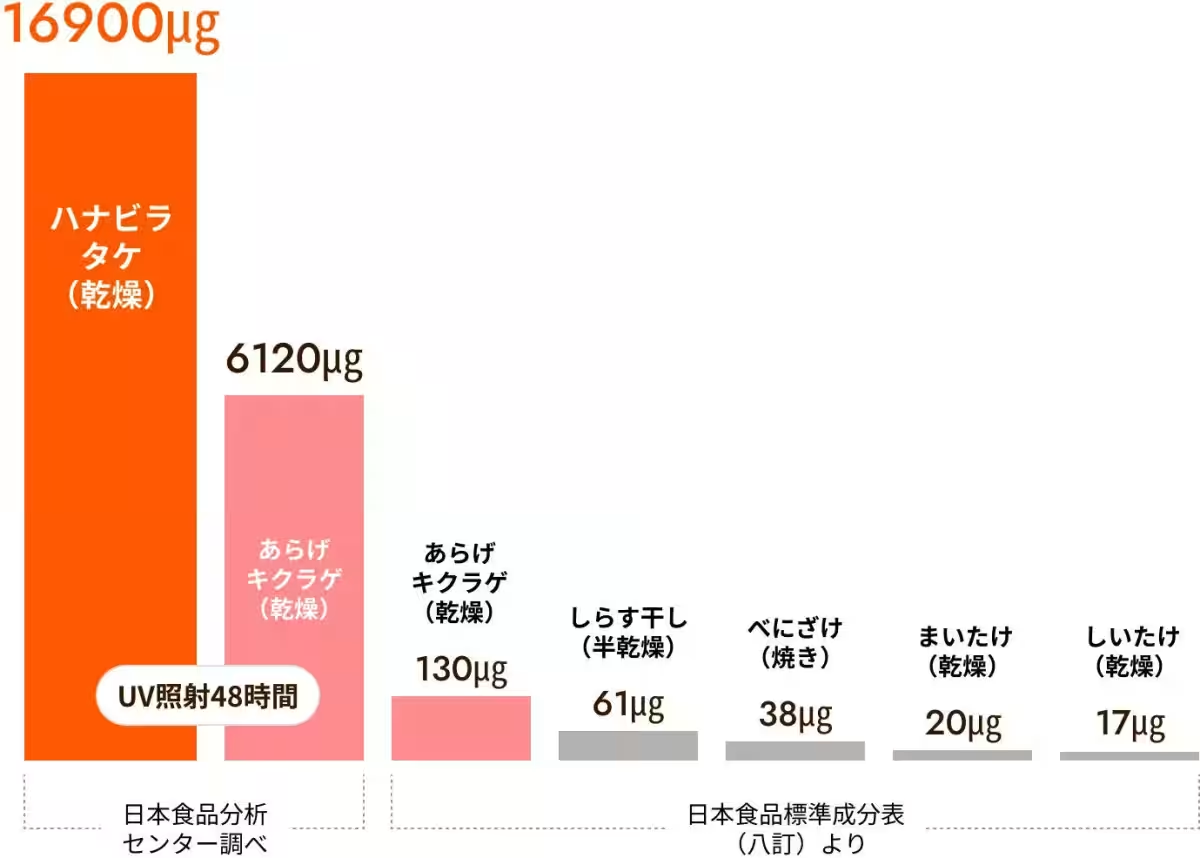
Amidst these challenges, Morinowa Co., Ltd. has developed Hanabiratake, a mushroom rich in Vitamin D, which can easily integrate into family meals, offering a nutrient-dense option for parents keen to enhance their children's diets economically. Known as the 'superfood', Hanabiratake can help address calcium and Vitamin D deficiencies, lessening concerns around children's immunity and overall health.
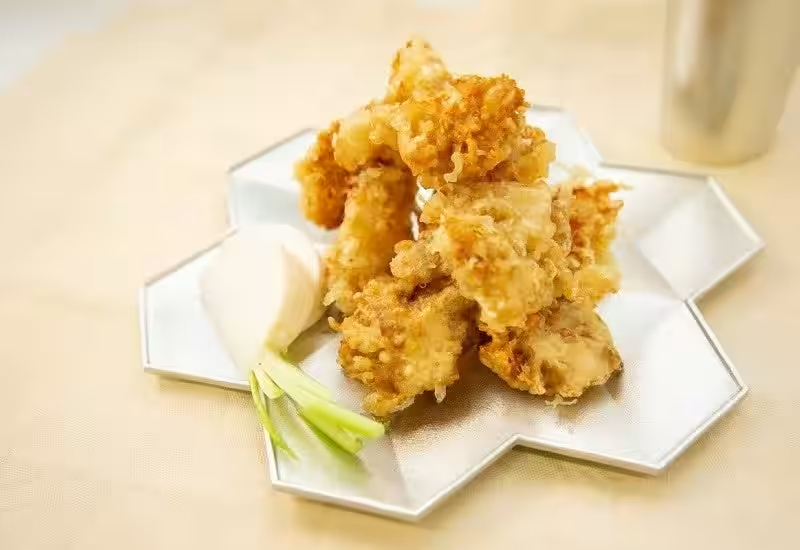
Recipe for Delicious Hanabiratake Fried Mushrooms
- - Ingredients: 150g of Hanabiratake, garlic, soy sauce, and more.
For more details, visit Morinowa's website for further insights, product details, and recipes that make nutrition accessible and enjoyable for every family.
Conclusion
In conclusion, as families navigate through high food prices while striving to meet their children's nutritional needs, employing thoughtful strategies to ensure a balanced diet is more critical than ever. Nutrient-rich foods like Hanabiratake can significantly ease the burden, emphasizing the importance of prioritizing health alongside cost management in daily meals.





Topics Other)


【About Using Articles】
You can freely use the title and article content by linking to the page where the article is posted.
※ Images cannot be used.
【About Links】
Links are free to use.