



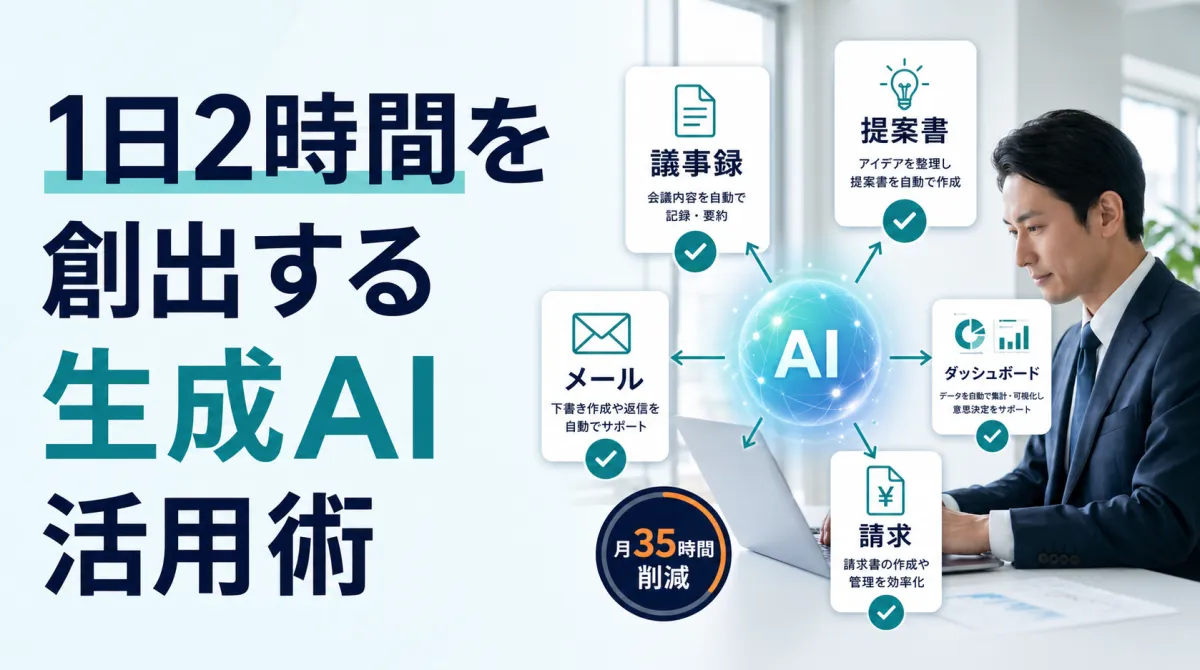
Non-Engineers Can Use Generative AI to Save Two Hours Daily
Unlocking Two Extra Hours: Generative AI for Non-Engineers
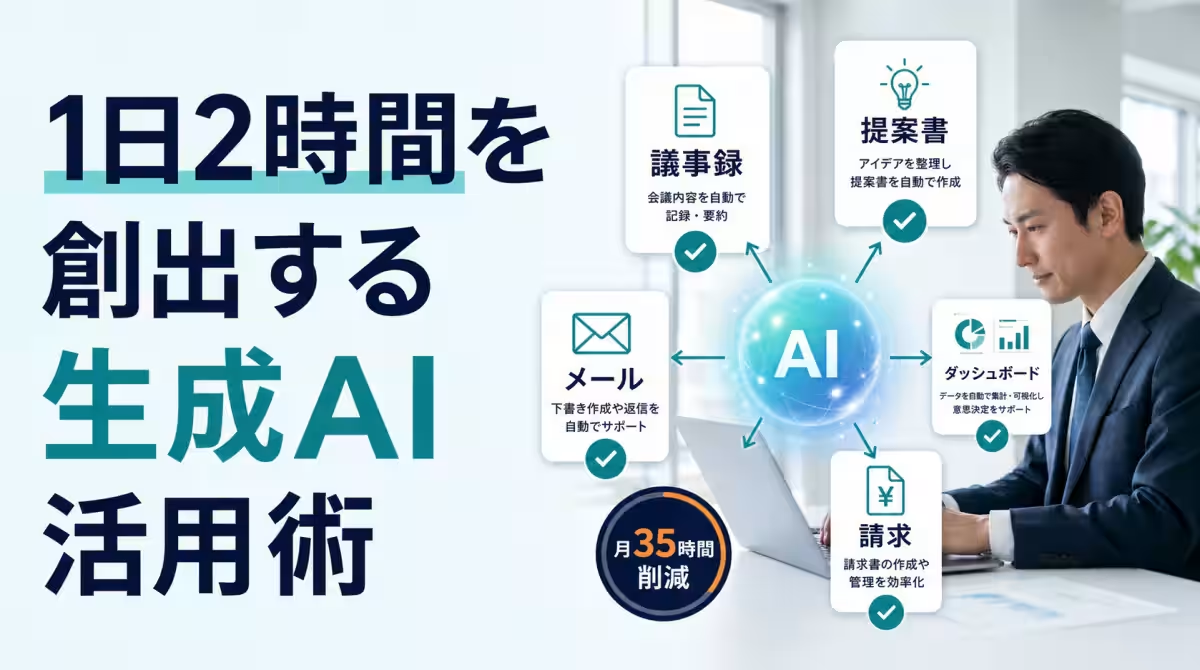
In the landscape of small to medium-sized businesses, CEOs often juggle multiple responsibilities including sales, hiring, and management tasks. This multifaceted role frequently leaves decision-makers with insufficient time to think, particularly as routine tasks like meeting minutes, proposal drafts, and email responses consume valuable hours. However, the potential of generative AI extends beyond mere content creation, demonstrating its capabilities in areas such as organizing minutes, structuring proposals, generating email drafts, and providing decision-making support.
Background Challenges
CEOs in small enterprises often find themselves overwhelmed with responsibilities. Juggling various roles such as sales, team management, and financial oversight leads to a lack of dedicated time for critical thinking. The perception that generative AI is suited only for specialists or programmers creates a barrier, preventing business leaders from adopting tools that could significantly enhance their efficiency. Unfortunately, many overlook the powerful features of these tools, mistakenly believing they are exclusive to technical users due to their names or interfaces.
For instance, Akihiro Suzuki, the CEO of Comix, initially viewed the AI development tool “Claude Code” as limited to engineers and didn’t foresee its application in business operations. Yet, after inputting meeting notes and instructing the AI in Japanese to sort out decisions and tasks, he received structured minutes in about 30 seconds, reducing his typical workload of over an hour to just eight minutes.
Practical Guidance
Suzuki's experience inspired the Free Guide on Generative AI Utilization, aimed at empowering non-engineering leaders to adopt AI into their daily tasks effectively. The guide offers practical steps for those unfamiliar with AI, covering how to effectively implement generative tools into workflows like meeting minutes, proposals, emails, billing, and strategic decision-making.
Key Takeaways from the Guide:
1. Overcoming Misconceptions: Understanding the reasons behind delayed adoption of tools labeled as
Topics Other)

【About Using Articles】
You can freely use the title and article content by linking to the page where the article is posted.
※ Images cannot be used.
【About Links】
Links are free to use.