



The Surprising Impact of Workplace Dryness on Skin Health
The Surprising Impact of Workplace Dryness on Skin Health
As the autumn and winter months approach, many individuals begin to notice increased skin dryness affecting their overall health and well-being. A recent survey conducted by the Iron-Bound Medical Corporation investigated how different environments contribute to skin dryness. With data collected from over 300 participants aged 20 to 50 across Japan, the results uncover crucial insights into where people experience the most dryness and how they can combat it.
Key Findings on Skin Dryness
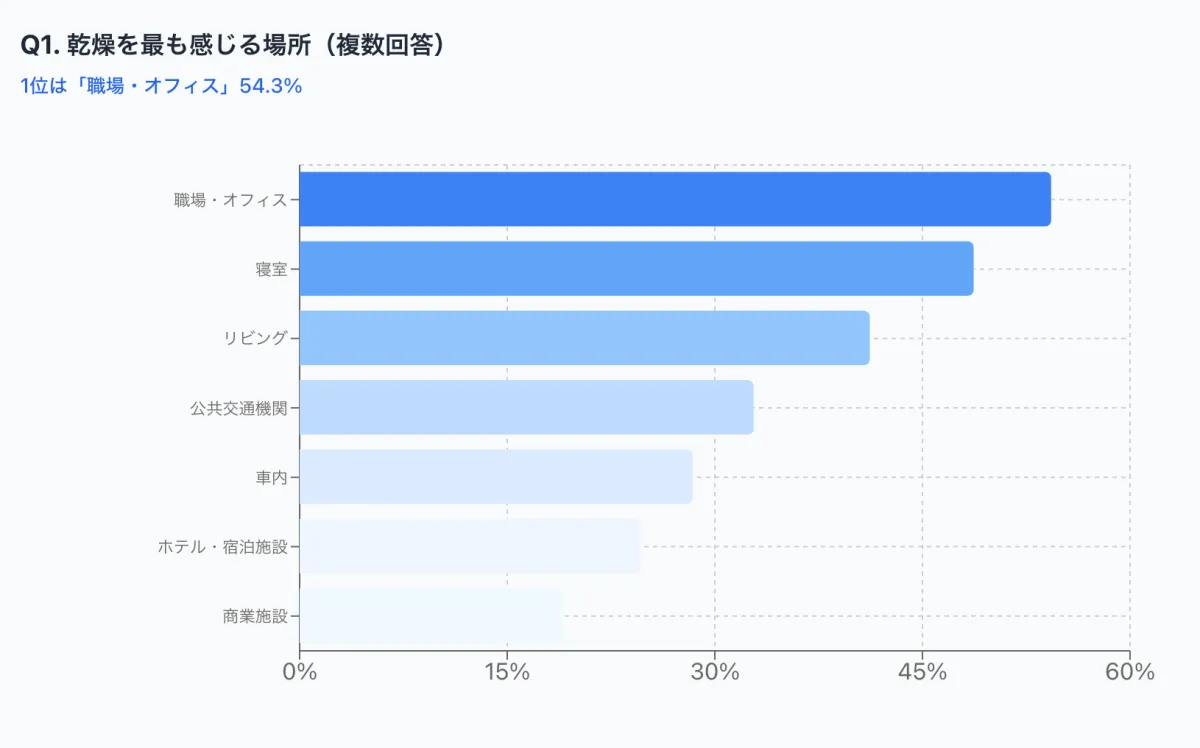
The survey revealed that the most common location where individuals experience skin dryness is the workplace, with 54.3% of respondents indicating they feel the impact there. This concern is compounded by the fact that many workplaces utilize powerful air conditioning, leading to excessively low humidity levels. Following the workplace, other prominent locations for skin dryness included:
- - Bedroom: 48.7%
- - Living Room: 41.2%
- - Public transport (trains/buses): 32.8%
- - Car interiors: 28.4%
- - Hotels: 24.6%
Morning Skin Issues Linked to Dry Bedrooms
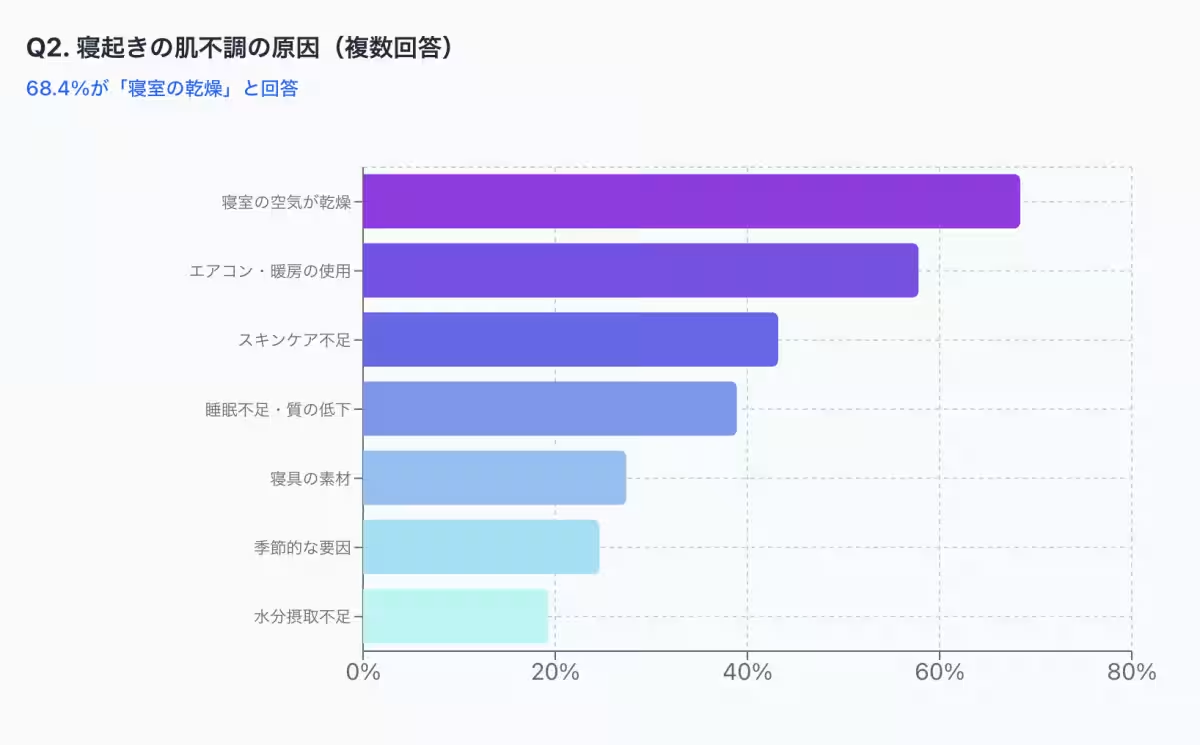
Participants reported that 68.4% of them recognized dry bedroom air as a significant cause of their morning skin issues. Other contributing factors included:
- - Air conditioning and heating usage (57.8%)
- - Inadequate skincare routines before bed (43.2%)
Discontent with Workplace Conditions
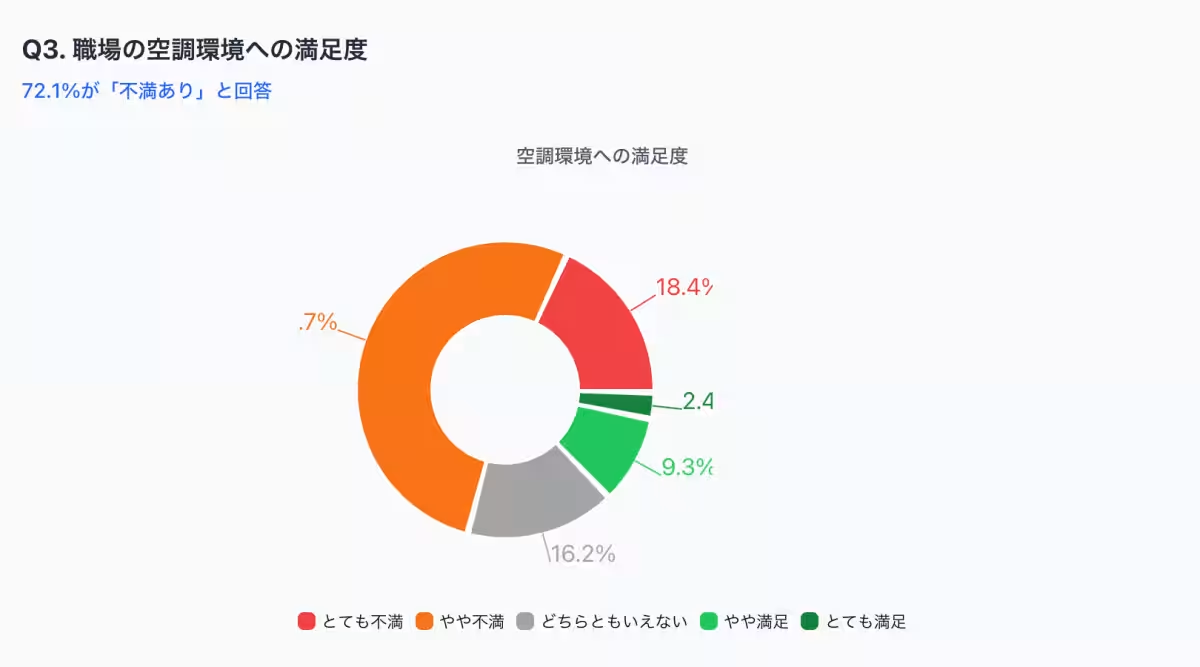
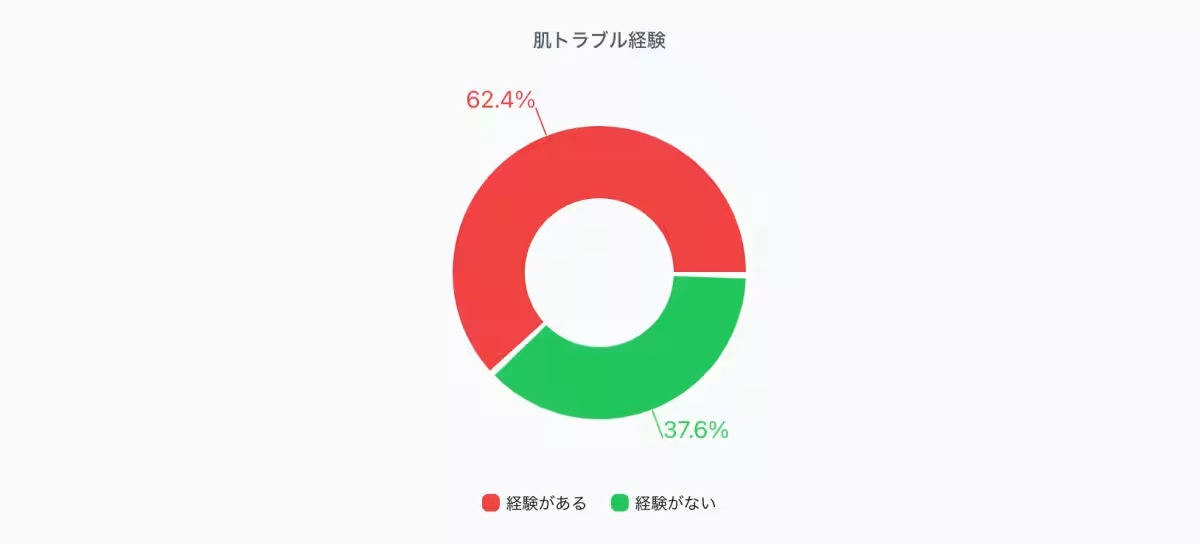
Survey data indicated a striking 72.1% of respondents expressed dissatisfaction with their workplace's air conditioning. Additionally, over 60% admitted to experiencing skin problems attributed to their work environments, with the leading complaints being:
- - Tightness and dryness (78.6%)
- - Itching (45.2%)
- - Makeup melting (41.8%)
Humidifier Usage Trends
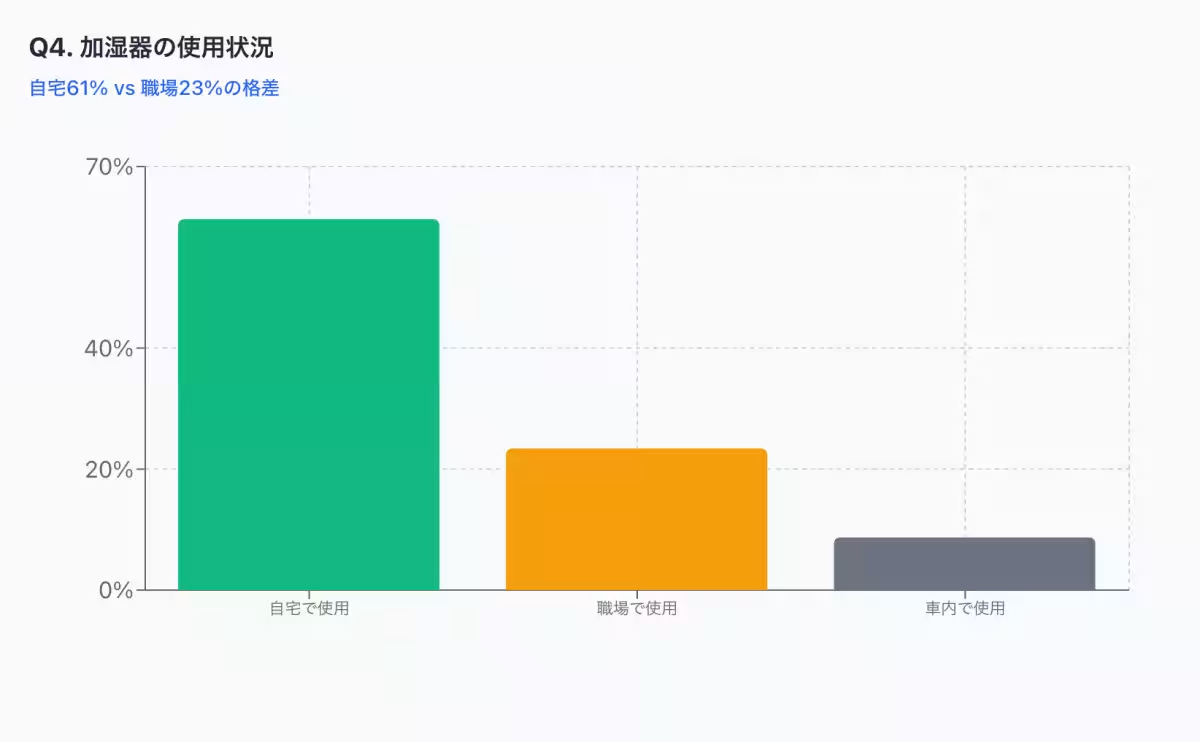
Interestingly, while 61% of respondents reported using humidifiers at home, only 23.4% said they employed them in their workplaces. This disparity illustrates a significant gap in effective dryness prevention strategies in a location where many individuals report the greatest discomfort.
Overall Assessment of Dryness Management
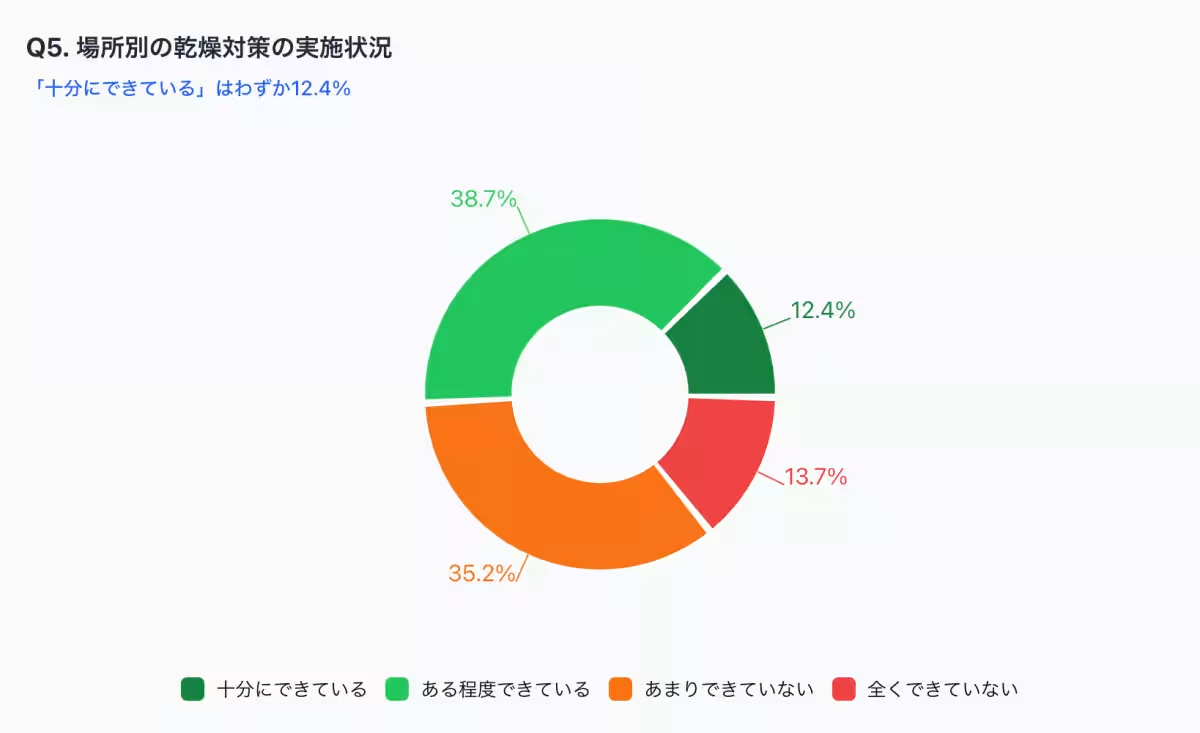
When asked how adequately they believed they were managing dryness across different settings, only 12.4% felt they were doing enough. Many respondents recognized needing more effective strategies to protect their skin in relation to their environment.
Conclusion
The findings of this survey highlight the pressing issue of workplace dryness and its impact on skin health. Many people remain unaware of how their surroundings can exacerbate skin problems, particularly in environments like offices that prioritize temperature control over humidity.
Dr. Kota Takakuwas of the IC Clinic emphasizes that individuals should not accept skin dryness as an inevitable consequence of winter. He advocates for proactive measures including:
- - Regularly using humidifiers in dry environments
- - Keeping moisture-boosting products like mists and creams on hand
- - Ensuring an effective skincare routine before bedtime
By managing dryness effectively, individuals can protect their skin's barrier function and overall health,
thus preventing potential complications such as dermatitis, wrinkles, and other skin disorders. For persistent issues, consulting with dermatology professionals may provide tailored solutions for skin care.
Consult a Specialist
If you're experiencing ongoing dry skin issues, professional medical advice can offer relief and improve your skin's condition. The IC Clinic offers a range of treatments tailored to individual skin needs, utilizing experts in the field to ensure comprehensive care.
Clinic Information and Availability
For appointments at IC Clinic locations throughout Japan, including Shinjuku, Shibuya, Ueno, Ikebukuro, and Tokyo, please feel free to reach out and secure a consultation to find the most effective solutions for your skin health.
Topics Health)
【About Using Articles】
You can freely use the title and article content by linking to the page where the article is posted.
※ Images cannot be used.
【About Links】
Links are free to use.