



2023 Rental Market Trends Reveal Significant Shifts in Pricing Strategies
Analyzing Rental Price Adjustment Trends from 2016 to 2025
Overview
IeloveGROUP, a leading provider of DX support services tailored for the real estate industry, has released the results of its study on rental price adjustment trends from 2016 to 2025. This comprehensive analysis is based on data collected from 465,000 rental contract renewals, shedding light on how the rental market is evolving in response to economic pressures.
Context of the Research
In recent years, the rental market has witnessed a significant shift towards revisiting rents, driven by rising prices and escalating labor and material costs. Starting in 2023, the market transitioned from a deflationary phase—characterized by static rents during the pandemic—to an inflationary environment, marking a substantial change in market dynamics.
The adoption of IeloveCLOUD, IeloveGROUP's property management system, reflects this trend, having achieved the highest market share in the rental management system market according to Fujikimeira Research. Over the past decade, the company has accumulated extensive data on rental contract renewals, which provided the foundation for this analysis of rental adjustment trends.
Key Findings of the Analysis
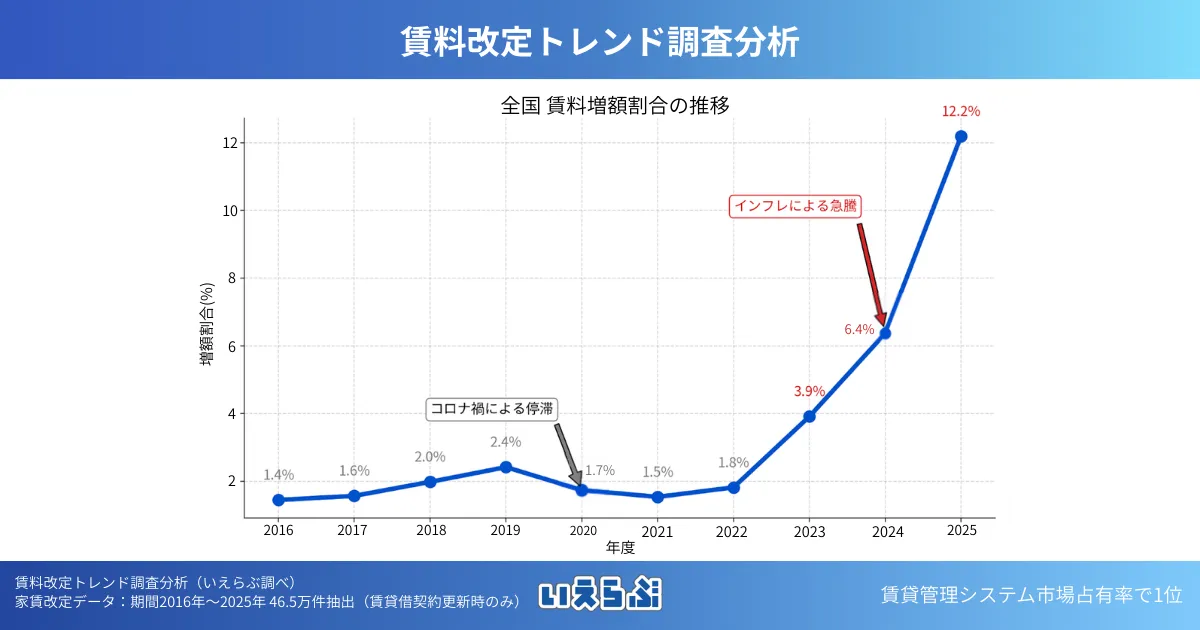
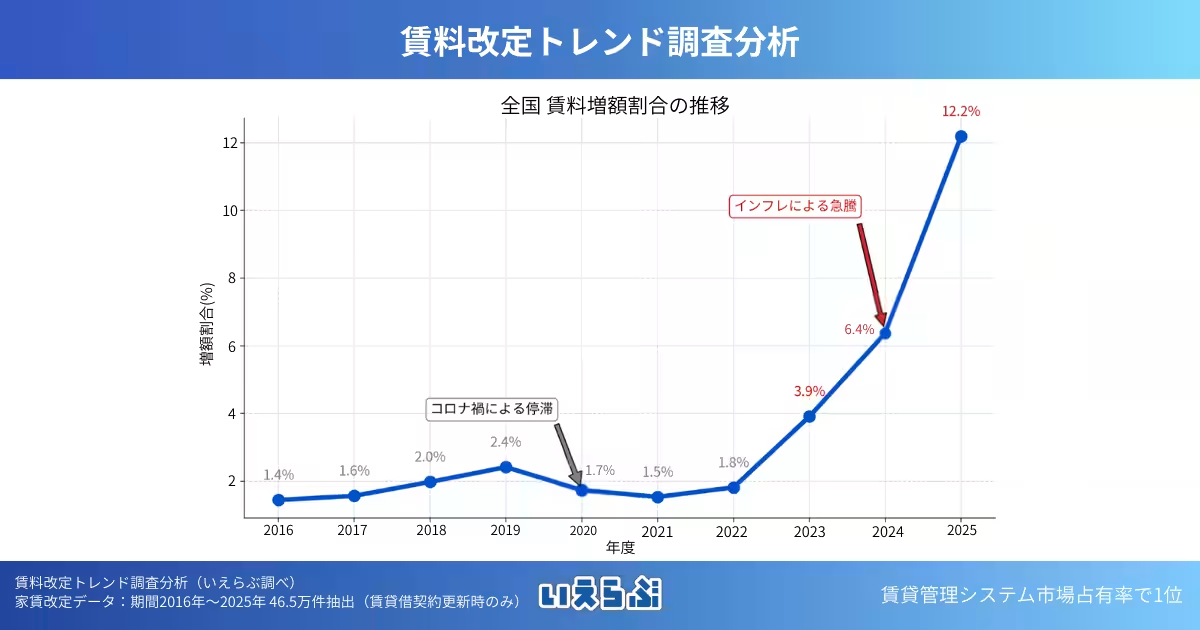
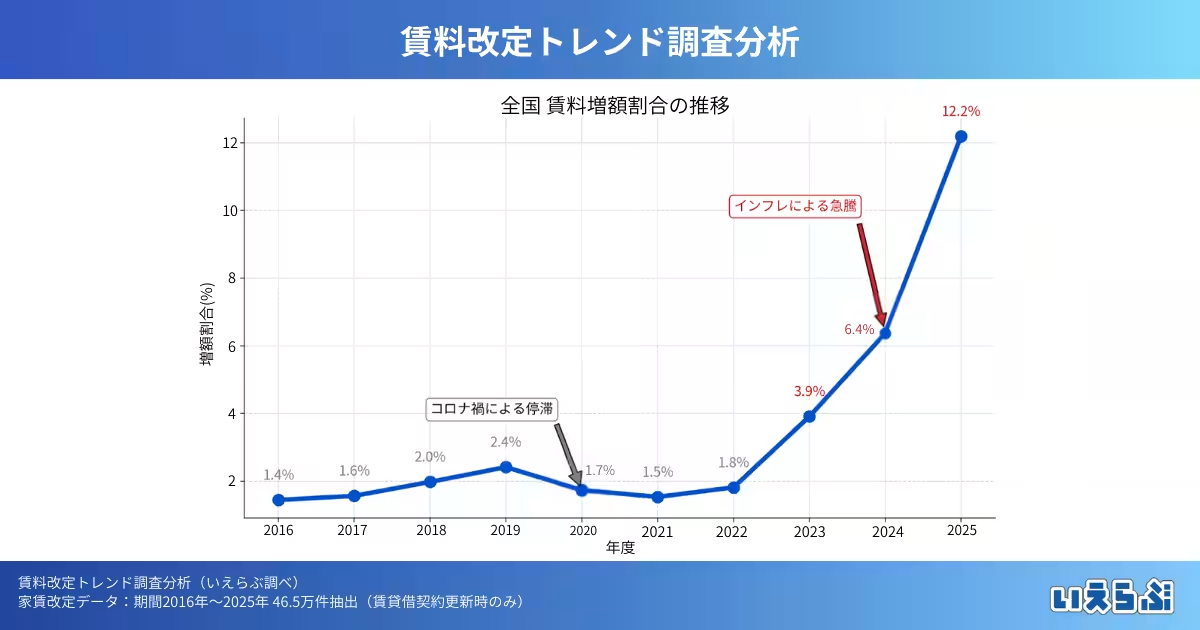
1. Overall Trend: Rental prices steadily increased until 2019, stagnated during the pandemic, and surged post-2023 amid rapid inflation.
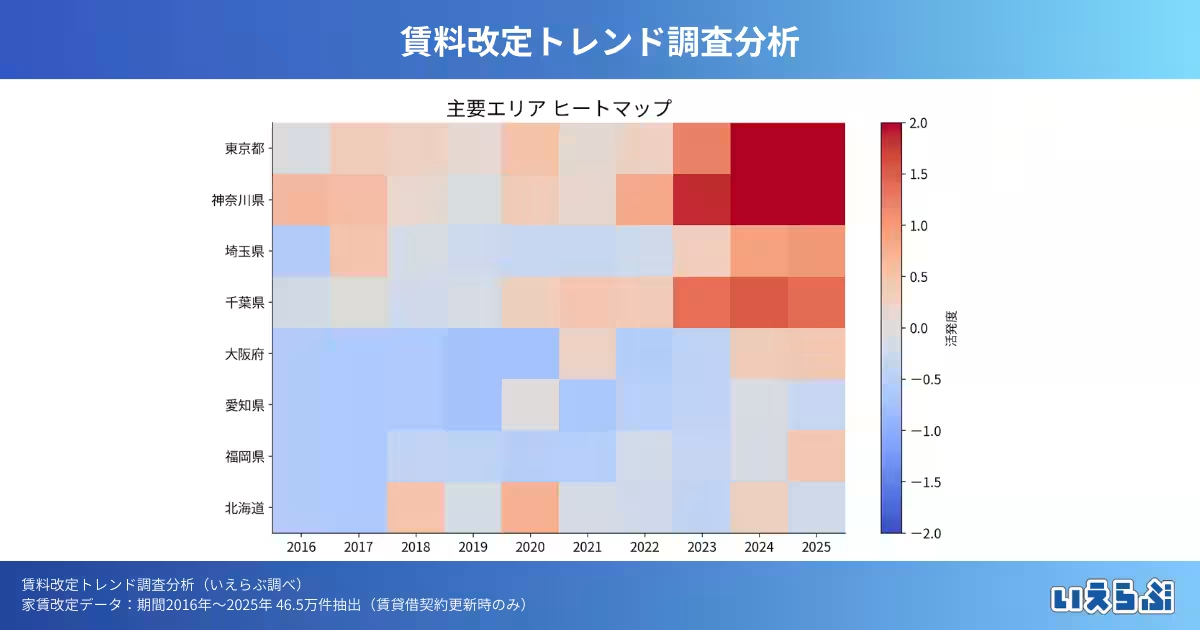
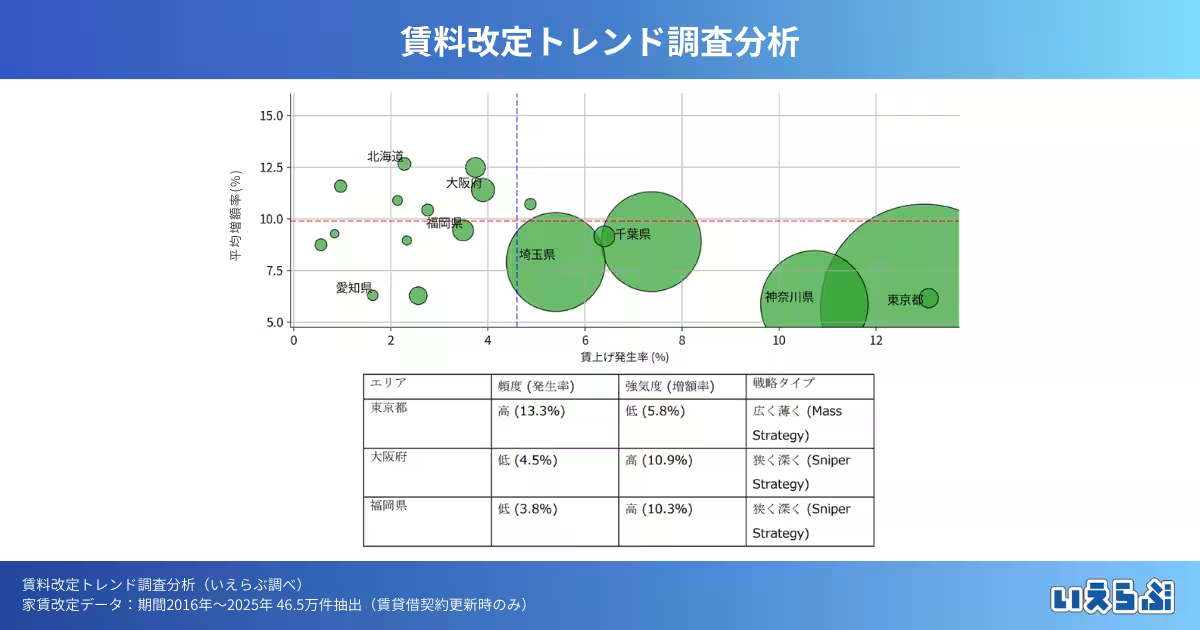
2. Metropolitan Concentration: Approximately 60% of rent increases occurred in Tokyo, with about 90% concentrated in the metropolitan areas, indicating limited spillover effects to regional markets.
3. Diverging Strategies: In Tokyo, a broad yet mild increase across many properties contrasts with a more selective, aggressive approach in rural areas.
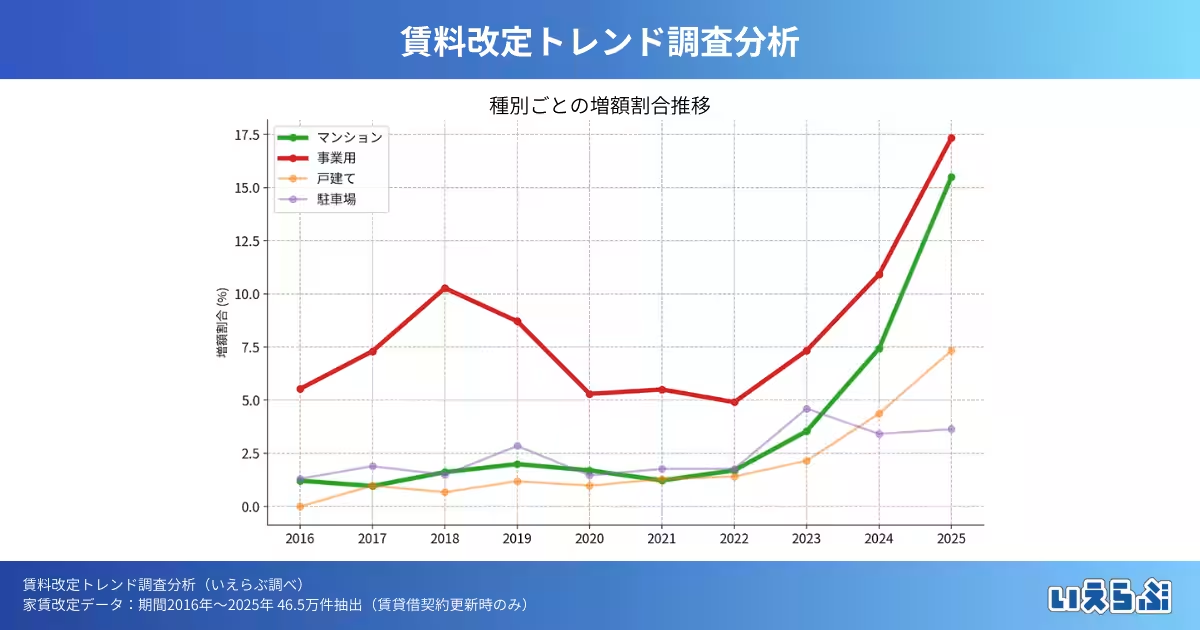
4. Driving Forces: Commercial properties and residential apartments experienced significant price hikes, while parking spaces remain stagnant in terms of price adjustments.
Detailed Analysis of Trends
Overall Trend: From Stagnation to Rapid Inflation
- - 2015-2019 (Gradual Increase): The latter half of Abenomics was marked by a gradual rise in rents as economic recovery began to be felt.
- - 2020-2022 (Stagnation Amidst COVID-19): The pandemic led to a halt in economic activities, causing landlords to hold off on rent increases to prevent tenant turnover. This period was characterized by defensive strategies, including rent reductions.
- - 2023 Onward (Surge in Inflationary Pressures): With economic activities resuming and inflation rising globally, the pressure on landlords to raise rents has peaked, leading to projections of an increase as high as 12.2% by 2025.
Metropolitan Concentration: Insights into Regional Disparities
The heatmap analysis shows that regions within the Tokyo metropolitan area (including Kanagawa, Chiba, and Saitama) exhibit strong rent increase trends, while major cities like Osaka and Fukuoka have only recently started to recover from stagnation, suggesting they lag behind the Tokyo market.
Diverging Strategies: Contrasting Approaches
- - Tokyo's Strategy: A mild increase across a broad audience reflects a cautious approach in this high-density area.
- - Rural Areas: A more selective strategy is evident, targeting only those properties significantly under market value for substantial adjustments, often exceeding 10%.
Sector-Specific Drivers
The analysis also highlights that the commercial and residential sectors are driving the market, as opposed to parking spaces, which have seen minimal changes in rental pricing due to their lower priority.
Future Trends in Rental Adjustments by 2026
1. Metropolitan Areas (Apartments and Commercial): Expect widespread mild increases of 5% on average. Landlords will likely communicate these adjustments to all tenants due to the prevailing market sentiment that encourages raising rents.
2. Regional Areas (Osaka, Fukuoka, etc.): An individualized approach will be crucial, meticulously selecting properties that are below the market to negotiate significant increases without risking tenant departure.
3. Parking Spaces: These are likely to remain unchanged as landlords prioritize maintaining occupancy rates over making minor adjustments that could lead to tenant dissatisfaction.
Conclusion and Future Outlook
Kenichi Niwayama, a director at IeloveGROUP, emphasizes that changes in rental adjustments are not merely temporary but reflect profound structural shifts initiated in 2023. Notably, the differences in incrementation strategies across metropolitan and regional areas are becoming more pronounced, suggesting that previous blanket policies may no longer be effective. IeloveGROUP plans to integrate AI capabilities to enhance data analysis and support strategic rental pricing adjustments tailored to area specifications.
Additional Information
IeloveGROUP continues to push forward with its mission to facilitate secure and fair housing choices, having gained acceptance from over 44,000 real estate companies nationwide. The group prioritizes transparency and fairness in real estate transactions, ensuring that both tenants and lessors can navigate the market confidently.
For more details and inquiries, visit IeloveGROUP.

Topics Consumer Products & Retail)



【About Using Articles】
You can freely use the title and article content by linking to the page where the article is posted.
※ Images cannot be used.
【About Links】
Links are free to use.