



The 61st Survey of Students' Consumption and Living Conditions Reveals Insights on Today's College Life
Overview of the 61st Survey of Student Living Conditions
The National Federation of University Co-operative Associations has released its annual report on the survey of college students' consumption and living conditions. This comprehensive study, conducted at over 30 universities across Japan, sheds light on the economic challenges faced by students in 2025 and highlights the evolving landscape of student life amid rising costs.
Key Findings
Increased Living Costs and Financial Adjustment
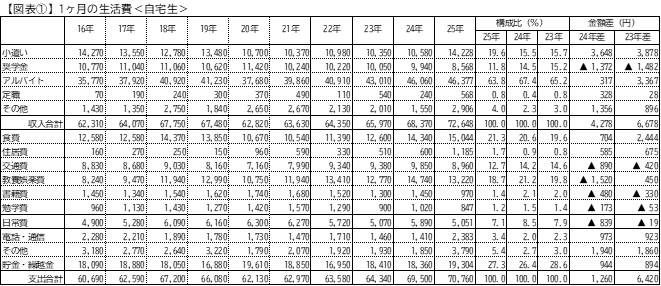
The survey indicates that both students living at home and those in dormitories are grappling with increased food expenses due to inflation. However, many are simultaneously tightening their budgets for transportation, entertainment, and academic-related expenditures. Notably, the average spending on books has plummeted below 1,000 yen for the first time since 2016, marking a worrying trend of reduced investment in academic resources.
Despite these rising costs, students report maintaining or even increasing their total income, largely sourced from part-time jobs, allowances, and parental support. This balance is critical as it reflects a shift in spending priorities brought on by economic pressures.
Rise in Financial Aid
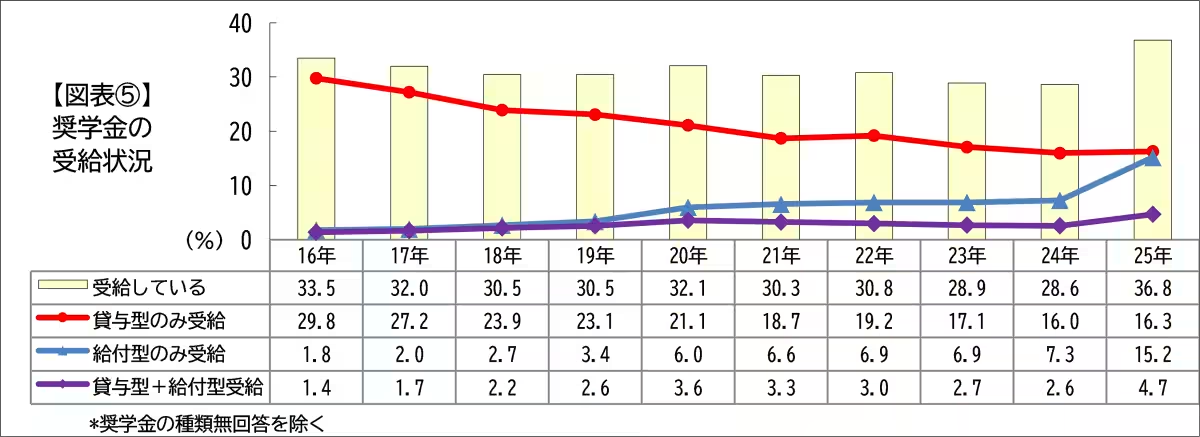
The study also highlights a growing trend in the receipt of grants and scholarships, particularly tuition waivers, benefiting a larger percentage of the student population. In contrast, students relying on loan-based scholarships express ongoing difficulties, with many feeling anxious about repayment obligations.
Among those receiving grants, the numbers have shown a significant increase, suggesting that more students are accessing financial support to help alleviate the costs associated with their education.
Attendance Patterns Shifting
With attendance and average hours spent on campus returning to pre-pandemic levels, the distribution of attendance patterns has transformed. While moderate attendance has decreased, both short and long stays are becoming more prevalent, reflecting changes in student lifestyles.
Evolving Relationship Dynamics
The ways in which students form relationships during university life are evolving. There is a notable shift away from traditional associations with clubs and organizations toward more personal connections tied to hobbies and individual interests. This change may reflect the broader societal movements towards personalized and niche community experiences.
Generative AI on the Rise
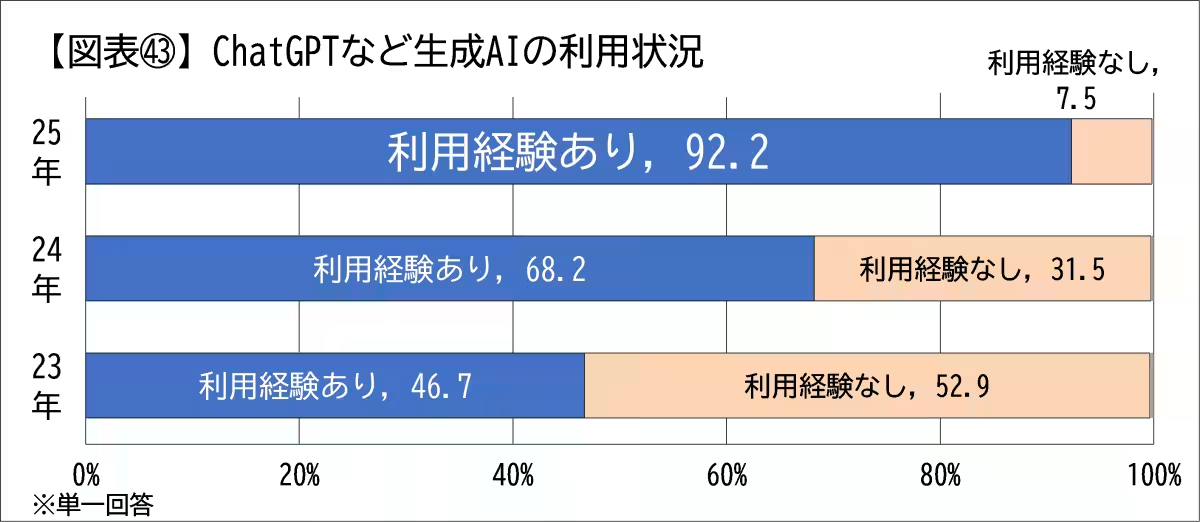
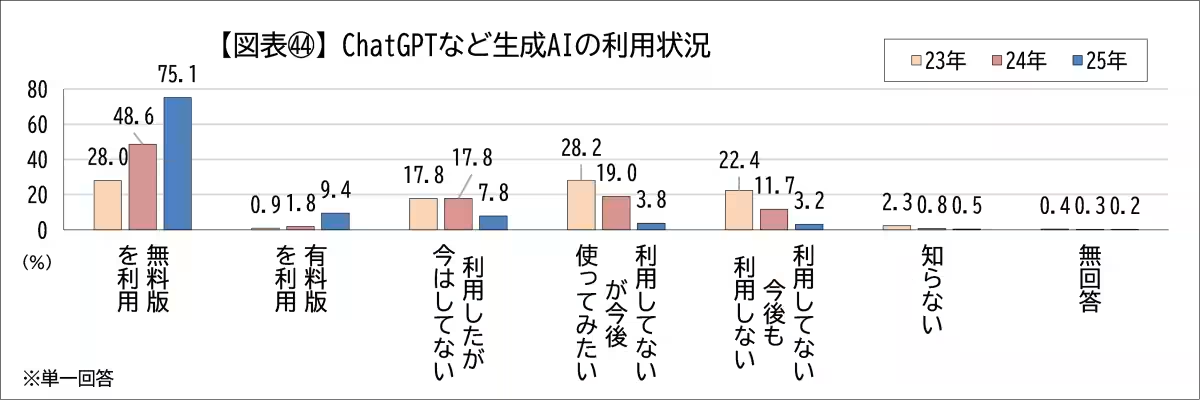
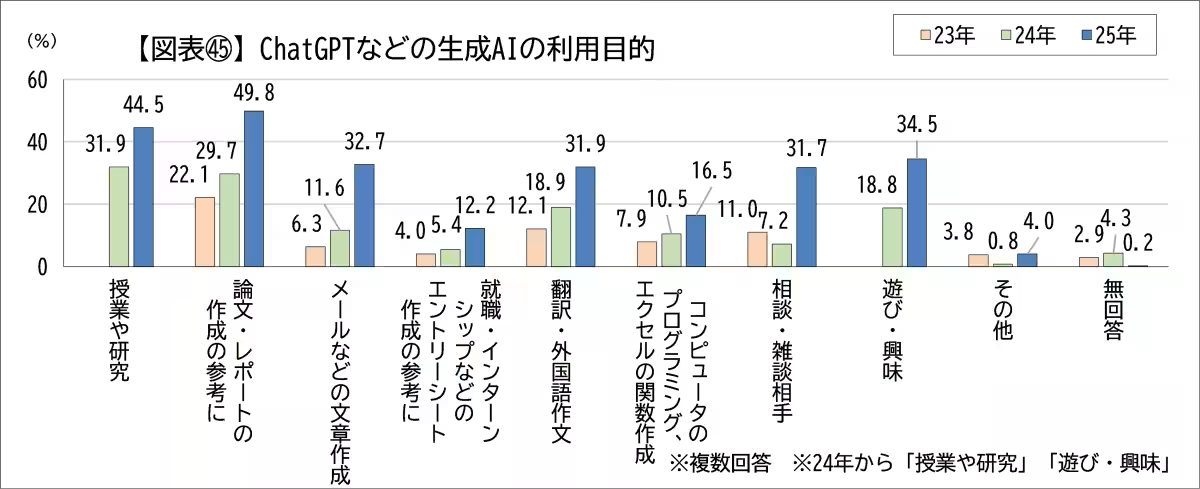
The 2025 survey reveals a remarkable surge in the use of generative AI, with a staggering 92.2% of students reporting experience with these technologies. Participants primarily leverage AI for academic purposes, such as coursework assistance and research, but there is also growing usage for translation and other casual inquiries, indicating a shift in the tools students rely on for support in their daily lives.
Purpose and Methodology of the Survey
The primary aim of the survey is to understand the economic aspects and the general behavior and sentiments of college students. By gathering this information, the National Federation of University Co-operative Associations seeks to improve its services and activities for students. Conducted via an online platform in October-November 2025 with a sample size of 13,277 students, the survey provides a thorough analysis of students' financial situations, spending habits, and attitudes towards education and technology, including the use of generative AI.
Conclusion
The findings from the 61st Survey of Student Living Conditions paint a complex picture of contemporary student life. As costs rise, students are forced to adapt their spending and seek out financial support while embracing new technology, such as AI, to enhance their academic experiences. The insights gained from this survey are invaluable for universities and policy-makers aiming to better support the students of tomorrow.





Topics Consumer Products & Retail)
【About Using Articles】
You can freely use the title and article content by linking to the page where the article is posted.
※ Images cannot be used.
【About Links】
Links are free to use.