



Impact of Increased Medical Fees on Health and Expenses for Ages 70-74
The Effects of Increased Co-Payment on Healthcare Costs and Health Status in Japan for Ages 70-74
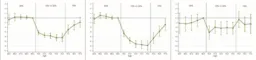
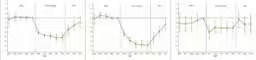
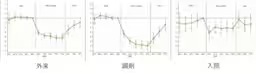
Recent research conducted by Professor Shunichiro Bessho from Waseda University's Graduate School of Political Science and Economics and Associate Professor Norihiro Komura from Kyoto University sheds light on the effects of increased co-payment rates in Japan's healthcare system. The study focuses on the policy change from April 2014, which raised the patient co-payment rate from 10% to 20% for individuals aged 70-74. The researchers conducted a comprehensive analysis over a span of seven-and-a-half years, observing that this increase in co-payment resulted in a notable decrease in medical expenses without negatively impacting the health of these patients.
Key Findings of the Study
The study highlighted several essential observations regarding the implications of the rise in co-payment rates:
- - Medical expenses for the 70-74 demographic decreased by about 4% for outpatient services, 3-6% for prescriptions, and 2% for hospitalization when comparing those who paid 20% to those who paid 10%. This trend of decreased medical costs persisted through their 70s.
- - Even after reaching 75, individuals who faced the 20% co-payment during ages 70-74 continued to exhibit lower medical expenses compared to their peers who had the 10% rate.
- - Contrary to common concerns regarding increased co-payments leading to reduced healthcare-seeking behaviors and consequently deteriorating health, this study found no evidence supporting a decline in health status due to the increase.
Investigating Patient Behavior
The study emphasizes that patient behaviors regarding healthcare utilization and expenses aren't solely dictated by the co-payment amount but are likely influenced by ingrained habits developed over time. For instance, past experiences with co-payments appear to mold future healthcare-seeking intentions, as the results suggest that those who paid a higher co-payment maintained a spending pattern consistent with their previous payment structure.
Significance for Healthcare Policy
Drawing from these findings, the research raises critical questions about how healthcare systems should structure co-payment levels to achieve both fiscal sustainability and favorable health outcomes. While raising co-payments can theoretically bolster the fiscal health of insurance systems, it may inadvertently deter individuals from seeking necessary medical attention, thereby potentially escalating healthcare costs in the long run.
This exploration of behaviors suggests that incorporating mechanisms that inform seniors about their co-payment statuses and fostering preventive care behaviors could be beneficial. Encouraging appropriate use of healthcare resources without deterring necessary treatments over financial concerns could create a more sustainable healthcare model.
Looking Ahead
Despite the insights gleaned from this research, the mechanisms behind the reduced healthcare costs associated with previous co-payment exposure warrant further investigation. Understanding why individuals who faced higher costs maintain a different healthcare consumption pattern, despite being subjected to the same financial conditions later in age, is essential. Future research will need to dive into the behavioral economics of healthcare to clarify these relationships better.
Conclusion
The implications of these findings are significant for policymakers and healthcare administrators as they strive to design healthcare systems that balance cost-effectiveness with optimal patient health outcomes. As Japan's population ages, the insights from this study can serve as a guide toward enhanced healthcare reform that applies economic principles effectively while considering the health realities of older adults.
Topics Health)
【About Using Articles】
You can freely use the title and article content by linking to the page where the article is posted.
※ Images cannot be used.
【About Links】
Links are free to use.