



The Economic Impact of Solar Power and Storage: A Supportive Perspective
Overview of Solar Power and Storage Emergency Value
A recent study conducted by Kokusaikogyo Co., Ltd. (headquartered in Shinjuku, Tokyo) has revealed significant insights into how sales personnel in the solar power and storage industry address the economic effects of their offerings, especially concerning emergency situations. The study involved 109 sales representatives who focus on educating clients about the monetary value of solar power systems during crises.
Key Findings of the Research
1. Strong Support for Economic Value Measurement
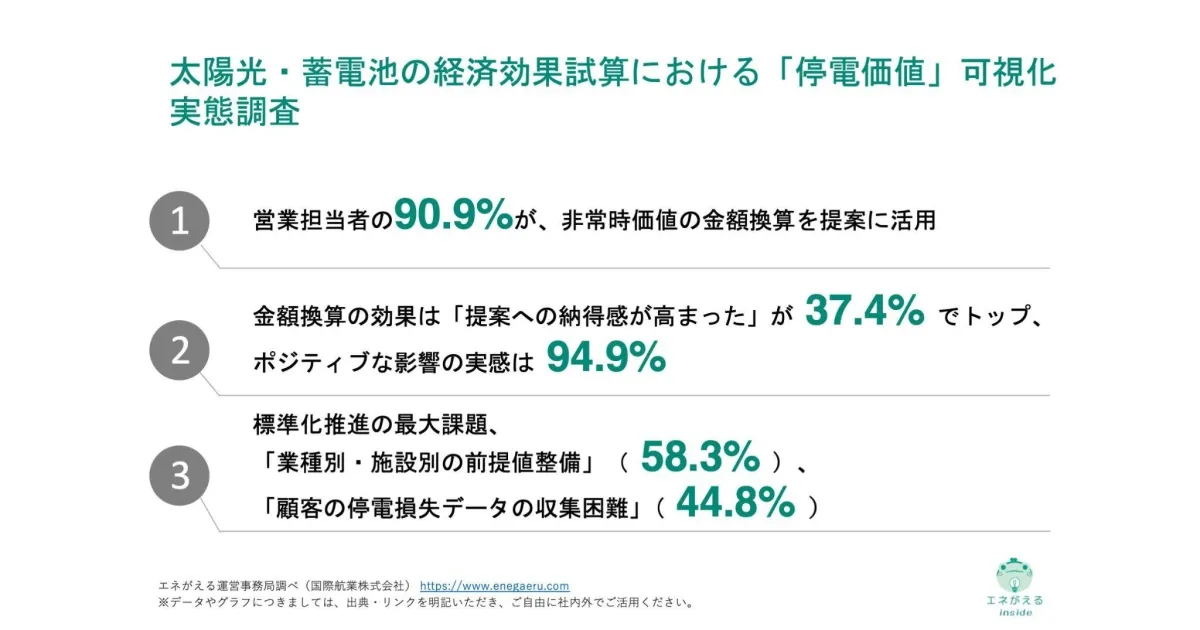
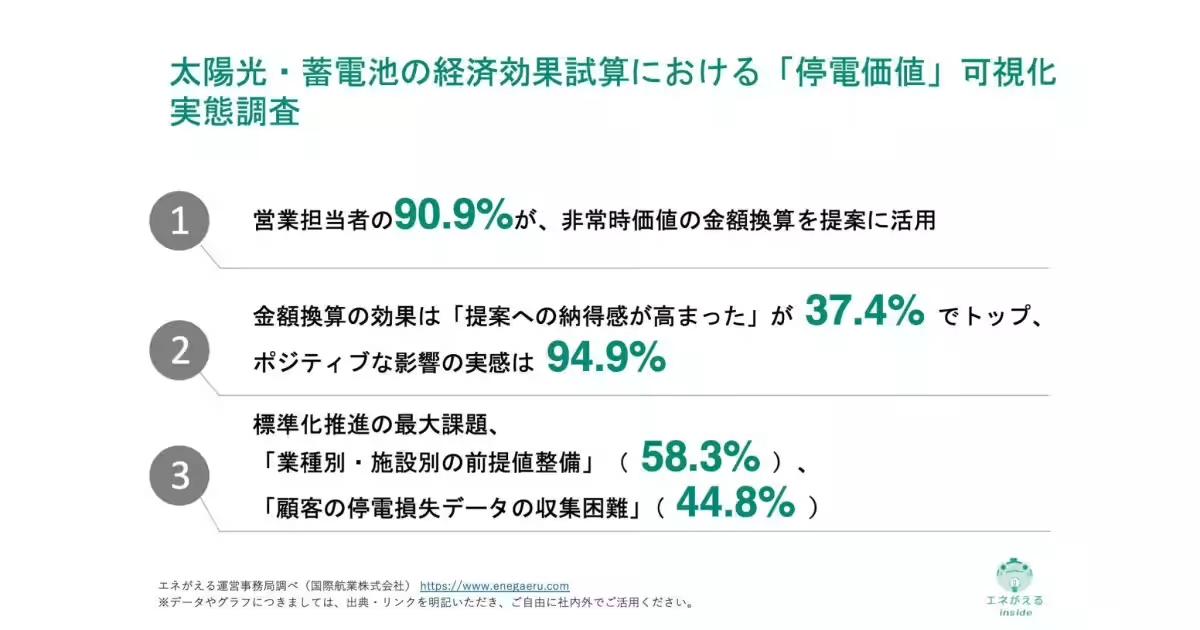
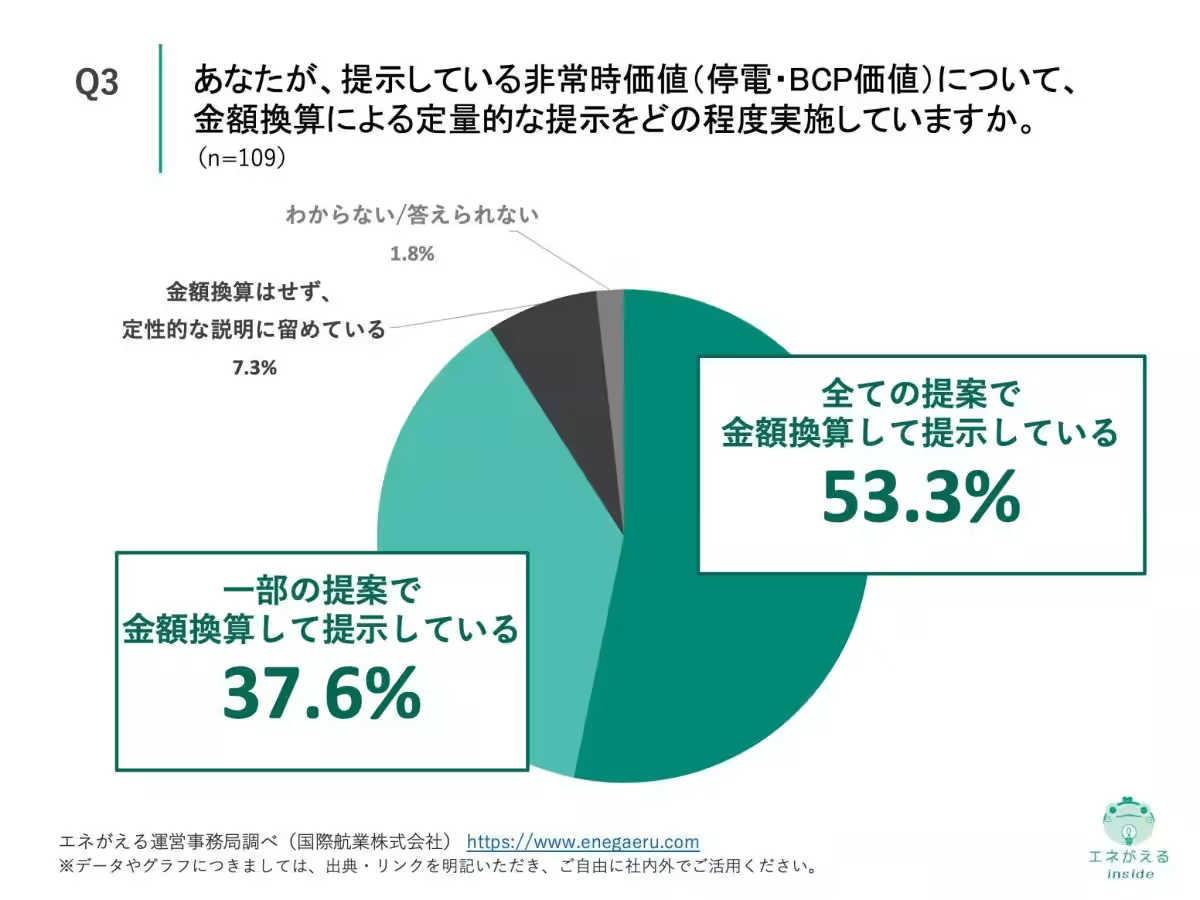
A striking 90.9% of the sales staff reported utilizing the monetary quantification of the emergency value of solar power and storage systems in their proposals. This quantification helps convey the financial benefits of avoiding costs associated with power outages, such as restoration costs and initial response expenses.
2. Positive Impact on Proposal Acceptance
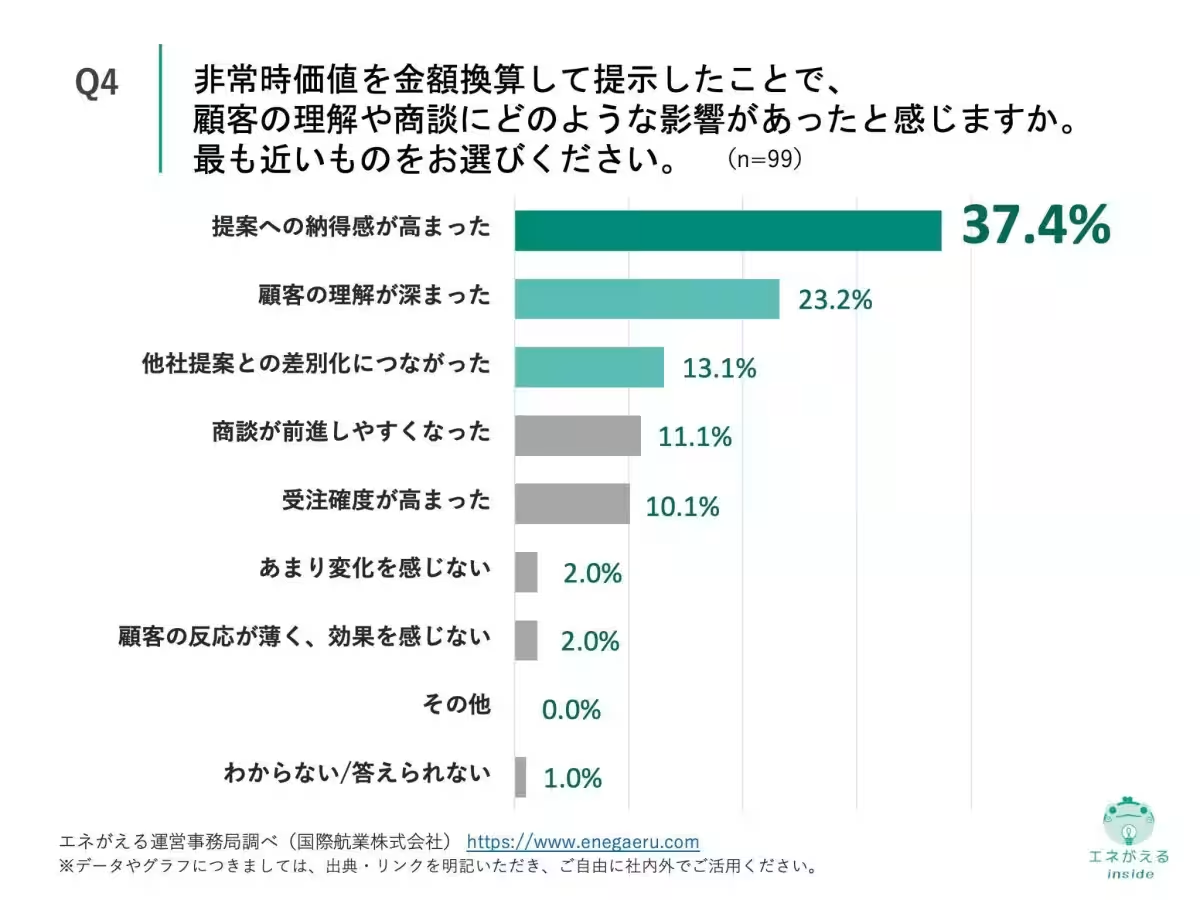
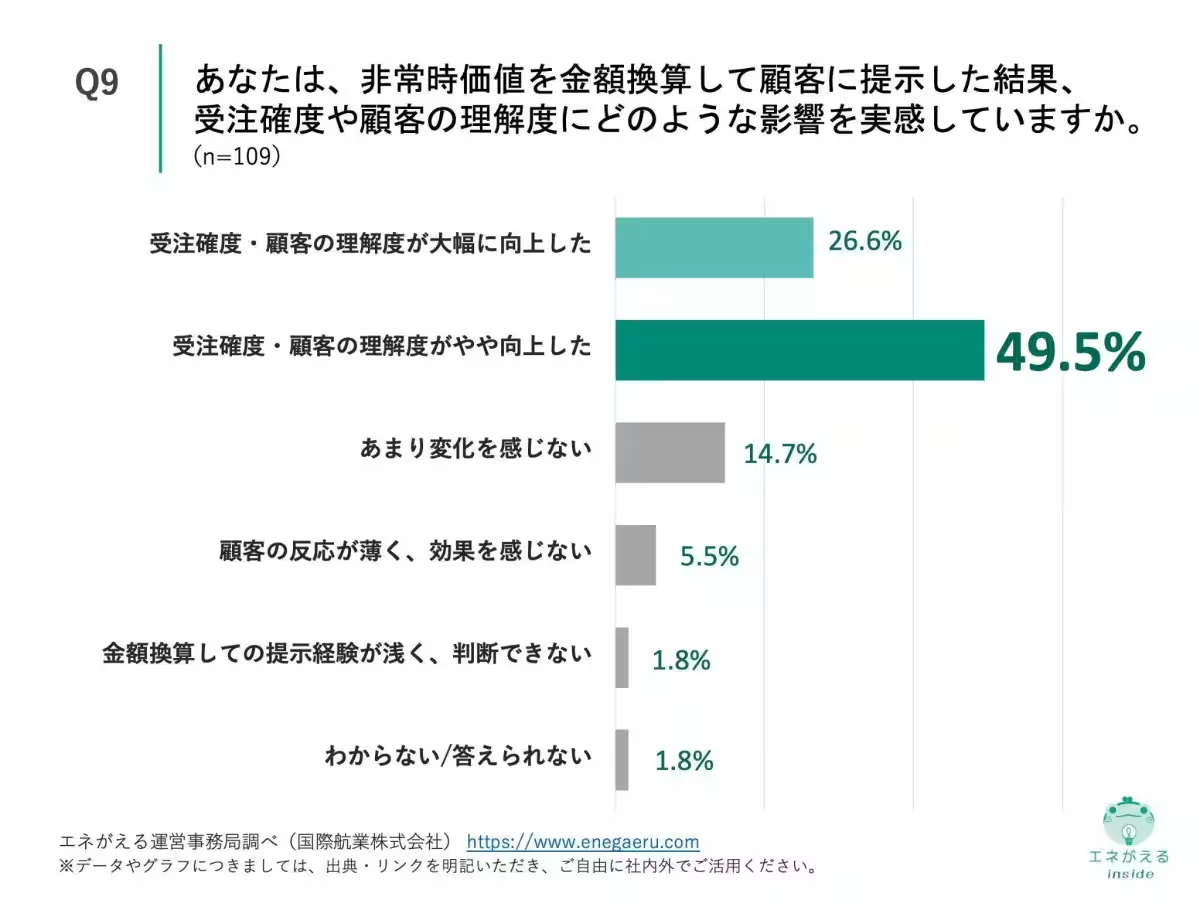
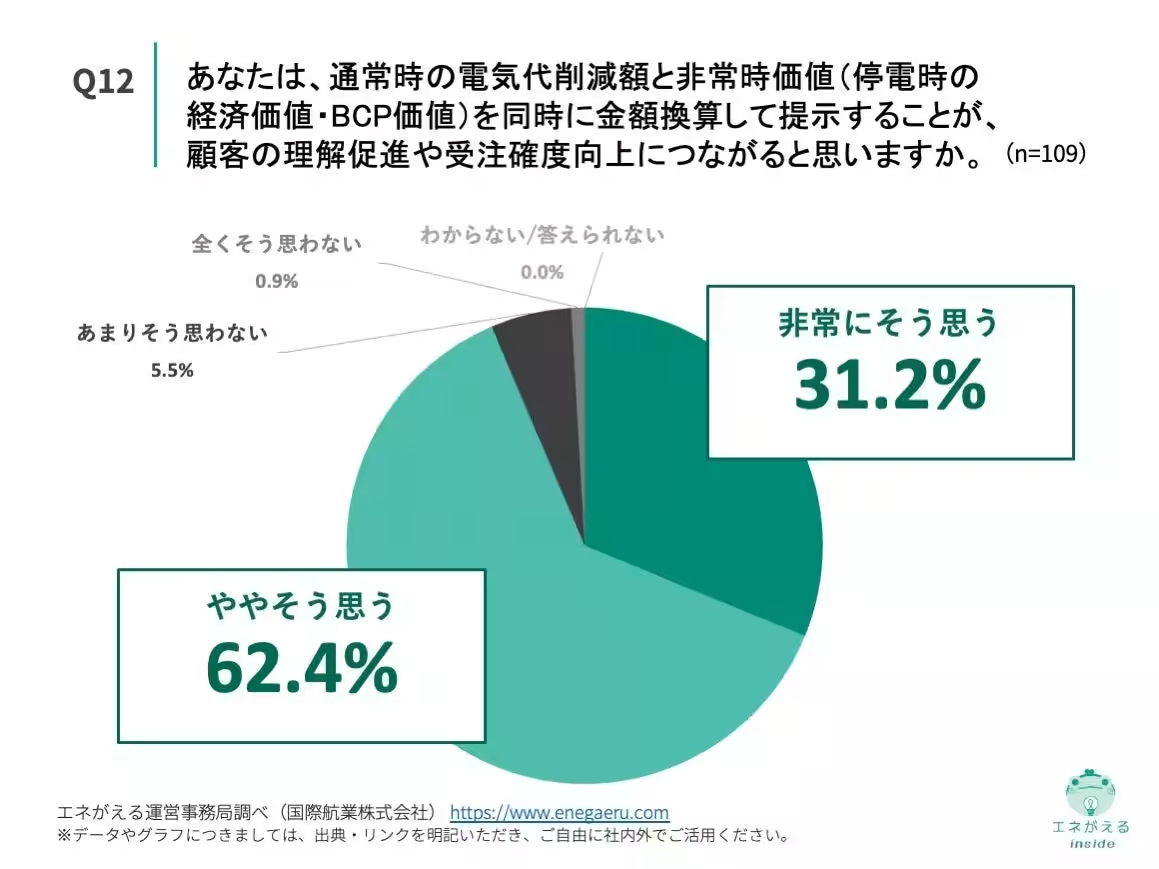
Around 37.4% of respondents expressed that quantifying these values significantly enhances clients' understanding and acceptance of the proposals presented to them. Overall, 94.9% reported feeling an affirmative influence from quantifying the emergency values.
3. Challenges in Standardization
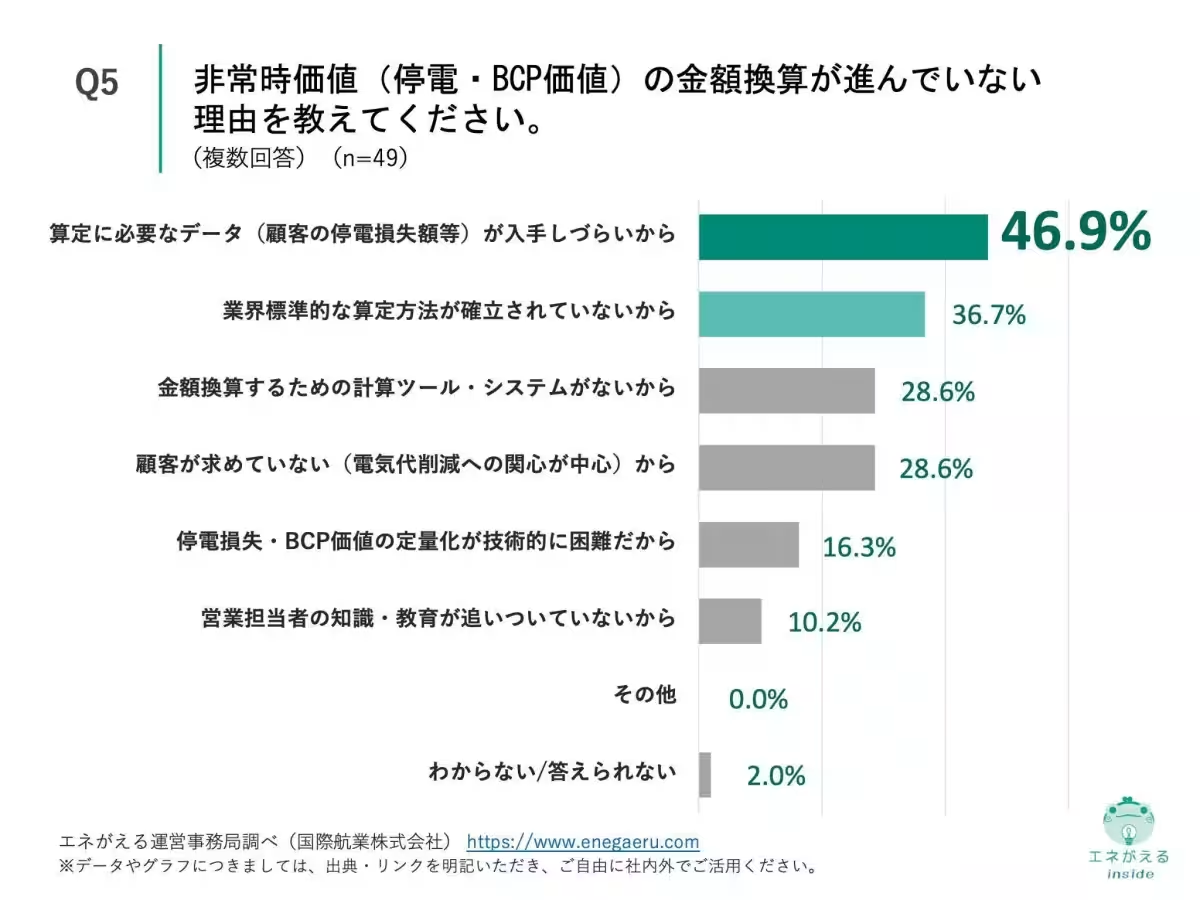
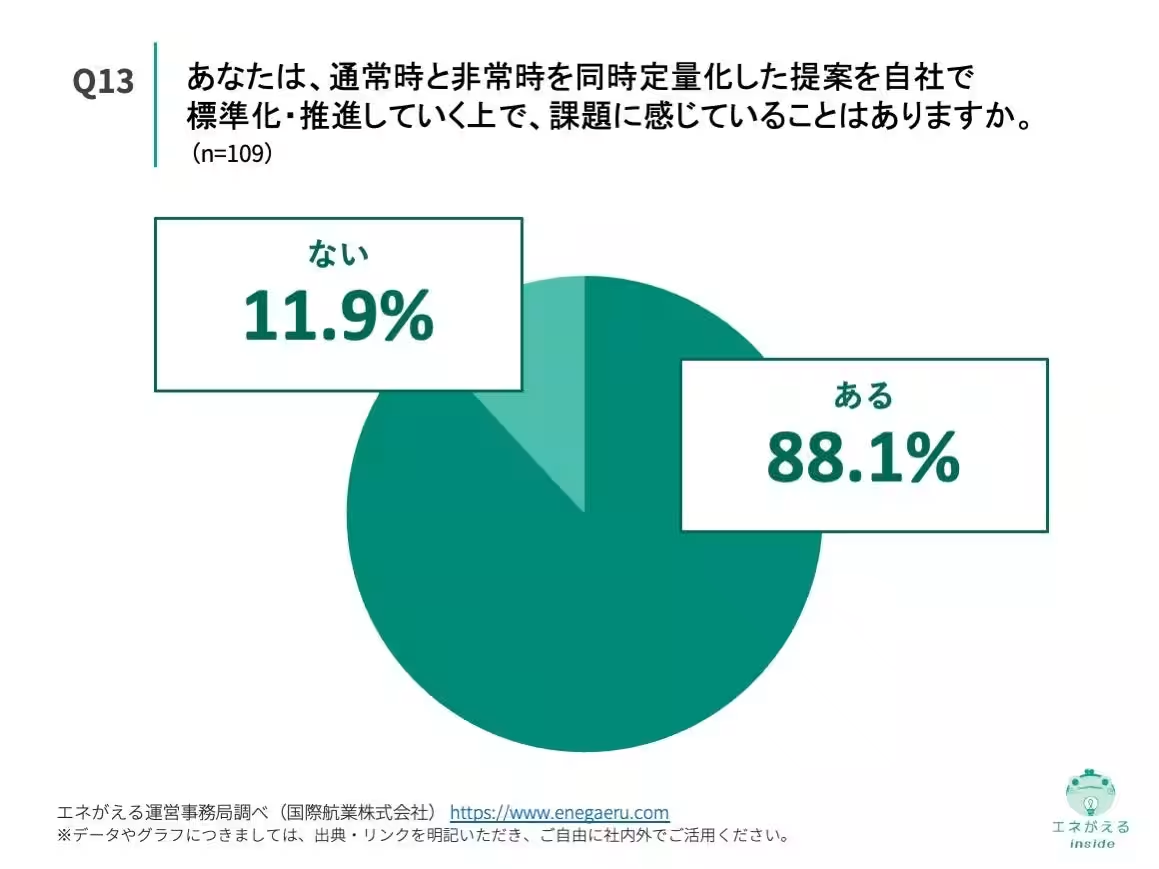
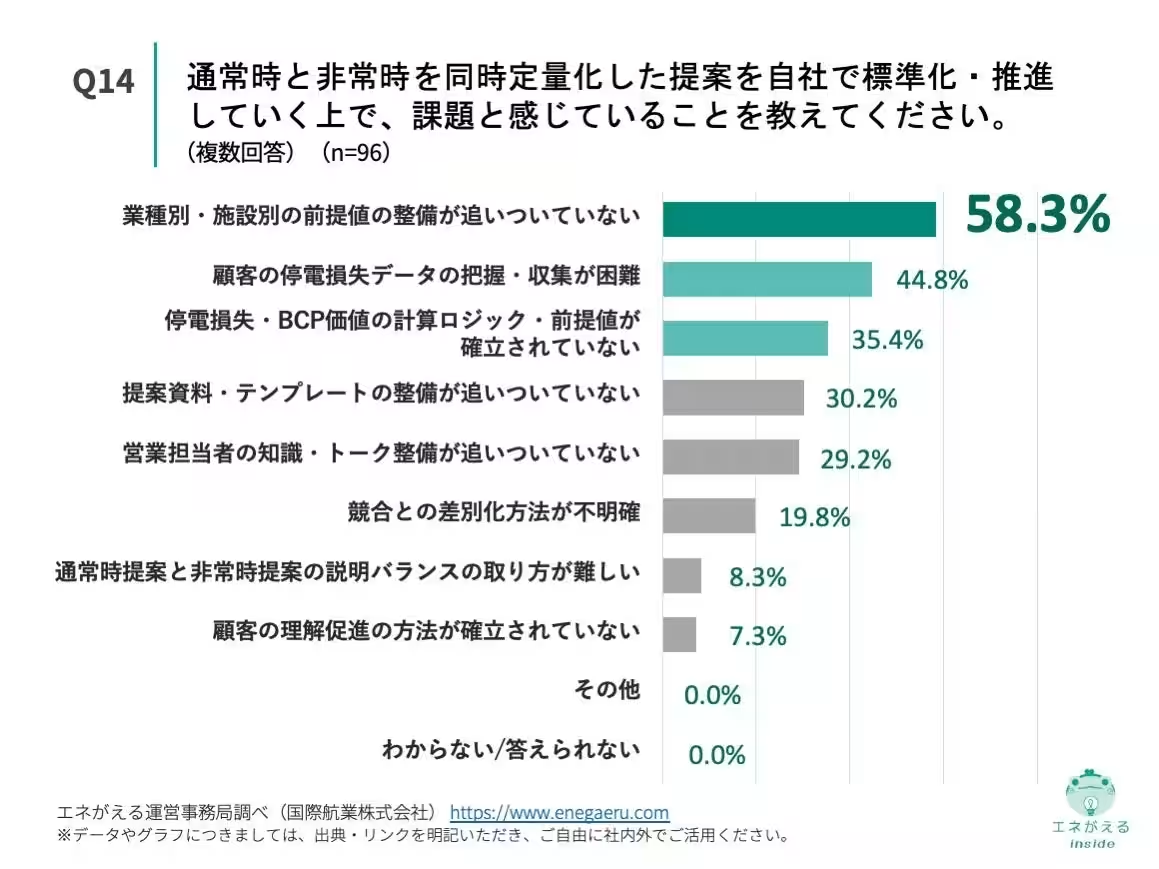
Despite the high level of support for quantifications, the study indicated that 88.1% of participants face challenges in standardizing these measures across different types of industries and facilities. The most common obstacles include difficulties in gathering outage loss data (44.8%) and the need for established calculations for each industry sector (58.3%).
4. Emergency Value Presentation Strategies
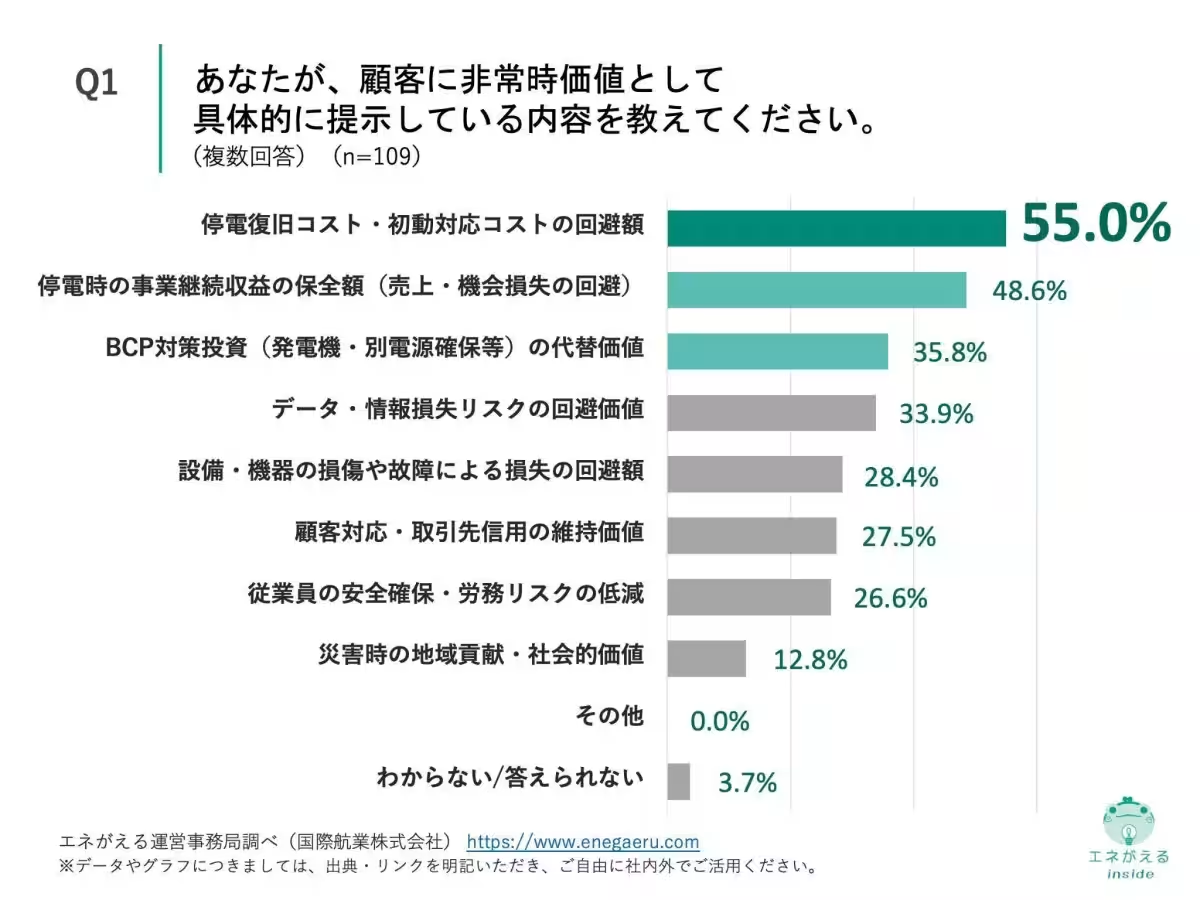
When asked about the specific emergency values shared with clients, 55.0% highlighted the cost avoidance of outage response and restoration. Additionally, 48.6% noted the importance of preserving business continuity revenue during outages, and 35.8% mentioned the alternative value of business continuity planning investments, like backup generators.
5. BCP Concerns Intensified by Seasonal Risks
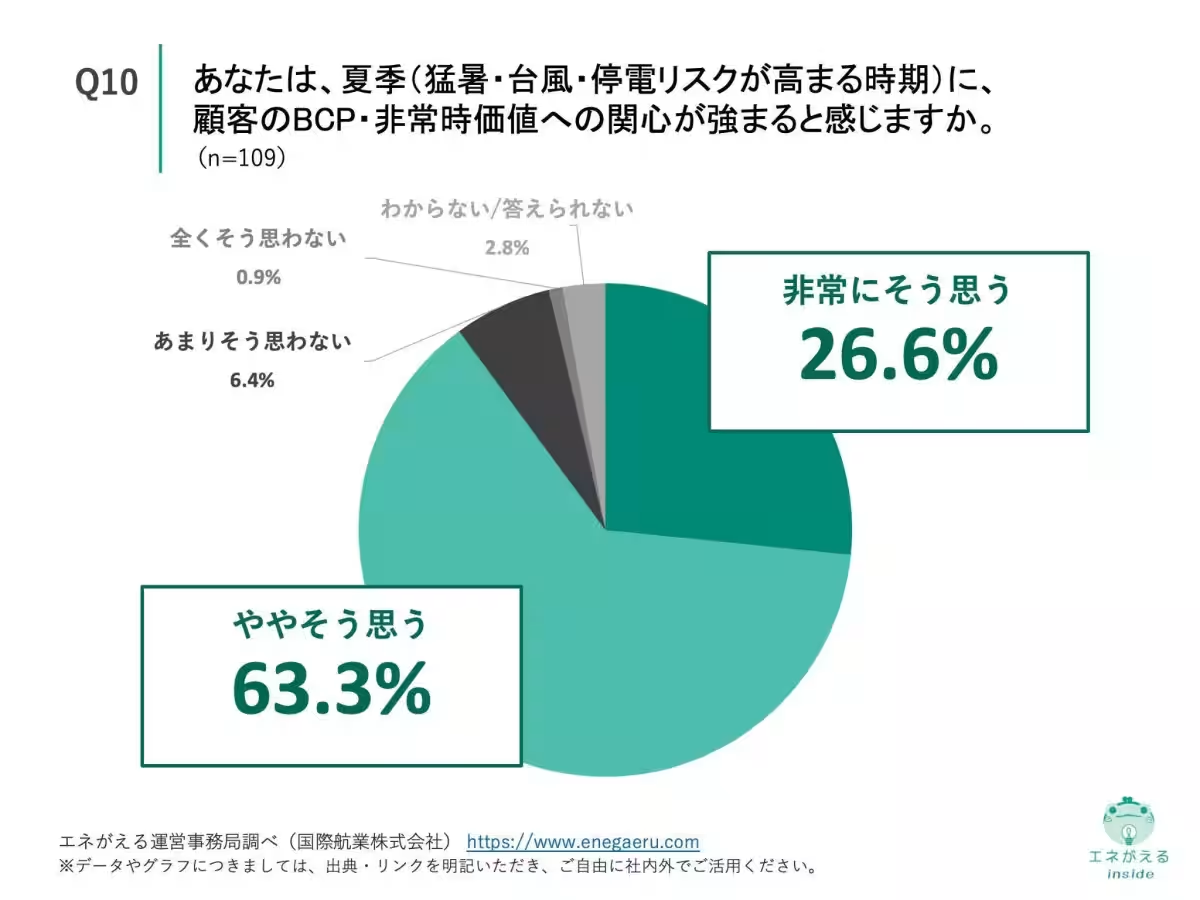
Given that summer and storm seasons increase risks for outages, a remarkable 89.9% of respondents felt that clients exhibit heightened interest in business continuity planning (BCP) and emergency value during these times. This urgency potentially drives greater sales engagement around these metrics.
6. Tools and Resources Utilized
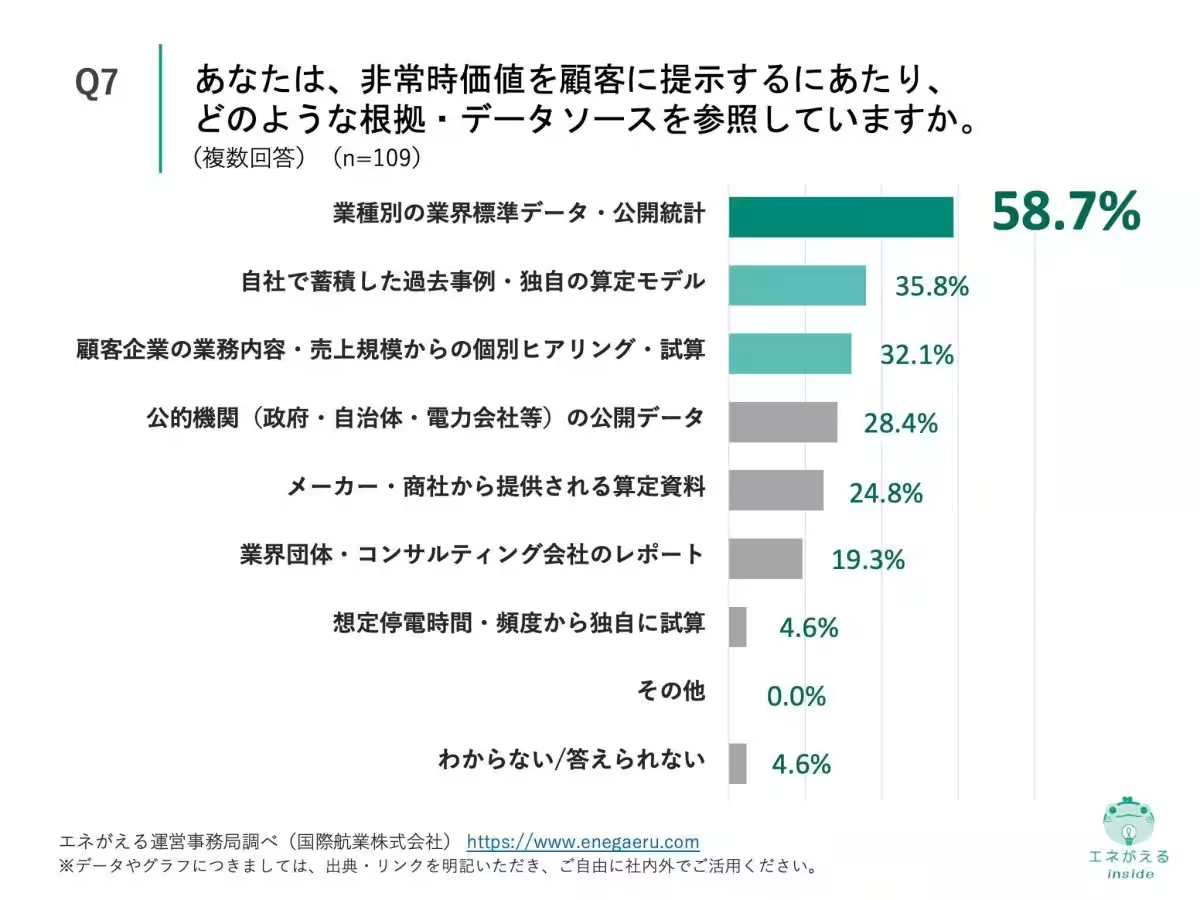
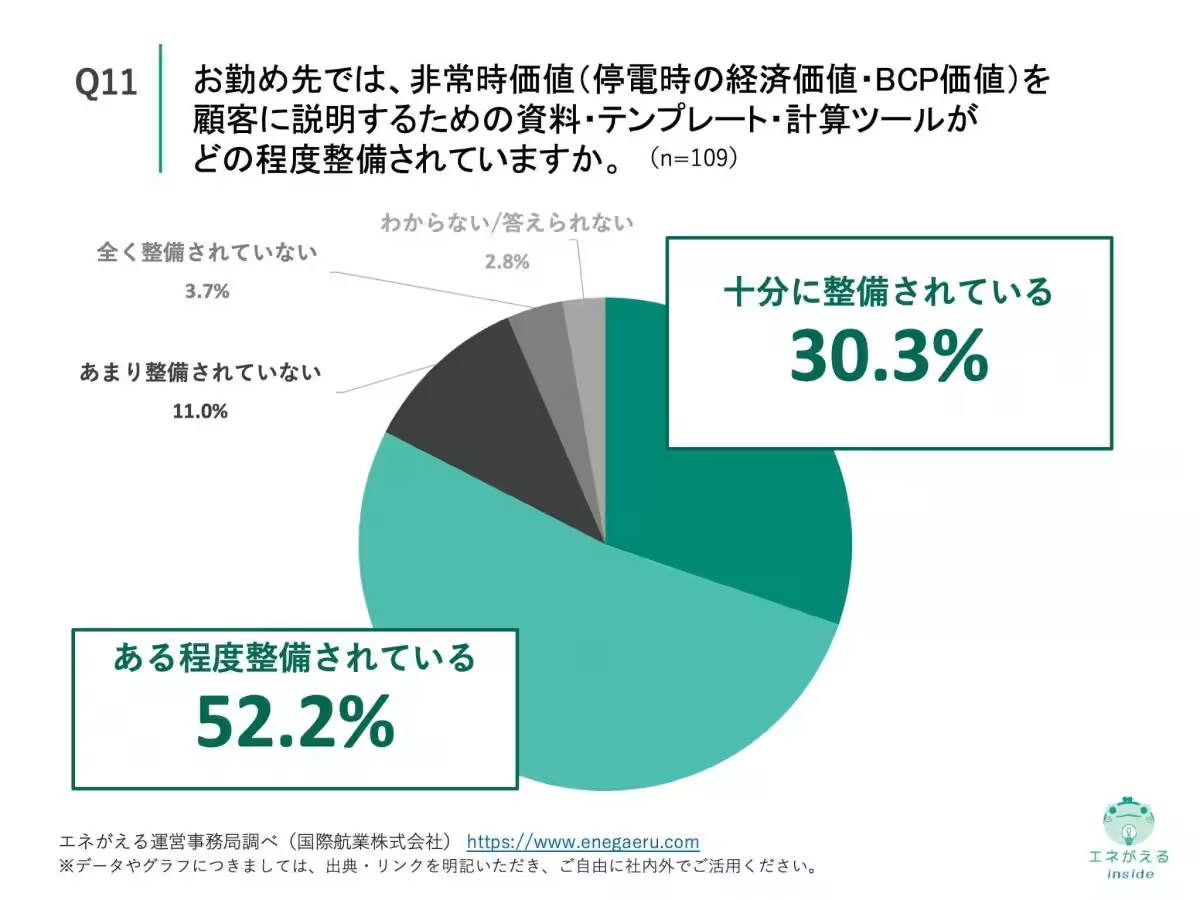
Most respondents (82.5%) indicated the adequacy of resources, such as templates and calculators, in explaining emergency values to customers. Additionally, 58.7% reference industry-standard data and public statistics as key sources of their proposals.
Conclusion
The results of this study illuminate the vital role that quantifying emergency values plays in enhancing the perceptions of solar power's economic benefits among potential customers. The industry clearly shows a demand for rigorous standards and methodologies in calculating these values. Collaborative efforts to address the existing challenges will likely lead to a more robust framework supporting solar power and storage sales.
Ultimately, as the market navigates towards higher energy independence and reliability, measures like those studied here could represent a significant step forward in customer education and decision-making.
For further details, the complete study can be downloaded via the official website of the economic effect simulator "Enegaeru" at enegaeru.com.
About Kokusaikogyo Co., Ltd.
Founded in 1947, Kokusaikogyo is dedicated to providing technology consulting services centered on geospatial information across sectors such as disaster prevention and reduction, administrative management, and infrastructure management.
For more information about our company and initiatives, visit kkc.co.jp.
Topics Consumer Products & Retail)
【About Using Articles】
You can freely use the title and article content by linking to the page where the article is posted.
※ Images cannot be used.
【About Links】
Links are free to use.